


Metal Tables
Metal tables are fully metal tables designed for cafés, restaurants, bars and other hospitality venues, where both the base and tabletop are made of metal. These models are widely used in restaurants, coffee shops, bars, food courts and outdoor terraces thanks to their durability, practicality and long service life.
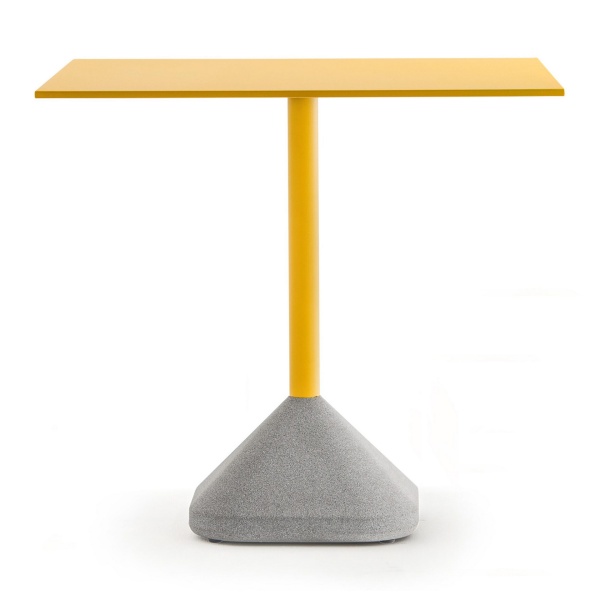
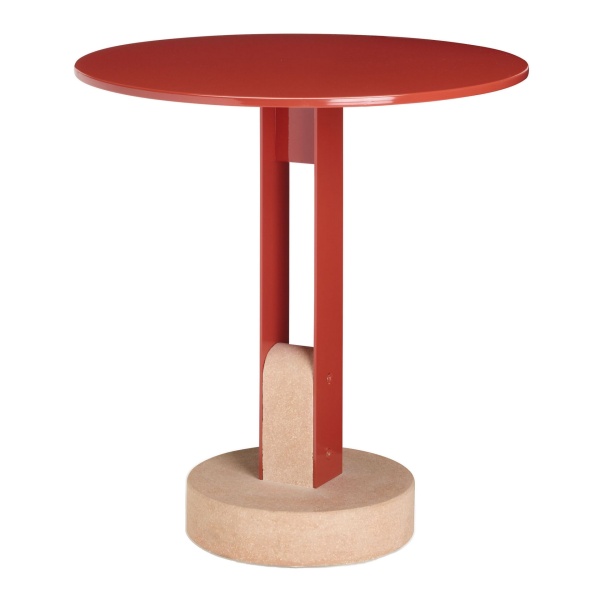
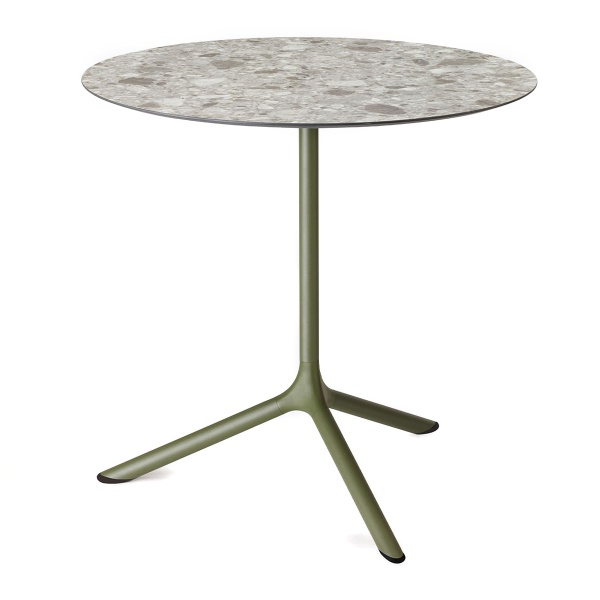
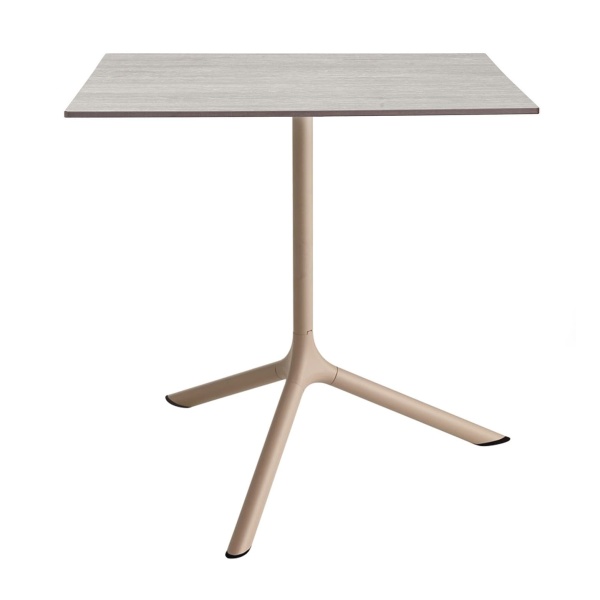
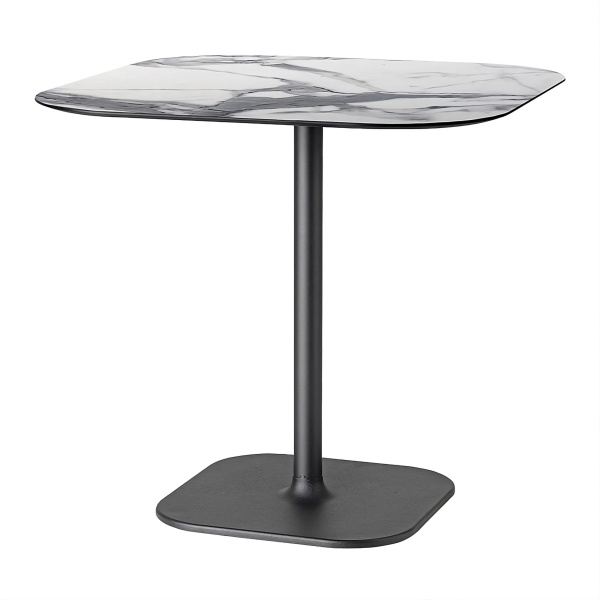
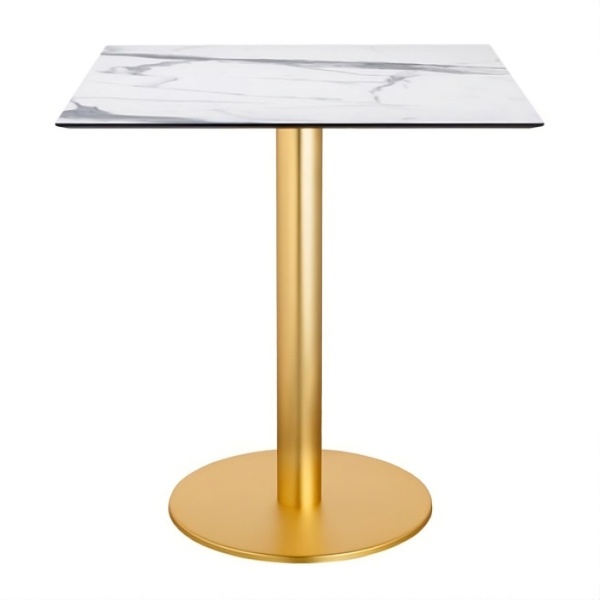
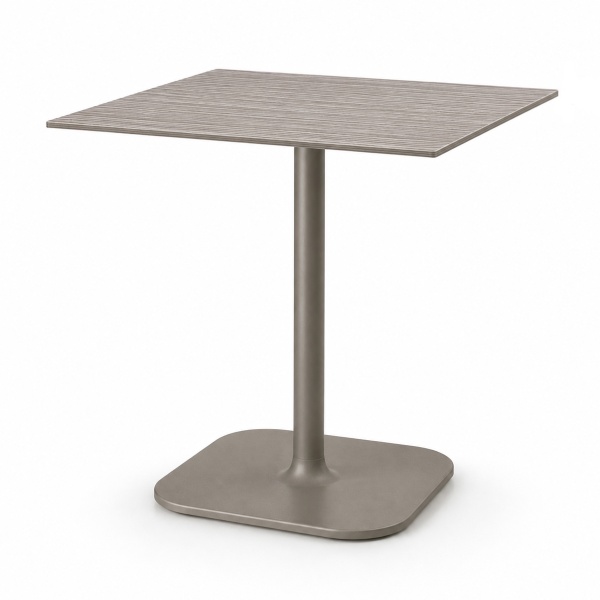
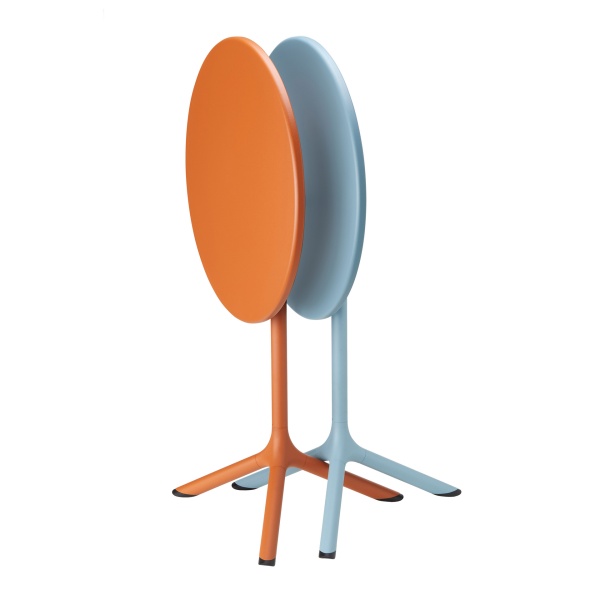
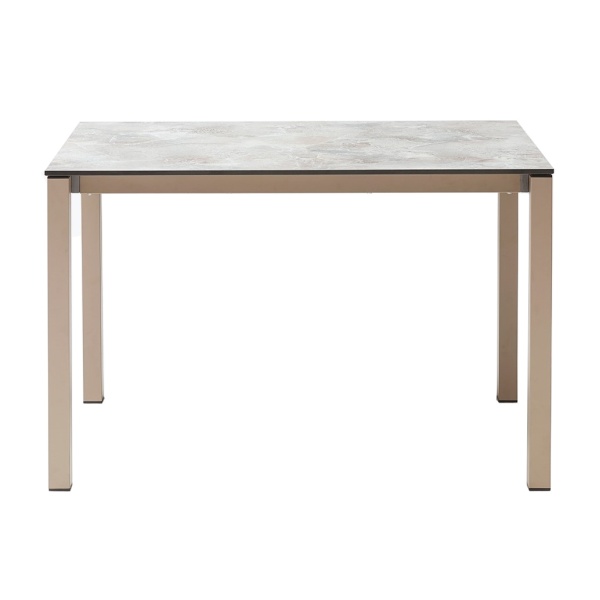
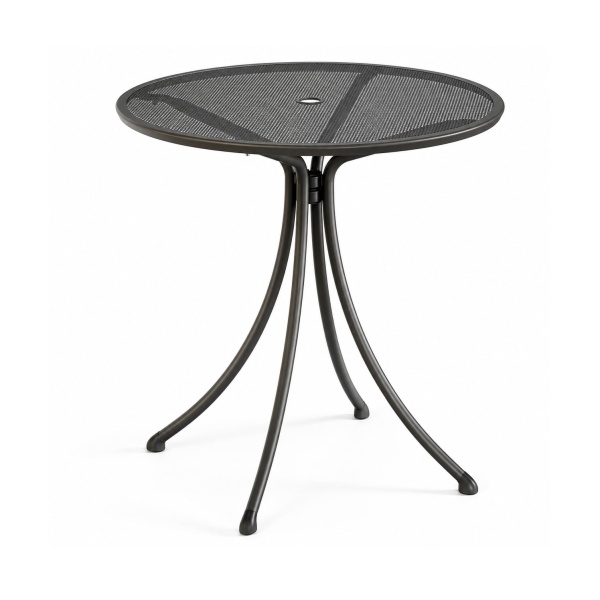
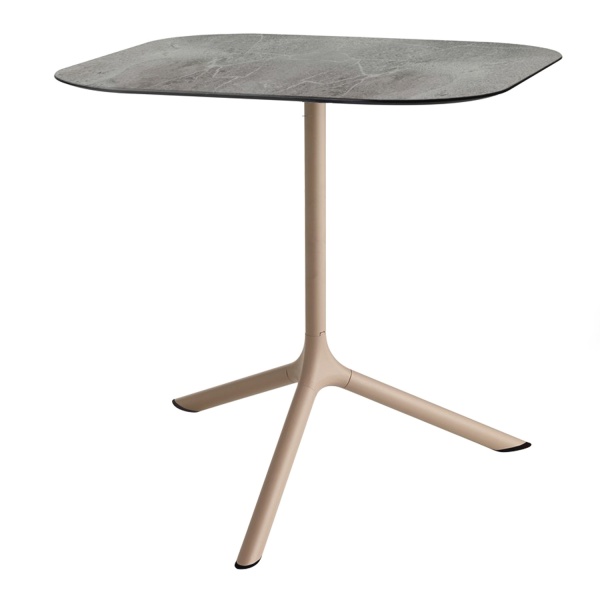
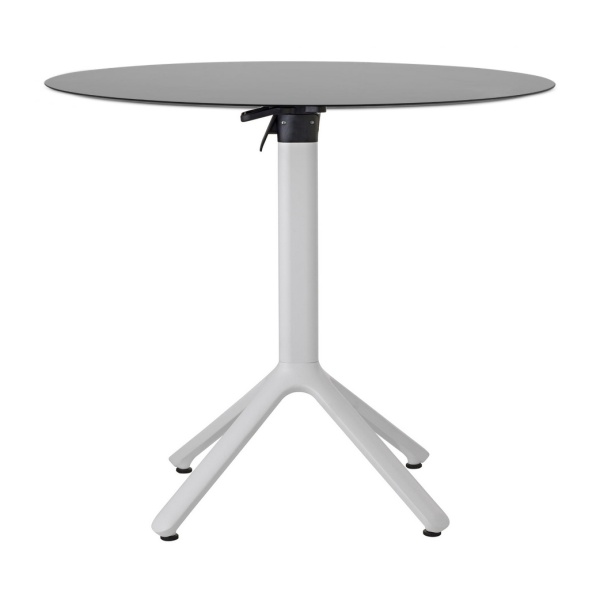
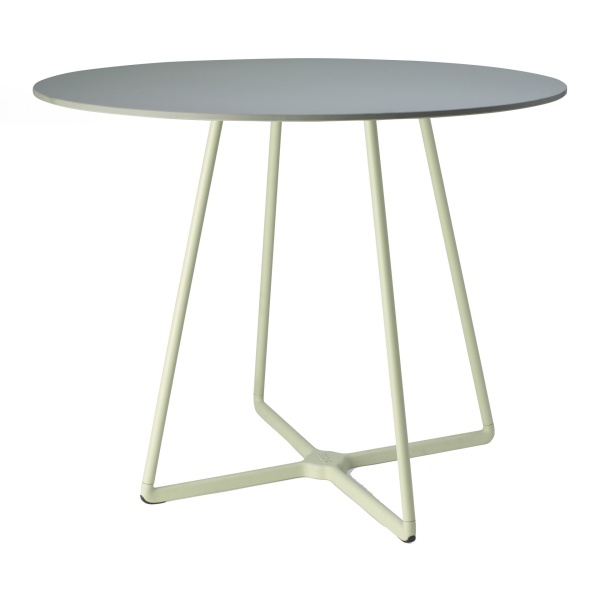
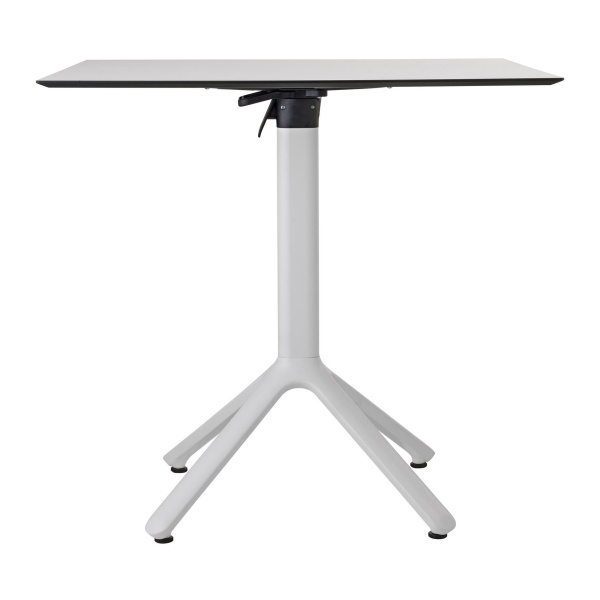
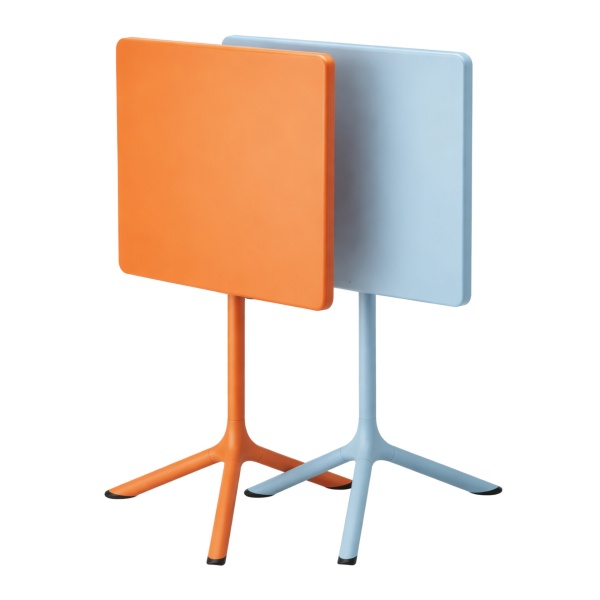
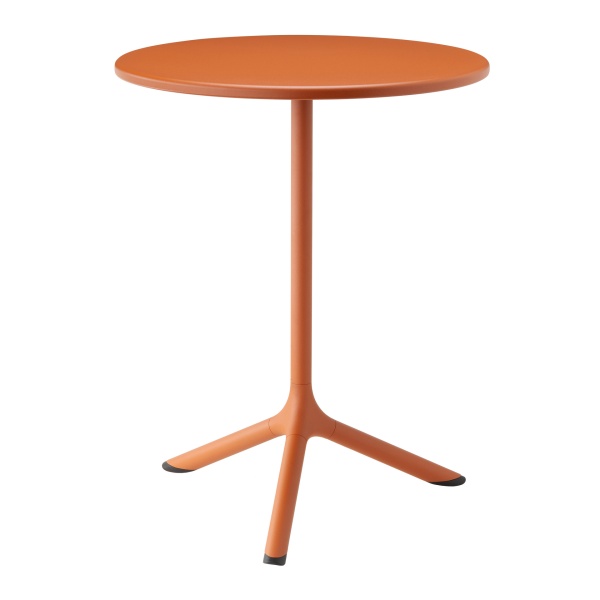
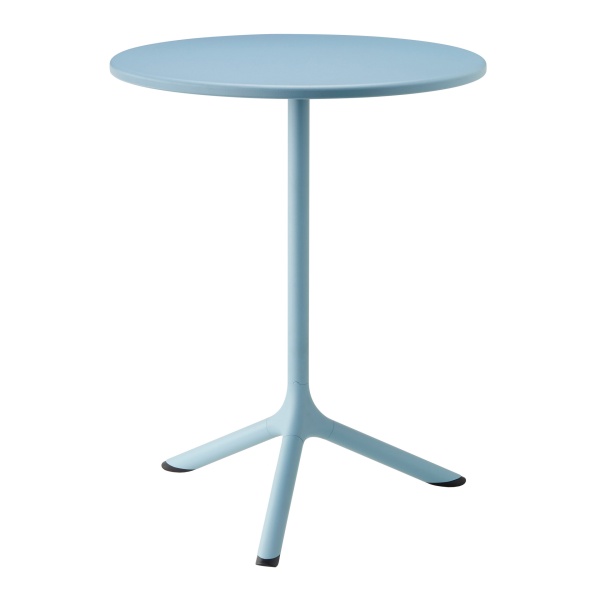
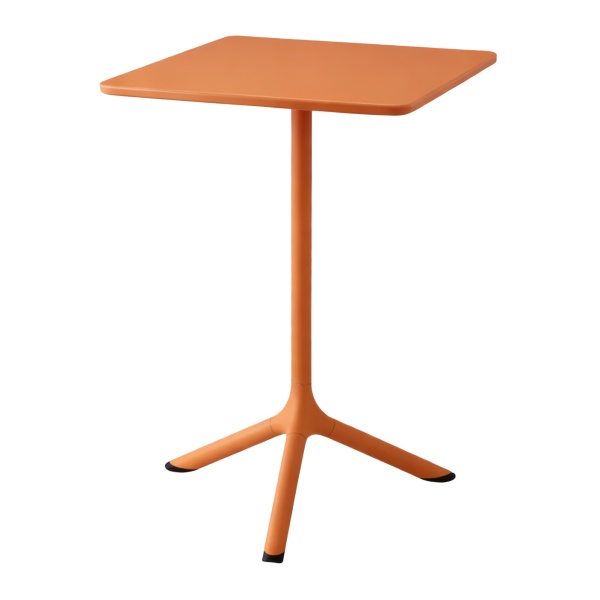
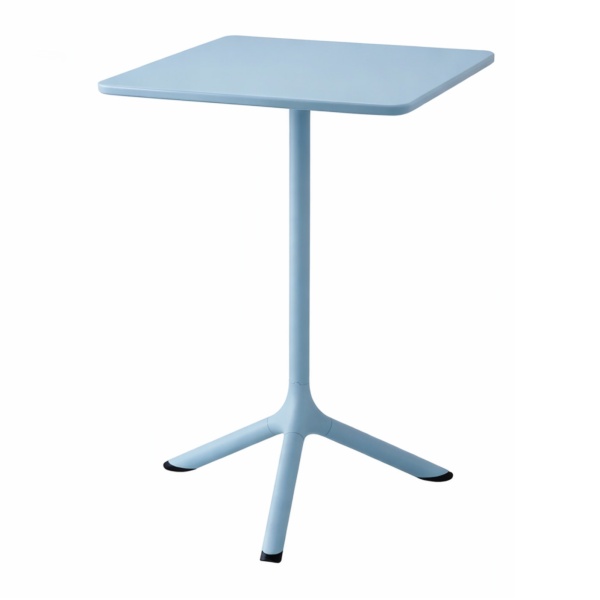
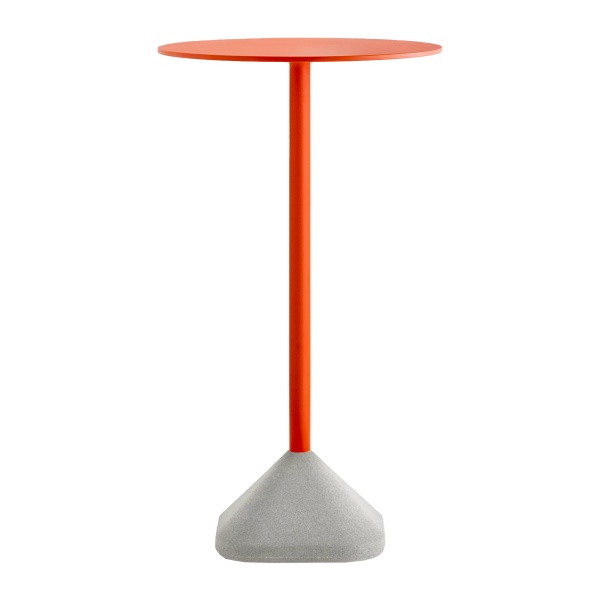
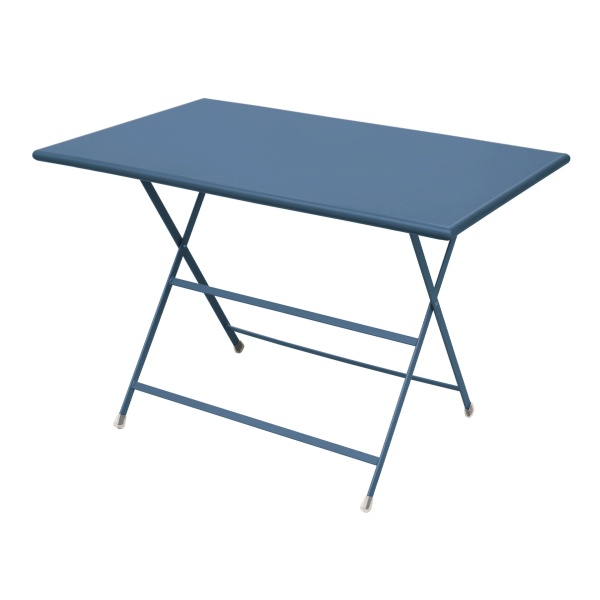
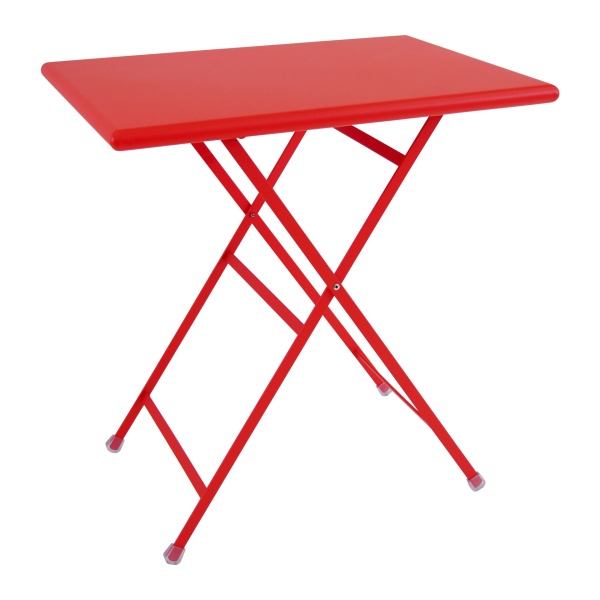
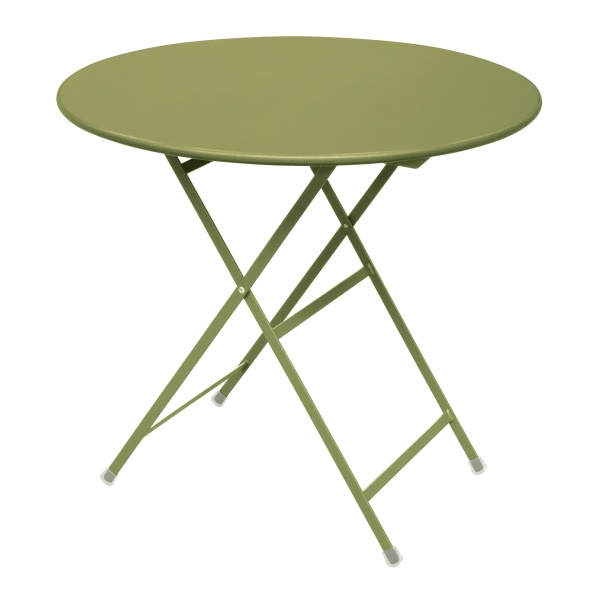
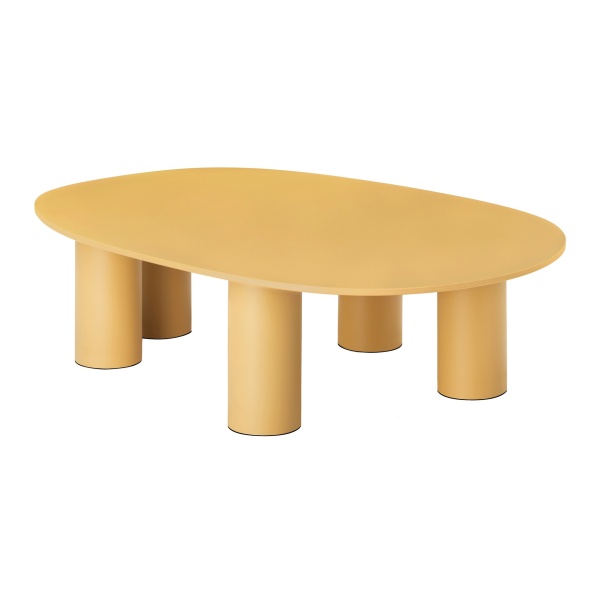
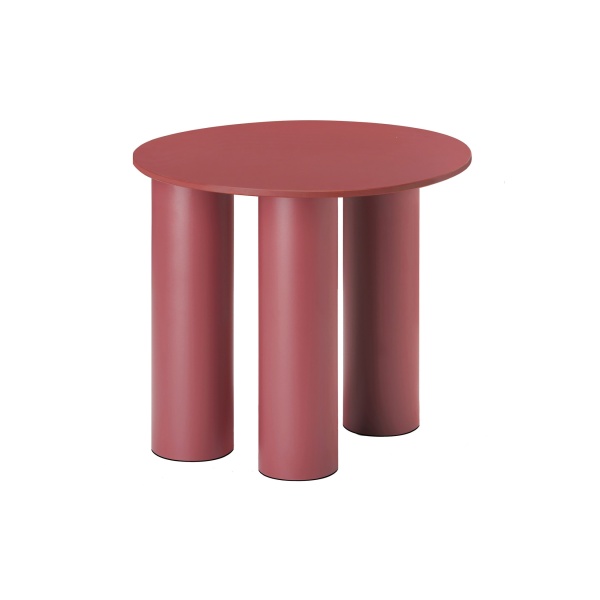
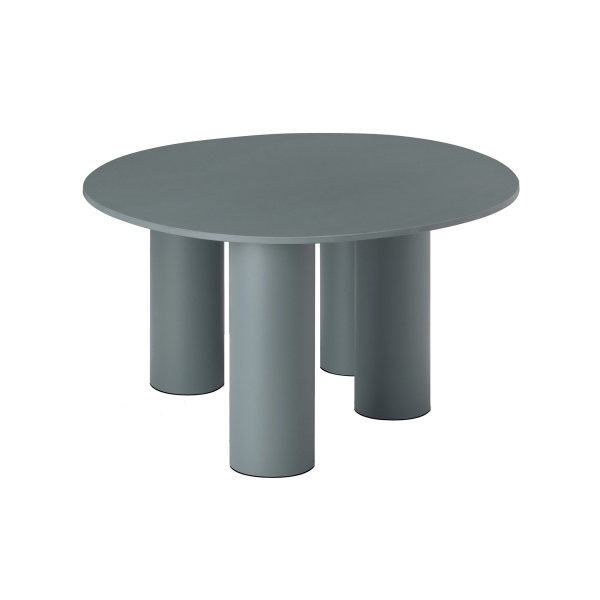
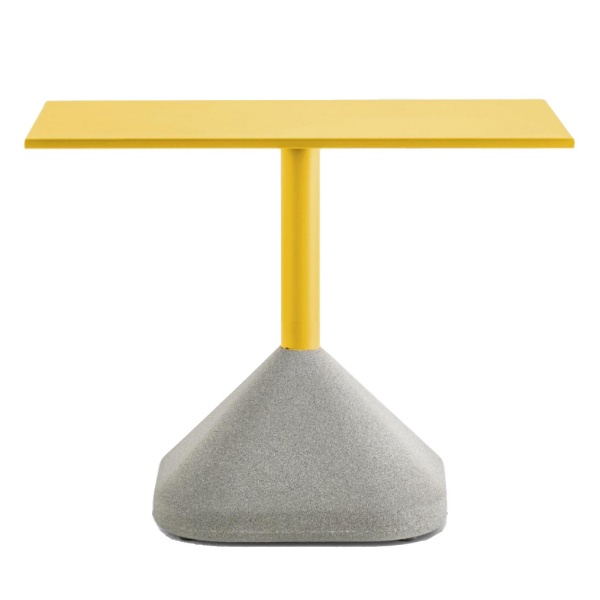
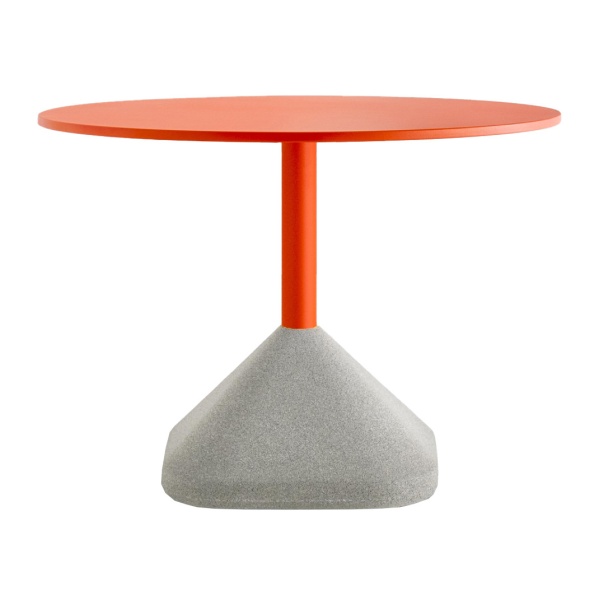
Metal tables are fully metal tables designed for cafés, restaurants, bars and other HoReCa venues where the base, support structure and tabletop are made entirely of metal. These models are designed for intensive commercial use and are resistant to mechanical loads, frequent cleaning, moisture and temperature changes. Thanks to their all-metal construction they are particularly востребованы in high-traffic hospitality venues, outdoor terraces, bistros, bars and other outdoor dining environments.
Metal tables are widely used in the category of tables for cafés and restaurants, where furniture experiences heavy daily use and must maintain stability under constant operation. Unlike mixed-material models, fully metal tables do not include wooden, laminated or stone elements, which makes them especially valuable in environments where durability, practicality and easy maintenance are essential.
In commercial interiors metal is convenient because it allows designers to create durable yet visually clean structures. Fully metal tables perform well in modern restaurants, cafés, bars, food courts and outdoor terraces where furniture is regularly moved, cleaned and used intensively. For this reason such models are widely used in the HoReCa sector both in indoor dining rooms and outdoor hospitality environments.
Metal tables are often used together with other restaurant furniture. In seating areas they are combined with restaurant chairs, while bar spaces typically use them together with bar stools. In smaller venues they are also paired with compact seating solutions that help organise guest seating efficiently without visually overloading the interior.
Metal tables for cafés and restaurants: construction features
Fully metal tables designed for commercial use differ from ordinary household furniture because they are engineered for intensive daily operation. Their construction takes into account frequent cleaning, constant rearrangement of furniture in the dining area, high seating loads and the need to maintain structural stability over long periods of use.
In such models not only the base but also the tabletop is made of metal. The foundation, central column or legs as well as the top working surface are manufactured from metal, ensuring high structural rigidity and overall durability. For commercial hospitality use this is particularly important because all-metal tables are less sensitive to moisture, mechanical contact and regular sanitation procedures.
The standard height of metal dining tables is typically around 72–76 cm. Bar tables usually have a height of approximately 90–110 cm and are used together with high seating to create a complete bar zone in cafés, bistros and restaurants.
For spaces with uneven floors metal tables often include adjustable feet that help stabilise the structure without additional wedges or supports. This is particularly important in hospitality environments where unstable furniture immediately affects guest comfort.
Main types of metal tables
Metal tables for HoReCa environments differ by height, seating format and base construction. Although they share the same fully metal structure, the category includes several solutions designed for different operational scenarios.
The most common option is the standard dining metal table with a height of around 72–76 cm. These models are used in restaurant and café dining rooms and are typically designed to seat two to four guests. Thanks to the fully metal structure they are particularly convenient for venues with high seating turnover.
Bar metal tables have an increased height of about 90–110 cm. They are commonly used in bars, bistros, cafés and lounge zones where compact high seating is required. In such formats bar tables are also widely used to organise seating along counters, windows or walls.
Outdoor hospitality spaces often use lightweight all-metal tables that are easier to move and maintain. Such models are particularly useful where terrace tables are used and furniture must withstand temperature changes, moisture and sunlight exposure.
Metal tables with a central base are also popular. These are particularly useful in smaller cafés where efficient space planning is essential. In such layouts central base tables help free up legroom and allow more flexible seating arrangements.
Why fully metal tables are widely used in HoReCa
All-metal tables have become widespread in hospitality furniture thanks to their durability, stability and ease of maintenance. Metal structures can withstand significant loads, retain their shape during long-term use and perform well in high-traffic environments.
Another important advantage is resistance to moisture and temperature changes. When designed for outdoor use and protected by appropriate coatings, metal tables can be used not only indoors but also on terraces where wooden or composite surfaces wear out faster.
In addition, metal allows the creation of stable structures with visually thin profiles. This makes fully metal tables appear lighter than bulky furniture and helps them integrate well into contemporary, industrial or minimalist restaurant interiors.
Table shapes
Metal tables can be round, square or rectangular. The choice depends on the restaurant format, seating density and overall layout of the dining space.
Small cafés often prefer round dining tables because they allow compact seating and create a more relaxed communication atmosphere for guests.
Square tables provide flexible furniture arrangements and can be easily combined to accommodate larger groups of guests when necessary.
In larger restaurants rectangular tables are often used because they provide more usable surface area and accommodate several guests comfortably.
Maintenance and durability
Metal tables require minimal maintenance. In most cases regular cleaning with a soft cloth and neutral cleaning agents is sufficient, which is especially important for venues with high seating turnover and frequent sanitation procedures.
Protective coatings simplify maintenance and help preserve the appearance of furniture over time. When used correctly, fully metal tables maintain their stability, geometry and appearance for many years.
FAQ: metal tables for cafés and restaurants
Are metal tables suitable for intensive use?
Yes. Fully metal tables are made from durable steel or aluminium and are designed for daily loads, making them suitable for high-traffic hospitality venues.
Can metal tables be used on terraces?
Many models are suitable for outdoor use. With proper protective coatings metal tables are resistant to moisture and temperature changes and can be used on terraces.
What is the standard height for metal dining tables?
The standard height of dining metal tables is typically around 72–76 cm. Bar models usually have a height of approximately 90–110 cm.
How do fully metal tables differ from metal-frame tables?
In fully metal tables the base, support structure and tabletop are all made of metal. In metal-frame tables only the base is metal, while the tabletop may be made from other materials.