What is included in the shading solutions category
Terrace parasols are the main solution for cafés, restaurants, rooftops, patios and outdoor bar areas. They provide shade above dining and lounge seating, integrate into table and chair layouts and are specified according to canopy size, support type and fixing method.
Beach parasols are a separate format for hotels, resorts, beach clubs and poolside areas. Here, each relaxation module normally requires a smaller shaded area, greater mobility and a different positioning logic around sun loungers, together with materials suitable for exposure to moisture, sand, salt and chlorine.
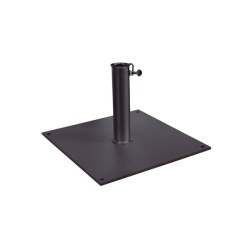
Parasol bases are a critical part of the system because they directly affect structural stability. The base or anchor fixing determines how the parasol behaves in wind, whether it can be moved easily and whether the selected solution is suitable for paving, decking, concrete, pool decks or sandy areas.
How professional shading differs from domestic products
A domestic parasol is generally intended for occasional use. Hospitality places a different level of demand on the system: daily opening and closing, use during peak daytime hours, prolonged exposure to direct sunlight, moisture, wind and dust, as well as regular cleaning. Commercial locations therefore use aluminium or steel structures, outdoor fabrics with increased resistance to fading and bases or anchors selected for the specific canopy size and site conditions.
In the professional segment, the objective is not simply to create “more shade”. What matters is how the system performs in operation: whether the area beneath the canopy remains unobstructed, whether the parasol can be opened above tables without moving them, how easily staff can reposition the structure and whether the same format, fabric or replacement components can be reordered in future seasons.
Practical rule: in commercial outdoor projects, assess the complete system rather than the canopy alone — parasol, base or anchor, surface type, furniture beneath the canopy and the wind conditions of the specific location.
Types of parasol and where each format works best
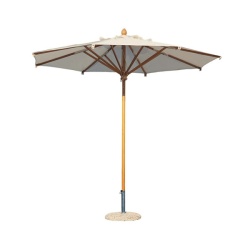
Centre-pole parasols are the conventional solution for most café and restaurant terraces. They work well where seating is organised around a table and the structure needs to be straightforward to operate, relatively compact and stable. For more exposed and windy locations, centre-pole designs are generally a more predictable choice than cantilever systems, subject to the technical specification of the individual model.
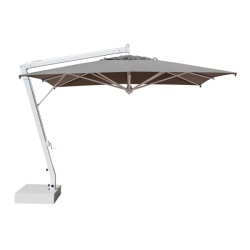
Cantilever parasols are designed for lounge areas, premium terraces, hotel patios and spaces where an unobstructed area beneath the canopy is important. Their main advantage is greater freedom when positioning furniture, but the offset support also places greater demands on the base, anchoring and assessment of wind exposure.
Telescopic parasols are particularly useful on densely furnished terraces where the canopy needs to be opened and closed above tables without moving the furniture each day. In hospitality, this is not simply a convenience feature: it can make the opening and closing routine faster for staff at the end of service or when weather conditions change.
Beach parasols are not simply smaller versions of terrace parasols but a separate product class. They normally serve one or two loungers and often use a different fixing method and mobility concept. A system that works above a restaurant dining table is not necessarily suitable for sand, a pool deck or a row of beach loungers.
Materials and technical parameters to check
Frame. Aluminium or protected steel are standard materials in the contract segment. Aluminium is valued for its lower weight and corrosion resistance, particularly in humid environments or locations close to water. On large-format and permanently installed systems, the material itself is only one factor: profile dimensions, joint rigidity and fixing method are equally important.
Canopy fabric. In the professional segment, solution-dyed acrylic and comparable outdoor fabrics are commonly specified. Their advantages include high colourfastness, UV stability, water-repellent properties and more predictable performance over a long outdoor season. Where a specific fabric is rated UPF 50+, this indicates a very high level of protection from ultraviolet radiation.
Fixing. The same canopy can perform differently on a mobile base and on a permanently installed anchor. For larger formats and exposed locations, the fixing method can be more important than a small difference in canopy diameter or fabric colour.
Canopy ventilation. A vented canopy can be useful on exposed sites because it allows part of the airflow to escape and reduces pressure on the canopy. It does not, however, replace a correctly specified base or anchor fixing.
| Solution | Best suited to | Key advantage | What to check before ordering |
|---|
| Centre-pole parasol | Café, bistro, standard restaurant terrace | Straightforward operation and good stability | Canopy size, base specification, clearance height |
| Cantilever parasol | Lounge area, premium terrace, hotel patio | Unobstructed space beneath the canopy | Offset load, fixing type, wind exposure of the site |
| Telescopic parasol | Dense restaurant seating, large terraces | Opens above furniture without rearranging it | Mechanism, opening height, compatibility with the existing table layout |
| Beach parasol | Hotel, resort, beach club, poolside | Mobility and appropriate shade around loungers | Installation method, UV stability of the fabric, suitability for humid environments |
| Base or anchor | Any outdoor project | Stability and safety of the complete system | Surface type, canopy format, possibility of permanent fixing |
How to choose a solution for the venue format
Coffee shop or compact bistro. Small- to medium-format centre-pole parasols are often the most practical solution. Priorities include straightforward daily operation, a clear seating plan, a compact base and uncomplicated seasonal maintenance.
Restaurant terrace. For dining areas, protection from direct sun is only one consideration: the shading system must also avoid interfering with service. Depending on the layout, centre-pole models with appropriate clearance, telescopic systems or cantilever parasols for areas requiring unobstructed space beneath the canopy may all be relevant.
Hotel patio or rooftop. Here the shading system also contributes to the architectural identity of the space. Fabric colour, repeatable configurations, optional LED lighting, branding and compatibility with lounge furniture and outdoor tables become particularly important.
Beach club or poolside. These areas require a more flexible modular approach rather than a restaurant-style solution: one lounger or a group of loungers, a local base or dedicated fixing method, materials suited to moisture and a system that staff can reposition efficiently.
What actually determines the effectiveness of a shading system
The most common mistake is to assess a parasol as an isolated product rather than as part of the wider outdoor system. In practice, five factors determine how effectively the shade works: canopy area, support position, clearance beneath the canopy, fixing method and the furniture layout below. If even one of these elements is poorly specified, the shaded area may look generous on paper but remain inconvenient in daily use.
Another common mistake is to select solely on maximum size. On some terraces, several smaller modules work better than one large structure because they provide greater flexibility in seating layouts and can respond more effectively to changing sun angles throughout the day. In beach and poolside settings, local mobility and the ability to reconfigure individual relaxation modules may be more important.
What to check before buying
- Type of location. A restaurant terrace, rooftop, patio, beach and poolside area each place different demands on structure and installation.
- Wind conditions. On exposed sites, a mobile base and permanent anchor can provide very different levels of stability even for the same parasol model.
- Support type. A centre pole, side post or telescopic system changes both the seating layout and the way staff operate the terrace.
- Materials. Check more than colour: UV stability, water-repellent properties, outdoor fabric class and suitability for prolonged sun exposure all matter.
- Compatibility with furniture. The parasol needs to work with tables, chairs, lounge furniture or sun loungers rather than conflict with them in terms of height or support position.
- Operating procedure. Establish who will open the system each day, move bases where required, clean the canopy and store components out of season.
- Repeat availability. For hotels, chains and scalable projects, it is important to know whether the same colour, fabric or base can be reordered later.
Buy professional shading solutions for restaurant terraces, hotels, beach clubs and poolside areas with delivery across the UK — available from stock and made to order. We can specify a shading system according to the site format, seating plan, surface type, wind exposure and project budget.


 Terrace Parasols
View category

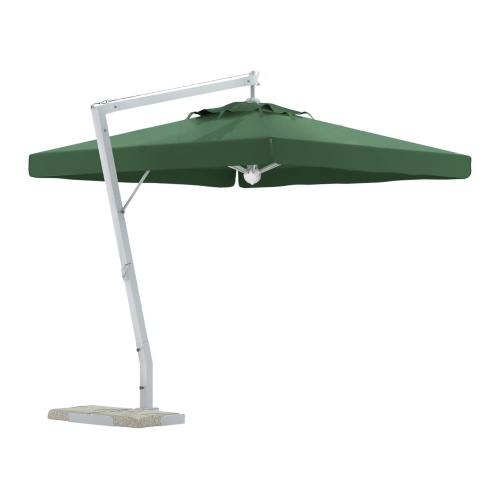
 Astro C3030Aluminium retractable umbrella 3x3
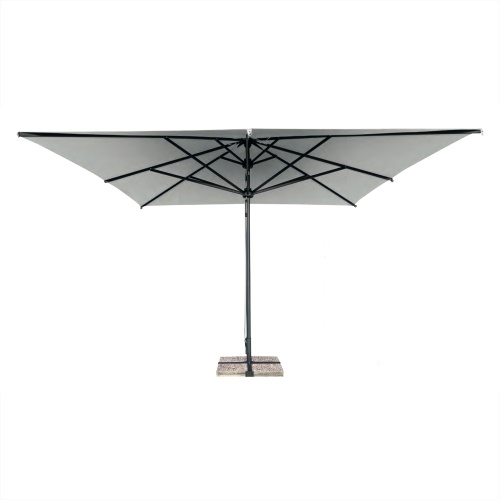
 Rimini C3030Aluminium patio umbrella 3x3
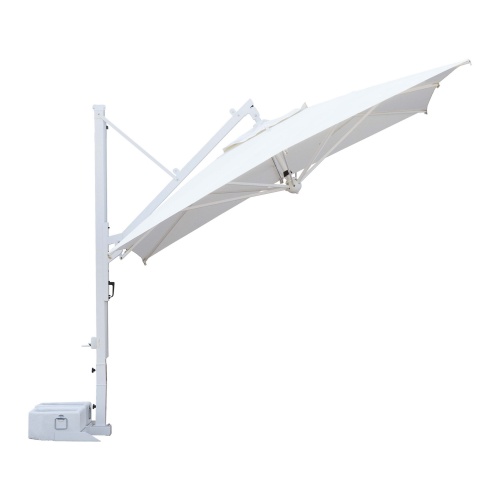
 Leonardo C4040TAluminium telescopic umbrella 4x4m
 Galileo C3040Aluminium retractable umbrella 3x4
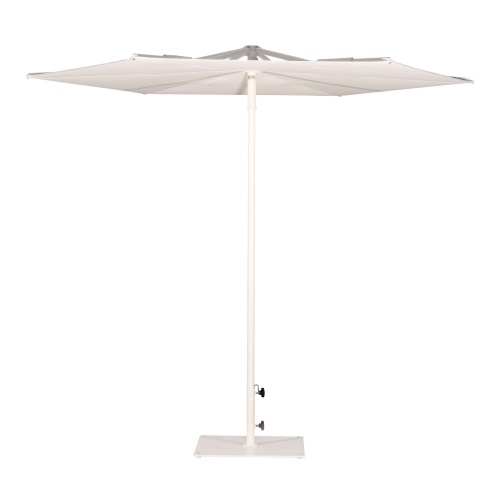 Revo C2500Flat design umbrella Ø2,5
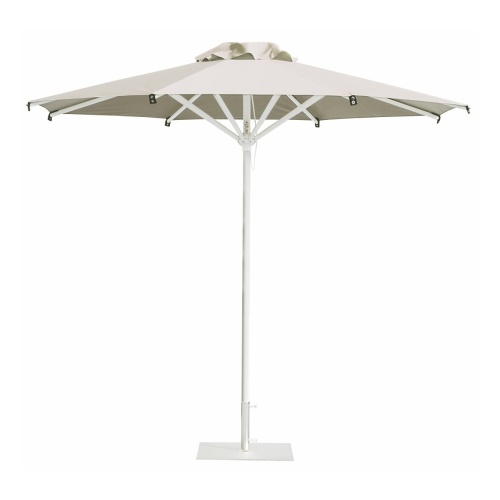 Napoli C3500Aluminium patio umbrella Ø3,5
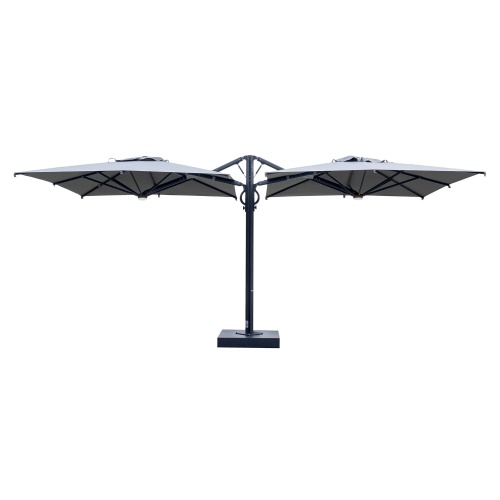 Galaxy Dual T C3060Aluminium multiple umbrella 3x6
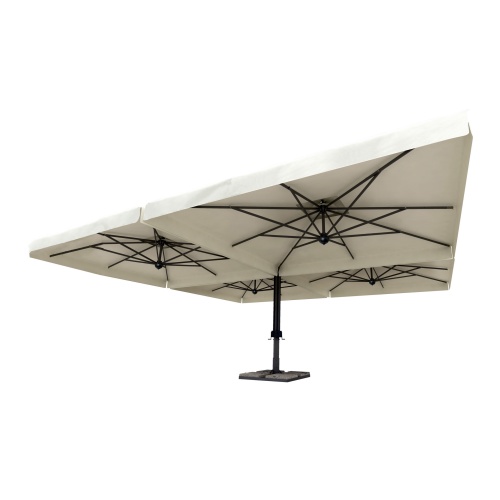 Alu Poker Dark C6060Aluminium multiple umbrella 6x6
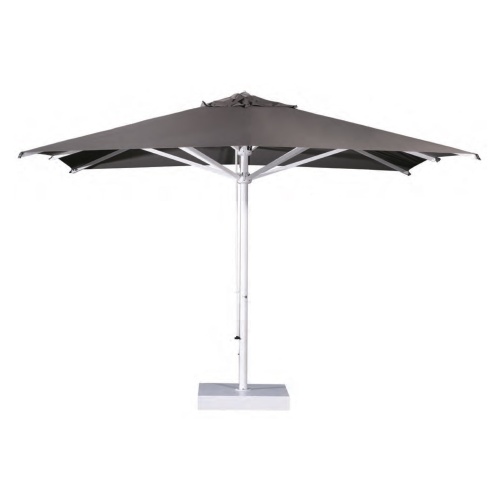 Verona C4040Aluminium telescopic umbrella 4x4m
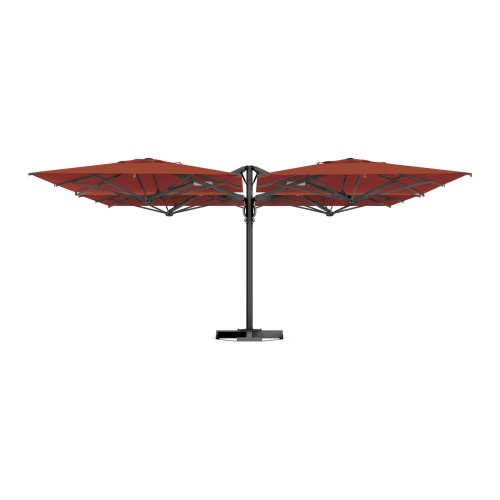 Galaxy Quattro C5050Giant retractable cantilever umbrella 5x5
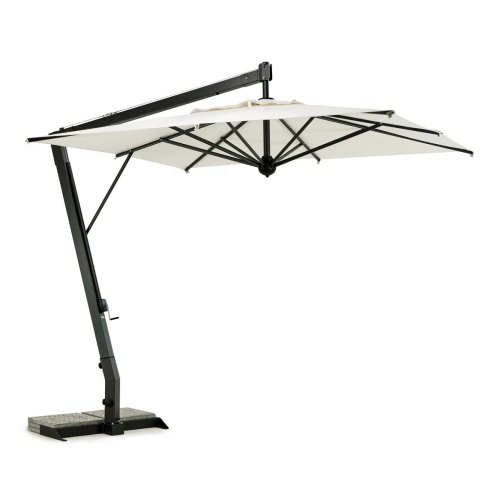 Leonardo C3535Aluminium patio umbrella 3,5x3,5
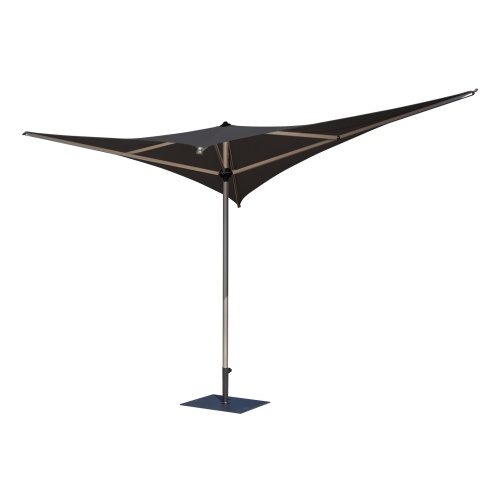 Vela C3030Aluminium patio umbrella 3x3
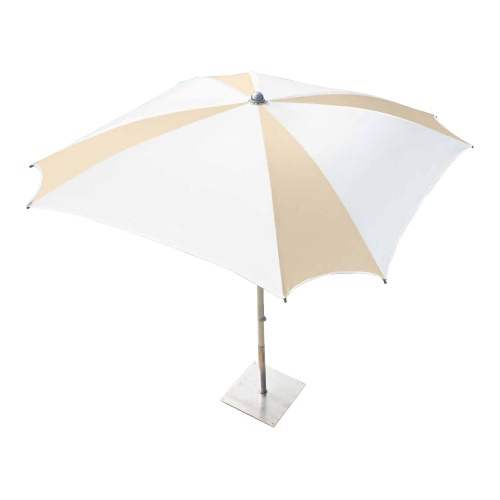 MondrianAluminium beach square umbrella 1,8/1,9/2 m
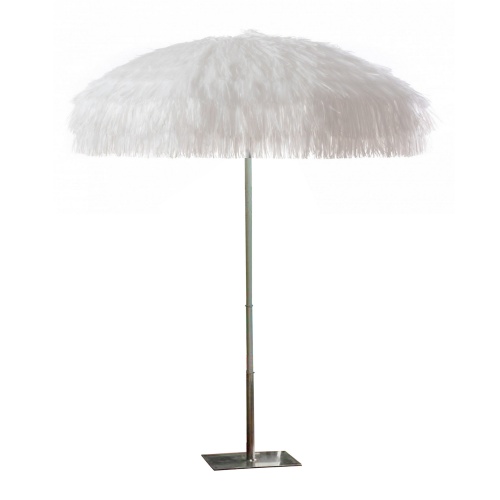 KeniaAluminium beach umbrella Ø1,8/2/2,2/2,4
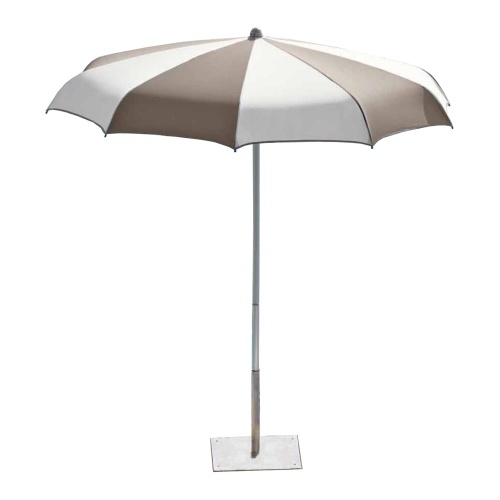 KleeAluminium beach umbrella Ø2/2,2/2,5
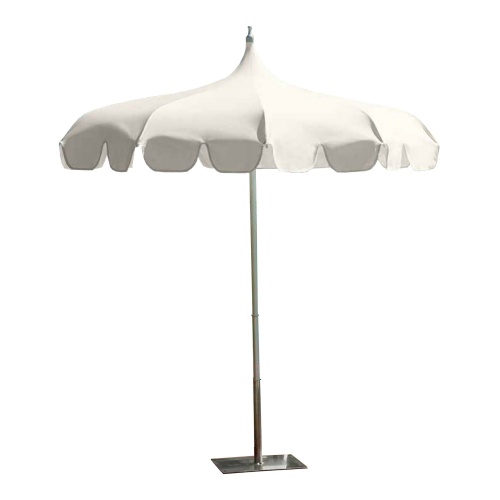 DaliAluminium beach umbrella Ø2/2,2/2,5
 Lido C2500Aluminium patio umbrella Ø2,5
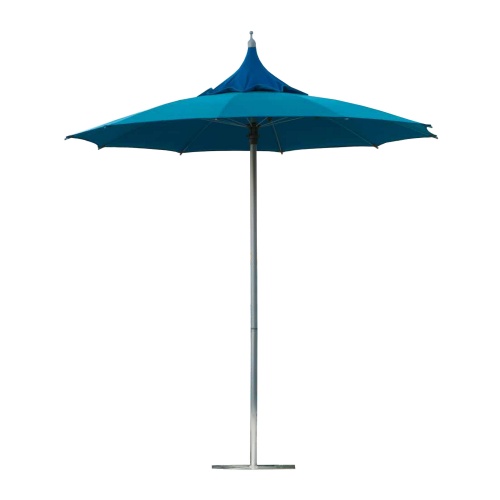 MatisseAluminium beach umbrella Ø2/2,2/2,4
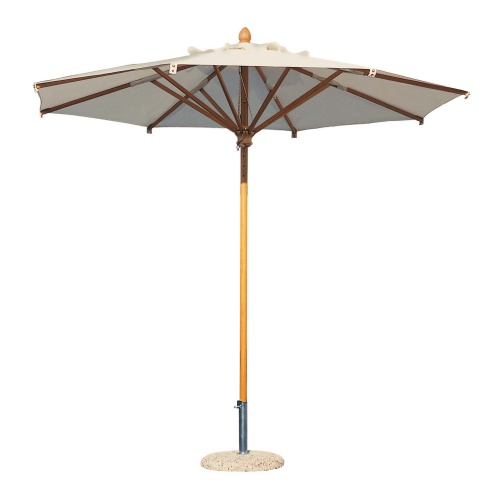 Palladio C3000Wooden patio umbrella Ø3