


Floor Lamps for Cafés, Restaurants and Hotels
Floor lamps are functional lighting solutions for cafés, restaurants, hotels and other hospitality spaces, combining local illumination with the ability to shape the atmosphere of an interior. Unlike ceiling- or wall-mounted lighting, floor-standing models can be positioned directly where light is needed, making it easier to create dedicated zones in dining areas, lounges, hotel lobbies and other parts of a venue.
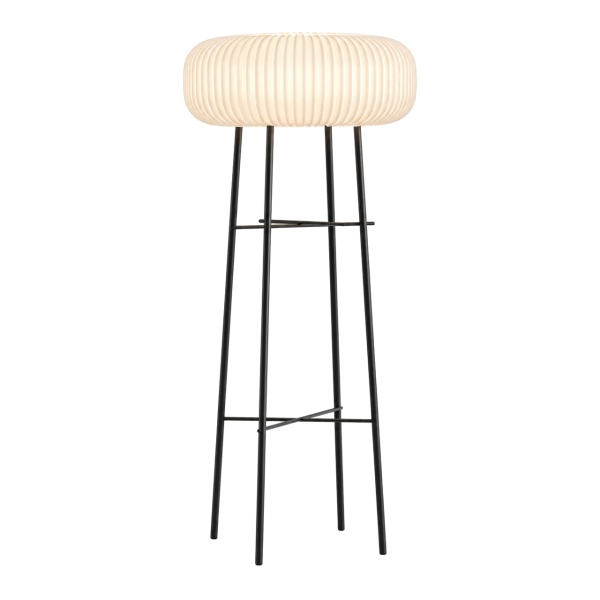
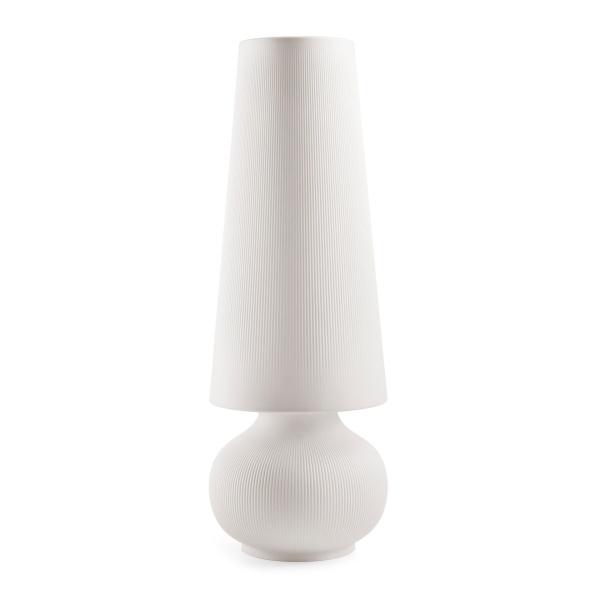
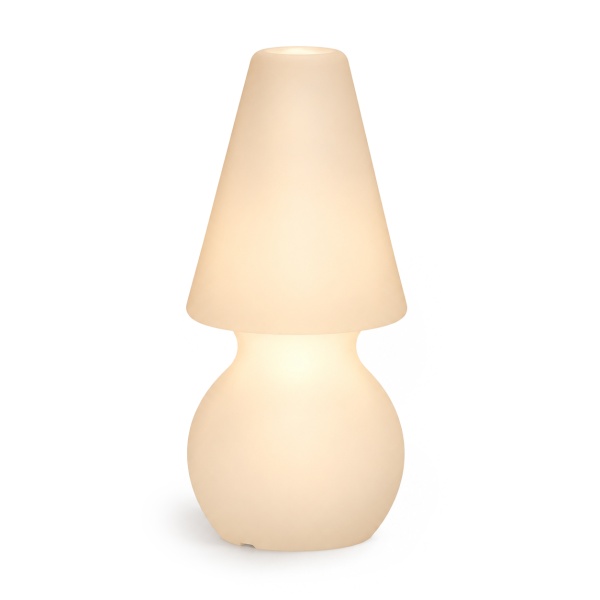
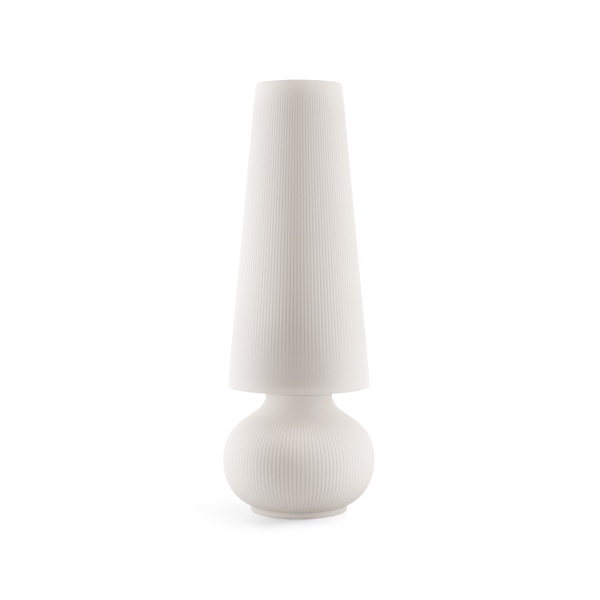
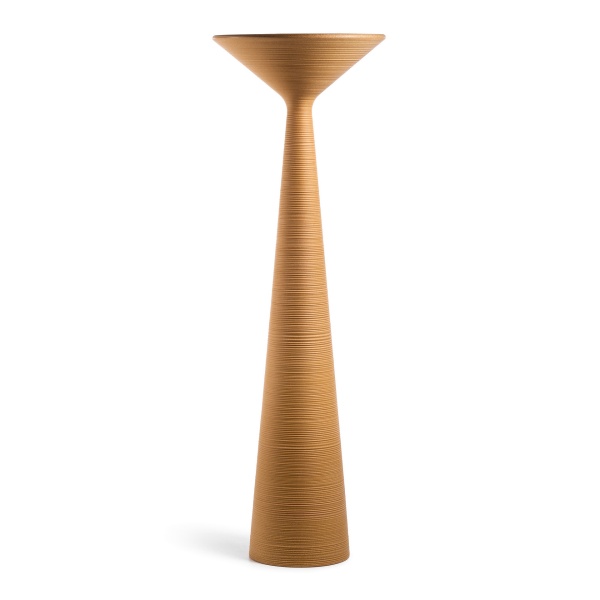
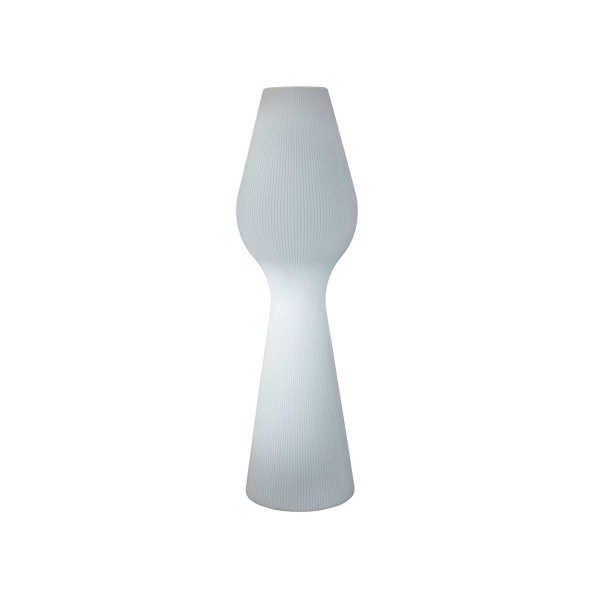
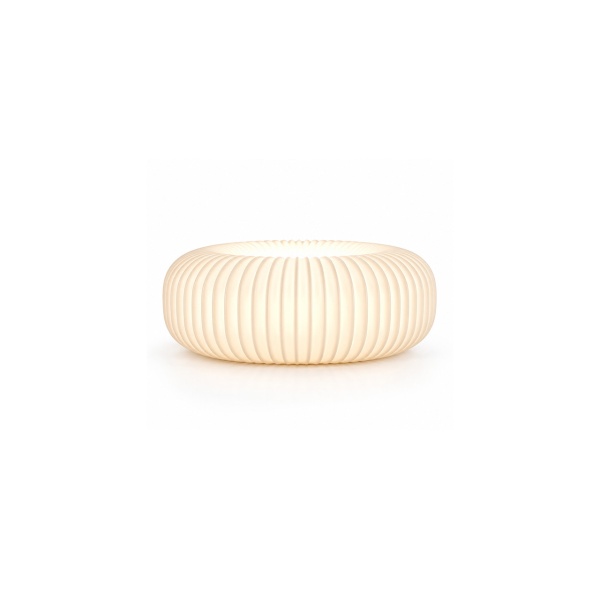
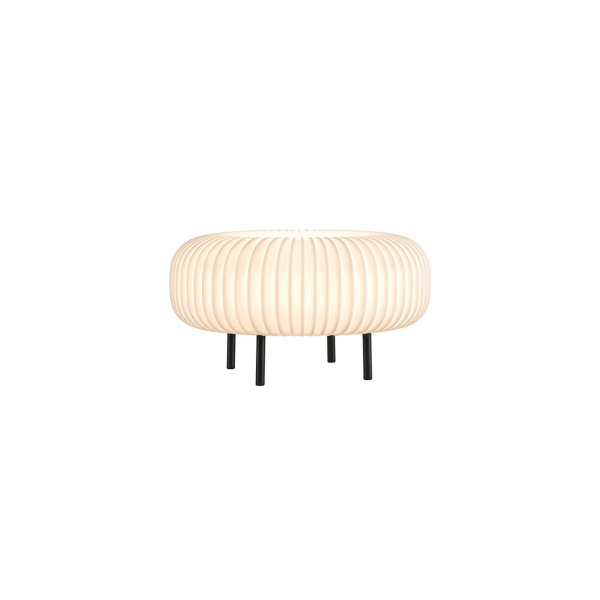
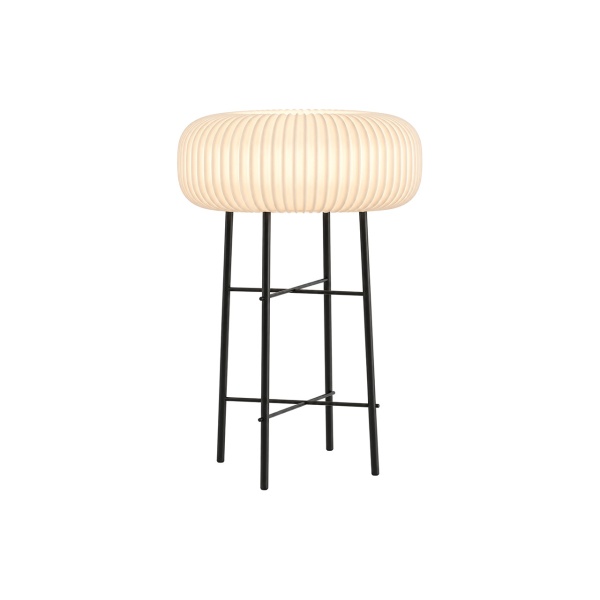
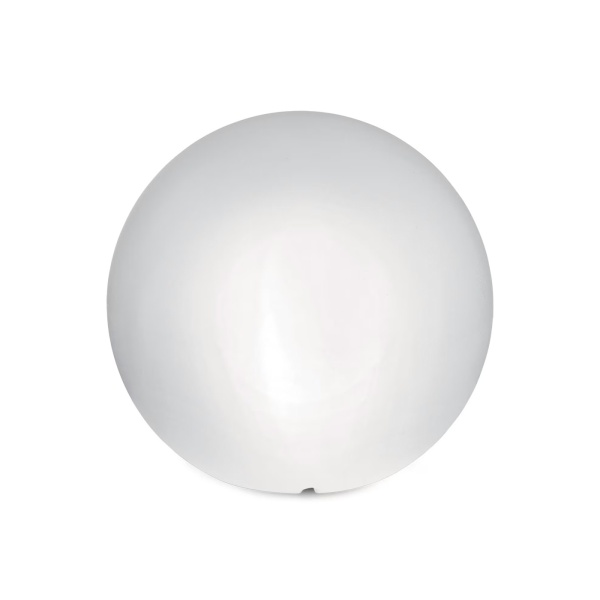
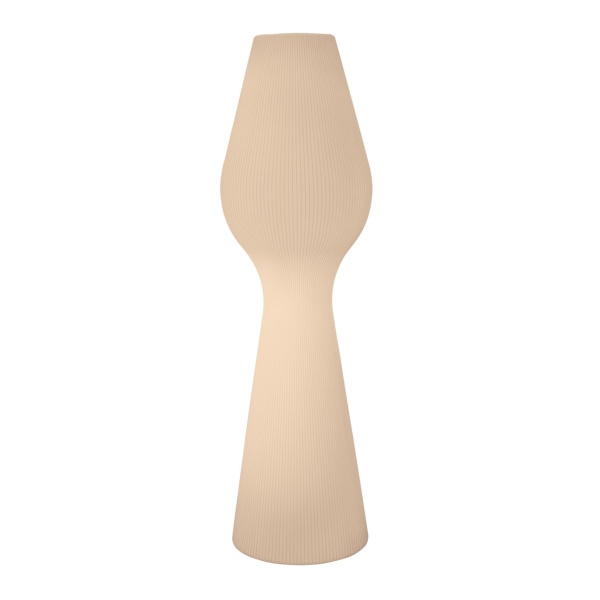
Floor lamps for hospitality are used in cafés, restaurants, hotels, lounge areas and public spaces as additional or accent lighting. Unlike fixed ceiling lighting systems, they can be positioned directly in the required area and allow the layout to be adapted without complex installation. The right model depends on the intended use, light source, height, construction, materials and operating conditions.
Floor Lamps for Cafés, Restaurants and Hotels
In commercial interiors, lighting serves more than a practical purpose. It helps divide a space into functional areas, create visual accents and establish the desired atmosphere throughout the day. Floor lamps are particularly useful where local lighting is required without relying on a ceiling-mounted or permanently installed light point.
They can be placed next to lounge chairs and sofas, around tables, in lounge areas, hotel lobbies, entrances or used as standalone decorative elements. In restaurants and cafés, a floor lamp can also help visually distinguish one seating group from another without introducing physical partitions.
How Floor Lamps Differ from Other Types of Lighting
The defining feature of a floor lamp is that it stands directly on the floor. This provides greater flexibility when organising a space than ceiling- or wall-mounted lighting. A floor lamp can work as an independent source of light or form part of a wider lighting scheme.
- Flexible positioning — the lamp can be placed where additional light is required;
- Space zoning — lighting can help define a lounge area, seating group or other functional zone;
- Accent lighting — a floor lamp can highlight furniture, decorative features or architectural elements;
- Decorative function — the frame, shade or diffuser can become part of the interior design;
- No complex fixed installation — floor-standing models do not require mounting directly to a ceiling.
Where Floor Lamps Are Used in Hospitality
The exact application depends on the construction and specifications of the model. In commercial interiors, floor lighting is most often used where a local light source or additional visual accent is required.
- Restaurants and cafés — next to seating groups, sofas and lounge chairs;
- Lounge areas — to create a more intimate atmosphere;
- Hotels — in lobbies, waiting areas and shared guest spaces;
- Bars and cocktail areas — as part of decorative lighting;
- Showrooms and public spaces — for local illumination and zoning;
- Terraces and outdoor spaces — only with models whose construction and electrical components are specifically designed for outdoor use.
Floor Lamps and Standard Lamps: What Is the Difference?
A standard lamp is a common type of floor lamp, typically featuring a vertical structure with the light source positioned towards the top. The wider category of floor lamps also includes models with different heights, constructions and light-distribution formats.
For commercial projects, it is therefore better to look beyond the term “standard lamp” and assess the actual construction, intended use and operating conditions of each model.
How to Choose a Floor Lamp for a Restaurant or Café
For hospitality projects, a floor lamp should be assessed on more than appearance. It needs to suit the layout, intended lighting scenario and day-to-day operation of the venue.
| Criterion | What to check |
|---|---|
| Positioning | Whether the lamp will interfere with circulation, seating or staff movement |
| Height | Whether it suits the scale of the furniture and room without obstructing guests |
| Light | Direction, intensity and character of the light for the intended scenario |
| Light source | Type of lamp or integrated LED module and whether it can be replaced, where applicable |
| Materials | Resistance of surfaces to regular cleaning and the intended operating conditions |
| Stability | Stability of the base and structure against accidental knocks and movement in high-traffic areas |
| Outdoor use | For outdoor areas, whether the specific model is approved for outdoor use and what requirements apply to its electrical components |
Floor Lighting as Part of the Interior
A floor lamp can act as a discreet light source or a distinctive design element. In minimalist interiors, restrained constructions can provide illumination without visually overloading the space. In restaurants with a strong design concept, a floor lamp can instead serve as a decorative accent that supports the overall character of the furniture and finishes.
It is also important to consider how the lamp interacts with the furniture. Next to an armchair or sofa, it can create a separate relaxation setting; beside a table, it can provide local illumination; and in a larger room, it can help establish visual focal points.
Floor Lamps for Outdoor Terraces
Models designed for indoor use should not automatically be used on terraces, summer seating areas or other outdoor spaces. The specific lamp must be checked for outdoor suitability, electrical protection, materials and the manufacturer's installation and operating recommendations.
Where a lamp is moved between indoor and outdoor areas, storage and operating conditions should also be considered. For seasonal outdoor use, resistance to moisture, UV exposure, temperature changes and mechanical impact may be relevant depending on the specific model.
Common Mistakes When Choosing a Floor Lamp
- choosing based solely on appearance without considering the intended use;
- placing the lamp in a circulation route or high-traffic staff area;
- using an indoor model on an outdoor terrace without confirmed outdoor suitability;
- overlooking the size and stability of the base;
- choosing a light character that does not suit the function of the zone;
- failing to consider cleaning and routine maintenance.
How to Combine Floor Lamps with Hospitality Furniture
Floor lighting should be considered together with the furniture and overall layout. Around lounge furniture, lamps can create dedicated relaxation settings; beside dining groups, they can help emphasise a particular zone; and in larger spaces, they can provide additional visual structure.
For a complete project, lighting can be coordinated with café and restaurant furniture, chairs, tables and terrace furniture where the lighting is used outdoors.
What to check before ordering: intended use, dimensions and height, light source, connection method, structural stability, materials and care requirements. For outdoor applications, always check that the specific model is suitable for outdoor use.
FAQ: Floor Lamps for Hospitality
What are floor lamps?
Floor lamps are lighting fixtures designed to stand directly on the floor and provide local, additional or accent lighting. The category includes different constructions, including standard lamps.
Are floor lamps suitable for cafés and restaurants?
Yes, provided the specific model is suitable for commercial use and the intended lighting scenario. Floor lamps can be used in dining, lounge and other functional areas.
Can floor lamps be used on a terrace?
Only models specifically approved by the manufacturer for outdoor use should be used on terraces. The individual model's specifications, electrical protection and installation requirements should be checked.
What is the difference between a floor lamp and a standard lamp?
A standard lamp is one type of floor lamp, typically with a vertical structure and the light source positioned towards the top. The broader floor-lamp category includes other construction formats.
What should I consider when choosing a floor lamp for a restaurant?
Consider the positioning, dimensions, structural stability, light characteristics, light source, materials and ease of maintenance. For terraces, also check that the specific model is suitable for outdoor use.