Outdoor furniture for restaurants and cafés is contract-grade furniture for terraces, al fresco dining areas, open-air and lounge spaces in hospitality, designed for daily commercial use. It is built to withstand sun, moisture and changing temperatures, remains practical to maintain, and supports real operational needs: efficient table turnover, seasonal expansion, stable day-to-day performance and a predictable service life over many seasons.
Outdoor furniture is a core category within the wider structure of furniture for cafés, bars and restaurants. This is where the logic of an open-air space is defined: how the seating layout performs, how many covers a terrace can realistically accommodate, how quickly staff can adapt the area to changing weather, and whether the furniture will withstand daily commercial use without losing its appearance.
This category is aimed primarily at restaurant and café terraces, but it also covers hotel patios, resort spaces, bar terraces and beach or lounge scenarios. In hospitality, outdoor furniture is not a decorative extra; it is part of the business model. It affects guest comfort, table turnover, average dwell time and the overall perception of the venue.
Why outdoor furniture is a separate product category
A restaurant terrace is not simply an indoor dining room moved outside. It is a different operating environment with different demands: direct sun for up to 8 hours a day, rain, moisture, dust, sand, temperature swings from winter frost to overheated summer surfaces, and constant contact with guests, trays, cleaning products and daily furniture movement.
That is why contract outdoor furniture for hospitality is engineered to standards that differ from domestic garden or indoor furniture. UV stabilisation, anti-corrosion protection, resistance to cleaning chemicals, stackability, serviceability and proven performance under repeated commercial loading are all critical if the furniture is to perform without rapid deterioration.
In the commercial sector, the difference between domestic and professional furniture becomes visible very quickly: what looks convincing in a showroom may fade, loosen or corrode after a single active terrace season. For a restaurant or hotel, that means not only replacement costs, but also a direct loss of service quality.
Outdoor furniture for hospitality is a distinct product category, not simply “garden furniture for business use”. For restaurant and hotel terraces, materials, certification, weather resistance, durability and the ability to cope with daily commercial use are all critical.
What is included in the outdoor furniture category for hospitality
A fully functioning outdoor area is never built around a single furniture type. It works as a system, in which each element has its own role — from dining seating and shade to lounge scenarios and beachside service.
Terrace furniture forms the main seating layout of an open-air dining space. This includes outdoor chairs for terraces, terrace tables, bar stools for outdoor terraces, terrace sofas and outdoor lounge chairs for terraces. This is the group that determines how seating works in a café, restaurant or bar.
Beach furniture follows a different logic for resort, spa and poolside scenarios. Sun loungers, recliner-style lounge seating and side tables for loungers are needed where guests spend time not at a dining table, but relaxing by the water or in a lounge setting.
Shading solutions are a functional part of the outdoor system. Terrace parasols and beach parasols do more than improve comfort: they extend the commercial working day of the terrace and reduce dependence on the weather.
Materials: what performs on an exposed restaurant terrace
The material of outdoor furniture defines not only the look of the space, but also the economics of use. It affects durability, maintenance frequency, ease of cleaning and how consistently the furniture performs after several seasons outdoors.
Powder-coated or anodised aluminium is one of the most reliable materials in the contract outdoor segment. It does not rust, is unaffected by moisture, copes well with temperature changes, stacks easily and is well suited to terraces with high daily turnover.
Technopolymer is a practical choice for high-footfall spaces, food courts, cafés and bars with intensive use. It requires minimal maintenance, is resistant to UV and cleaning chemicals, and performs well where furniture must be washed frequently and returned quickly to service.
Natural timber such as iroko, teak and acacia is the choice for premium outdoor spaces where warm texture, status and a long life cycle matter. However, timber requires maintenance, and that should be considered before purchase rather than after the first season.
Synthetic rattan works well in lounge and resort areas where, alongside durability, a stronger atmosphere is required. In commercial settings it is valued for moisture resistance, visual softness and the ability to support Mediterranean or hotel-led outdoor concepts.
HPL tabletops are the standard for outdoor tables where resistance to moisture, cleaning products, UV and hot tableware is required without deformation or swelling.
| Material | Service life | UV / moisture | Best suited to |
|---|
| Anodised aluminium | 7–10 seasons | ✅ full resistance | Terraces, bars, hotels, universal outdoor use |
| Technopolymer | 5–8 seasons | ✅ full resistance | Cafés, food courts, high-footfall settings |
| Iroko / teak | 10–15 years | ⚠️ requires maintenance | Premium terraces, hotels, beach clubs |
| Synthetic rattan | 5–7 seasons | ✅ full resistance | Lounge areas, resorts, Mediterranean-style schemes |
| HPL tabletop | 5–8 seasons | ✅ high resistance | Tables for indoor and outdoor use |
How to specify an outdoor area: logic by venue format
An outdoor area for a café, restaurant, bar or hotel cannot be specified using one universal template. What works for a compact coffee shop will often be a poor solution for a restaurant terrace or a beach club.
Café and bistro. Mobility, compactness and fast adaptation to guest flow are key. Lightweight outdoor chairs, smaller terrace tables, stackability and minimal set-up time define the core logic of this format.
Restaurant with a terrace. The priority is comfort for longer stays, a stronger visual standard and stable furniture in wind, rain and dense service conditions. Combined solutions, ergonomic backs, larger tabletops and a considered shade strategy are more appropriate here.
Bar and pub. These formats require hard-wearing, physically stable constructions: bar stools for outdoor terraces, reinforced tables and materials capable of withstanding constant contact and fast cleaning.
Hotel and resort. Here outdoor furniture needs to work as a unified system: the restaurant terrace, terrace sofas, sun loungers, shade structures and supporting elements should all be coordinated by height, style and material palette.
Beach club and beach bar. Here resistance to salt, sand and chlorine becomes decisive, as does the right ergonomics for beachside use. These formats require not just outdoor furniture, but specialist beach solutions.
Shade as part of the system
In hospitality, a parasol is not a decorative accessory but a management tool for the outdoor area. It makes the terrace usable in hot weather, provides shade, protects against light rain and directly affects how long guests stay outside.
That is why terrace parasols and parasol bases should be selected as part of the system rather than separately from the furniture. A poor decision at this stage often undermines the efficiency of the whole outdoor space.
How to choose outdoor furniture for a restaurant or café
Selecting outdoor furniture for hospitality begins not with design, but with the format of use. For cafés, mobility and seating density are key; for restaurant terraces, comfort, visual quality and structural stability matter more; for beach and lounge scenarios, resistance to water, salt, sun and intensive seasonal demand is essential. That is why, before ordering, it is important to assess not only the appearance of the furniture, but also the characteristics that define how it will perform in real use.
- Venue format and usage scenario. For cafés and bistros, compactness, stackability and fast response to guest flow are critical. For restaurants, a higher comfort level, better wind stability and longer guest dwell time matter more. For beach and lounge zones, materials must withstand salt, chlorine, moisture and direct sun.
- Certification and contract suitability. The presence of CATAS, EN 16139 or similar testing protocols confirms that the furniture has been assessed for cyclic loading, stability and suitability for commercial use. If a manufacturer cannot confirm this, its claimed contract suitability is open to doubt.
- Materials and service life. It is important to judge not only the finish, but the actual service life: resistance to UV, moisture, cleaning chemicals, temperature variation and daily contact with both guests and staff. For hospitality, outdoor materials must remain reliable for several seasons without rapid decline.
- Maintenance and serviceability. Professional outdoor furniture should be easy to clean and offer replaceable feet, accessible fittings, removable covers or separate components for replacement. In commercial use, replacing one part is far more efficient than replacing a full furniture set because of localised wear.
- Repeat ordering potential. For a restaurant, café or hotel, it is important to know that the same chair, table, cushion or base can still be ordered in the same finish one or two years later. If a collection is discontinued, the outdoor area quickly loses coherence.
- Compatibility between elements. Chairs, tables, bar models, parasols, bases, sun loungers and lounge furniture must work together as a system — in heights, proportions, style and operating logic. A mistake in compatibility immediately reduces both guest comfort and the perceived quality of the space.
- Logistics and storage. For seasonal terraces and open-air sites, it is important to understand in advance how the furniture stacks, how much space it occupies out of season and whether staff can move it quickly without additional equipment.
The right outdoor specification for hospitality is not a group of separate products, but a considered system that affects guest comfort, service speed, seating capacity and the overall profitability of the terrace. That is why outdoor furniture for a restaurant or café should be judged not by unit cost alone, but by how it will perform in the real operating conditions of the venue across several seasons.
Before buying outdoor furniture for hospitality, check CATAS or EN 16139 certification, material service life, serviceability, repeat ordering options, compatibility between elements and storage logic. These are the factors that determine whether a terrace will perform consistently over several seasons and deliver a predictable commercial result.


 Terrace furniture
Outdoor ChairsOutdoor Bar StoolsOutdoor Lounge ChairsOutdoor TablesOutdoor Table BasesOutdoor Table TopsView category







 EclipseAluminium stackable sunbed with textilene
 AtolAluminium padded sunbed with rope
 Vela 2044Adjustable stackable sunlounger
 EdenPlastic Beach Sun Lounger
 OmegaStackable polypropylene sun lounger
 PlanoChaise lounger with 4-position adjustment
 Astro C3030Aluminium retractable umbrella 3x3
 Galaxy Quattro C6060Giant retractable cantilever umbrella 6x6
 Capri C4050Aluminium giant umbrella 4x5m
 Galileo C3030Aluminium retractable umbrella 3x3
 Galaxy Dual T C3570Aluminium multiple umbrella 3,5x7
 Capri C6060Aluminium giant umbrella 6x6m
 A-Bora BistrotStackable plastic chair
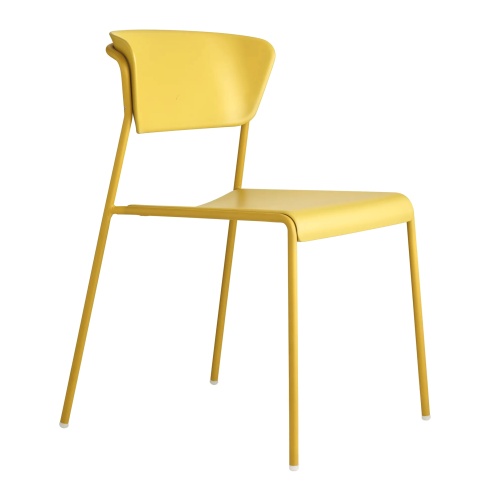 A-2865 Lisa TechStackable technopolymer chair with metal legs
 A-2522 SummerStackable steel chair
 B-2696 Lady BPlastic chair with metal legs
 B-2907 MalvasiaMetal stackable chair with armrests
 B-NetPlastic chair with armrests
 B-Key WestMetal armchair with rope back and seat
 A-2381 HUGPlastic chair with padded seat
 B-2898 BrezzaOutdoor upholstered metal armchair
 B-557 CafeMetal stackable armchair
 B-2502 Si-SiMetal stackable chair with armrests
 B-CassiaPlastic chair with armrests
 H-NetStackable fiberglass resin bar stool
 H-2871 Lisa FiloOutdoor stool in steel and nautical rope
 H-DropAluminium bar stool with polyolefin rope
 H-3658 NolitaMetal stackable bar stool h75
 H-DogaPlastic bar stool
 H-SohoAluminium bar stool with acrylic rope
 H-TrillStackable fiberglass resin bar stool
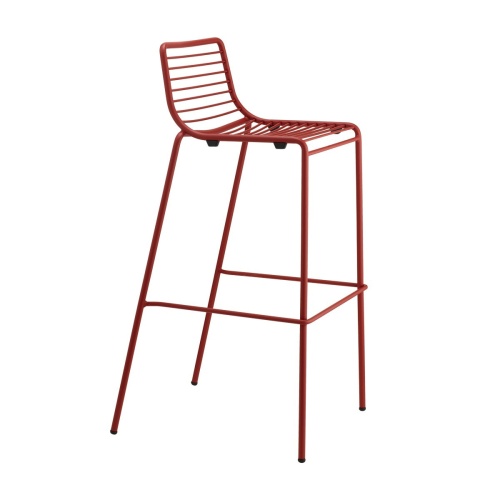 H-2535 SummerSteel garden high stool
 H-VillaMetal stackable bar stool
 H-442 CoupoleMetal stackable bar stool
 H-2867 Lisa TechPlastic bar stool with metal frame
 Eco 2461Folding square table with plastic top 70x70
 Nemo Square 5070Square table with folding HPL top 60-80 cm
 Combo 70Regenerated plastic dining table Ø 70
 Concrete Square 855HPL square table 60-70 cm with concrete base
 Nolo Bar Round 5014Metal bar round table with concrete base
 Fade BarStable bar table with polyethylene shell Ø 60
 Spritz 60Table plastic round Ø 60