Where reclining lounge chairs are used in hospitality
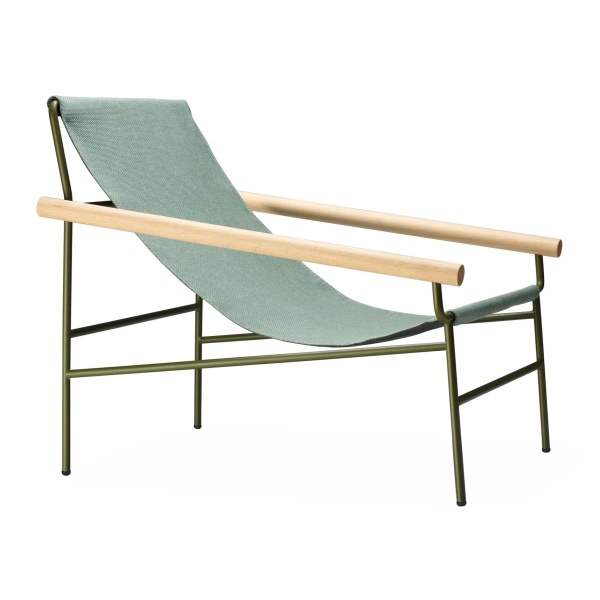
A reclining lounge chair is designed for areas where guests spend anywhere from 30 minutes to several hours. The main commercial use scenarios include:
- Poolside areas in hotels and resort complexes — dense layouts along the pool with the ability to quickly reconfigure for events or cleaning.
- Beach clubs and private beaches — premium service environments where lounge chairs define the visual identity and spatial perception.
- Spa and wellness areas — for relaxation between treatments, where enhanced comfort and adjustable positioning are essential.
- Hotel lounge terraces — used alongside outdoor sofas to create cohesive relaxation zones.
- Conference hotels and resorts — for temporary outdoor setups during events, where fast deployment and compact storage are required.
Materials: what determines durability in demanding environments
Poolside and beach environments are among the most demanding for furniture: chlorinated water, salty air, direct UV exposure for up to 8–10 hours a day, constant movement and contact with wet towels. The material of a reclining lounge chair determines not only its appearance, but also its actual lifespan and maintenance costs.
Aluminium with powder coating or anodising
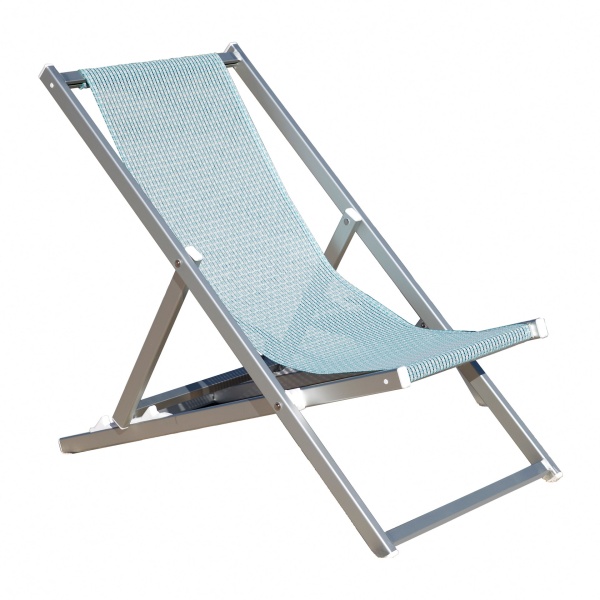
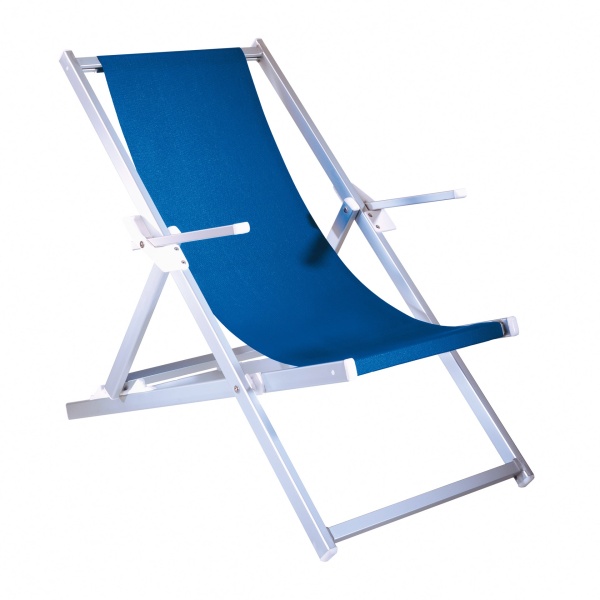
The most common frame material for contract loungers. Anodised aluminium is resistant to chlorinated water and salt mist — corrosion class C4/C5 is suitable for coastal environments. Profiles from 1.8 mm thick withstand loads of up to 150 kg, and quality contract models can last several seasons without significant repairs. Frame weight ranges from 4 to 8 kg depending on size.
Technopolymer and polypropylene
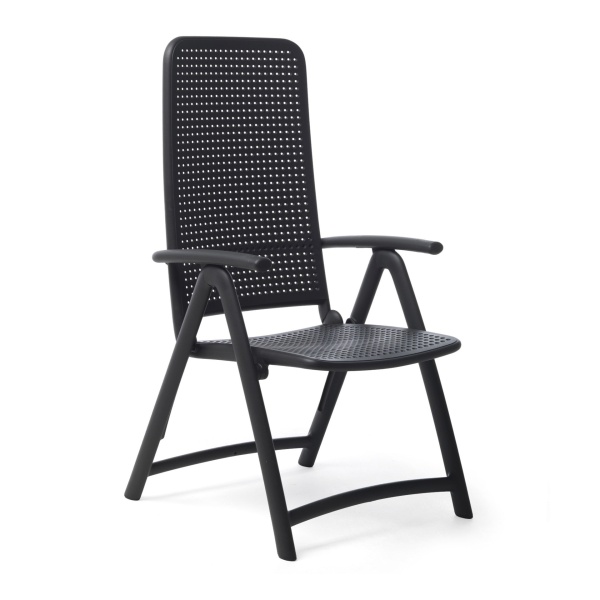
Monobloc or framed models made from impact-resistant technopolymer are an optimal choice for high-traffic environments with simplified maintenance. UV resistance exceeds 2000 hours according to ISO 4892-2 without colour fading. They require no repainting, do not corrode and are easy to stack. Weight ranges from 3.5 to 6 kg.
Textilene and outdoor fabrics
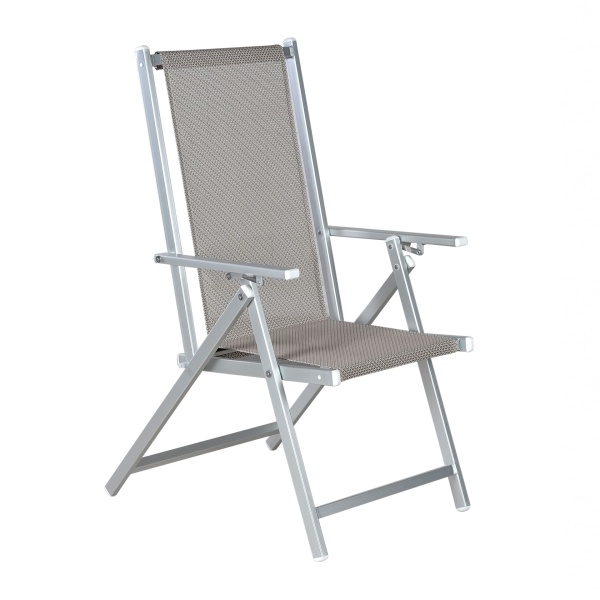
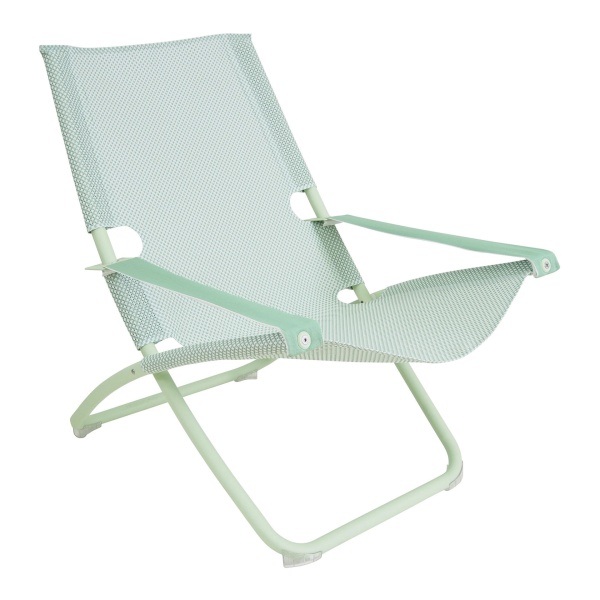
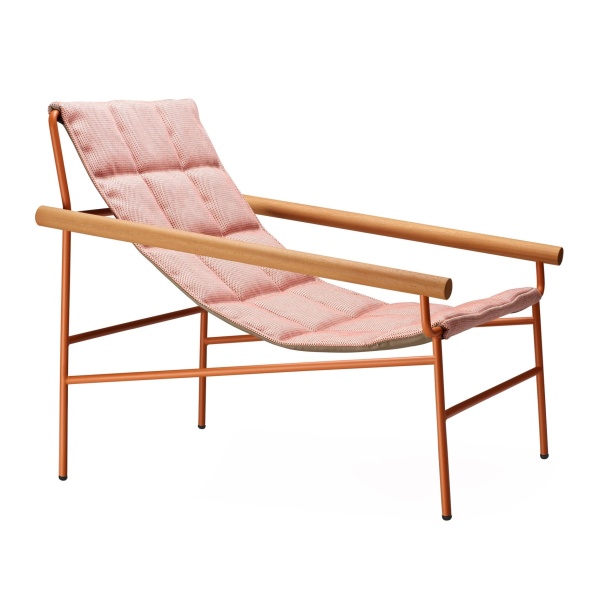
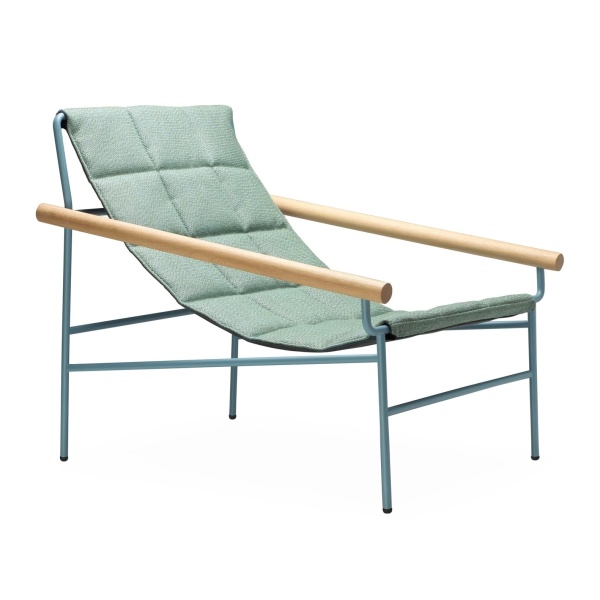
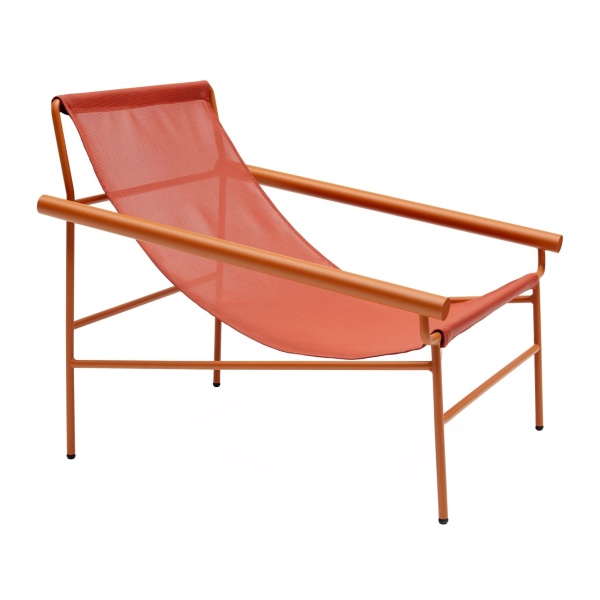
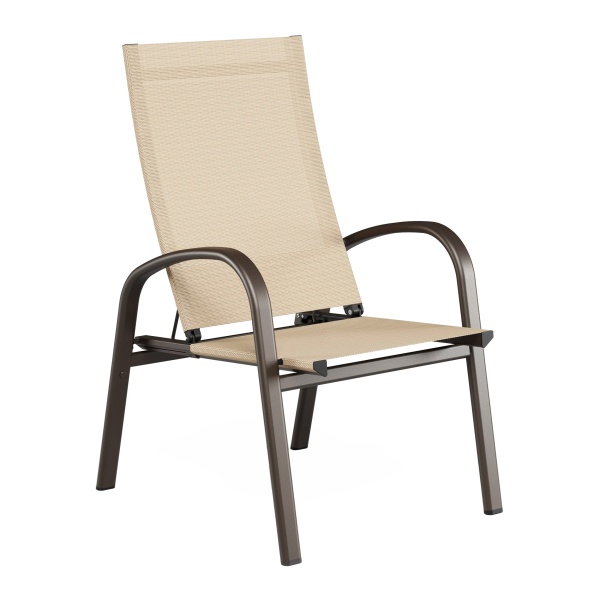
Textilene mesh on an aluminium frame is a classic solution for pool areas: it dries quickly, does not retain water and withstands direct sunlight without deformation. High-quality textilene has a density of 340–500 g/m², UV resistance rated 7–8 on the Xenotest scale and a lifespan of 5+ seasons. For cushions and soft seating, outdoor fabrics treated with Teflon or similar coatings are used — repelling water and preventing mould growth.
Teak and FSC-certified wood
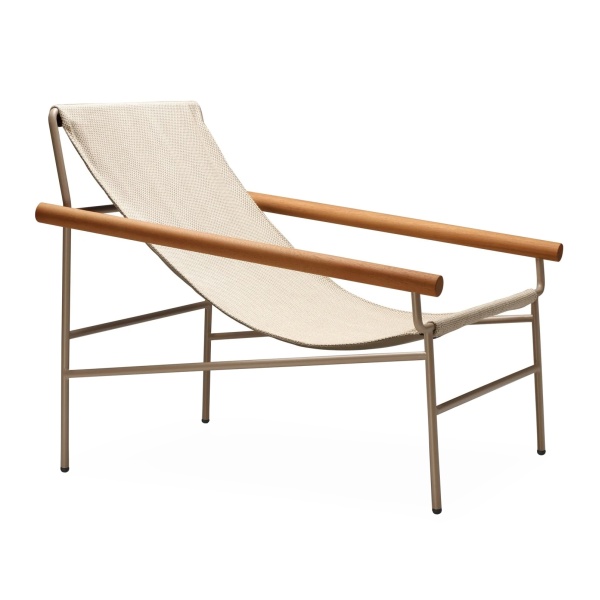
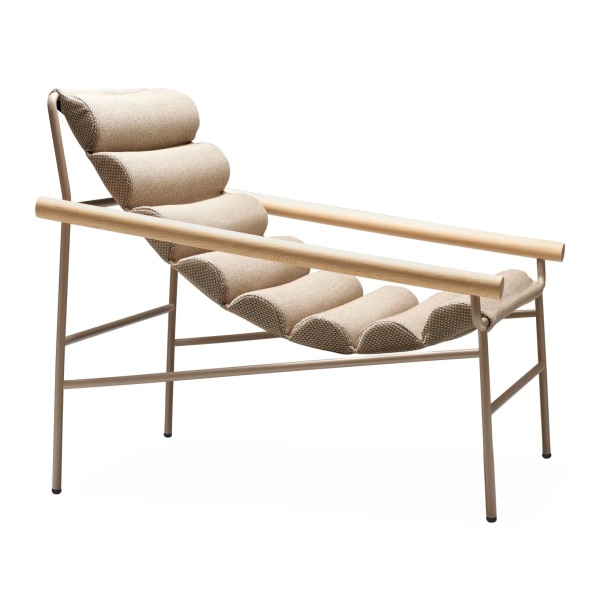
Natural teak or FSC-certified wood is a premium choice for luxury resorts and boutique hotels. Teak contains natural oils that protect against moisture without additional treatment. With proper care, it lasts 10+ years. Typically combined with aluminium or stainless steel fixings (AISI 316) for coastal applications.
Stacking and storage: operational logic of pool areas
For hotels and resort complexes, stacking loungers is not just a convenience but an operational necessity. Daily cleaning, seasonal storage and reconfiguration for events all require compact stacking without damaging the structure.
Most contract reclining lounge chairs can be stacked in piles of 6–10 units. When selecting a model, it is important to check for protective pads at contact points, stack stability during transport and the minimum height of the stacked units — all of which determine how much storage space is required off-season. For large pool areas with 50+ seats, efficient stacking can save up to 30 m² of storage space.
Adjustable backrest: positions and usage scenarios
Most contract reclining lounge chairs feature 3–5 fixed backrest positions — from nearly upright (for reading or service) to fully reclined (for resting or sunbathing). Some models offer stepless adjustment via a gas mechanism — more convenient for guests, but more expensive to maintain under heavy use.
For premium pool environments, seat height is also important: the standard is 35–42 cm from ground level, allowing guests to stand up comfortably without assistance. In beach clubs with low service tables, the optimal height is 30–35 cm.
Zone configuration: how reclining lounge chairs fit into the system
Reclining lounge chairs are rarely used in isolation. In professional pool and beach environments, they form part of a comprehensive solution that defines the relaxation experience.
A typical layout includes lounge chairs or sun loungers arranged in rows or groups, with low service tables between them for drinks and towels. Overhead, shade solutions are often added, while lounge areas are complemented by outdoor sofas and lounge chairs.
This system allows the space to be segmented by type of use — active seating, lounge areas, premium zones — and enables operators to manage the revenue performance of each segment independently. A full range of solutions for outdoor environments is available in the outdoor furniture category, while terrace-focused setups can be explored in the terrace furniture section.
Pool area economics: how loungers impact profitability
In resort hotels, the pool area is a key driver of RevPASH and additional F&B revenue. Comfortable loungers increase the average dwell time of guests, which directly correlates with spending on drinks and snacks. According to resort operators, a well-designed pool area can increase F&B revenue by 15–25% compared to minimally equipped spaces.
Durable construction reduces operating costs: a high-quality aluminium lounger can last 5–7 seasons without repair, while budget models may require replacement after just 1–2 seasons. When calculated per seat per season, contract-grade solutions are 40–60% more cost-efficient.