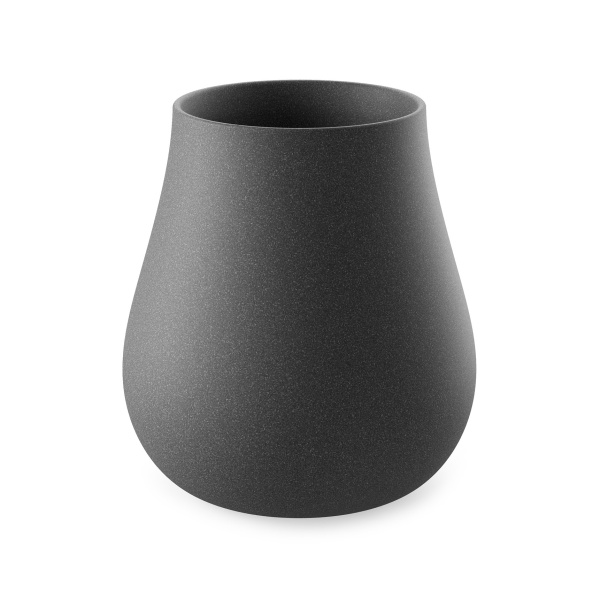
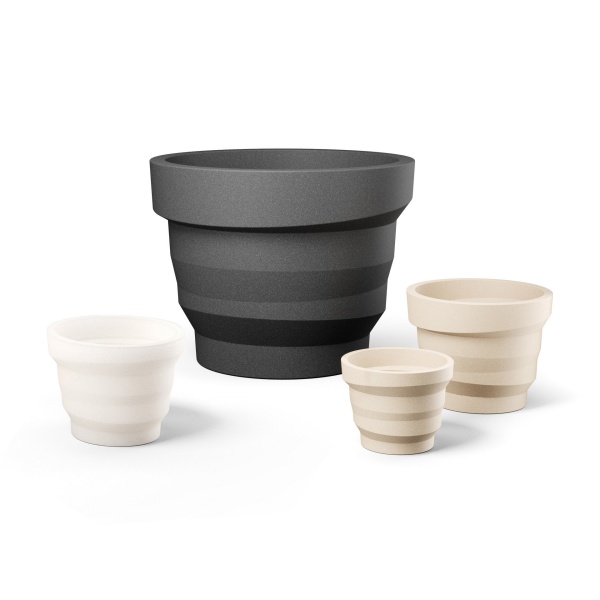
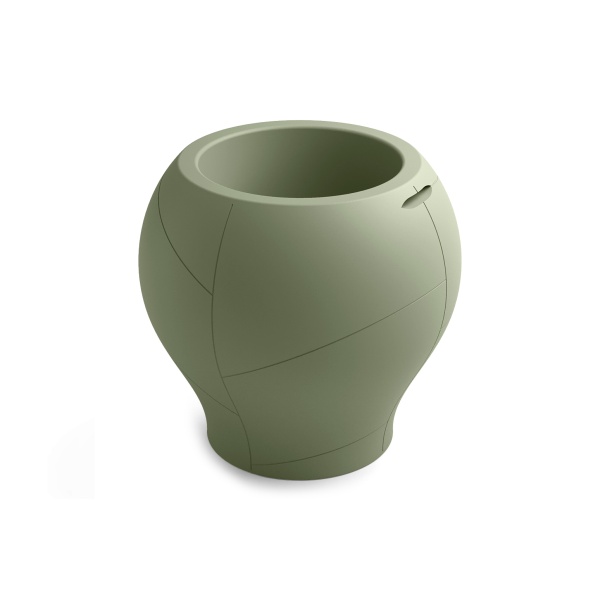
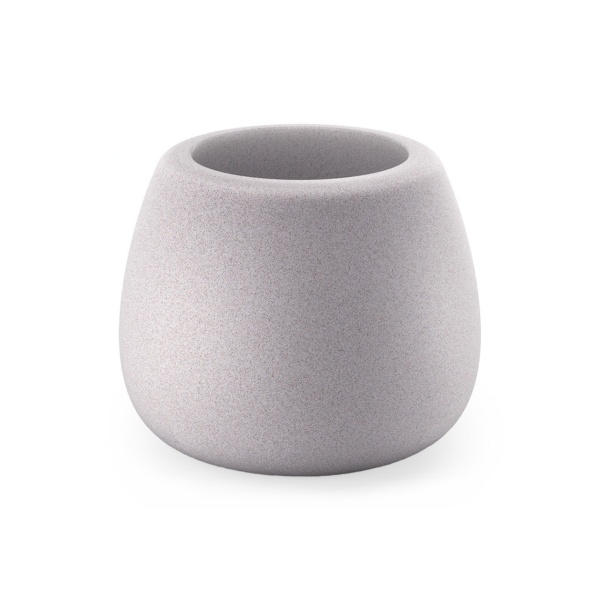
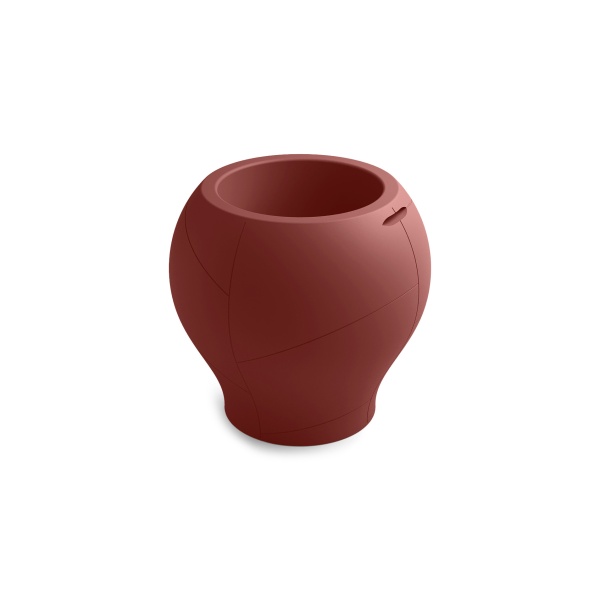
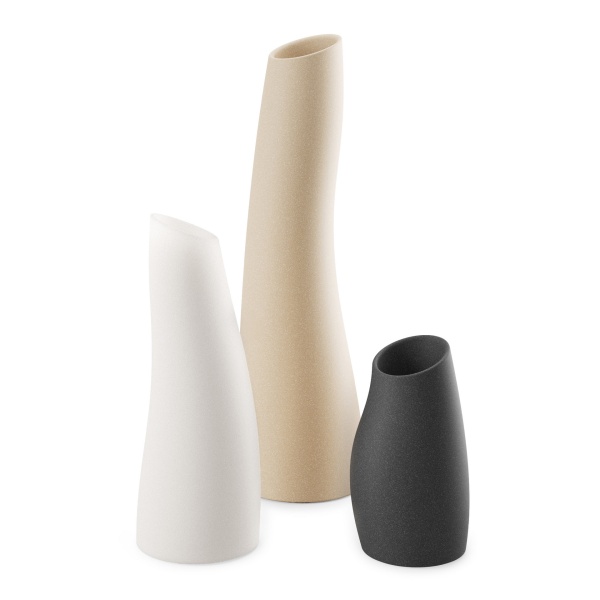
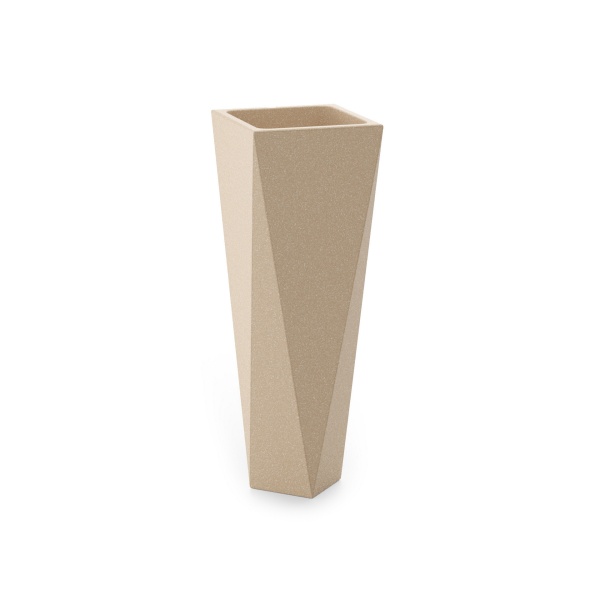
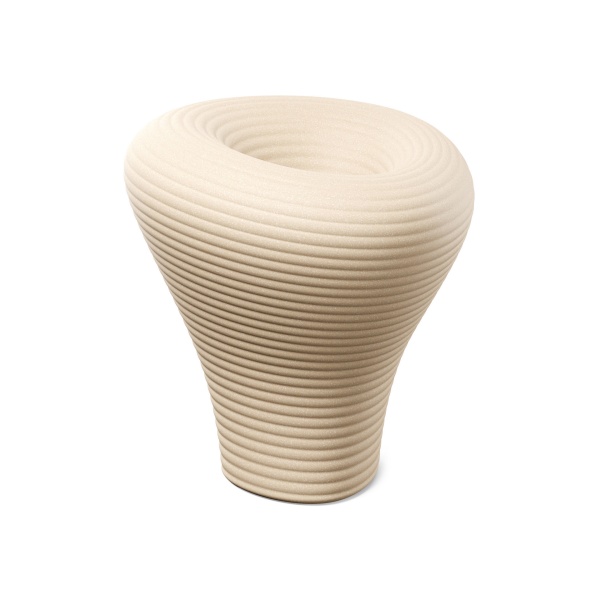
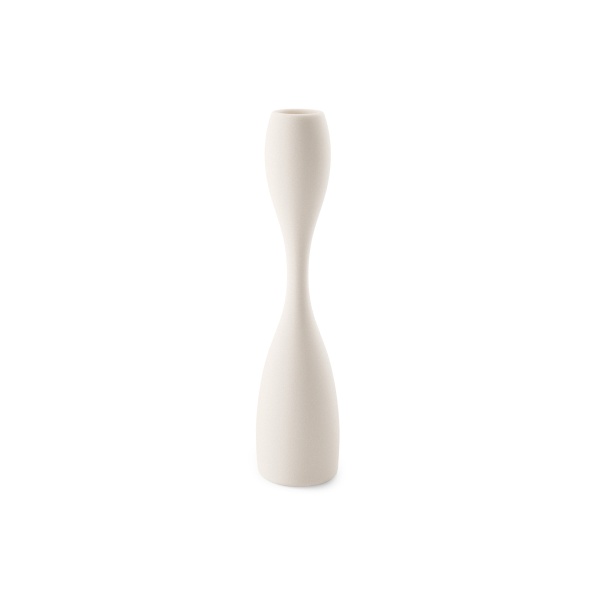
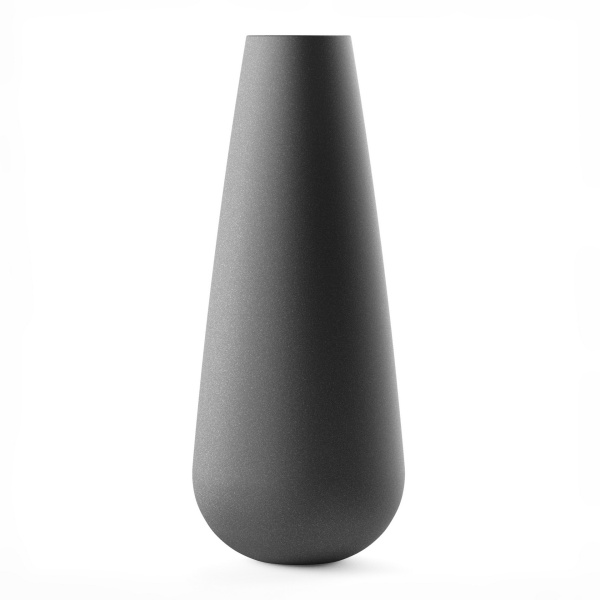
How pots & vases are used on terraces
The main purpose of professional planting is not simply to add greenery, but to help organise the space. Large planters can define boundaries between seating and circulation areas, guide guest movement and create visually separated zones without permanent partitions.
In restaurants and cafés, pots can be used to zone terraces, create privacy between tables or separate outdoor seating from the street. In hotels and resort spaces, they help connect the architecture with the landscape and create a coherent outdoor concept.
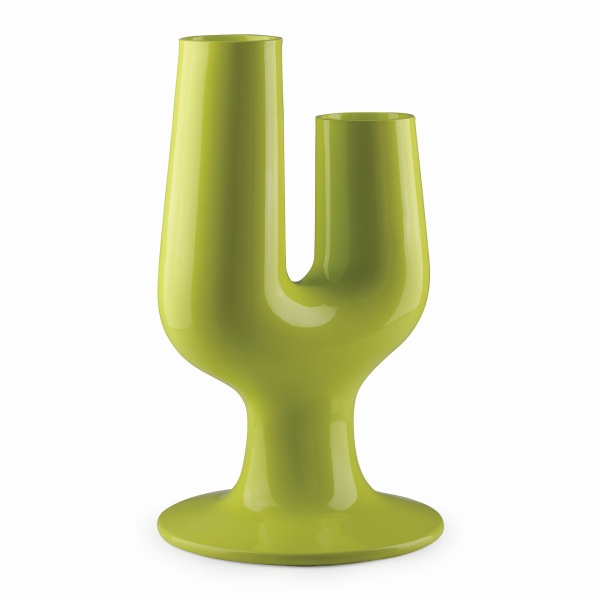
Smaller vases and pots are suitable where local planting is required without changing the overall layout. They can be placed alongside seating groups, lounge areas, entrances or other functional points within the space.
In a professional project, a planter should not be treated simply as a decorative object. It is part of the terrace layout and should perform a specific function without obstructing circulation or making maintenance more difficult.
Terrace planters: choosing the right format
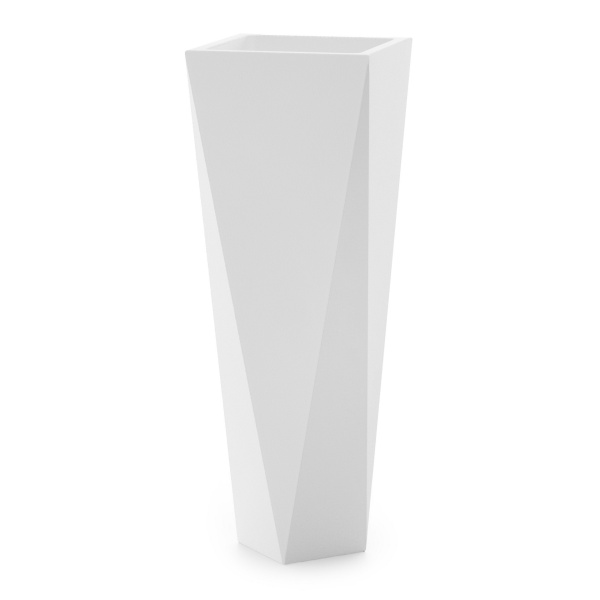
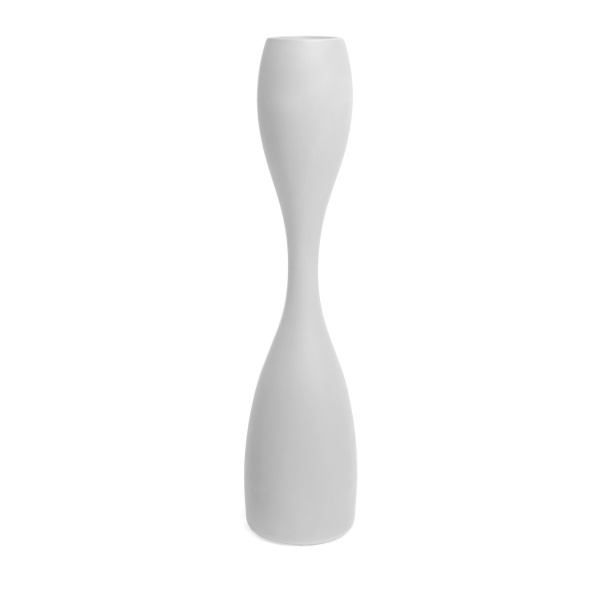
Large floor-standing planters are suitable for zoning larger terraces, entrances and areas with high guest traffic. They can work as visual boundaries between different parts of an outdoor space. Their dimensions and weight should be considered carefully, particularly if they need to be moved.
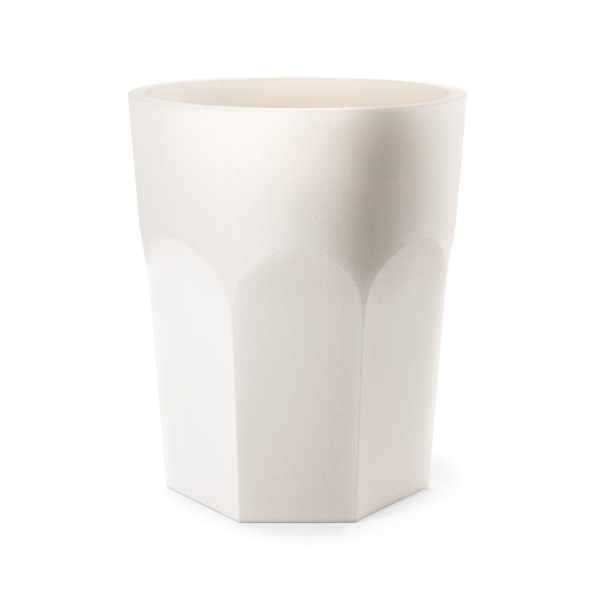
Medium-sized pots are more versatile for restaurant and café terraces. They can be positioned next to seating groups, against walls or as part of individual planting compositions without placing excessive visual or physical demands on the layout.
Compact pots and vases are used for local planting. They are suitable for smaller terraces and areas where maintaining maximum circulation width is important.
The size of a planter should be matched not only to the terrace area, but also to the size of the plant, the height of the planting composition and the space required for maintenance. An oversized planter can visually overwhelm a small terrace, while a very small one may disappear within a large outdoor space.
Materials for outdoor pots and vases
Technopolymer and polypropylene allow lightweight planters with a wide range of shapes to be produced. They are practical where staff need to change the configuration of an outdoor area regularly. For each model, suitability for outdoor use and the manufacturer's recommendations should be checked.
Ceramic provides a natural texture and can work well in projects with a corresponding design concept. For outdoor terraces, however, weight, operating conditions and the manufacturer's recommendations regarding weather exposure should be considered.
Metal is used in contemporary outdoor concepts where clean geometry and a strong architectural character are important. For outdoor use, the type of metal, protective finish and maintenance requirements should be checked.
Composite and other specialised materials can combine low weight, dimensional stability and a wide range of shapes. Their actual performance should be assessed according to the technical specifications of the particular product.
| Material | Practical advantages | What to check | Typical applications |
|---|
| Technopolymer / polypropylene | Low weight, wide range of shapes, easy maintenance | Outdoor suitability, UV resistance, drainage and care requirements | Café, restaurant and hotel terraces |
| Ceramic | Natural texture, decorative character, distinctive appearance | Weight, outdoor suitability and maintenance requirements | Restaurants, hotels and premium outdoor areas |
| Metal | Clean geometry, architectural character | Type of metal, protective coating and moisture resistance | Contemporary terraces and architectural outdoor spaces |
| Composite materials | Wide range of shapes, potential for optimised weight | Material composition, outdoor suitability and manufacturer's recommendations | Hotels, resorts and restaurant terraces |
Using planters to zone a terrace
One of the main functions of large planters in HoReCa is zoning without permanent structures. A row of pots can separate tables from circulation routes, divide a terrace from the street or distinguish a lounge area from the main seating zone.
Unlike a fixed partition, movable planters allow the layout to be changed according to the season, occupancy and service scenario. However, mobility is useful only when the weight and construction allow staff to move the planter safely.
When planning the layout, sufficient circulation width should be maintained and planters should not obstruct evacuation or service routes. Specific requirements depend on the individual site and applicable regulations.
Plants and maintenance in commercial spaces
The choice of planter is closely linked to the choice of plant. The required soil volume, root system, drainage, watering frequency and staff access for maintenance should all be considered.
For outdoor areas, controlled drainage is also important. Excess water should not accumulate inside the planter or run onto the terrace surface in a way that creates slippery areas or damages the flooring.
In hotels and restaurants, plant maintenance should fit into the venue's operating schedule. If plants require regular watering, pruning or seasonal replacement, these operations should be considered at the planning stage.
Positioning planters around tables and circulation routes
Keep main circulation routes clear. Planters should not become obstacles for guests, waiters or service trolleys.
Consider visibility. Tall plants can provide privacy, but should not block views across the venue, signage or staff visibility of the seating area.
Keep equipment accessible. Pots should not obstruct doors, technical access points, lighting systems or other elements requiring regular staff access.
Allow for maintenance. Sufficient space should remain around each planter for watering, cleaning and removal of plant material.
What to check before buying pots and vases for a terrace
- Outdoor suitability. Check that the manufacturer specifically allows the model to be used outdoors.
- Size. Match the dimensions of the planter to the plant, terrace area and required circulation width.
- Stability. Consider the height of the plant, centre of gravity and conditions at the specific location.
- Drainage. Check how excess water is removed and how the terrace surface is protected.
- Material. Check its performance under sunlight, moisture, temperature changes and regular cleaning.
- Mobility. For seasonal terraces, consider the weight, handling and transport requirements.
- Maintenance. Check the manufacturer's cleaning and care recommendations.
- Repeatability. For multi-site projects, record the model, colour and size to facilitate future repeat orders.
Pots & vases as part of the terrace concept
Professional planting works best when planters are integrated into the overall concept of the space. Their shape, colour and scale should complement the architecture and work together with outdoor furniture, textiles, parasols and other outdoor elements.
For restaurant and hotel projects, repeatability is also important. Where a terrace is part of a chain, using the same planters and planting compositions can help maintain a consistent visual system across different locations.
Pots and vases for terraces are selected for cafés, restaurants, hotels and resorts according to the outdoor format, plant type, material, operating conditions, mobility requirements and overall design concept.