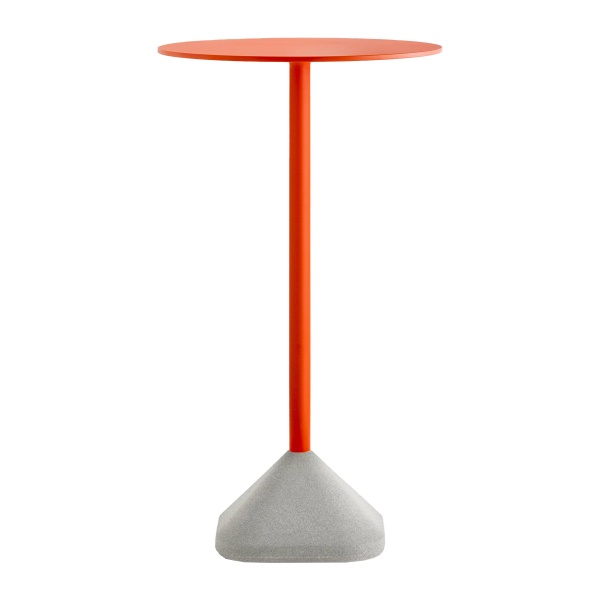
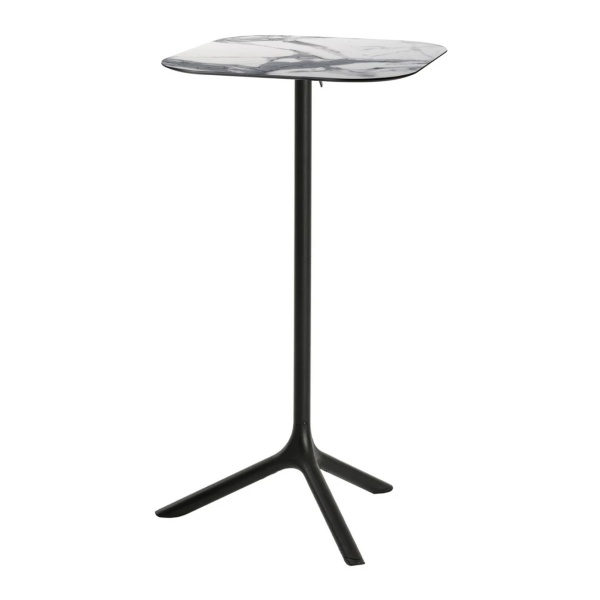
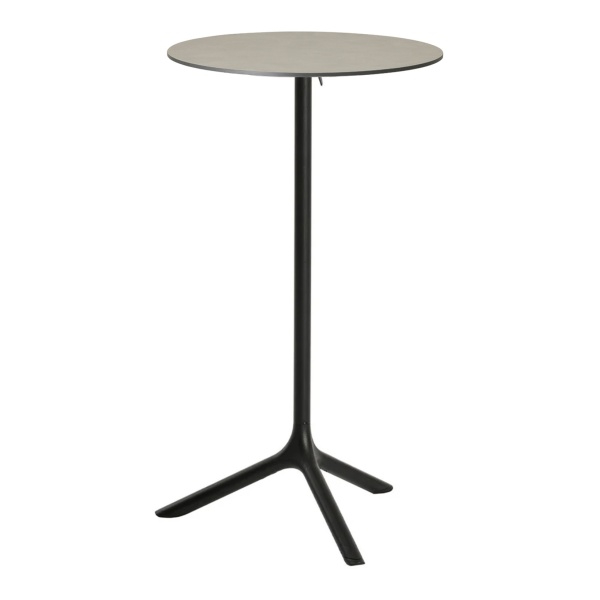
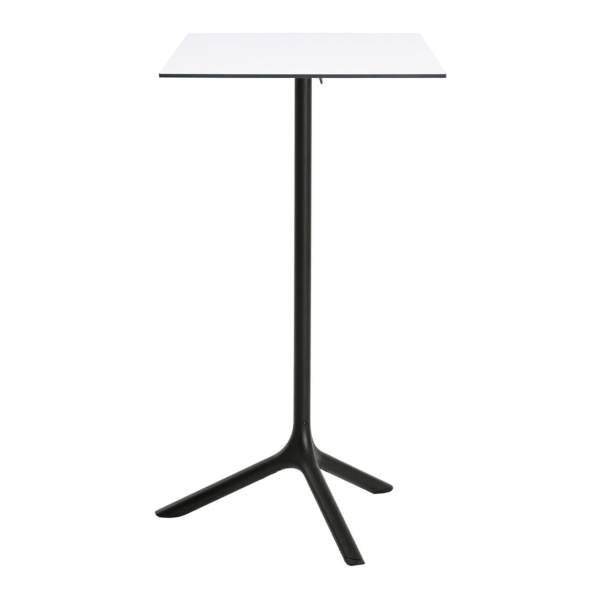
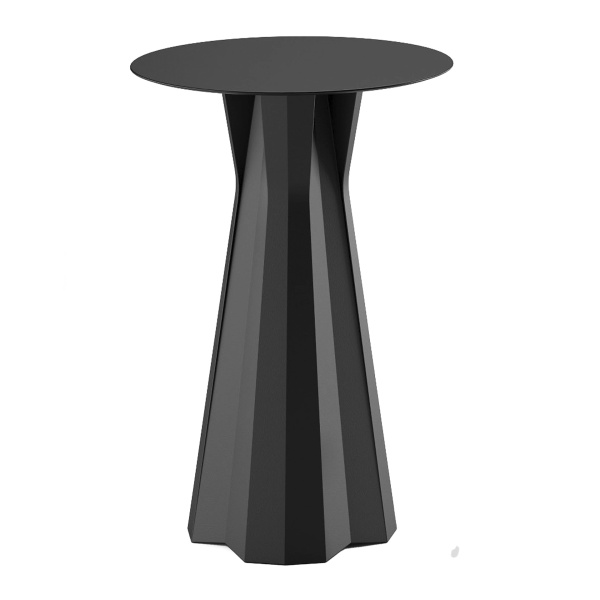
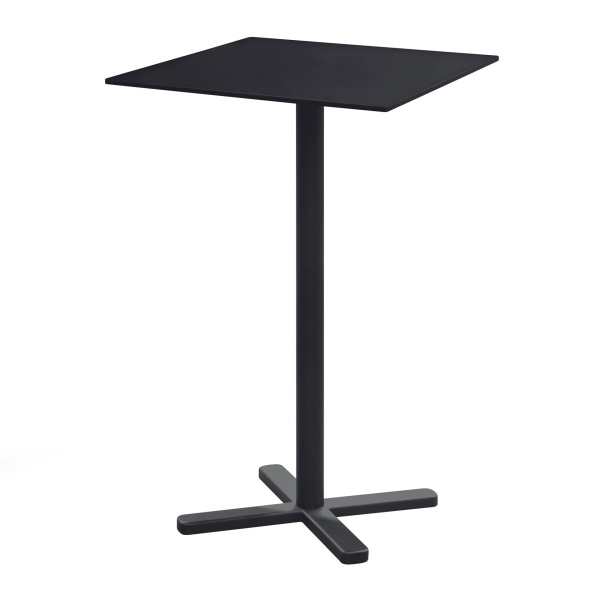
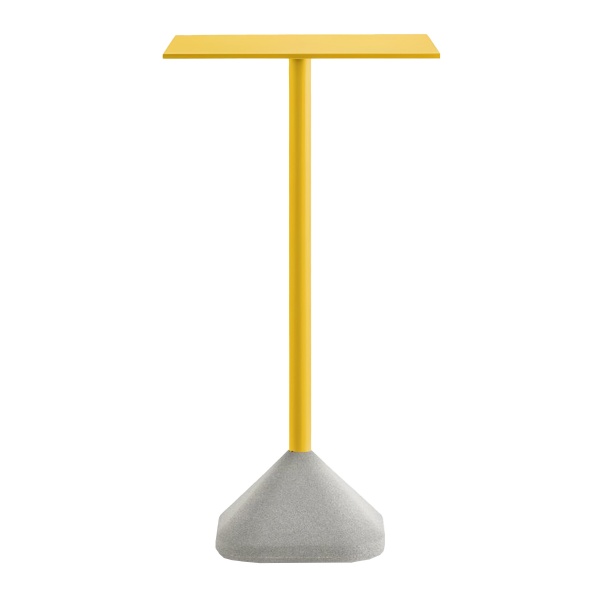
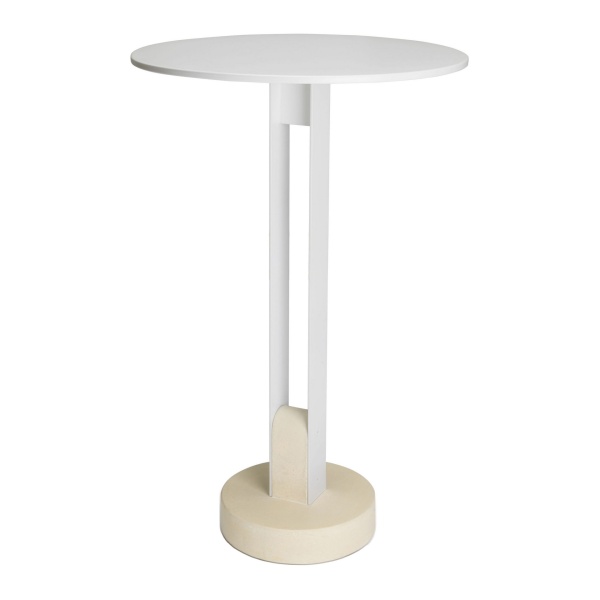
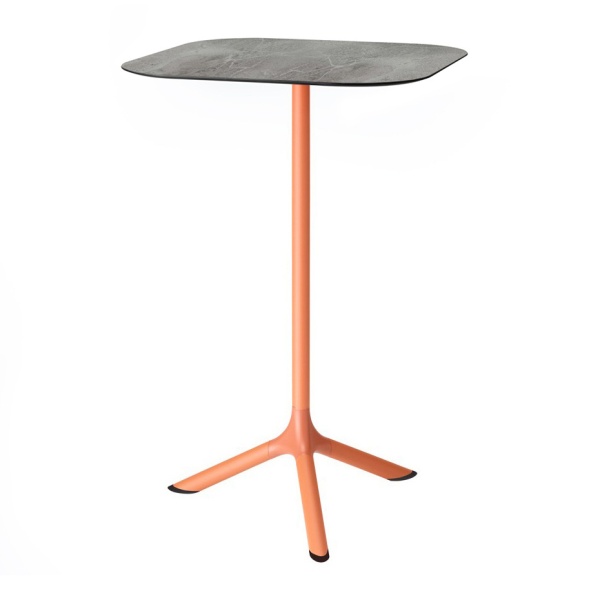
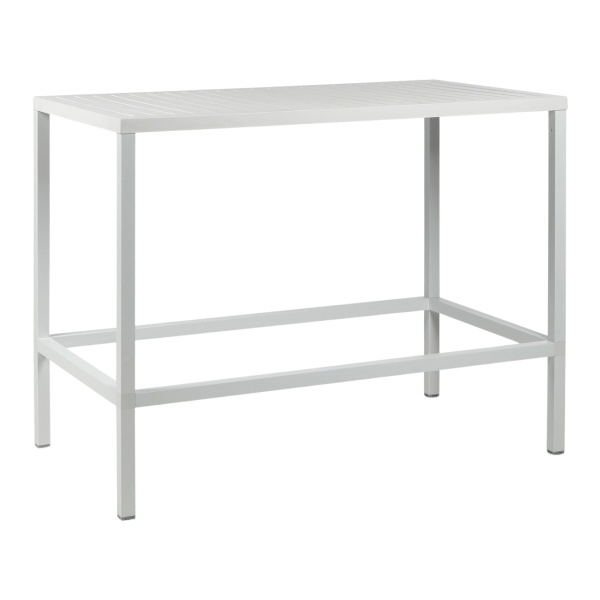
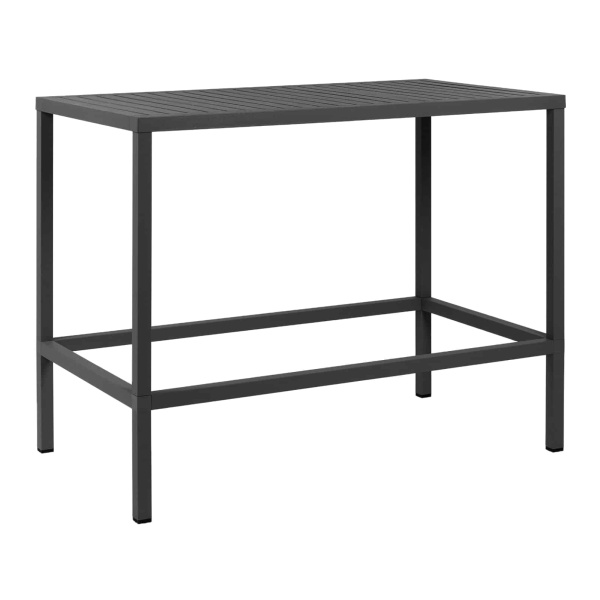
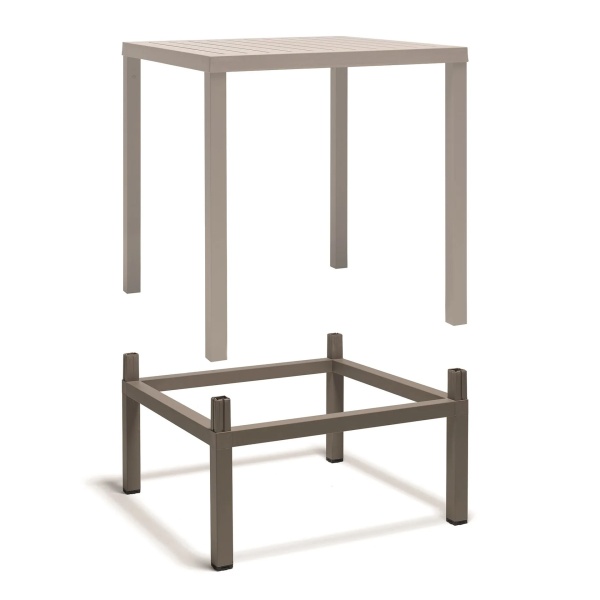
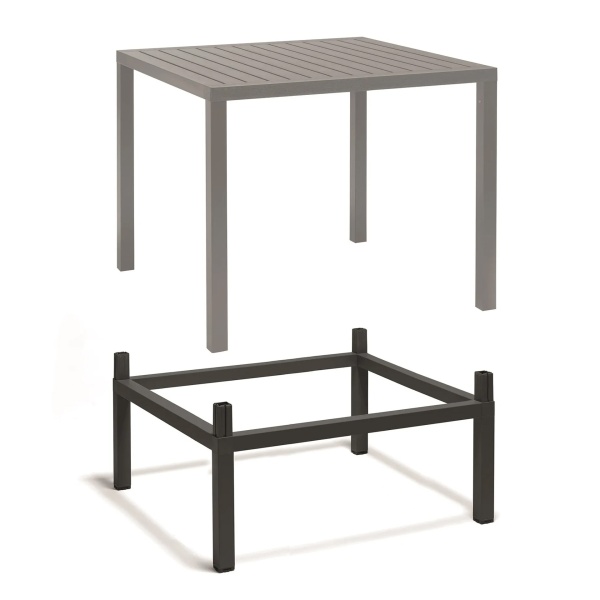
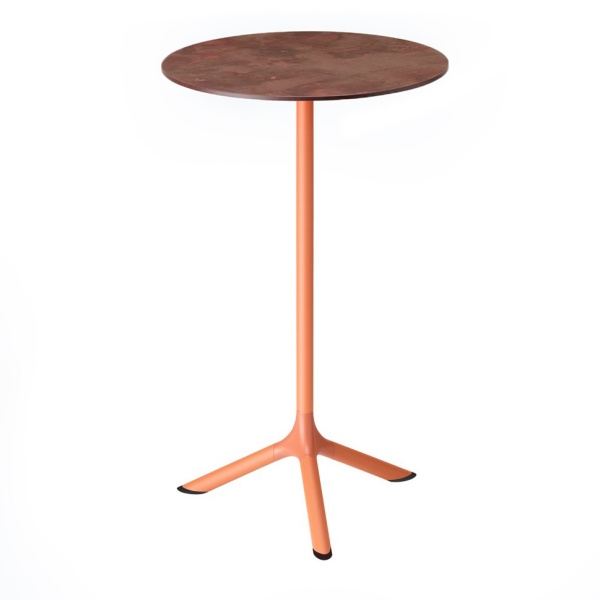
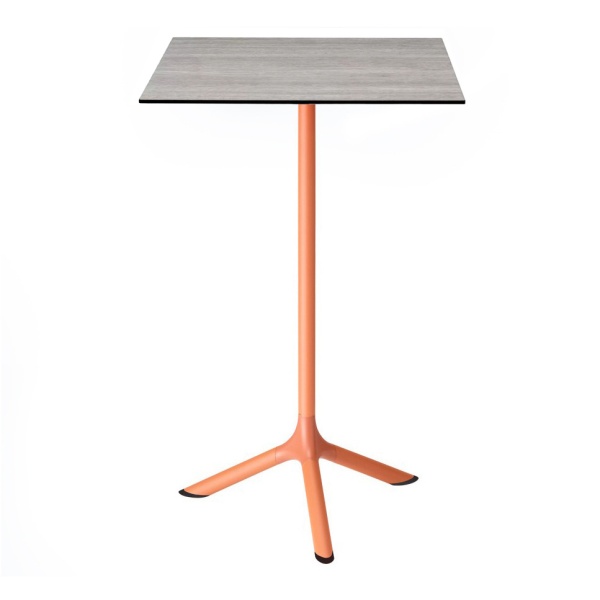
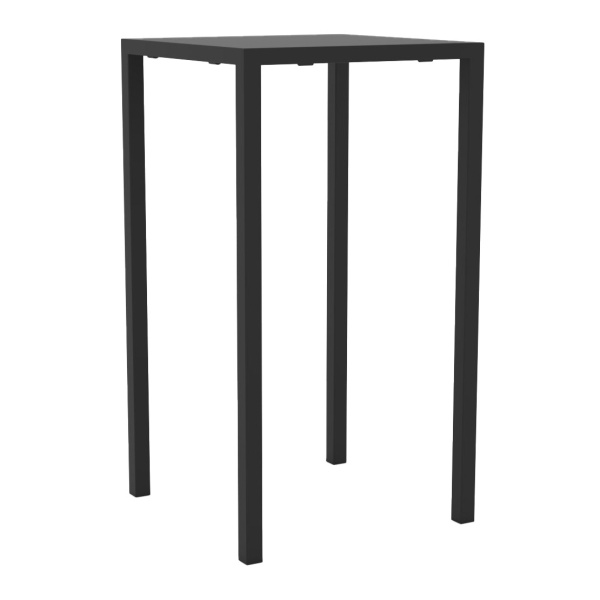
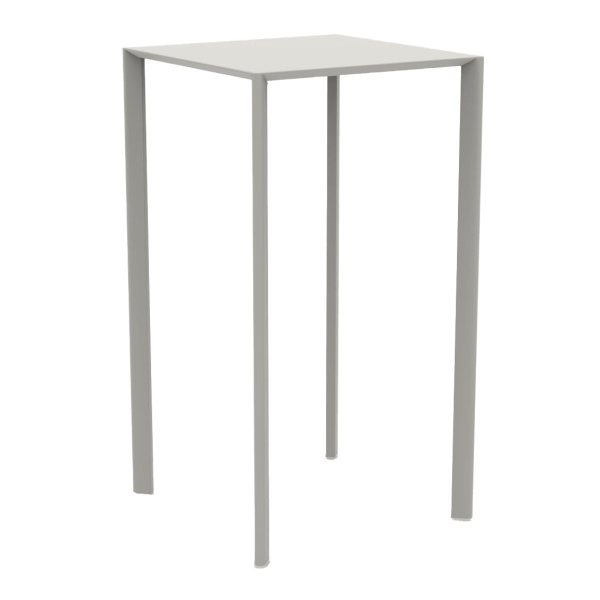
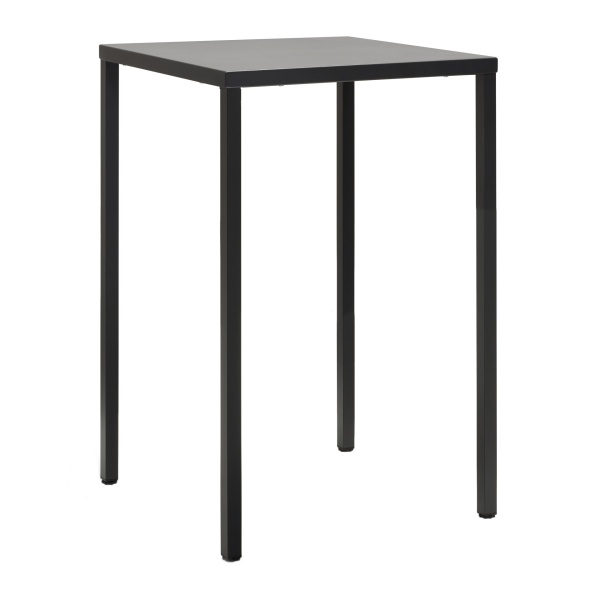
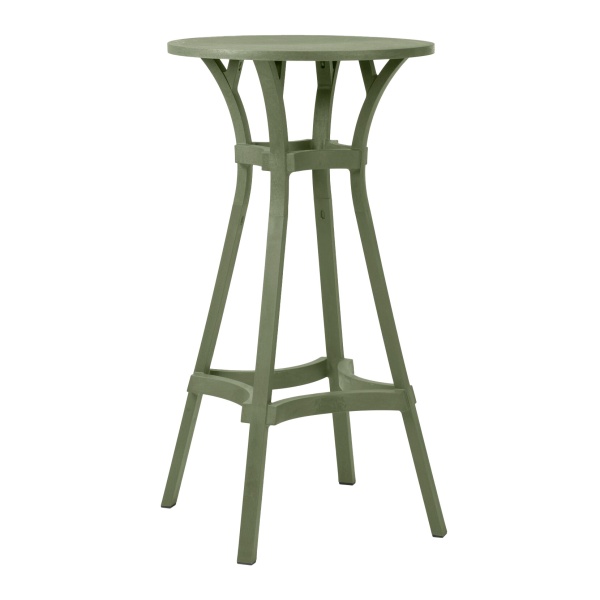
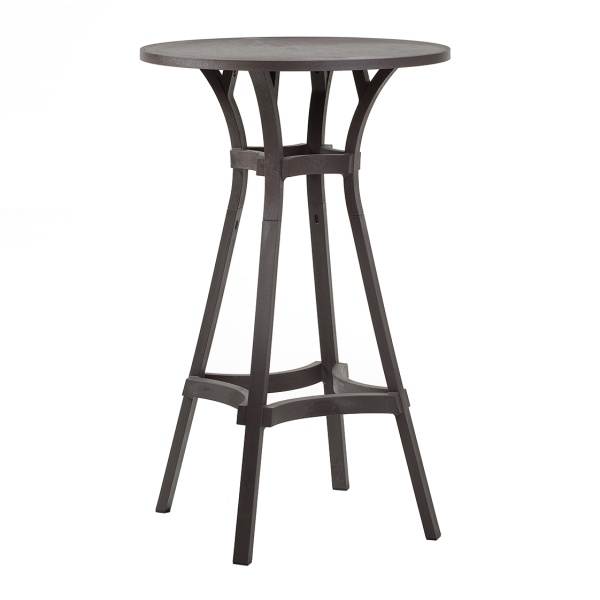
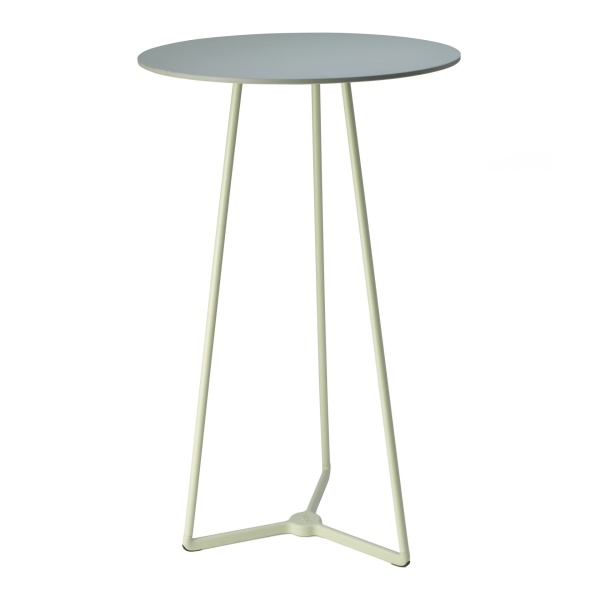
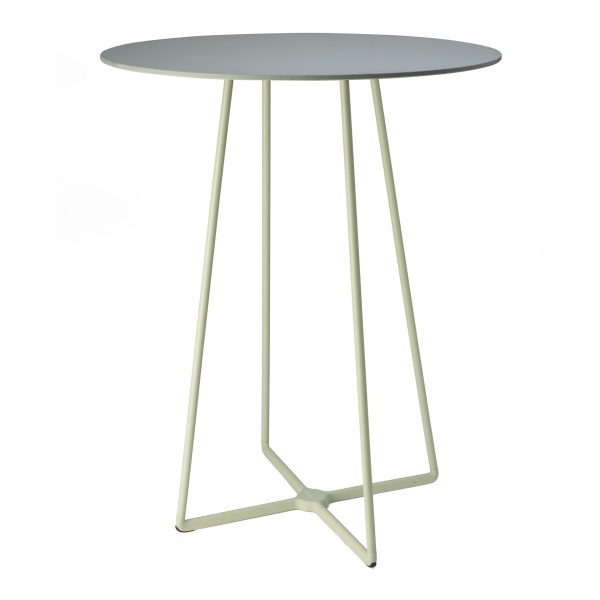
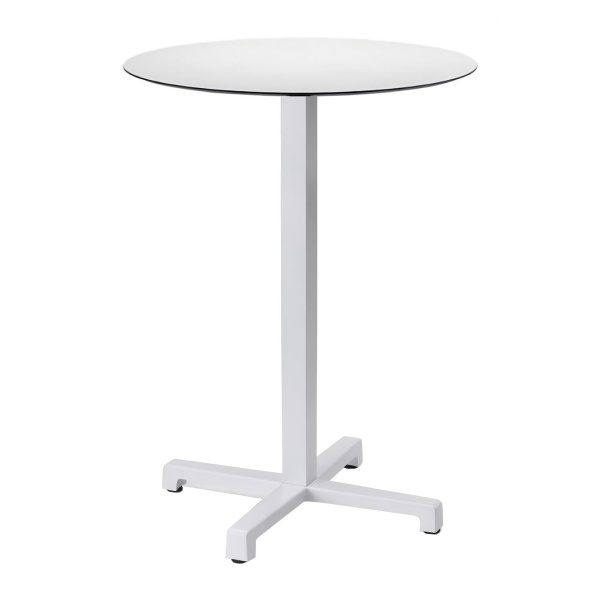
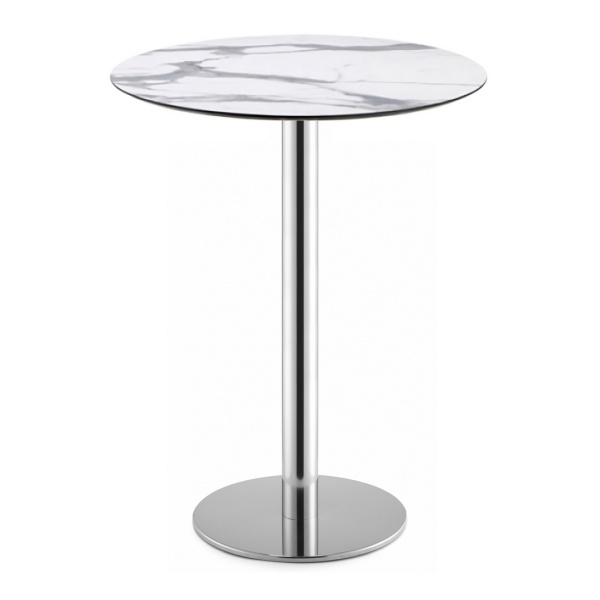
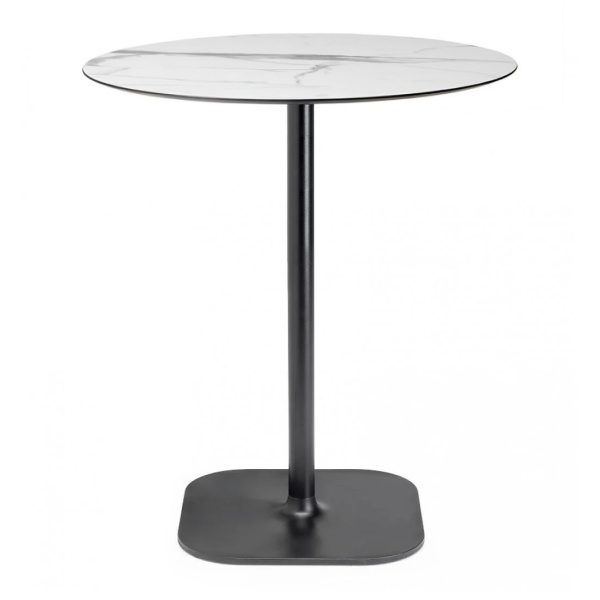
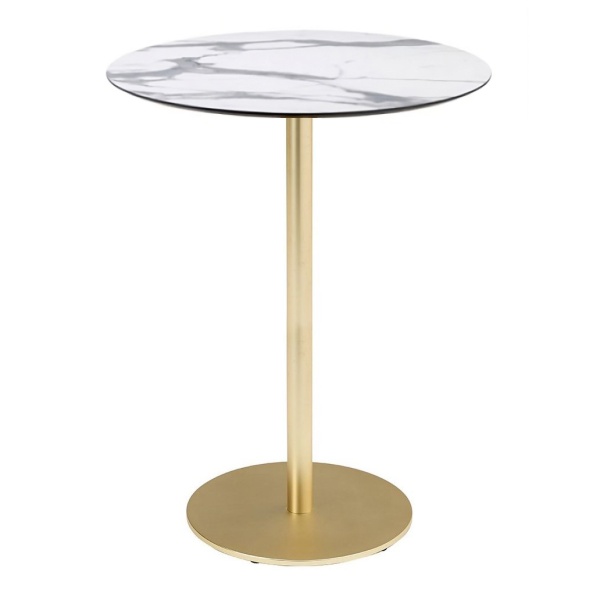
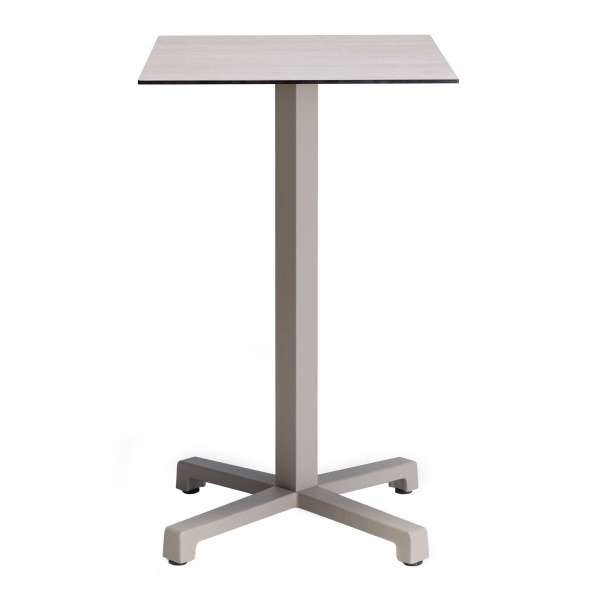
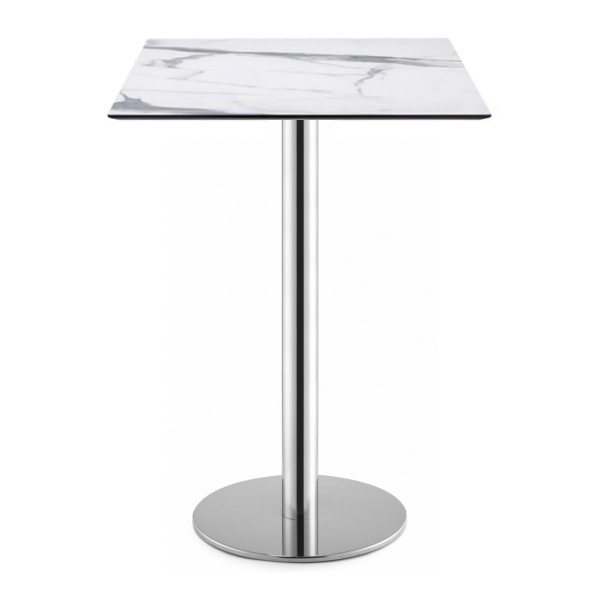
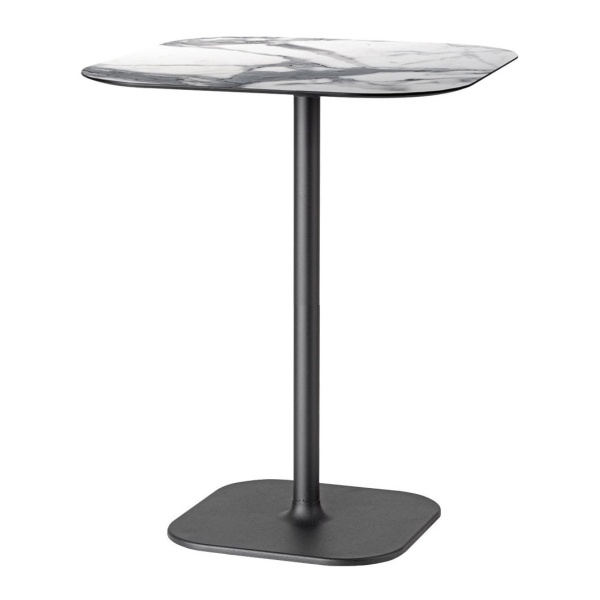
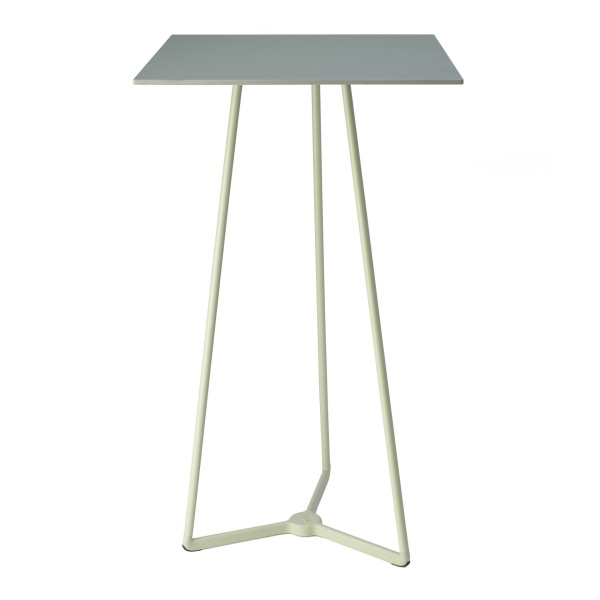
High bar tables for hospitality are professional furniture solutions for cafés, bars and restaurants where seating is organised in a vertical or semi-standing format. Within the structure of restaurant furniture, they shape spatial dynamics, increase turnover and create fast interaction scenarios without overcrowding the space.
Unlike dining tables, bar tables are designed for shorter visits, active guest movement and high turnover. They are used around bar areas, in standing formats or as additional seating during peak hours.
In professional hospitality projects, high bar tables are selected together with bar stools to ensure correct seating geometry, guest comfort and reliable performance under daily use.
The role of bar tables in hospitality spaces
Bar tables function differently from traditional seating tables. They increase seating capacity without overloading the space, support faster turnover and create a more informal atmosphere.
In cafés and restaurants, they are used in waiting areas, quick seating zones or cocktail scenarios. In bars, they form the core spatial structure, where guests interact not only with the table but also with the bar counter, staff and surrounding environment.
What high bar tables are combined with
A bar table does not function as a standalone item. In professional projects, it is always part of a seating system.
The primary combination is with bar stools, ensuring correct height, proportions and guest comfort.
In mixed layouts, bar tables are combined with restaurant chairs and upholstered furniture, creating both fast-turnover and longer-stay zones within the same space.
For custom solutions, table bases and table tops are selected separately based on durability, shape and compatibility.
When bar tables are the optimal solution
Bar tables are most effective in projects where flexibility and high turnover are key:
— high-traffic bar areas;
— cafés and bistros with fast guest rotation;
— compact spaces requiring visual lightness;
— mixed seating formats (standing + seating).
In these scenarios, they optimise floor space and allow flexible adaptation to different operational needs.
Commercial use and durability
In hospitality environments, bar tables are considered part of operational efficiency. They must withstand daily use, frequent movement, contact with drinks and maintain stability over time.
This is why professional projects rely on complete solutions, where proportions, balance and usage scenarios are already engineered, rather than random combinations of components.
Space economics
A bar table is a tool for managing guest flow. It increases seating capacity, improves turnover and makes the space more flexible.
When balanced correctly with other furniture formats, it helps optimise operations without compromising comfort or service quality.
In hospitality projects, high bar tables are not just furniture, but a tool that influences service speed, guest behaviour and financial performance.