


 Outdoor Chairs
View category
Terrace furniture
Terrace furniture is a complete solution for restaurants and cafés where outdoor space functions as a fully integrated part of the business. Such furniture must withstand sun exposure, moisture and daily commercial use while maintaining structural stability and visual appearance throughout the season. Properly selected tables, chairs and lounge areas make it possible to organise seating efficiently and increase the commercial potential of the terrace.
Outdoor Chairs
View category
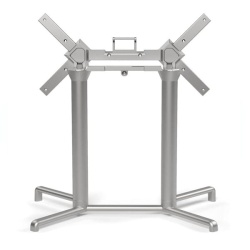
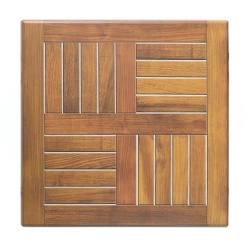
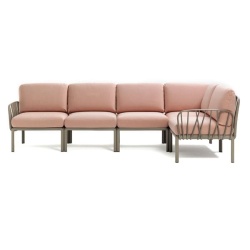
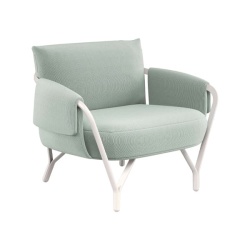

Browse by Brand



Curated Selection
 B-557 CafeMetal stackable armchair
WSP: £169
RRP: £188
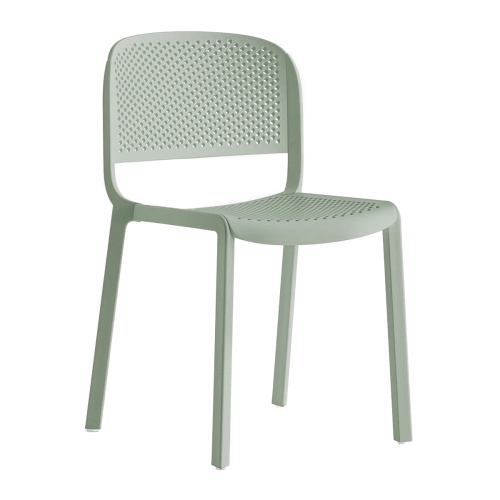 A-261 DomePerforated plastic stackable chair
WSP: £76
RRP: £84
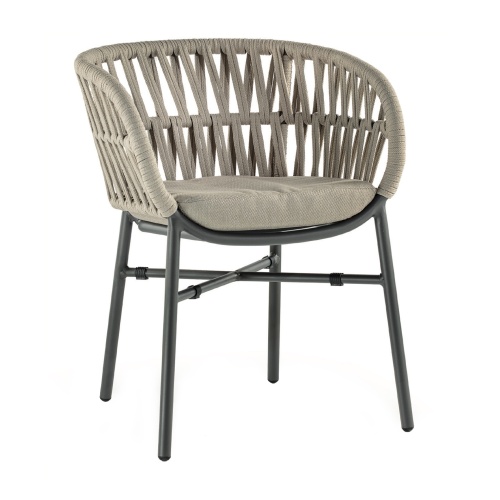 B-DropAluminium armchair with polyolefin rope
WSP: £249
RRP: £276
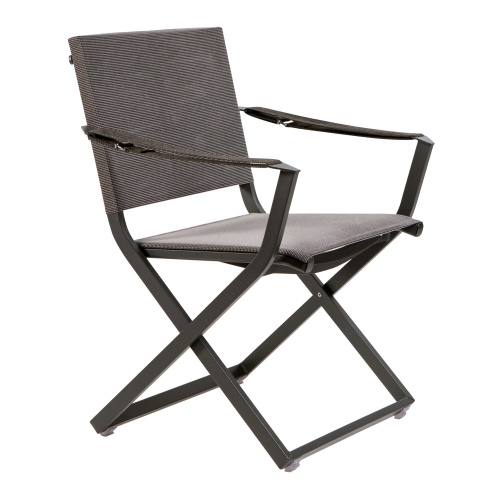 B-FelliniAluminum folding director's chair
WSP: £341
RRP: £379
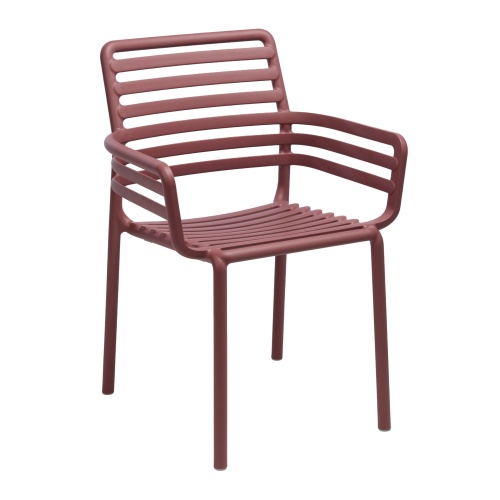 B-DogaPlastic chair with armrests
WSP: £73
RRP: £79
 A-2508 Si-Si BarcodeOutdoor metal chair
WSP: £126
RRP: £140
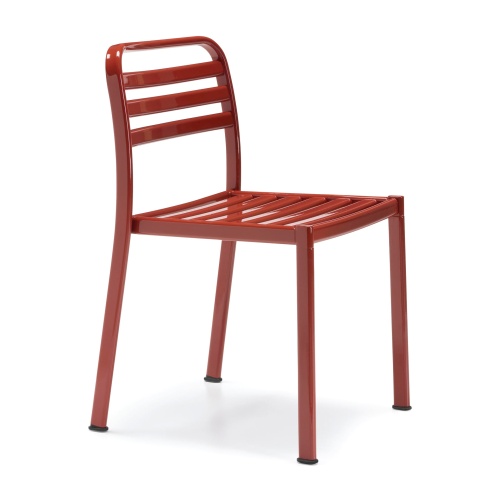 A-Reil TubesMetal slatted chair
WSP: £158
RRP: £176
 B-2907 MalvasiaMetal stackable chair with armrests
WSP: £147
RRP: £163
 B-VillaArmchair metal stackable
WSP: £147
RRP: £163
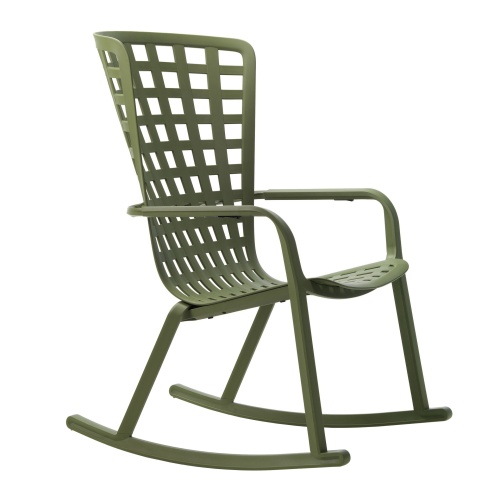 M-Folio RockingPlastic garden rocking armchair
WSP: £163
RRP: £181
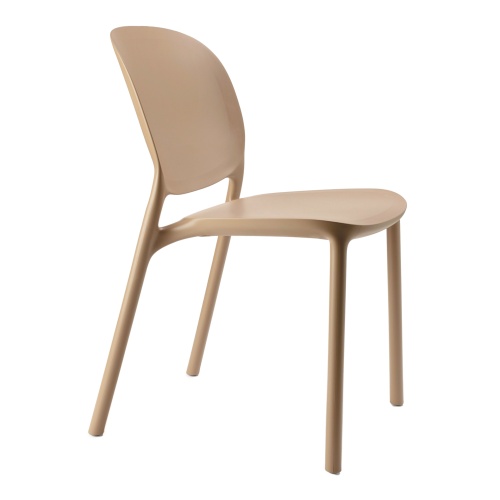 A-2380 HUGOutdoor post consumer technopolymer chair
WSP: £63
RRP: £70
 A-2522 SummerStackable steel chair
WSP: £90
RRP: £100
 H-2871 Lisa FiloOutdoor stool in steel and nautical rope
WSP: £280
RRP: £312
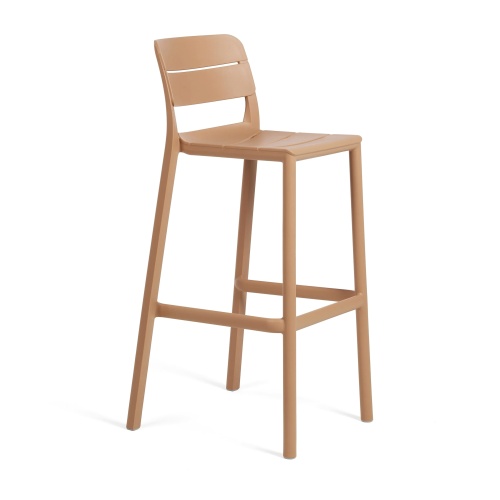 H-CassiaStackable fiberglass resin bar stool
WSP: £77
RRP: £83
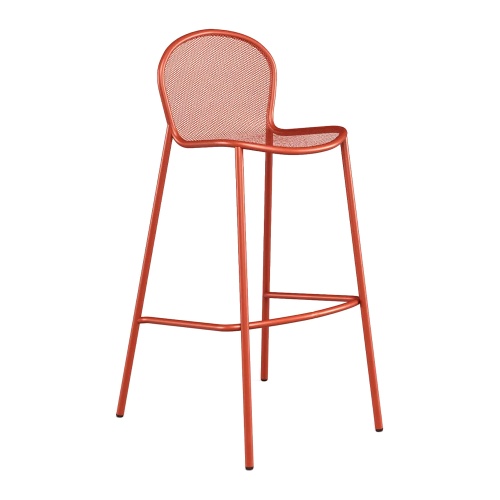 H-459 Ronda XMetal stackable bar stool
WSP: £177
RRP: £197
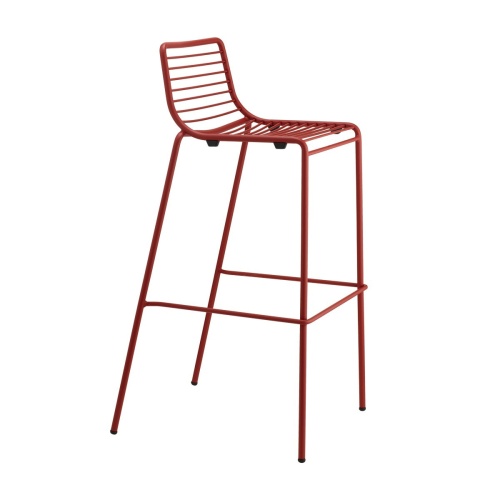 H-2535 SummerSteel garden high stool
WSP: £112
RRP: £125
 H-DogaPlastic bar stool
WSP: £79
RRP: £85
 H-2867 Lisa TechPlastic bar stool with metal frame
WSP: £131
RRP: £145
 H-TrillStackable fiberglass resin bar stool
WSP: £77
RRP: £83
 H-SohoAluminium bar stool with acrylic rope
WSP: £266
RRP: £296
 H-VillaMetal stackable bar stool
WSP: £195
RRP: £216
 H-NetStackable fiberglass resin bar stool
WSP: £81
RRP: £87
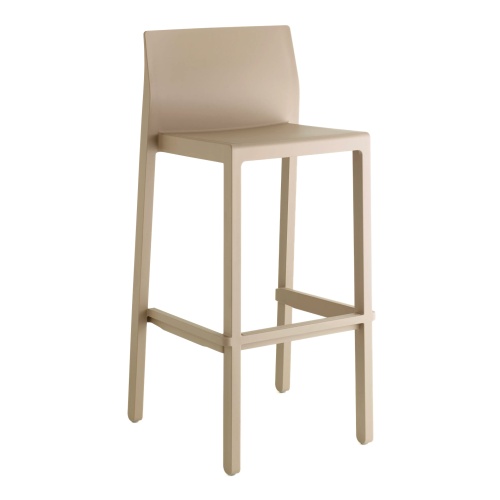 H-2344 KateStackable plastic bar stool
WSP: £61
RRP: £68
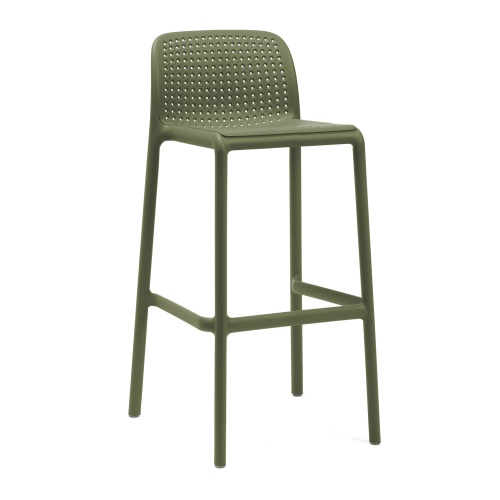 H-LidoStackable fiberglass resin bar stool
WSP: £70
RRP: £76
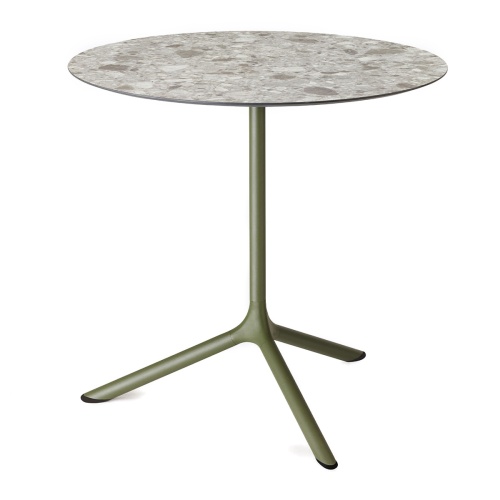 Compacto Round 5002Metal table with round HPL top Ø 60/70/80 cm
WSP: £172
RRP: £191
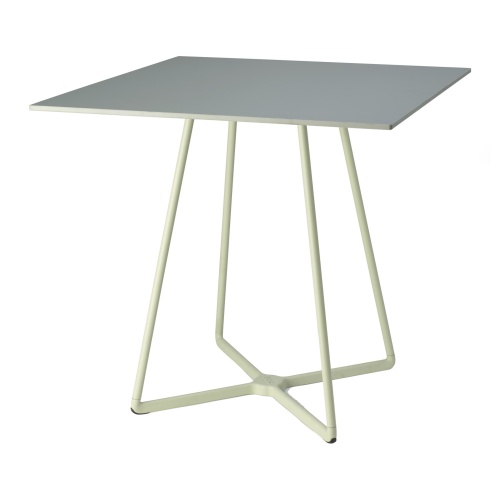 Atomo Square 5034Square metal table with HPL 60-90 cm
WSP: £189
RRP: £210
 Combo 70Regenerated plastic dining table Ø 70
WSP: £122
RRP: £131
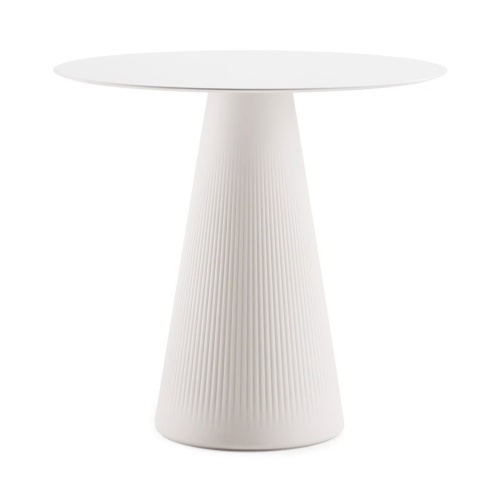 Fade DiningDining table with polyethylene shell 70-80
WSP: £353
RRP: £392
 Tripe Steel 55693 spoke folding round metal table Ø70
WSP: £223
RRP: £247
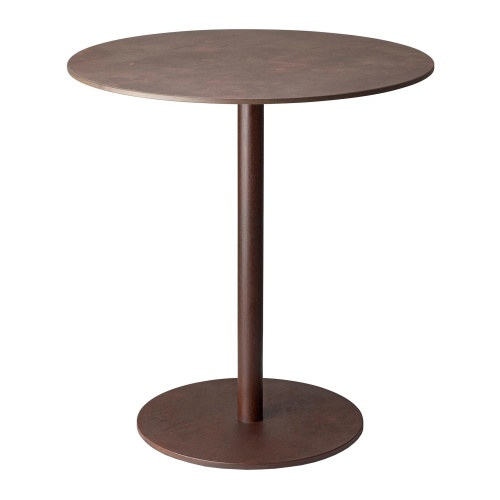 Tiffany Round 5173Round table with HPL top Ø 60/70/80/90 cm
WSP: £162
RRP: £180
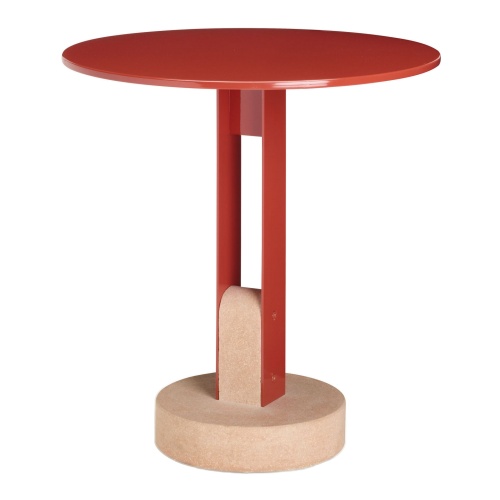 Nolo Round 5013Metal round table with concrete base
WSP: £314
RRP: £349
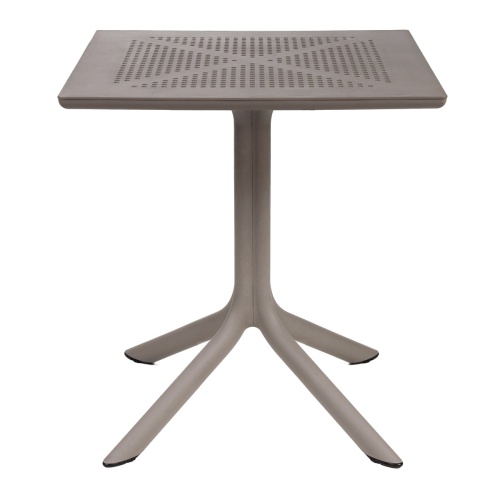 Clip 70Fiberglass resin square dining table 70x70
WSP: £145
RRP: £161
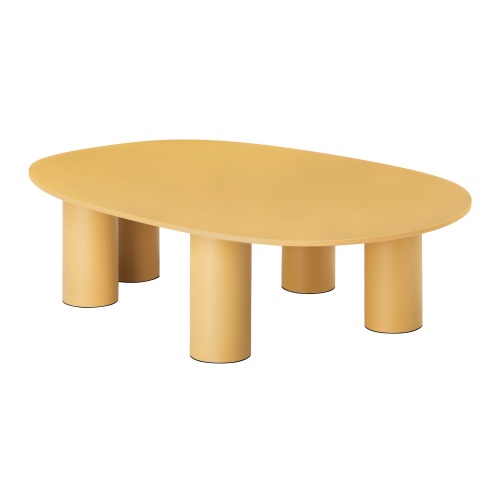 Hyppo 2758Garden oval coffee table 104х73
WSP: £420
RRP: £466
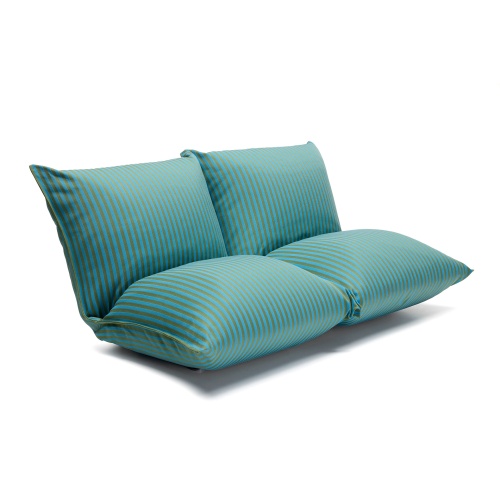 Brezza Relax 2DTwo-seater modular outdoor sofa
WSP: £1,595
RRP: £1,772
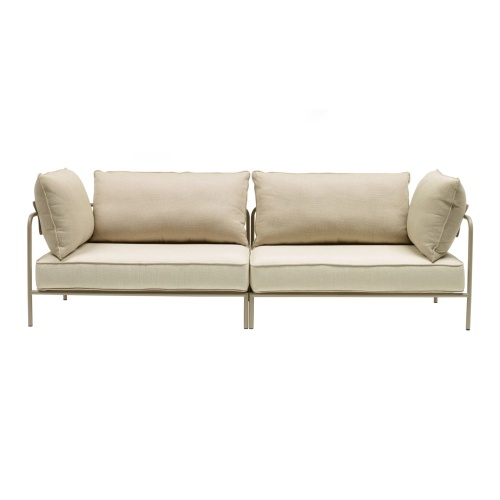 D-2890 FLAPModular 4 seater sofa with metal frame
WSP: £2,289
RRP: £2,543
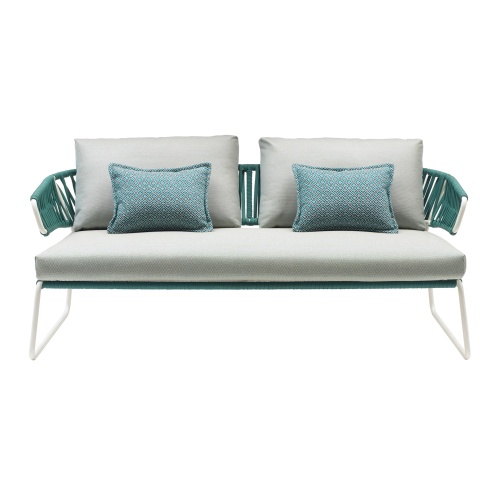 D-2884 Lisa Filo2/3 seater sofa with metal frame
WSP: £1,574
RRP: £1,749
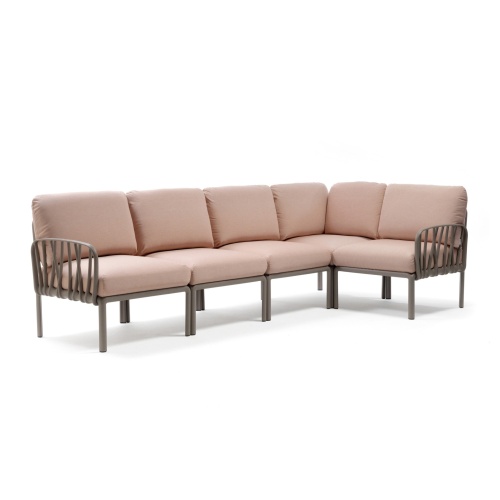 D-Komodo 55 sectional modular sofa
WSP: £1,643
RRP: £1,826
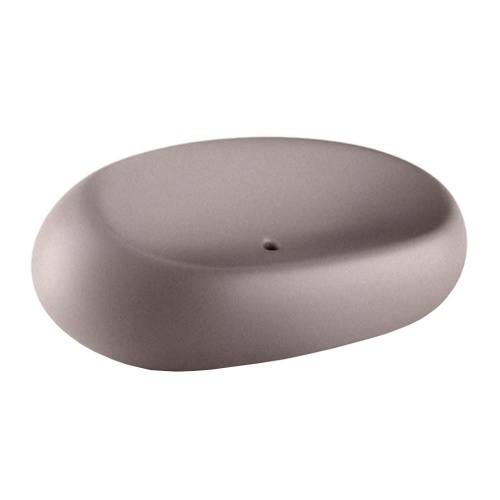 D-BoomOutdoor plastic sofa
WSP: £928
RRP: £1,031
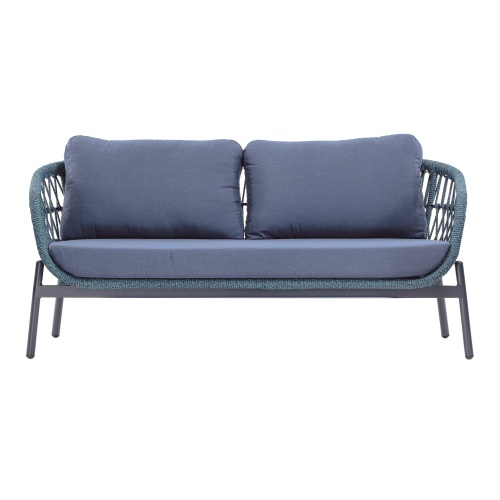 D-Elba2/3 seater aluminium sofa with rope
WSP: £976
RRP: £1,084
Frequently asked questions
What is contract terrace furniture and how does it differ from garden furniture?
Contract terrace furniture is designed for daily commercial use: thousands of seating cycles per season, constant exposure to moisture, disinfectants and continuous movement by staff. It is tested according to EN 16139 and CATAS standards. Garden furniture is intended for occasional residential use and usually wears out on commercial terraces after the first season.
Which materials are best for restaurant terrace furniture?
Anodised or powder-coated aluminium is the best choice for most terraces: lightweight, corrosion-resistant and designed for 7–10 seasons of commercial use. Fibreglass-reinforced technopolymer suits cafés with heavy traffic. Iroko and teak are used for premium terraces with a natural aesthetic. Textilene or Sunbrella fabrics on metal frames are ideal for lounge areas and upscale hospitality projects.
How many seats can be placed on a café terrace?
The standard calculation is 1.2–1.5 m² per seat including circulation space. A 30 m² terrace accommodates approximately 20–25 seats with dense layouts or 15–18 seats with more comfortable spacing. The minimum distance between tables should remain at least 90 cm for staff movement.
How should terrace furniture be selected for coastal or poolside areas?
For aggressive outdoor environments, anodised aluminium resistant to sea salt and chlorine is recommended, as well as technopolymer furniture. Textilene or Batyline fabrics do not absorb water and dry within 15–20 minutes. Steel furniture without specialist coatings and untreated natural timber should be avoided.
Is stackability important for terrace furniture?
Yes — especially for seasonal terraces and venues with fluctuating guest traffic. The standard commercial stack is 6–8 chairs high. Without stackability, storing 40 chairs requires approximately 12–15 m²; with stackable models, this reduces to 2–3 m². This is critical for smaller storage areas and off-season operations.
What furniture works best for a restaurant terrace lounge area?
Lounge chairs and sofas with removable Sunbrella or Sunproof cushions, aluminium or technopolymer frames, and low tables between 45–55 cm high are the standard solution. Modular sofas allow flexible zoning, while quick-drying materials ensure practical operation after rain and during intensive hospitality use.