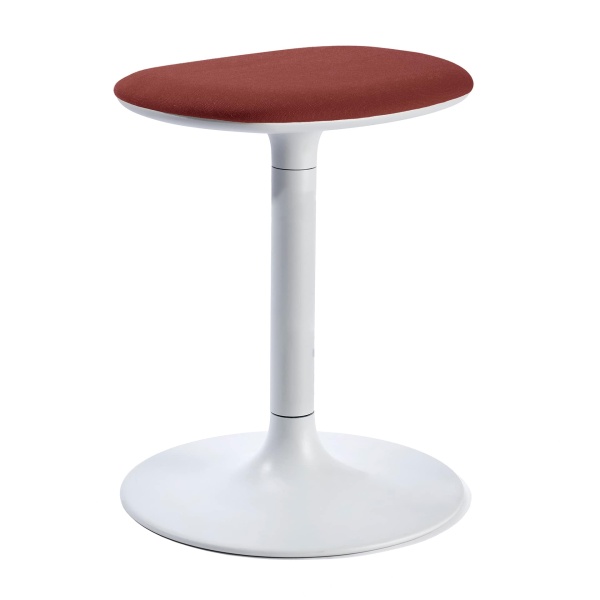
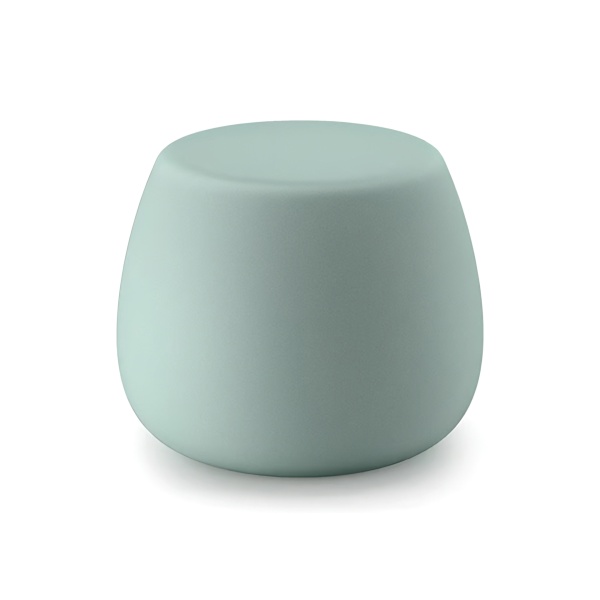
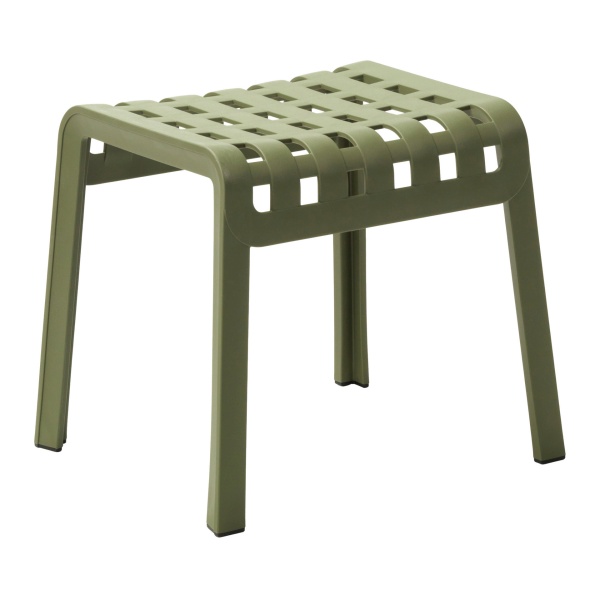
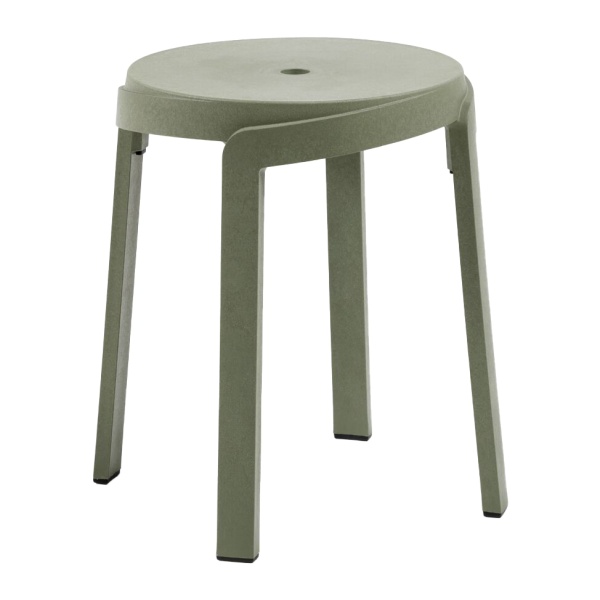
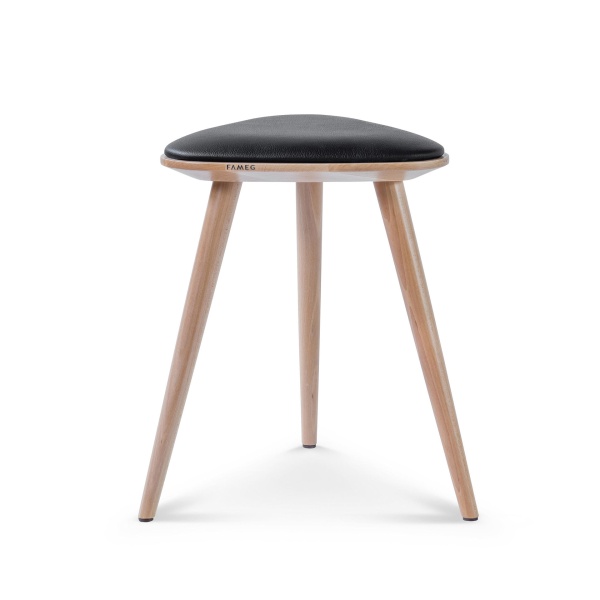
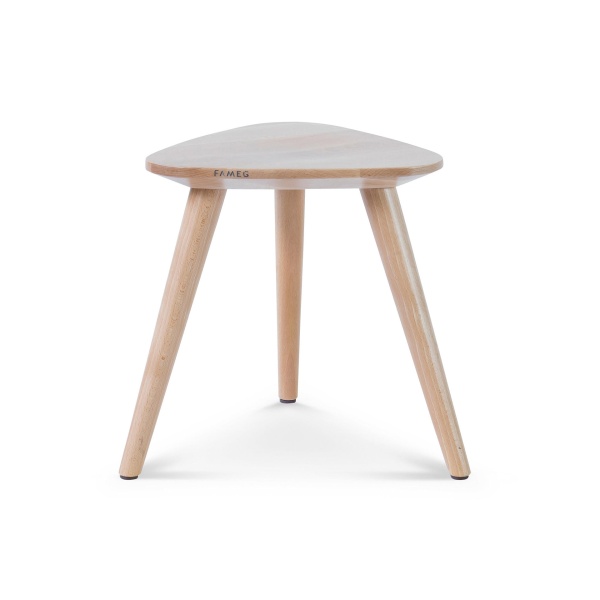
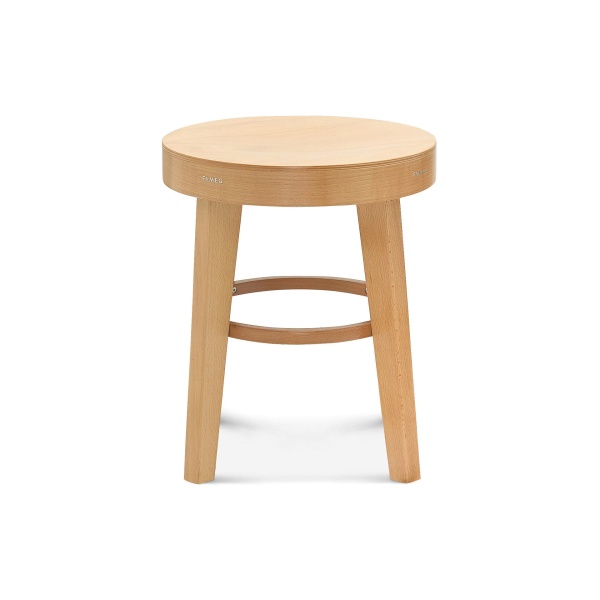
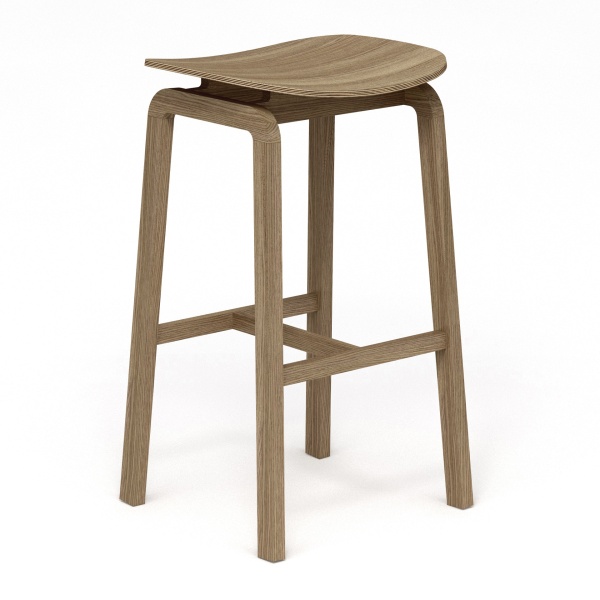
Low stools for cafés and restaurants are compact backless seating solutions with a seat height of 40–50 cm, designed for commercial use in hospitality spaces. Within the structure of furniture for cafés and restaurants, they serve as a flexible additional seating option — where a standard chair takes up too much space or limits layout flexibility.
Unlike café chairs with backrests, low stools stack more efficiently, weigh less, and do not create visual clutter in compact interiors. Unlike lounge chairs, which are designed for longer stays, they solve the need for fast, flexible seating without being tied to a fixed zone.
Where low stools are used in hospitality
A low stool is a solution for scenarios where rapid spatial adaptation is required. The most common applications in commercial venues include:
- Entrance and waiting areas — compact seating for 2–4 minutes without allocating a full seating place.
- Additional seating during peak hours — quick deployment without rearranging the main table layout.
- Cafés and bistros with limited space — stools take up 30–40% less space than chairs with backrests at the same seat height.
- Informal seating zones — near standard-height bar counters (75 cm) or in coworking-style layouts with low tables.
- Large venues with modular layouts — stools allow quick reconfiguration for events, receptions, or group seating.
Construction and materials: what matters in commercial use
In hospitality, low stools are evaluated not by design, but by durability and operational performance. The main construction types include:
Metal frame (steel or aluminium)
The most common solution for commercial venues. Welded frames made from square or round profiles withstand loads of 120–160 kg and retain geometry under daily movement. Steel models are heavier (3–5 kg), aluminium ones lighter (1.8–3 kg) and suitable for outdoor areas. Powder coating protects against scratches and corrosion during cleaning.
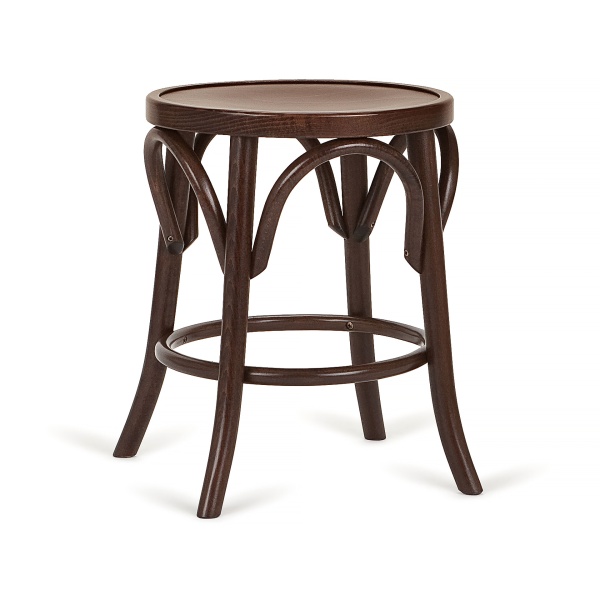
Wooden frame (beech, oak, ash)
Used in interiors with a warm, natural aesthetic. Beech and ash can handle commercial loads when properly finished — lacquer or hardwax oil. The weak point is joints: in low-cost models, legs loosen over time. Contract-grade solutions use reinforced joints with metal inserts.
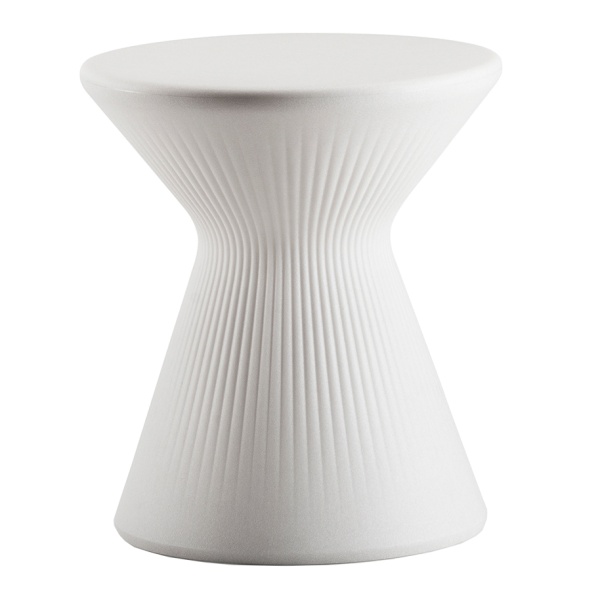
Polypropylene and technical polymers
Monoblock or frame-based models made from impact-resistant polypropylene are ideal for cafés and food courts with heavy traffic. Weight ranges from 2 to 3.5 kg, stacking up to 8–10 units, resistant to moisture and food stains. No maintenance required.
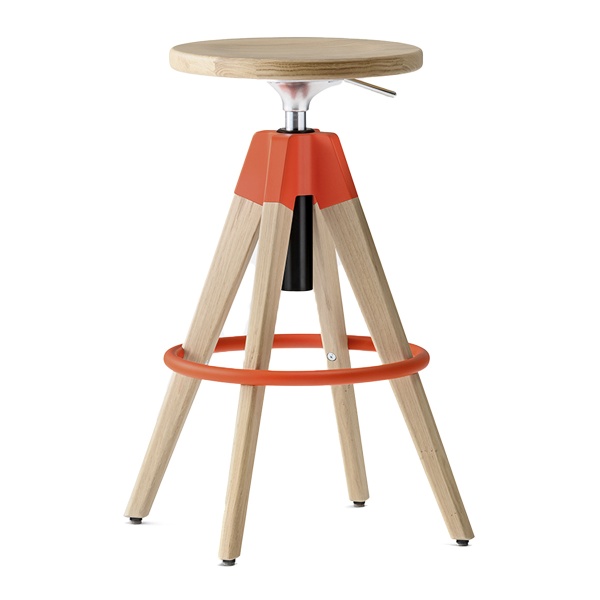
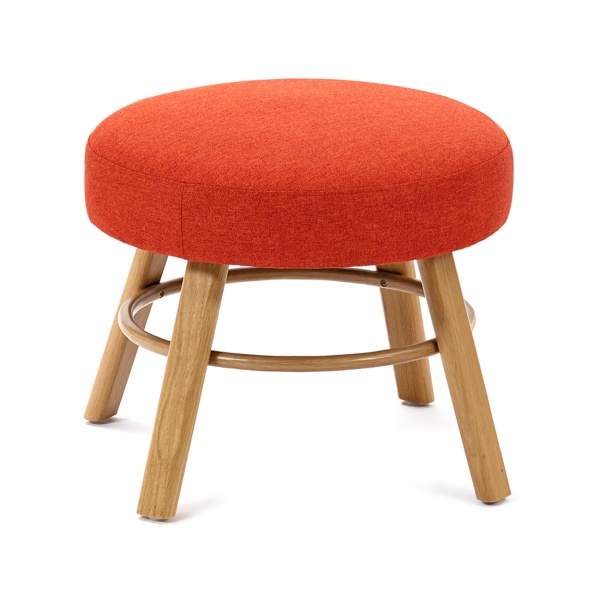
Combined solutions: metal + wood or upholstered seat
A metal frame with a wooden seat balances durability and aesthetics. Upholstered options improve comfort for longer stays but require contract-grade fabrics rated at 30,000+ Martindale cycles.
Seat height and table compatibility
The standard seat height for low stools is 43–50 cm, matching a standard chair and suitable for dining tables of 72–76 cm. Models with 40–42 cm seat height are used in waiting areas or with coffee tables of 50–55 cm — where full dining seating is not required.
Before ordering, it is essential to match stool height with tabletop height: the difference should be 27–30 cm for ergonomic seating. A mismatch of 5–7 cm is noticeable and reduces guest comfort.
Stacking and storage: operational efficiency
Most low stools for hospitality are designed for stacking — a key operational requirement. A typical stack holds 6–10 units. Backless models stack more efficiently and save 60–70% of space compared to arranged seating.
When selecting, check for protective foot caps to prevent scratches during stacking, and ensure the stack remains stable during transport — some models become unstable after 5–6 units.
How low stools fit into the overall space concept
Low stools are rarely the only seating type in a venue. In most projects, they complement main seating and work alongside dining tables. In zones requiring more comfort and longer stays, they are replaced or complemented by lounge chairs.
An effective layout is one where stools solve a specific operational task: filling waiting areas, providing additional seating during peak hours, or creating informal zones without major layout changes.
Low stools for cafés and restaurants are a professional solution for venues where speed, flexibility, and efficient space use are critical without compromising seating quality.