Upholstered furniture for restaurants, cafés and bars includes professional seating designed for regular commercial use in dining areas, lounge spaces, waiting zones and hotel interiors. This category covers sofas, upholstered armchairs and pouffes selected according to venue format, floor plan, intensity of use, upholstery performance and the overall interior concept.
In a professional hospitality interior, upholstered furniture performs several functions at once: it provides comfortable seating, helps divide the space into functional zones and contributes to the visual identity of the venue. Unlike residential furniture, contract pieces are selected with frequent guest turnover, regular cleaning and daily commercial use in mind.
HoReCa.Furniture offers professional upholstered furniture from European manufacturers for restaurants, cafés, bars, hotels and other commercial interiors. The category forms part of our wider restaurant and hospitality furniture range and includes sofas, upholstered armchairs and pouffes for different functional areas.
Upholstered furniture for professional hospitality use
Furniture in a restaurant operates under very different conditions from furniture in a home. The same seat may be used by many different guests throughout the day, while surfaces are regularly exposed to clothing, drinks, food and cleaning products. For this reason, the design alone is not enough: the frame, cushioning, upholstery, stitching, feet and maintenance requirements all need to be considered.
This is particularly important in busy venues. A piece that performs well in a residential interior may not be suitable for a restaurant with continuous service. For commercial projects, furniture should therefore be assessed in terms of expected service life, maintainability, ease of cleaning and the possibility of reordering matching pieces later.
Hospitality upholstered furniture should be specified as part of the venue's complete seating plan rather than as isolated decorative pieces. Overall dimensions, seat height and depth, upholstery, seating density and spacing all affect both guest comfort and staff circulation.
Types of upholstered furniture used in restaurants and cafés
The appropriate furniture type depends on the function of each area. A single restaurant may combine compact seating for shorter visits, more comfortable groups for longer stays, lounge areas and waiting spaces.
Sofas provide comfortable seating for several guests and can make effective use of wall lines, corners and dedicated seating zones. Their dimensions and configuration should be selected in relation to the required number of covers and the overall floor plan.
Upholstered armchairs provide an individual seat with a higher level of comfort and are used in restaurants, bars, hotel lobbies, waiting areas and relaxation spaces. Where a lower and more relaxed seating position is required, it is worth considering lounge chairs for restaurants and cafés separately, as their geometry and purpose differ from conventional upholstered armchairs.
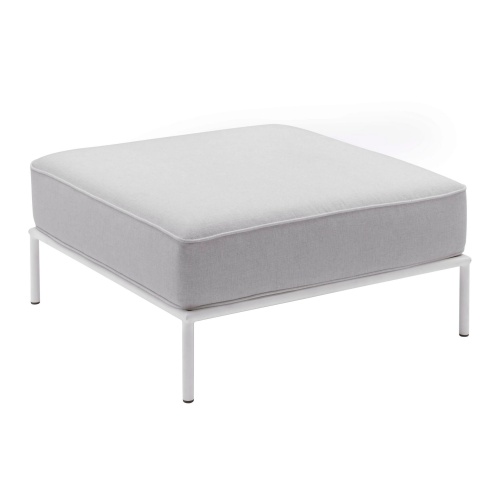
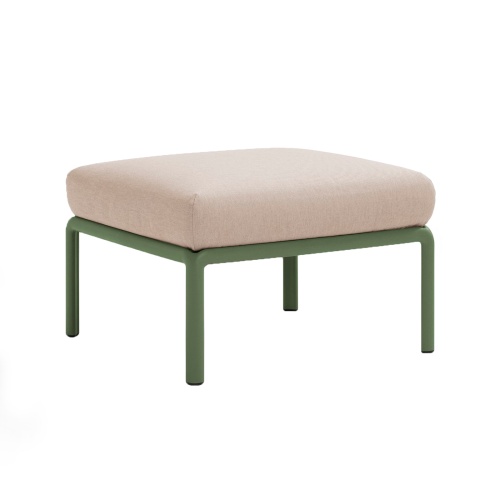
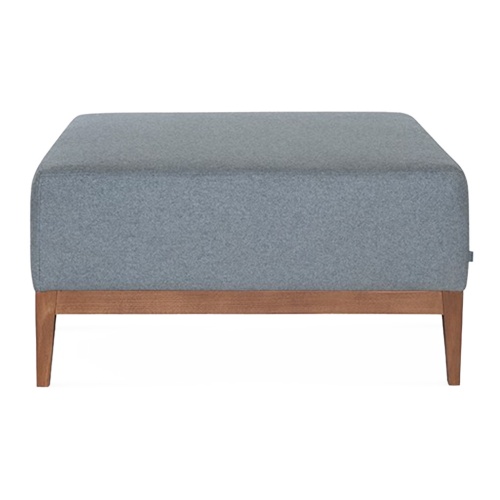
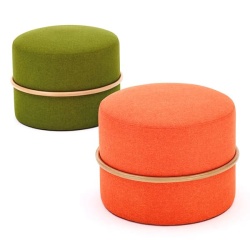
Pouffes can provide occasional seating, act as compact elements within waiting areas or become part of a modular arrangement. Their relatively small footprint makes them particularly useful in spaces that need to be reconfigured periodically.
What to consider when choosing upholstered furniture
For a commercial project, choosing furniture from photographs alone is not enough. Each piece must suit the actual operating conditions, available floor area and intended seating concept.
- Overall dimensions. Width, depth and height should suit the floor plan without compromising main circulation routes;
- Ergonomics. Seat height and depth, backrest angle and armrests determine comfort and the type of stay the seat supports;
- Frame construction. The structure should be suitable for the expected intensity of commercial use and load;
- Cushioning. Density, resilience and the ability to retain shape under repeated use are important;
- Upholstery. Abrasion resistance, cleanability, colour, texture and suitability for the project should all be considered;
- Modularity. Collections with compatible modules are useful where layouts need to change;
- Reorder availability. For chains, hotels and larger projects, the ability to purchase matching items later can be operationally important.
Upholstery for commercial hospitality furniture
Upholstery is one of the most heavily used elements of a restaurant sofa or armchair. It has to suit both the visual concept and the operating conditions. In high-turnover cafés, cleanability and wear resistance may take priority, while fine dining restaurants, hotels and lounge spaces may also place greater emphasis on texture, tactile quality and visual refinement.
Many professional collections are available with a choice of fabrics, faux leather or natural leather across several price and performance categories. This makes it possible to adapt the same furniture model to a brand palette, interior specification and project budget.
The technical characteristics of the chosen upholstery should nevertheless be checked individually. Abrasion resistance, cleaning procedures, fire-performance requirements and other properties vary according to the material and manufacturer's specification.
Ergonomics and seating layout
The dimensions of upholstered furniture affect both guest comfort and the capacity of a venue. Deep or oversized seating can create an impressive interior but may reduce the number of covers and restrict circulation. Overly compact furniture may have the opposite problem and fail to provide the level of comfort expected from a restaurant, hotel or lounge area.
Sofas, armchairs and pouffes should therefore be coordinated with the other seating types used in the venue. In conventional dining areas, upholstered pieces need to work alongside restaurant chairs so that seat heights, guest spacing and overall density remain consistent throughout the room.
Modular upholstered furniture for restaurants and hotels
Modular collections make it possible to create seating arrangements around the architecture of a specific space. Centre, corner and end modules can be combined into straight or corner layouts, used to define individual areas or adapted to non-standard floor plans.
This approach is particularly useful in larger restaurants, hotels, lobbies, bars and multifunctional hospitality spaces where furniture also contributes to architectural zoning. Before ordering, the available modules and approved combinations within the chosen collection should be checked.
Upholstered furniture for different hospitality settings
Cafés and coffee shops. In smaller interiors, compact dimensions and efficient use of floor area are particularly important. Furniture should not interfere with circulation or staff workflow.
Restaurants. The specification depends on the seating concept. The main dining room, bar area, group seating and waiting zones may each require furniture with different proportions and levels of comfort.
Bars and lounge spaces. Upholstered furniture often becomes a major part of the atmosphere. Comfortable longer stays, balanced seating groups and coordination with lower tables become particularly important.
Hotels and public interiors. Lobbies, reception areas, waiting zones and relaxation spaces place additional emphasis on durability, consistency across a collection and the ability to specify several furniture types within one project.
Matching upholstered seating with tables
For restaurant projects, upholstered seating should be considered at the same stage as the tables rather than added after the layout has been completed. Seat height and depth need to work with the tabletop height and intended service format. Areas designed for full dining should generally be coordinated with standard restaurant tables, whereas lounge areas normally use lower tables and a different seating geometry.
Design options and customisation
Professional furniture collections often allow the specification of finishes as well as the basic product form. Depending on the manufacturer and model, options may include different frame colours, timber species and stains, metal finishes, fabrics, faux leather and natural leather.
This is particularly useful for design-led and multi-site projects where the furniture has to follow an established brand palette. The same model can have a completely different visual character in another material or finish, so final specifications should ideally be made using the manufacturer's available finish samples.
For a commercial hospitality project, the right furniture is a balance of design, ergonomics, dimensions, material performance and budget. Professional upholstered furniture should therefore be specified for the actual layout and expected operating conditions, not on appearance alone.
Buy upholstered furniture for restaurants, cafés and bars
HoReCa.Furniture supplies upholstered furniture for restaurants, cafés, bars, hotels and other commercial hospitality interiors. The range includes European collections in different styles, dimensions and price segments, from compact solutions for smaller cafés to furniture for large restaurant, hotel and design projects.
We can help select furniture for your floor plan, check dimensions and available finishes, prepare the specification and calculate quantities. Some models may be available from stock, while others are manufactured to order in the selected configuration.


 Sofas
View category
Sofas
View category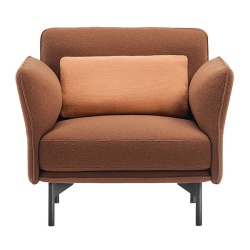
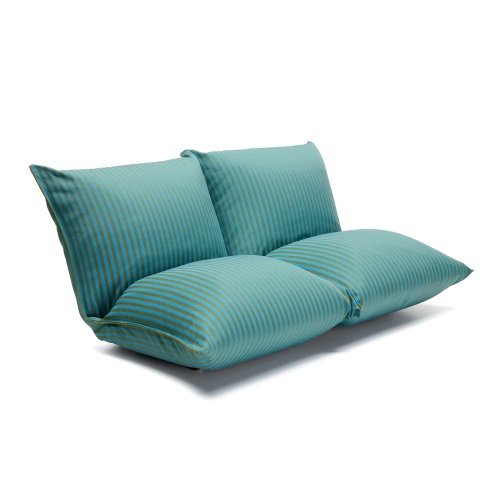 Brezza Relax 2DTwo-seater modular outdoor sofa
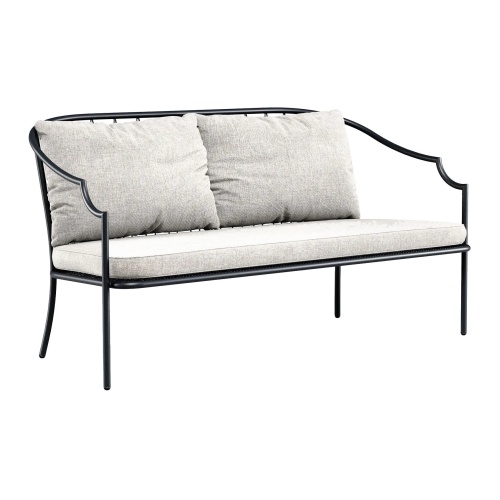 D-1205 Como2/3 seater sofa with metal frame
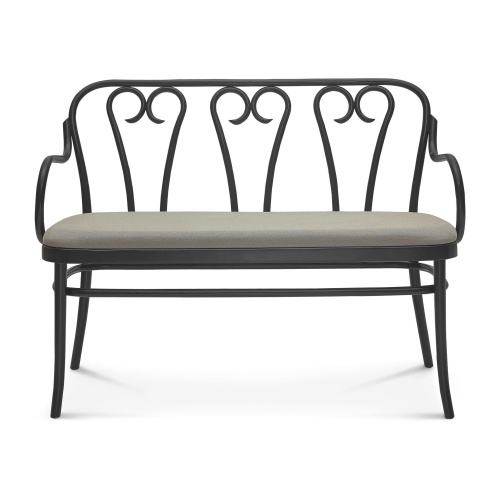 D-30072 seater sofa (bench) with wooden frame
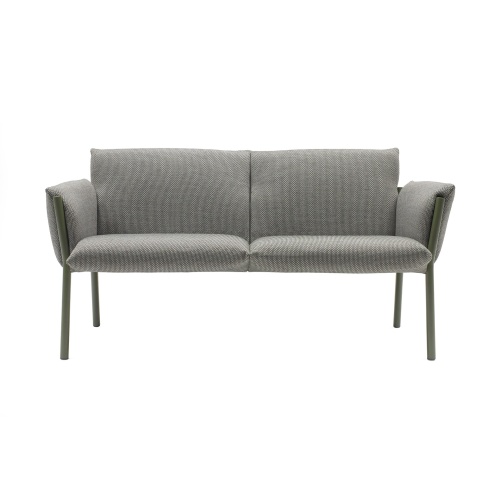 D-2900 BrezzaOutdoor Metal Frame Sofa
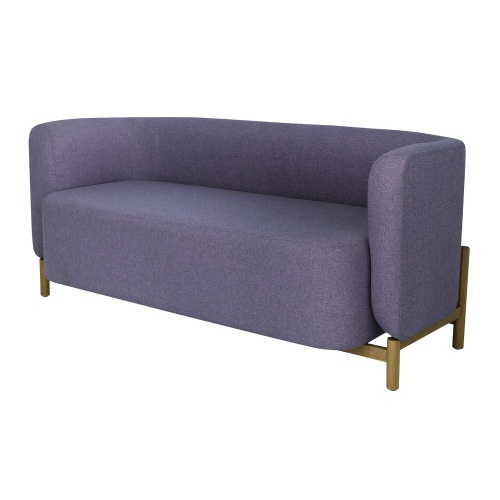 D-3014 Polar2/3 seater fabric sofa with wooden frame
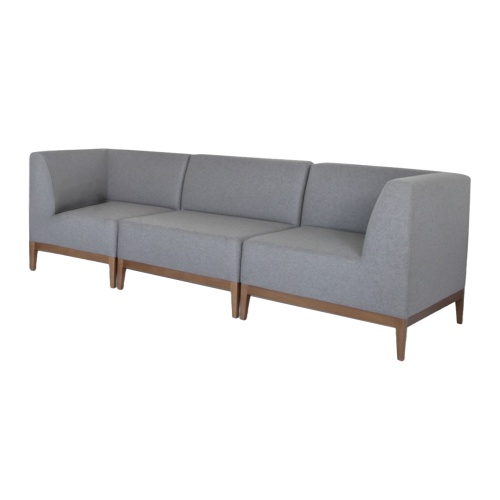 D-1515 Snug3/4 seater modular wooden sofa
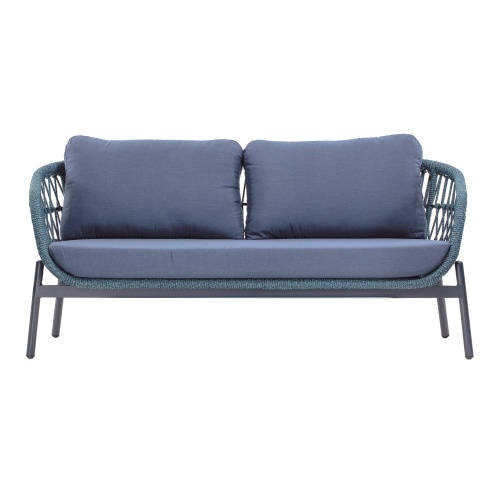 D-Elba2/3 seater aluminium sofa with rope
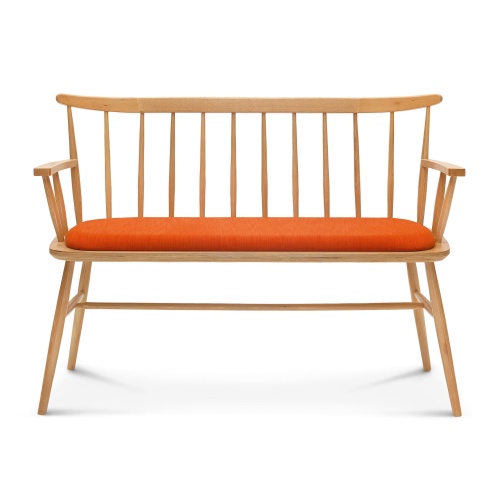 D-3016 Wand2 seater sofa (bench) with wooden frame
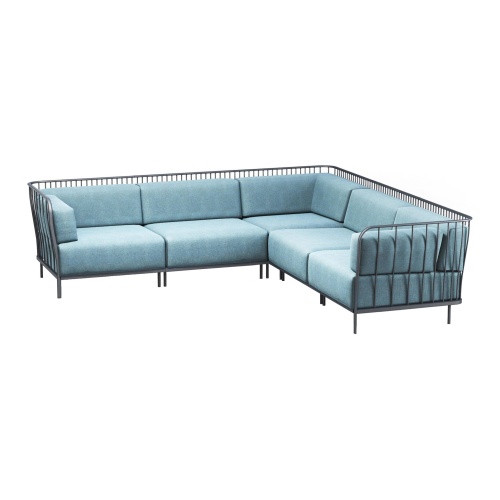 D-1089 Cannole5/6 seater corner metal sofa
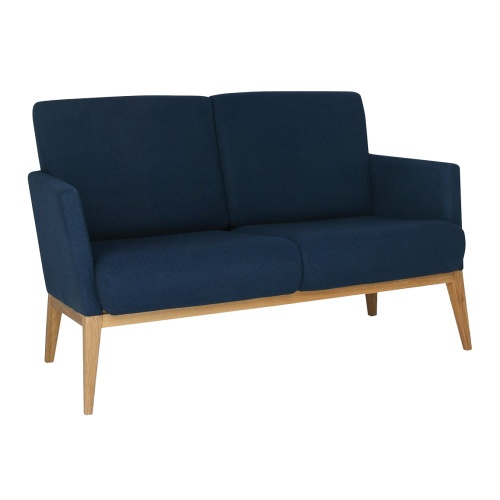 D-3015 Montana2/3 seater fabric sofa with wooden frame
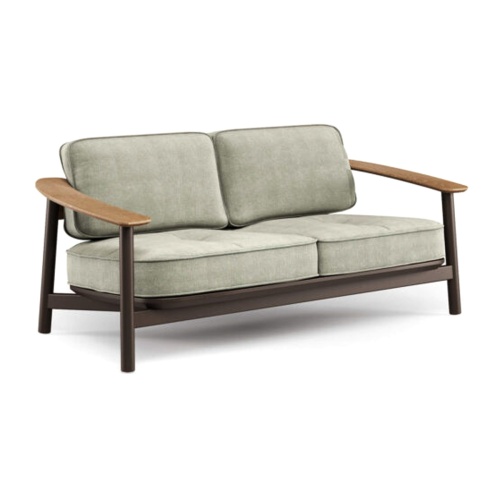 D-6046 Twins2/3 seater sofa with metal frame
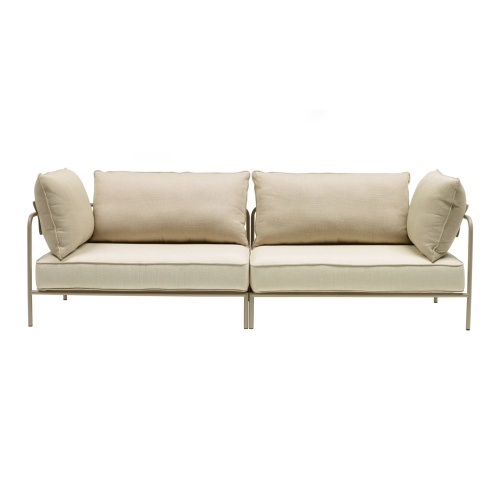 D-2890 FLAPModular 4 seater sofa with metal frame
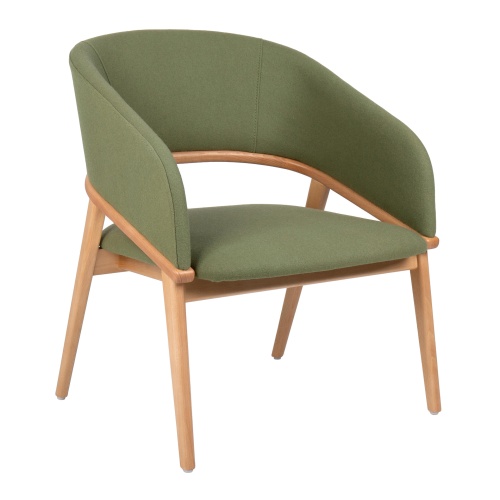 M-Tagada MassUpholstered wooden lounge chair
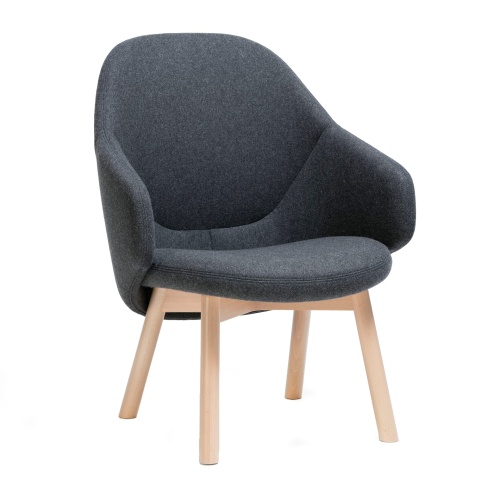 B-Albu LoungeUpholstered lounge armchair
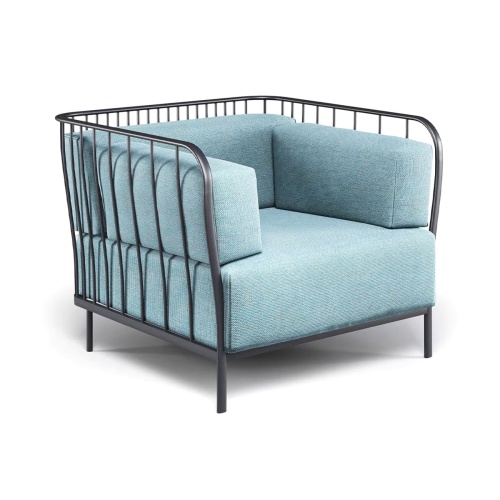 M-1080 CannoleFabric lounge armchair with metal frame
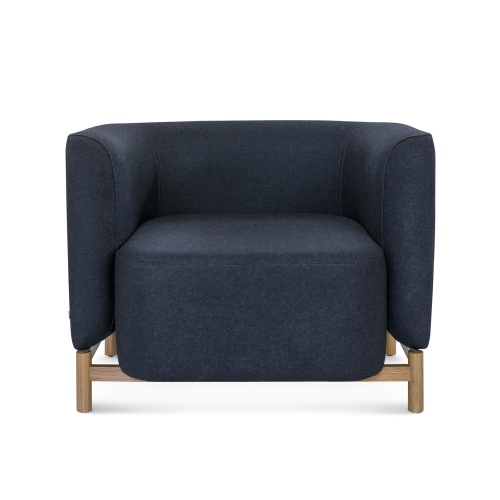 B-3014 PolarUpholstered lounge armchair
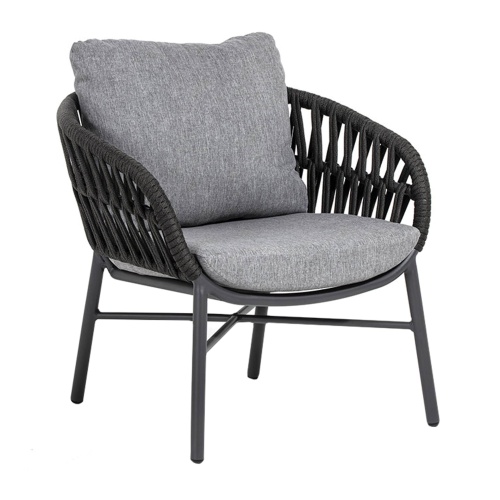 M-Drop Aluminium lounge armchair with rope
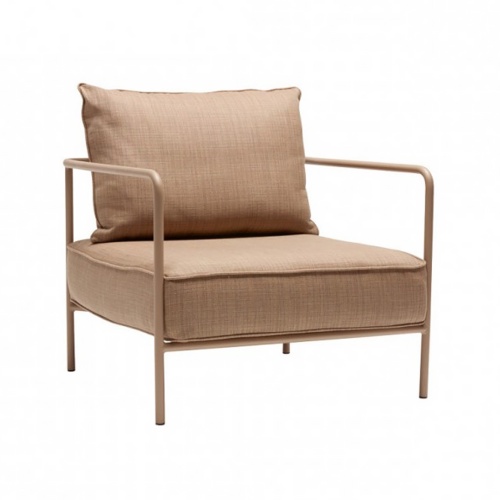 D-2905 FLAPOutdoor fabric lounge armchair
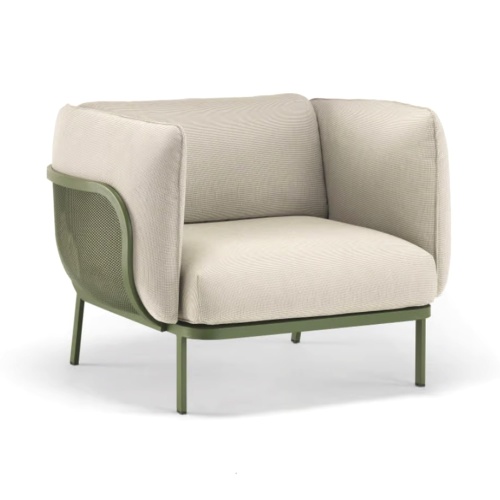 M-5040 CablaPadded armchair with metal frame
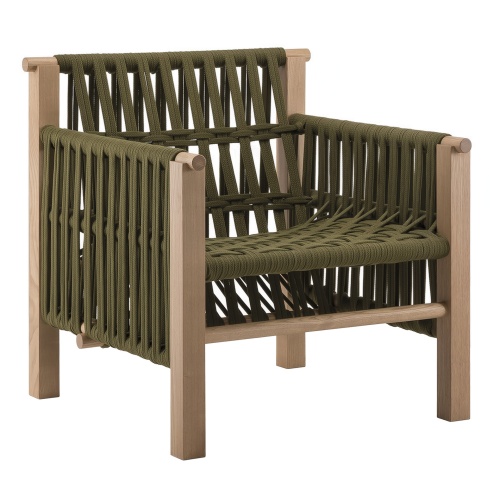 M-2711 PenelopeWooden lounge armchair with polyester rope
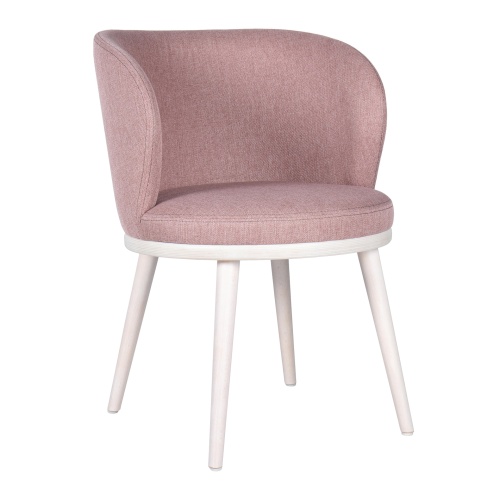 B-Audrey CBUpholstered wooden restaurant armchair