


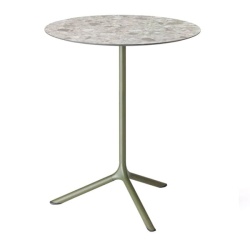
 Bar tables
View category
Tables & Components for Cafés, Bars & Restaurants
Tables and components are contract furniture solutions for cafés, bars and restaurants, where each table forms part of the venue’s operating model: seating capacity, circulation routes, guest turnover and consistent service. The category brings together coordinated solutions for indoor hospitality spaces designed for intensive daily use.
Bar tables
View category
Browse by Brand

Curated Selection
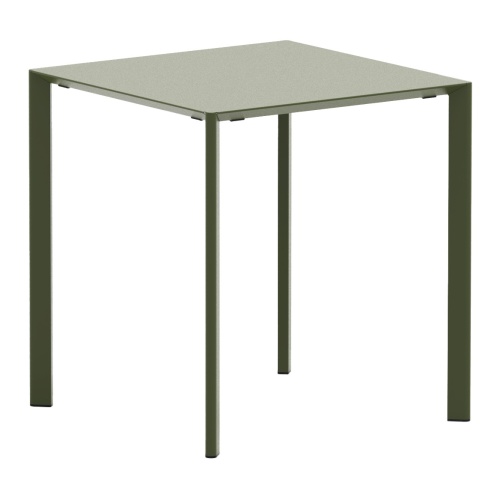 Fox FO7070Metal square dining table 70x70
WSP: £156
RRP: £173
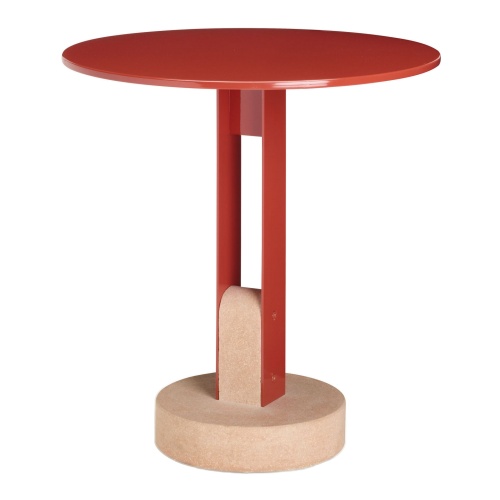 Nolo Round 5013Metal round table with concrete base
WSP: £314
RRP: £349
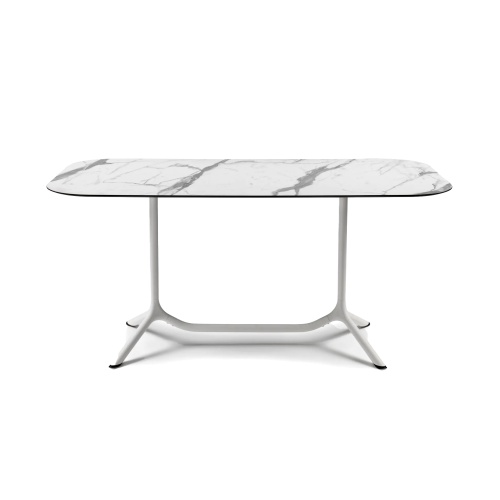 Compacto 5077Rectangular table with HPL top
WSP: £406
RRP: £451
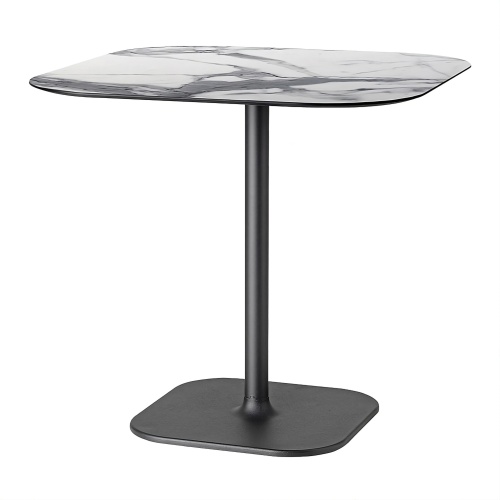 Rhino Bevelled 5184Square metal table with HPL top 60/70/80 cm
WSP: £190
RRP: £211
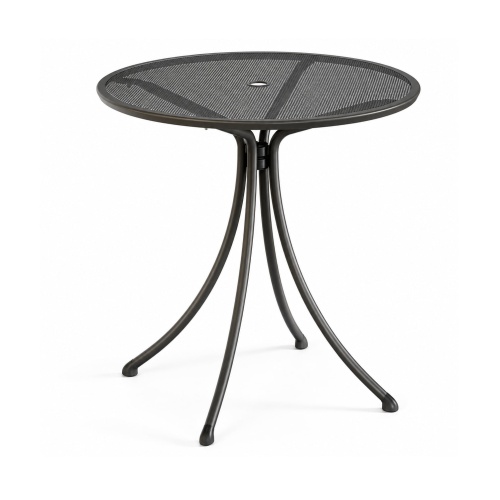 Combo R80Metal round dining table Ø 80
WSP: £286
RRP: £318
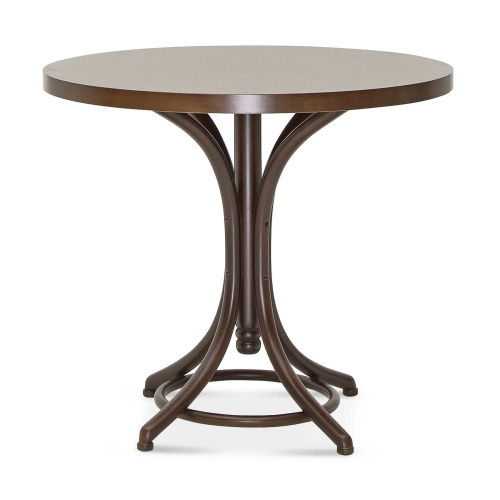 ST-3049Wooden round dining table Ø 80
WSP: £379
RRP: £421
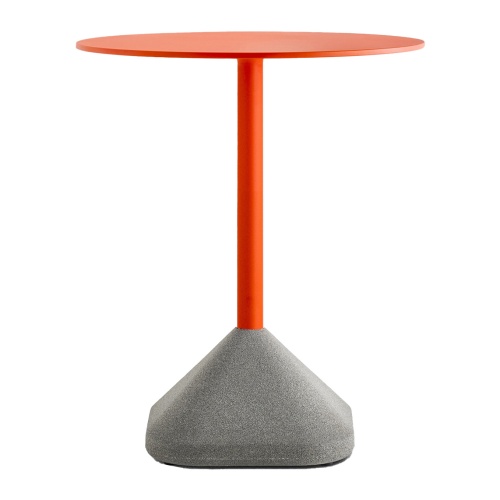 Concrete Round 855HPL round table Ø 50-80 cm with concrete base
WSP: £276
RRP: £306
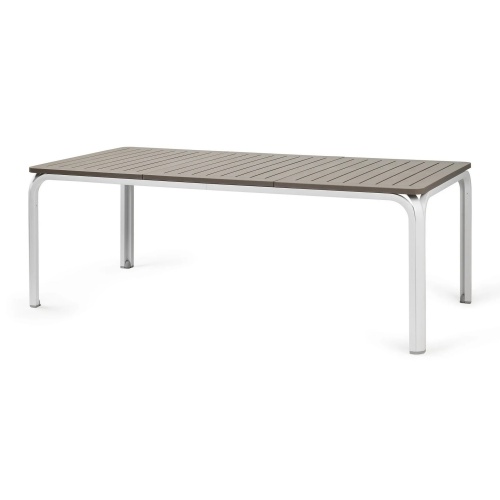 Alloro 210Metal extending table with plastic top 210/280х100
WSP: £630
RRP: £700
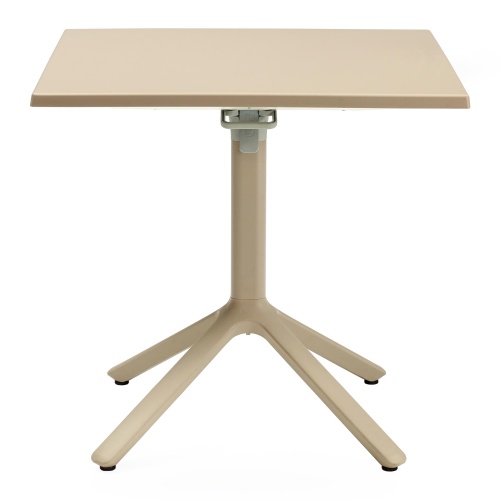 Eco 2459Folding square table with plastic top 80x80
WSP: £151
RRP: £168
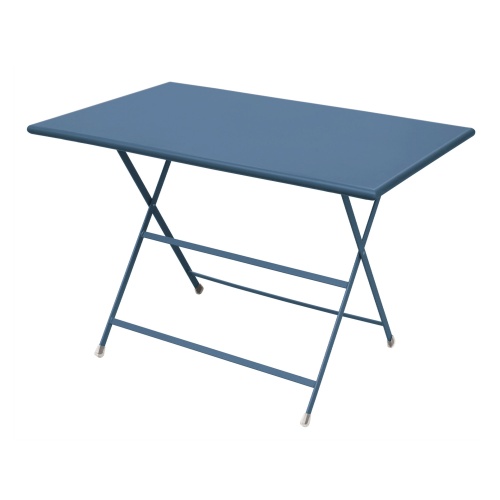 Arc en Ciel 331Folding metal rectangular table 110x70
WSP: £235
RRP: £261
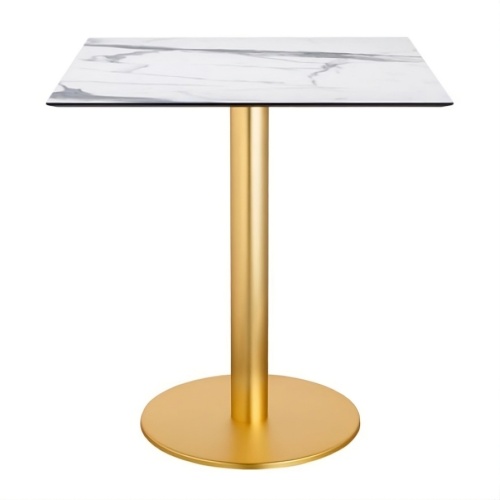 Tiffany Square 5170Square table with HPL top 60/70/80 cm
WSP: £166
RRP: £185
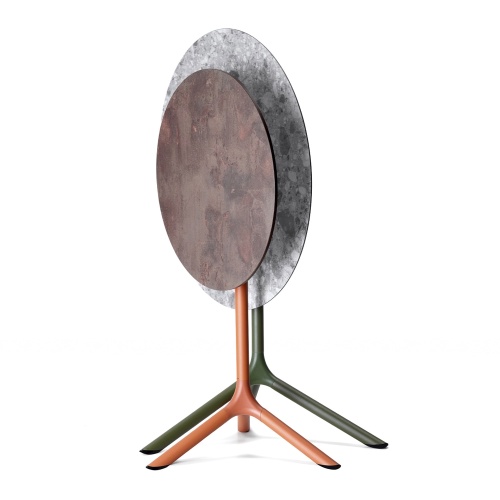 Compacto Round 5000Metal table with folding HPL top Ø 60-80 cm
WSP: £186
RRP: £207
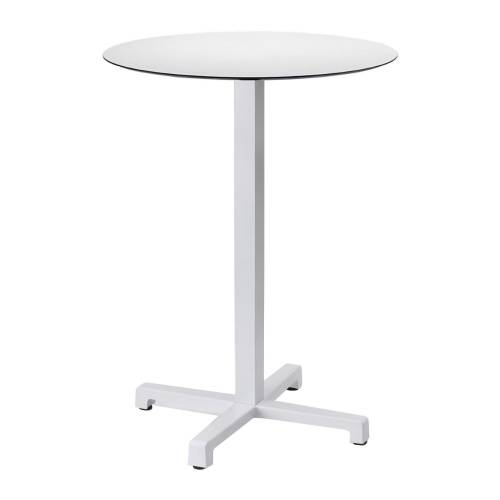 Cross Round 5095Round bar table with HPL top Ø 60/70 cm
WSP: £157
RRP: £174
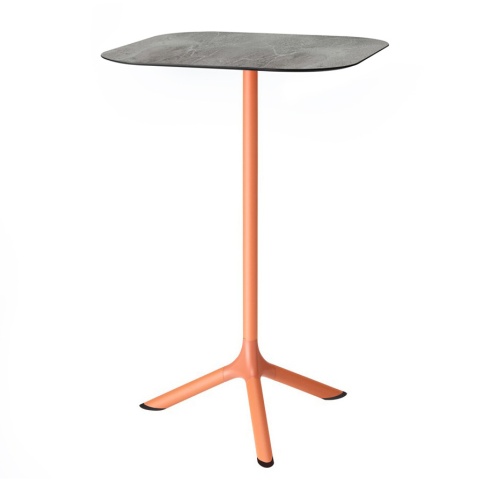 Bar Bevelled 5003Metal bar table with bevelled HPL top 60x60 cm
WSP: £200
RRP: £222
 Nolo Bar Round 5014Metal bar round table with concrete base
WSP: £331
RRP: £368
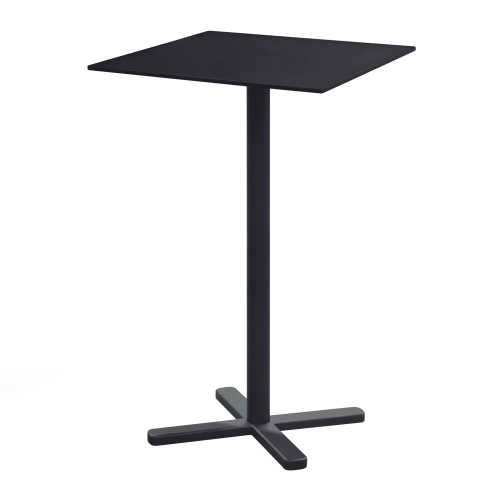 Darwin 528Folding high metal table 70х70
WSP: £321
RRP: £356
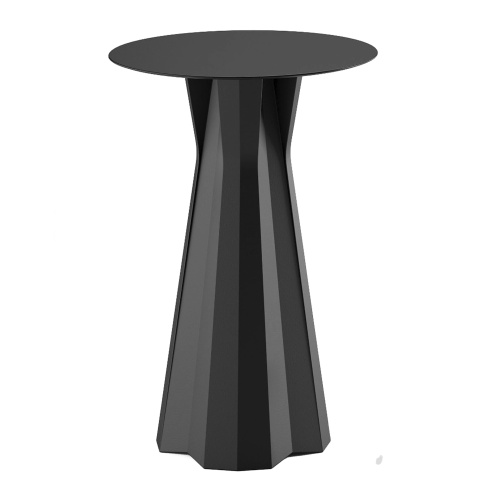 Frozen BarBar table with polyethylene shell Ø 60/70
WSP: £375
RRP: £416
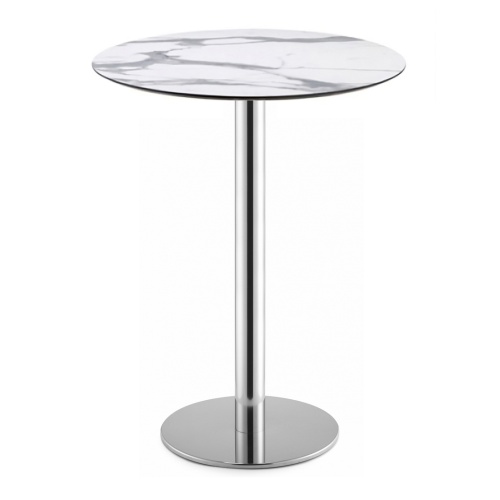 Tiffany Round 5175Round bar table with HPL top Ø 60/70 cm
WSP: £183
RRP: £203
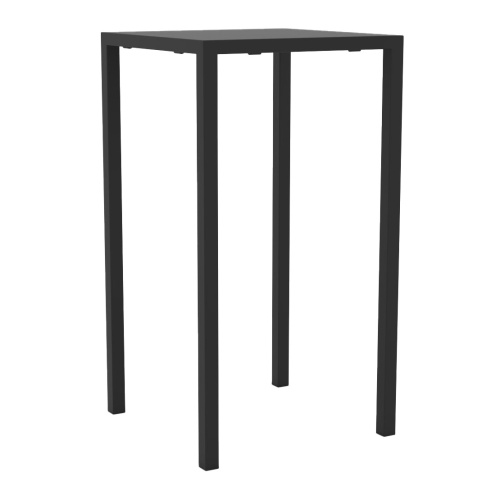 Quatris QT6060HMetal square bar table 60x60
WSP: £162
RRP: £180
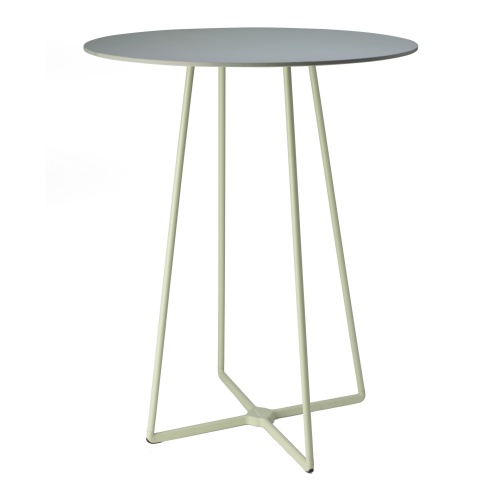 Atomo Round 5035Round bar table with HPL top Ø 60-90 cm
WSP: £208
RRP: £231
 Fade BarStable bar table with polyethylene shell Ø 60
WSP: £317
RRP: £352
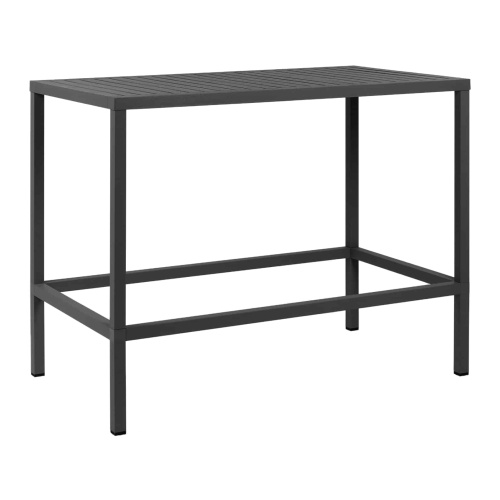 Cube 140x80 HighMetal bar table with plastic top 140x80
WSP: £348
RRP: £387
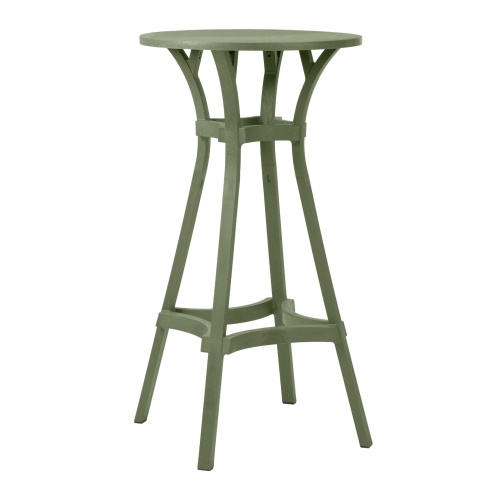 Combo 60 HighRegenerated plastic bar table Ø 60
WSP: £143
RRP: £159
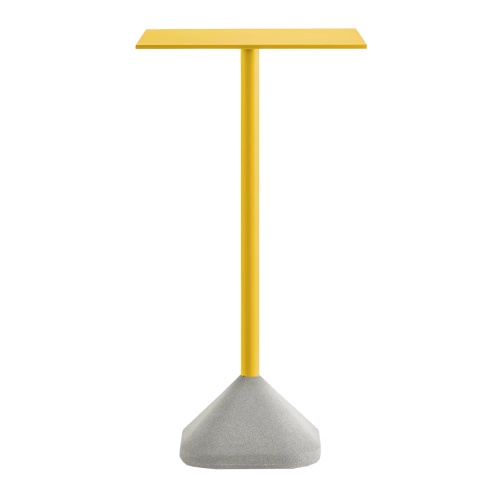 Concrete Square 856HPL bar table square 60-70 cm with concrete base
WSP: £332
RRP: £369
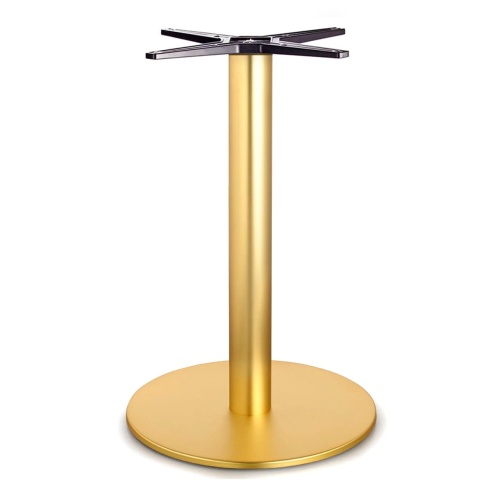 Tiffany Brass 5170Metal round table base in brass h73cm
WSP: £184
RRP: £204
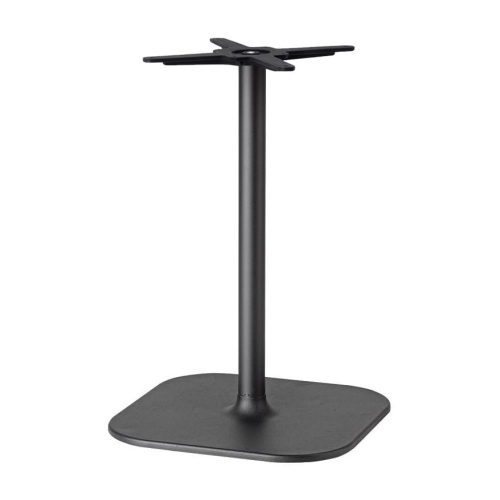 Rhino 5184Metal square table base
WSP: £103
RRP: £114
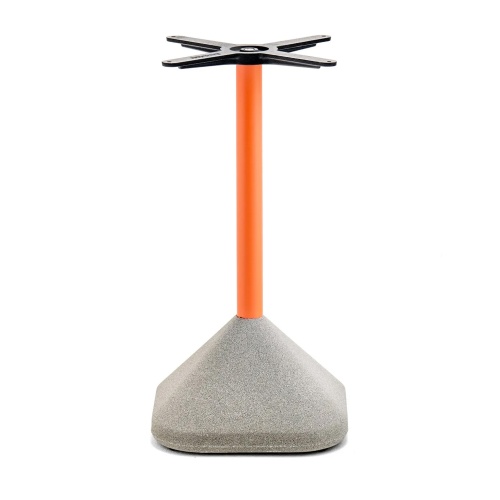 Concrete 855Concrete base with steel column h73cm
WSP: £192
RRP: £214
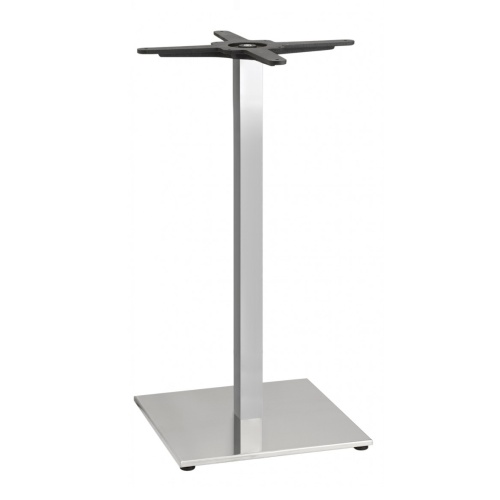 Tiffany 5182Metal square table base
WSP: £89
RRP: £99
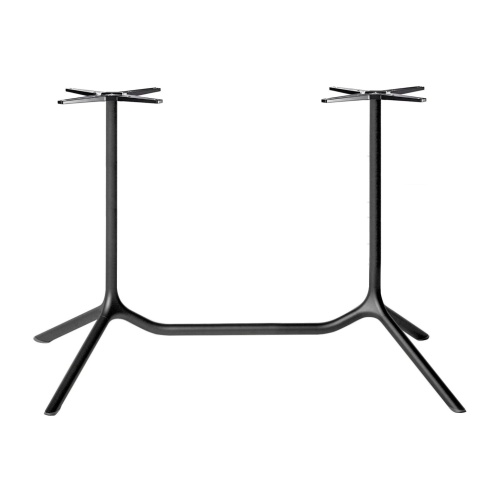 Tripe Double 5008Double high metal table base
WSP: £221
RRP: £246
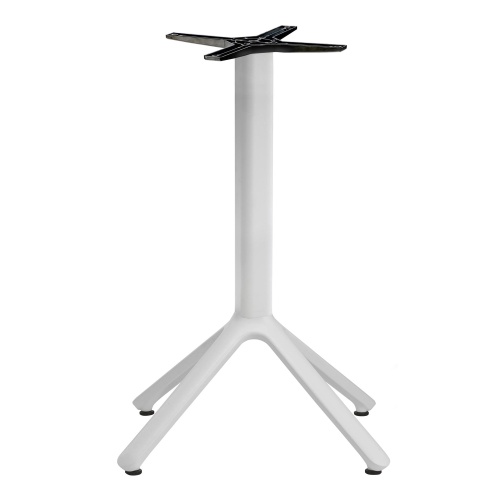 Nemo 5060Aluminum table base h73cm
WSP: £98
RRP: £109
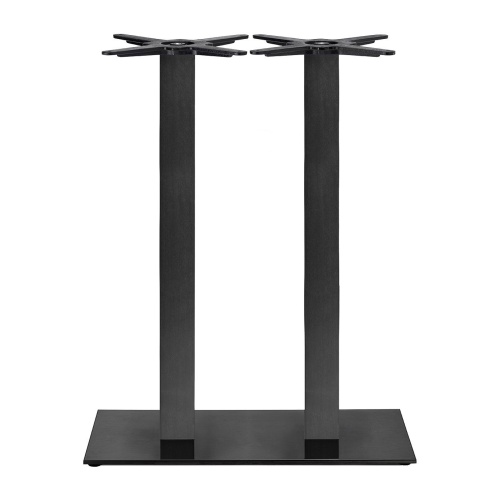 Tiffany Double 5083Double high metal table base
WSP: £204
RRP: £227
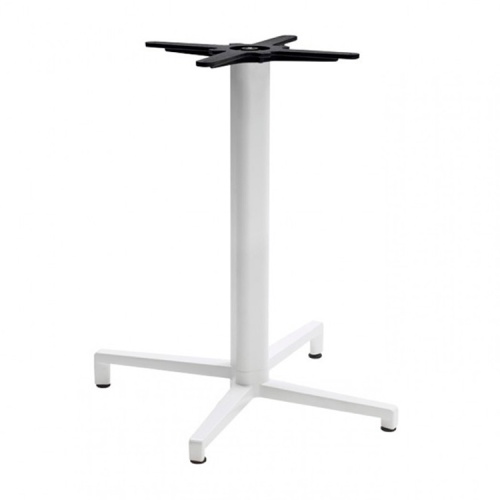 Domino 5140Aluminium table base
WSP: £91
RRP: £101
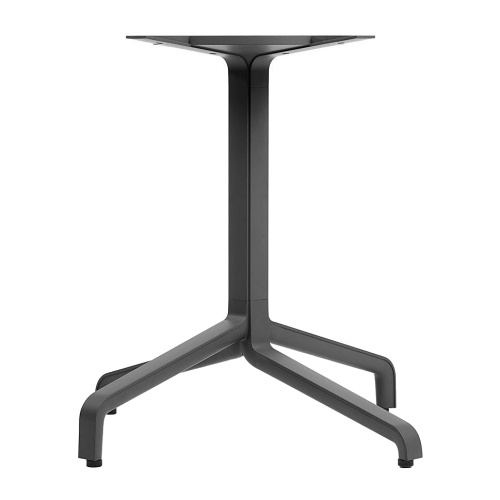 Frasca Maxi FixOutdoor metal table base
WSP: £198
RRP: £220
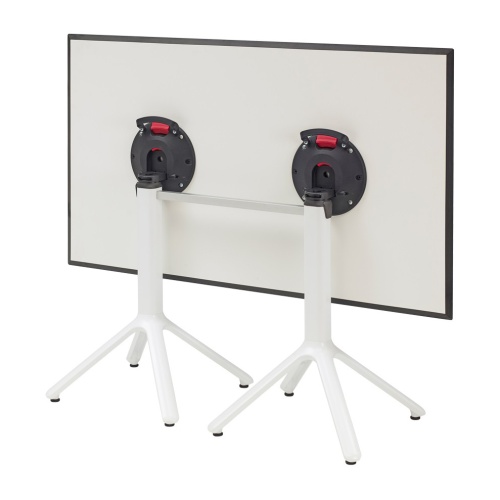 Nemo Double 5072Double metal table base with folding mechanism
WSP: £238
RRP: £265
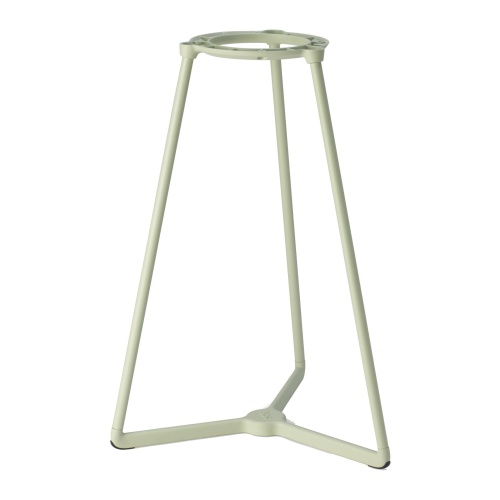 Atomo 50323-star metal dining table base
WSP: £101
RRP: £113
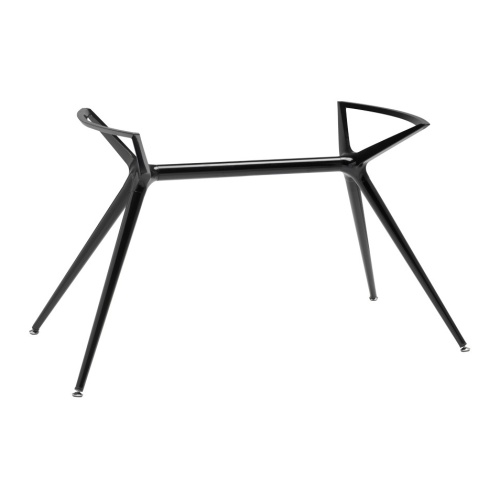 Metropolis 7011 002Table base with legs in steel or beech
WSP: £333
RRP: £370
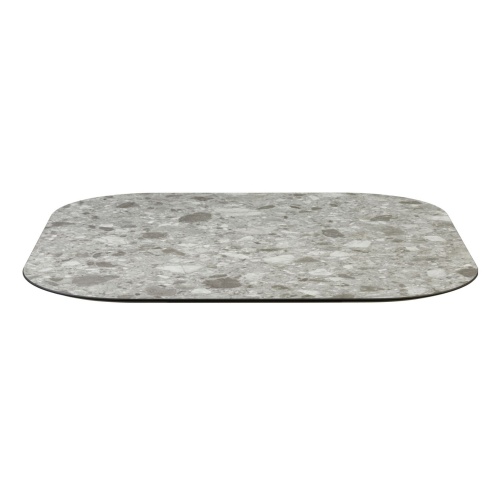 Compact 5563High-pressure laminate bevelled square table top
WSP: £87
RRP: £97
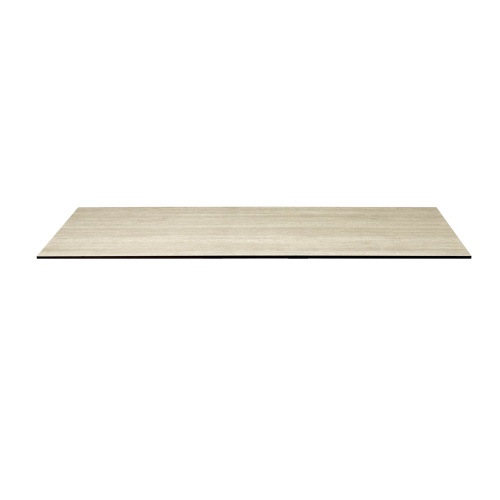 Compact 5393High-pressure laminate rectangular table top
WSP: £227
RRP: £252
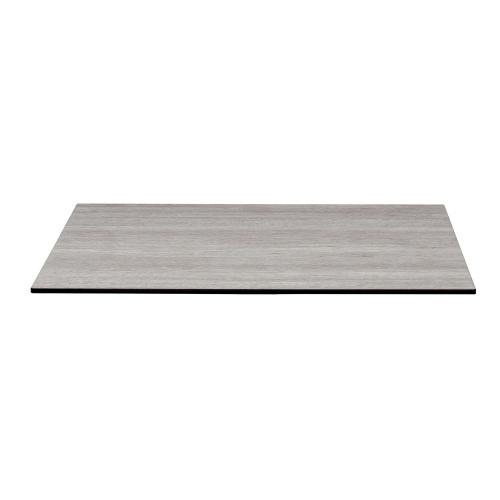 Compact 5298High-pressure laminate square table top
WSP: £74
RRP: £82
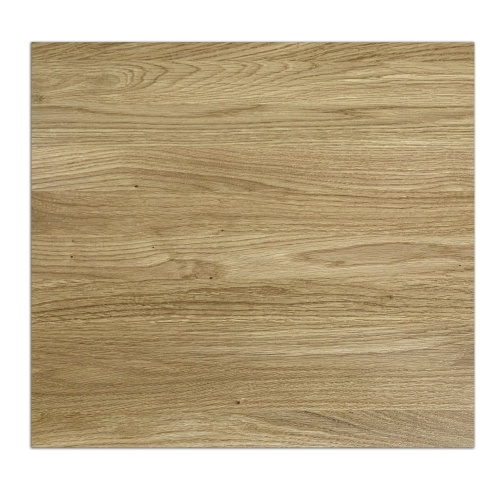 T-6001 BeechWooden square table top
WSP: £158
RRP: £176
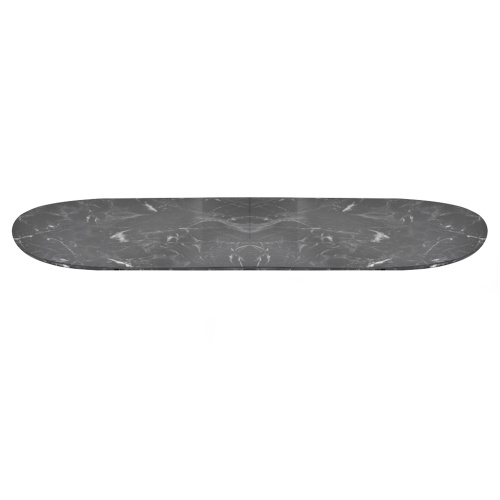 Compact 5566Oval high-pressure laminate table top
WSP: £251
RRP: £279
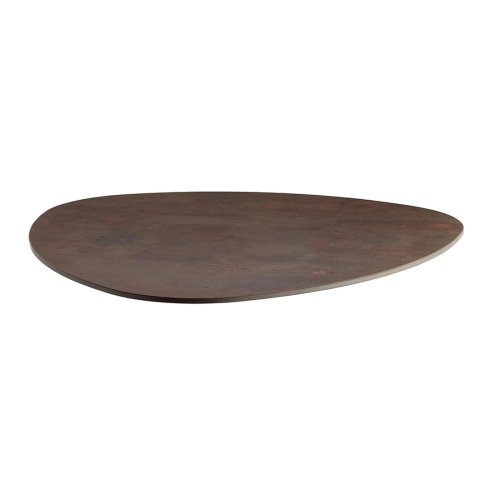 Compact 5559High-pressure laminate triangular table top
WSP: £107
RRP: £119
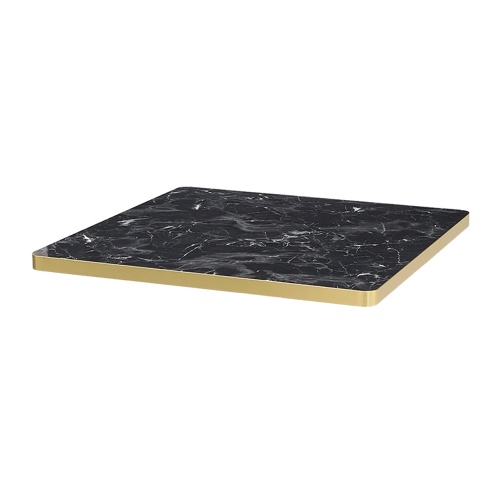 Tiffany 5550 OSLaminate brass ABS square table top
WSP: £99
RRP: £110
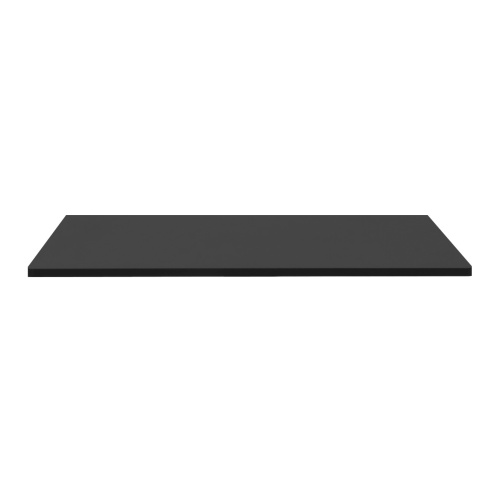 Laminato 706HPL square table top 60-100 cm
WSP: £86
RRP: £92
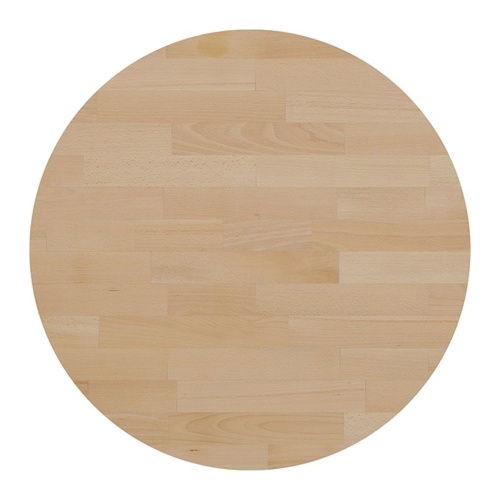 T-8002Beech solid wood round table top 60-120 cm
WSP: £116
RRP: £128
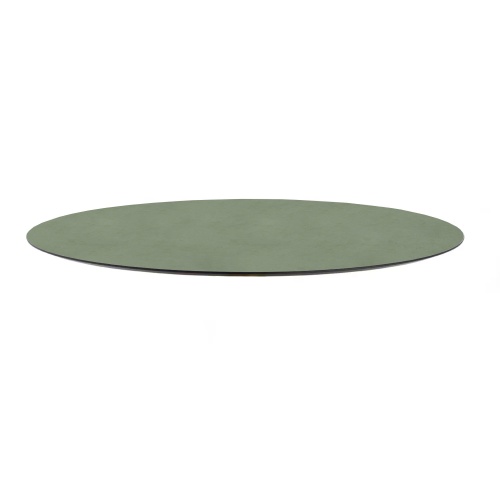 Steel 5570Metal round table top 60-70 cm
WSP: £106
RRP: £118
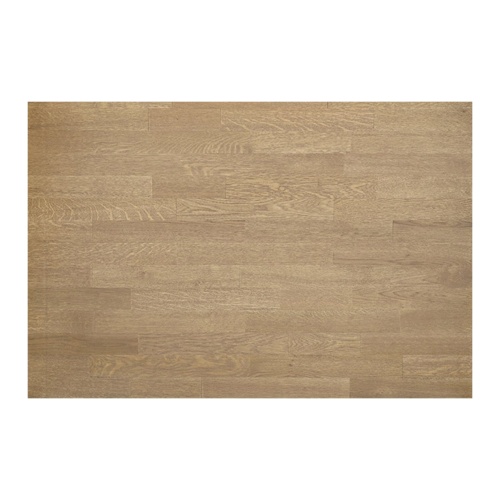 T-8013Oak solid wood rectangular table top 120x70/80 cm
WSP: £314
RRP: £349
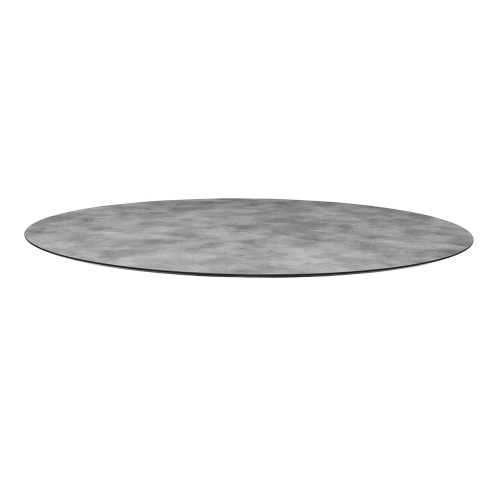 Compact 5282High-pressure laminate round table top
WSP: £74
RRP: £82
Frequently asked questions
What is the difference between dining and bar tables in a hospitality project?
Dining tables normally have a tabletop height of around 75–76 cm and are paired with chairs with a seat height of approximately 45–47 cm. Bar tables generally measure 100–110 cm and are used with high chairs or stools with a seat height of around 72–80 cm. Bar tables also require a particularly stable base because guests are more likely to lean against the tabletop.
Which tabletop is suitable for a café with frequent cleaning?
HPL is a practical choice for venues with frequent cleaning. Depending on the product specification, it can withstand a high number of wet-cleaning cycles and resist commonly used cleaning products. Postformed or protected edges help reduce chipping around the perimeter. Solid timber and veneer generally require more careful maintenance and are less suitable for areas with constant moisture exposure.
Why specify a table from separate components when complete models are available?
A system-based approach makes it possible to replace only the damaged tabletop or base rather than disposing of the complete table. It also makes future expansion easier when the same product references remain available and allows the budget to be distributed differently across individual areas of the venue.
What are adjustable feet, and are they really necessary?
Adjustable feet compensate for small variations in floor level. Depending on the model, the adjustment range may reach approximately 15–20 mm. Without adjustment, a table may rock on stone, tiled or uneven floors, causing discomfort for guests and additional stress on its joints.
Can matching tables be reordered after one or two years?
Often yes, provided that the product reference, finish and colour of the tabletop and base were recorded with the initial order and the manufacturer continues to produce the collection. Reorder availability and lead times should be confirmed when placing the first order.