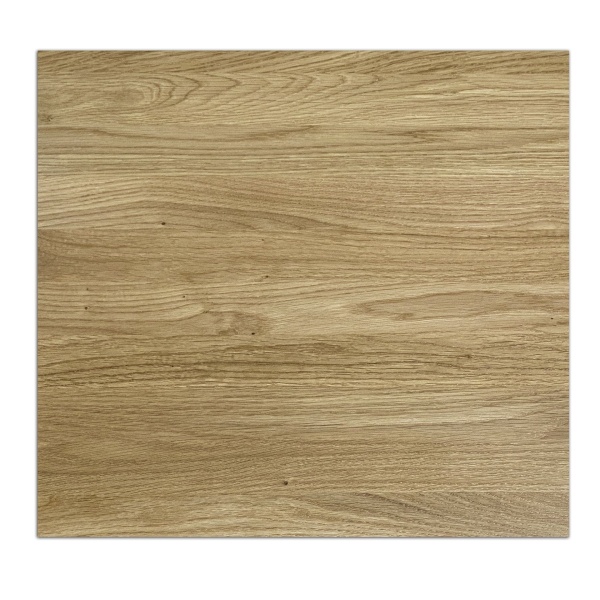
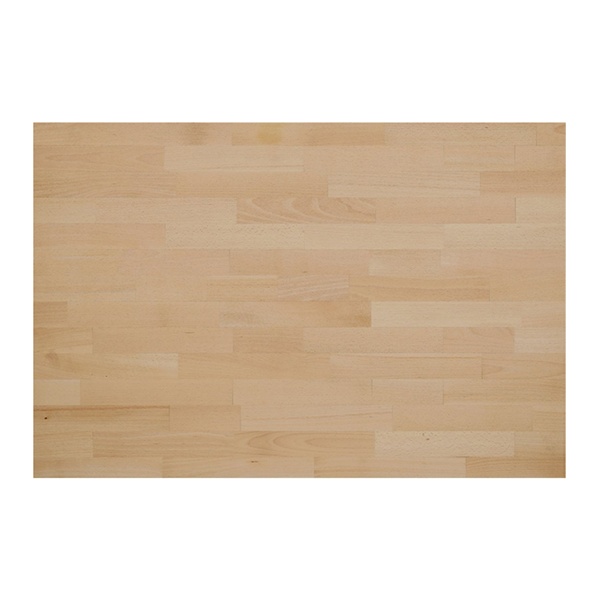
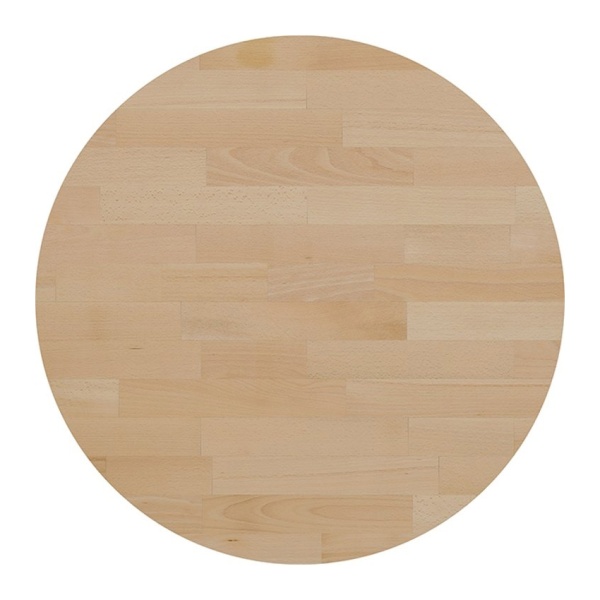
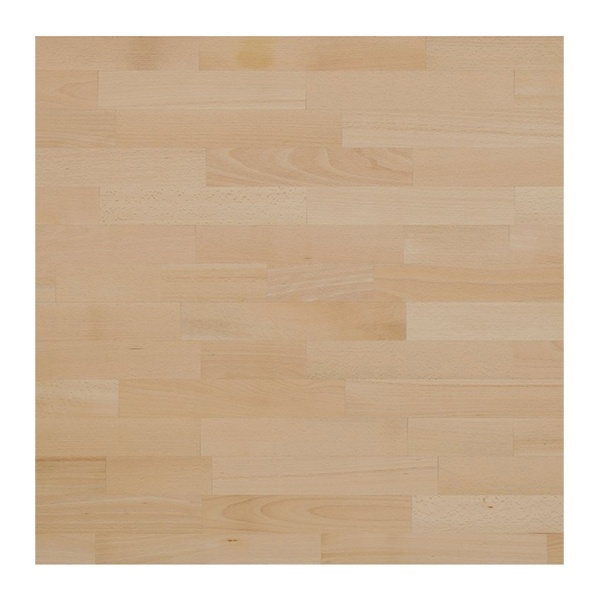
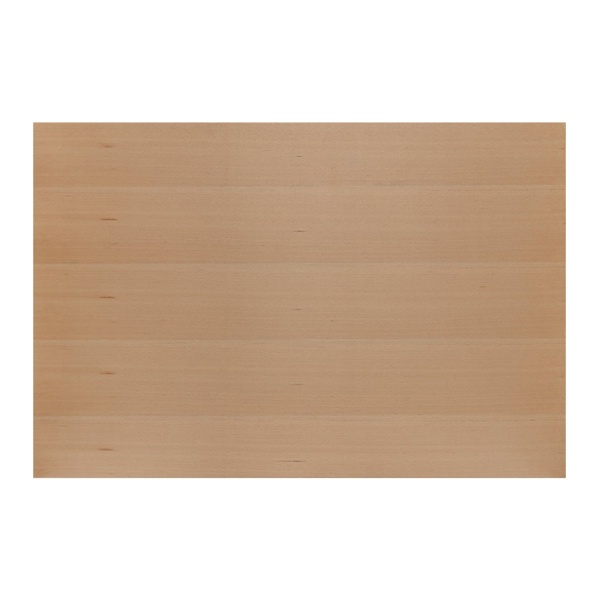
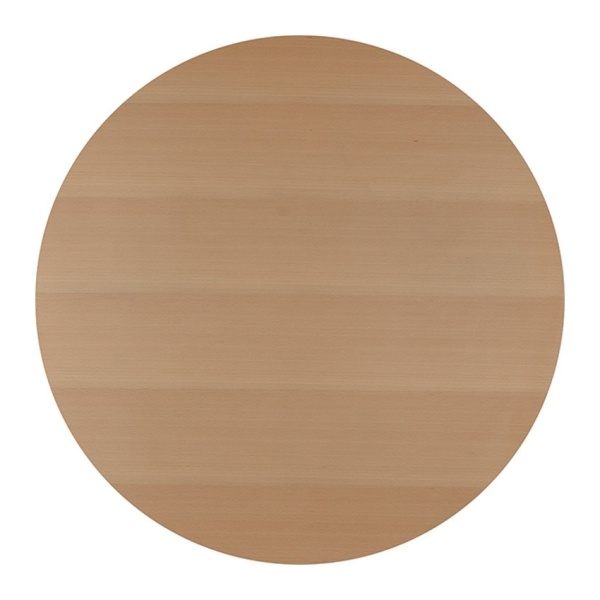
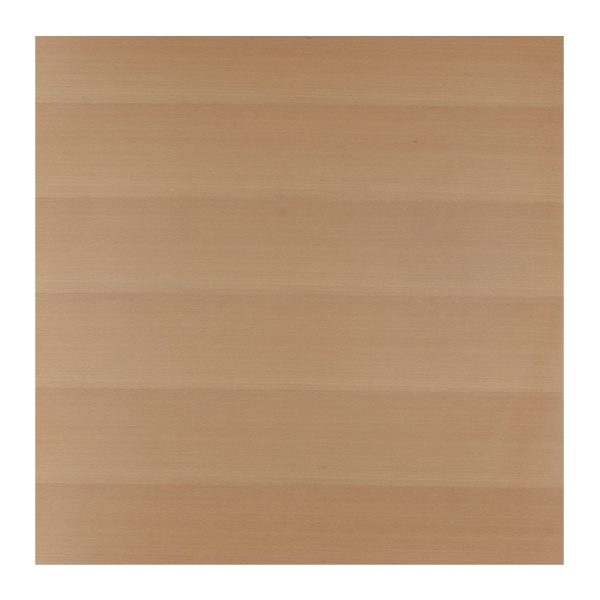
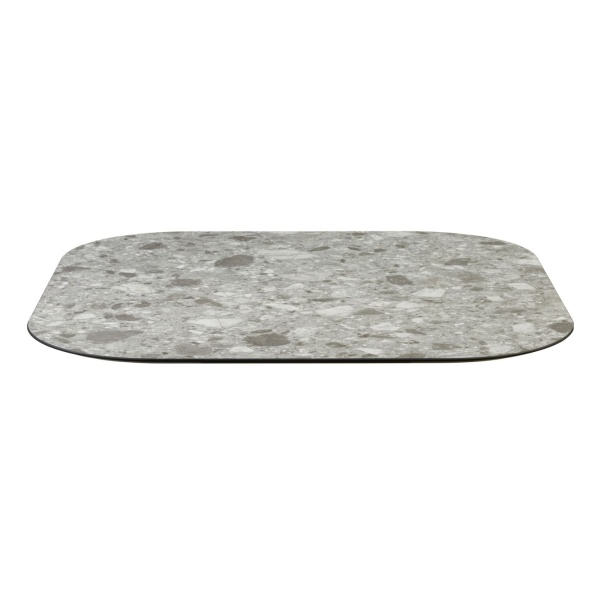
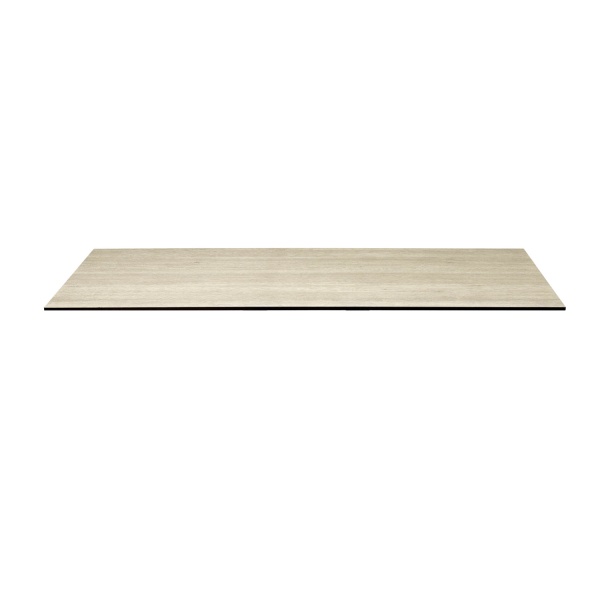
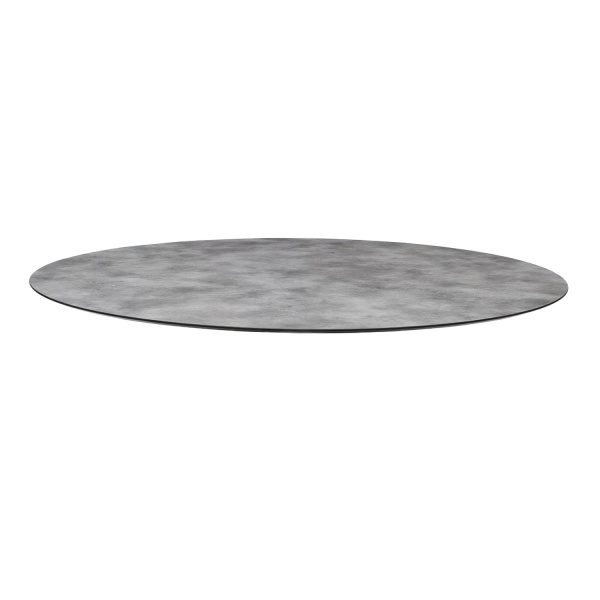
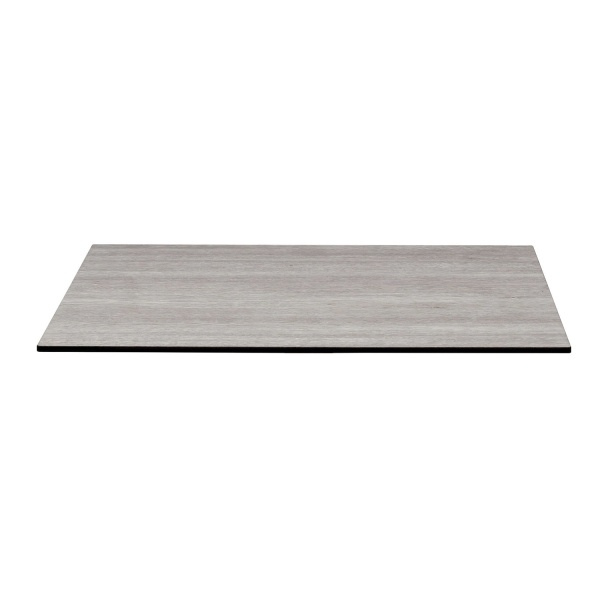
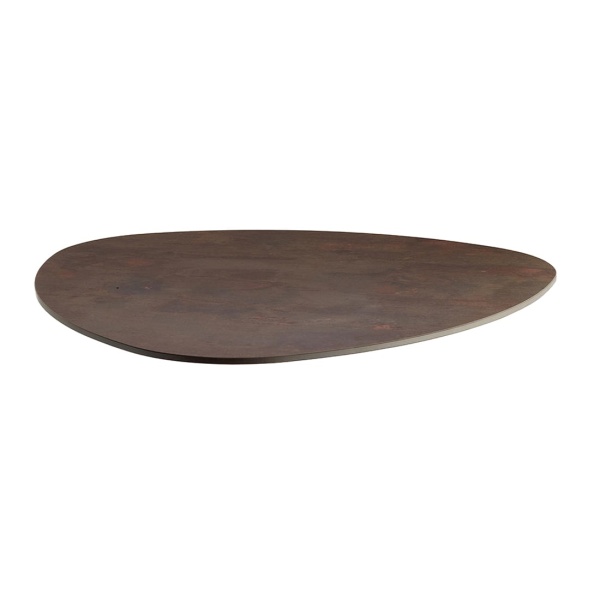
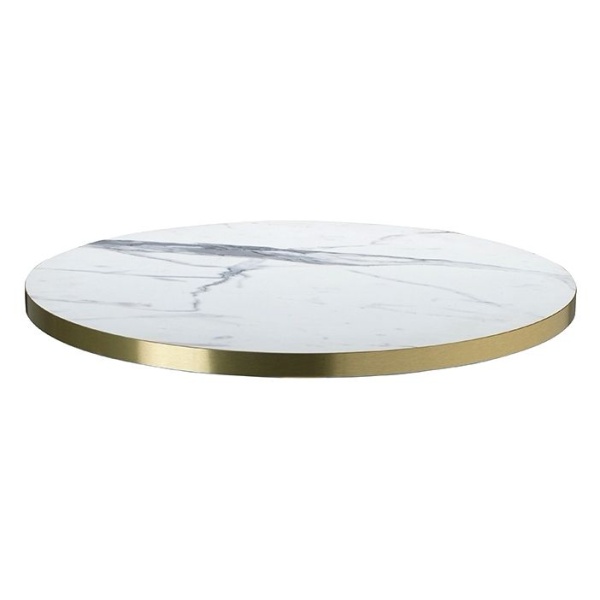
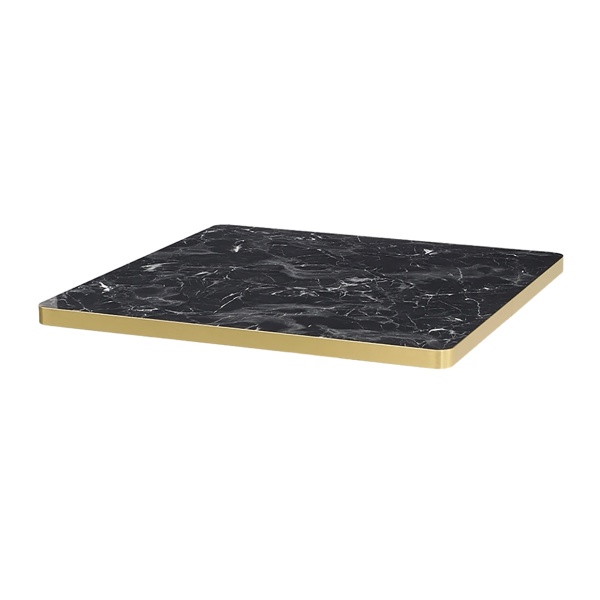
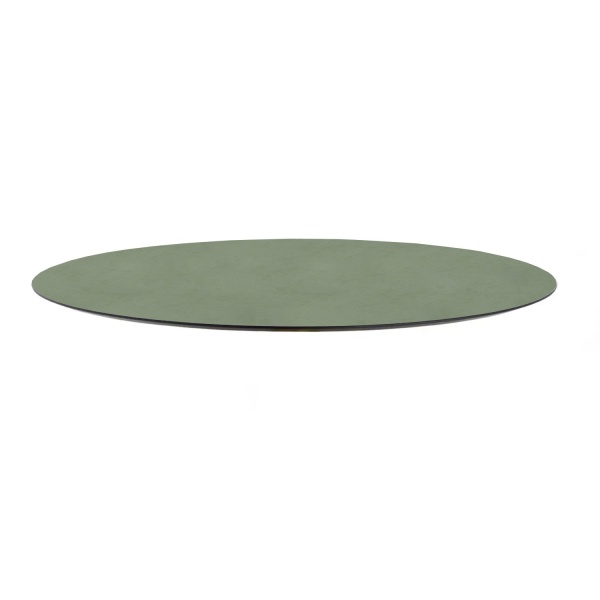
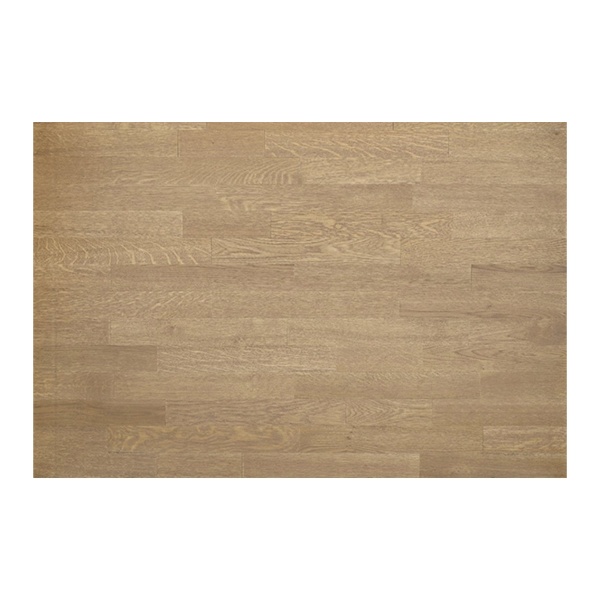
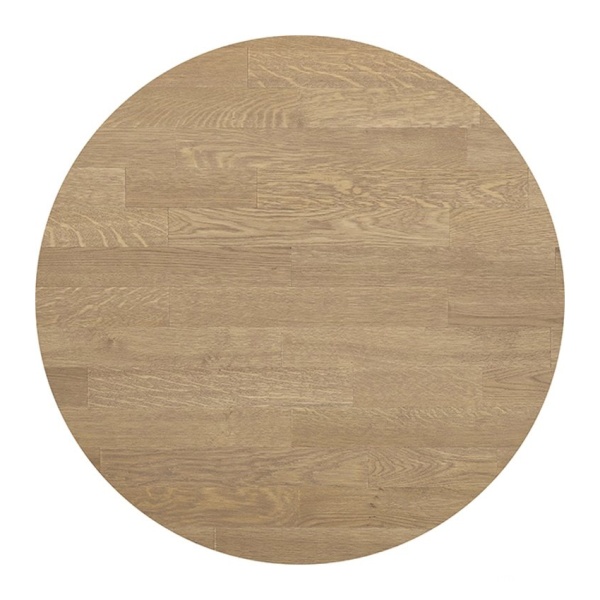
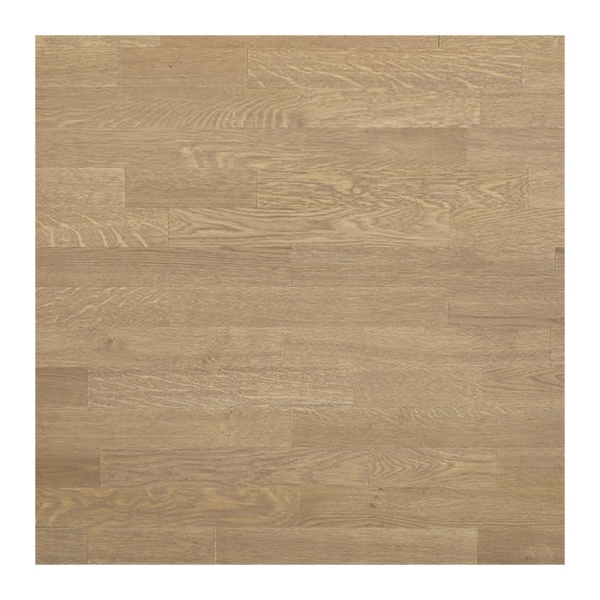
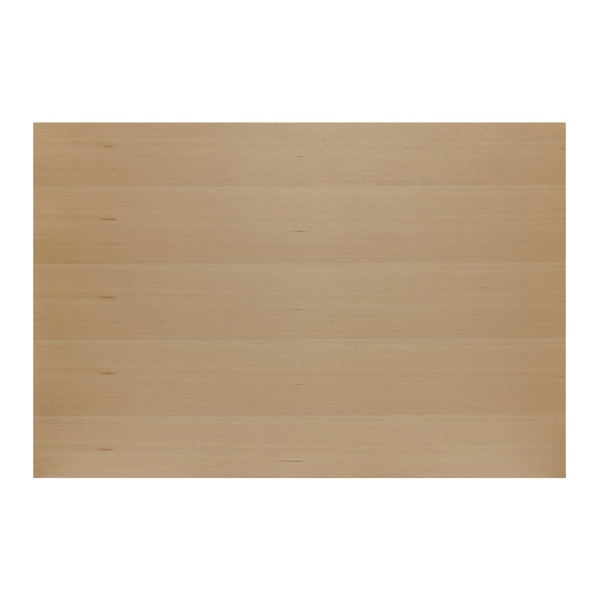
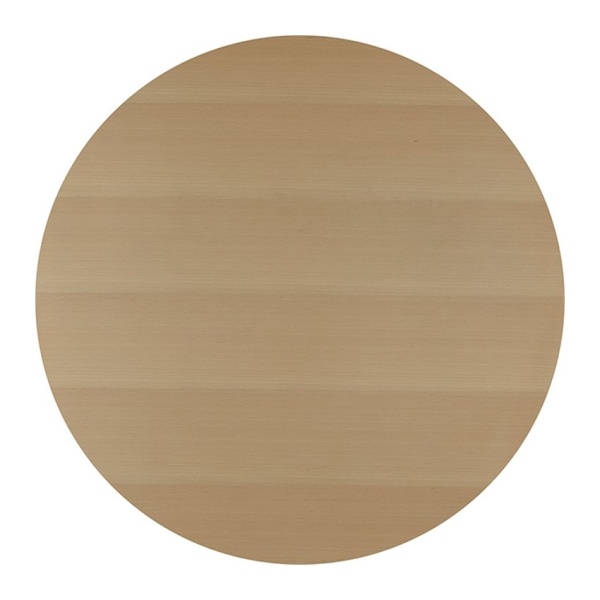
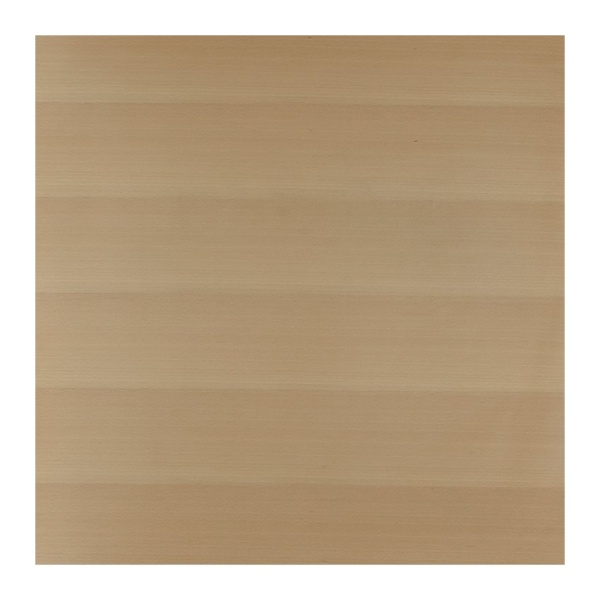
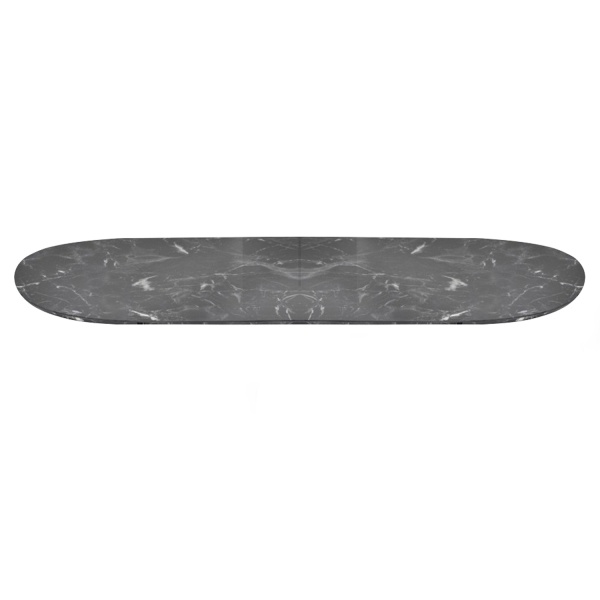
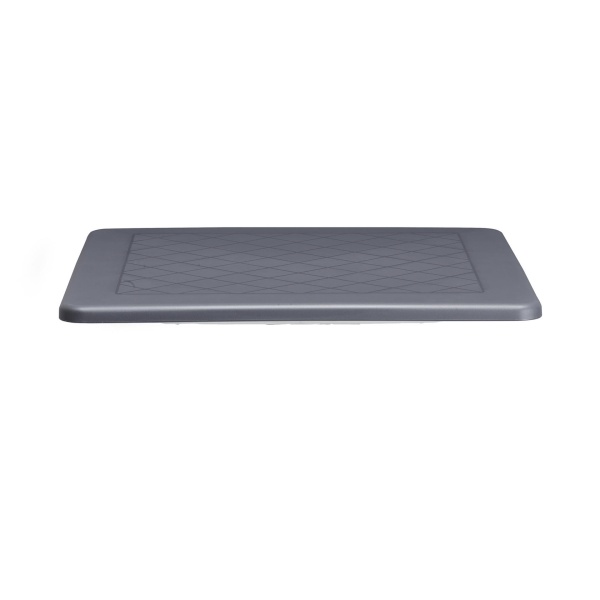
Table tops for cafés, bars and restaurants are replaceable working surfaces that define the look of a venue, daily guest comfort and ongoing maintenance costs. HPL, solid wood, veneer, chipboard and metal — each material has its own lifespan, application and cost of ownership. In the horeca.furniture catalogue — table tops from S-CAB, Nardi, Paged and Mayer Collection for indoor areas and outdoor terraces.
Table tops are a core element of the tables and components section within the restaurant furniture catalogue. Together with bases and complete tables, they form a complete system for furnishing dining areas.
Why a table top is a separate solution, not just part of a table
In most hospitality fit-out projects, table tops are specified separately from the base — not as a cost-saving measure, but as a strategic decision. The table top wears out significantly faster than the frame: scratches, heat marks, spills and daily cleaning all affect the surface, while the metal or cast iron base typically lasts 10–15 years. Replacing only the top reduces maintenance costs by 3–4 times.
A second factor is flexibility. A new table top fitted to an existing table base allows you to update the concept or seasonal appearance without replacing the structure. Switching from HPL to solid wood changes the atmosphere entirely while keeping investment stable.
Industry standard: in high-traffic hospitality venues, table tops are typically replaced every 3–5 years, while the base remains in use throughout the lifecycle of the business.
HPL — the industry standard for hospitality table tops
HPL (High Pressure Laminate) is produced by compressing multiple layers of resin-impregnated paper under high temperature and pressure. The result is a dense, homogeneous material that does not delaminate, does not absorb moisture and withstands daily exposure to heat, liquids and cleaning chemicals.
HPL table tops are heat-resistant up to 180°C, UV-stable and suitable for both indoor and outdoor use. Their lifespan in commercial environments is typically 5–8 years without refurbishment.
Solid wood and veneer: when natural materials are appropriate
Wooden table tops made from oak or beech are suited to venues with a natural or classic aesthetic. They offer durability and can be refinished, but require regular maintenance and are not ideal for uncovered outdoor areas.
Veneer provides a cost-effective alternative with a similar appearance, though it is more sensitive to damage and harder to repair.
Chipboard, metal and technopolymer
Chipboard is a budget solution for high-turnover environments but is sensitive to moisture. Metal table tops offer maximum durability and are often used in industrial-style interiors or bar areas with bar tables.
Technopolymer table tops are designed for outdoor use — terraces, beach clubs and high-exposure environments — requiring minimal maintenance.
| Material | Lifespan | Outdoor use | Application |
|---|
| HPL | 5–8 years | ✔ indoor & outdoor | All hospitality formats |
| Solid wood | 7–10 years | ⚠ indoor only | Restaurants, classic interiors |
| Veneer | 3–5 years | ⚠ indoor only | Mid-range venues |
| Chipboard | 2–3 years | ✘ not suitable | Budget сегмент |
| Metal | 10+ years | ✔ indoor & outdoor | Industrial and bar settings |
| Technopolymer | 5–7 years | ✔ outdoor | Terraces and outdoor venues |
Table top sizes and layout efficiency
Table top size directly affects seating density and service flow. Incorrect sizing reduces revenue per square metre.
60×60 cm — minimum for two guests.
70–80 cm — standard for casual dining.
120×80 cm — optimal for four guests, used with dining tables.
Compatibility with table bases
The table top should extend at least 5–10 cm beyond the base. Always verify mounting plate dimensions before ordering.
Maintenance in commercial use
HPL requires minimal maintenance. Wood needs periodic treatment. Chipboard must be protected from moisture. Metal is maintenance-free.
Order table tops for hospitality projects — in stock and made to order. We assist with specification, sizing and compatibility.