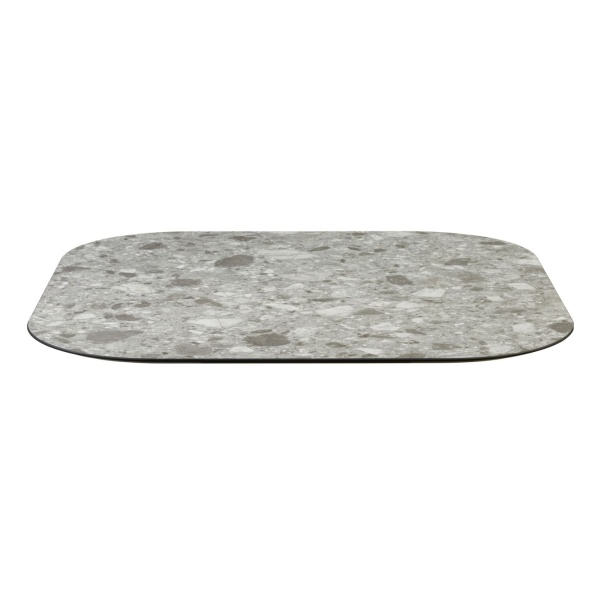
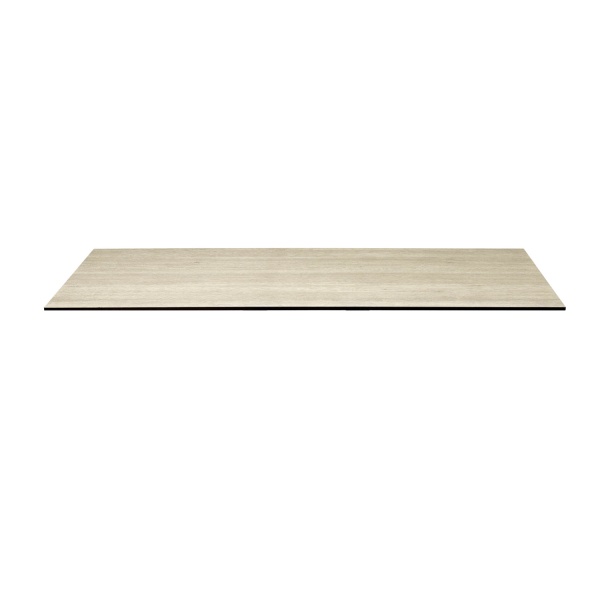
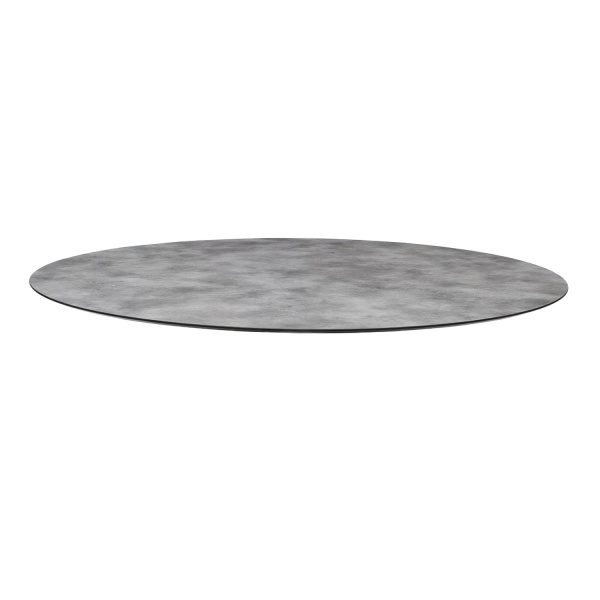
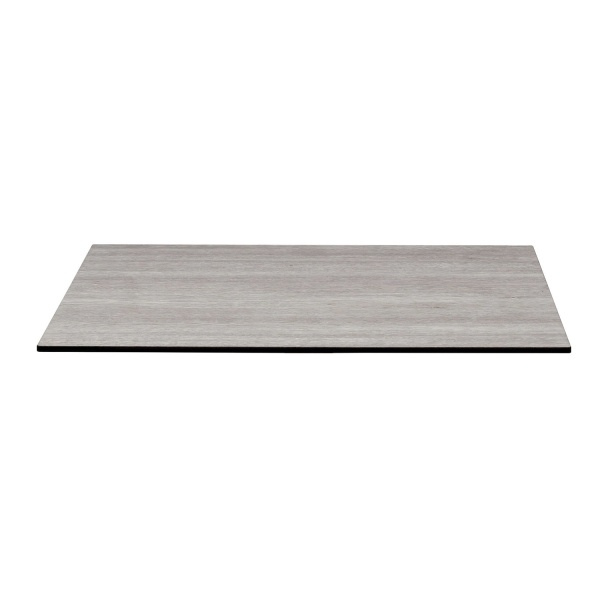
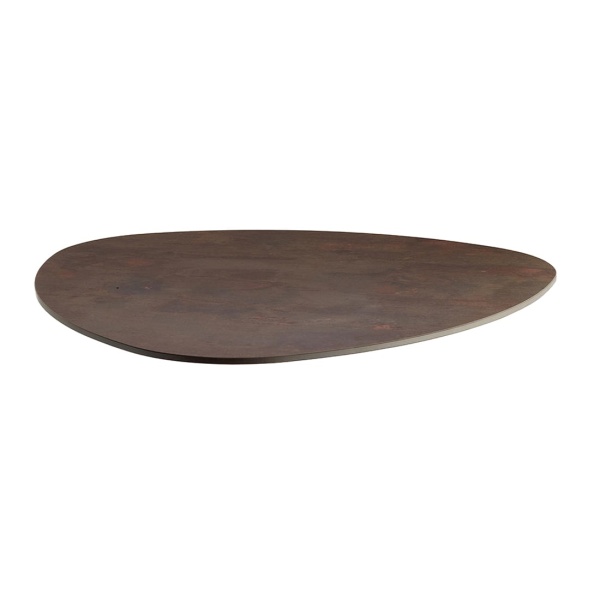
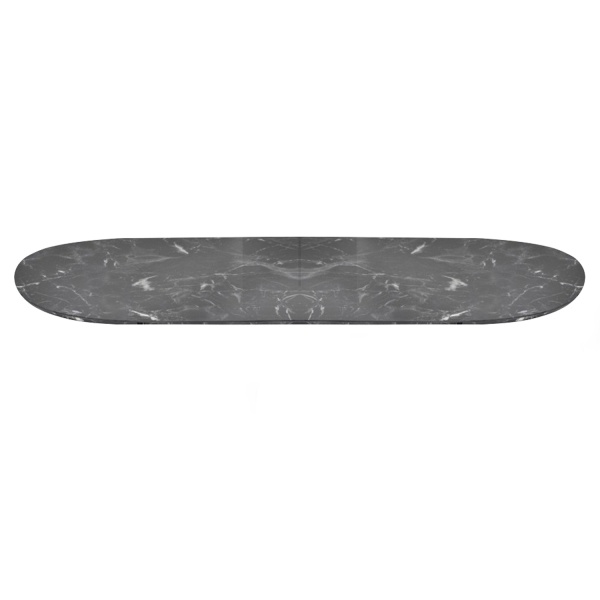
HPL table tops for cafés and restaurants are contract-grade table tops designed for intensive commercial use. High-pressure laminate combines good resistance to scratches, moisture and regular cleaning with a wide choice of finishes, making it a practical material for hospitality furniture. Our range includes square, rectangular and round table tops from manufacturers such as Nardi and SCAB Design.
Within our range of table tops, HPL models are a popular choice for cafés, restaurants, bars and hotels thanks to their balance of durability, price and ease of maintenance. A table top can be selected for a compatible table base or purchased as part of a complete dining table.
What is HPL and why is it used in hospitality furniture?
HPL (High Pressure Laminate) is a layered material manufactured by pressing resin-impregnated paper layers under high pressure and temperature. The resulting surface is hard, durable and available in a wide range of decorative finishes.
For cafés and restaurants, the practical advantages are clear: HPL surfaces are easy to clean and, depending on their specification, offer good resistance to moisture, stains, abrasion and the demands of frequent commercial use. This makes HPL a common choice for high-traffic dining areas, cafés, food courts and restaurants.
Technical characteristics to consider
When choosing an HPL table top for commercial use, thickness and colour are only part of the specification. The type of laminate, construction of the top, intended application and manufacturer's technical data should also be considered.
EN 438 is the principal European standard covering high-pressure decorative laminates. It defines requirements and test methods for properties such as resistance to abrasion, scratching, heat, staining and moisture. The exact classification and performance should always be checked against the technical specification of the individual product.
Abrasion resistance. HPL is designed to provide substantially greater surface durability than many conventional decorative laminates. Actual abrasion performance varies by product, so for intensive hospitality applications it is advisable to compare the manufacturer's declared test results rather than relying on thickness alone.
Scratch resistance. Surface resistance depends on the laminate grade, texture and finish. For cafés and restaurants, this is particularly relevant because table tops are repeatedly exposed to crockery, cutlery and frequent cleaning.
Resistance to moisture and cleaning products. Commercial HPL surfaces are generally easy to maintain and can withstand routine cleaning with suitable detergents. The manufacturer's care instructions should be followed, particularly when stronger disinfectants or concentrated chemicals are used.
Thickness and construction. Conventional HPL can be bonded to a substrate such as MDF or particleboard, while Compact HPL has a solid, self-supporting construction. Overall thickness therefore depends on the type of table top rather than simply on the thickness of the decorative laminate.
Indoor and outdoor HPL table tops
Not every HPL table top is suitable for outdoor use. Standard HPL bonded to an MDF or particleboard substrate is primarily intended for interiors unless the manufacturer specifically states otherwise. For terraces and outdoor dining areas, choose a table top explicitly approved for exterior use, often manufactured from Compact HPL or another weather-resistant construction.
Compact HPL consists of resin-impregnated layers pressed into a solid panel without an MDF or particleboard core. Its dense construction makes it particularly suitable for applications where moisture resistance and dimensional stability are important. Outdoor suitability, UV resistance and permitted temperature range should nevertheless be verified for each product.
For restaurants with terraces, the distinction is important: an indoor HPL top should not automatically be treated as an outdoor table top. Exterior models are specifically engineered for exposure to moisture, sunlight and changing temperatures.
Our range includes HPL table tops in standard commercial formats. The appropriate size depends on the number of guests, table layout and compatible base.
HPL colours and finishes
HPL table tops are available in a broad selection of finishes, including wood effects, stone and concrete effects, as well as solid colours such as black, white, anthracite, grey and beige. Availability depends on the manufacturer and individual collection.
Practical considerations also matter when choosing a finish. Dark plain surfaces can make dust and fingerprints more visible, while textured wood- and stone-effect decors tend to be more forgiving in busy commercial environments. The final choice should balance the interior concept with everyday maintenance requirements.
HPL table top sizes and seating capacity
| Size / diameter | Typical capacity | Suitable for |
|---|
| 600×600 / Ø 600–700 mm | 2 guests | Café, espresso bar, compact bistro |
| 700×700 / Ø 800 mm | 2–3 guests | Bistro, compact dining area |
| 800×800 / Ø 900 mm | 4 guests | Restaurant, bistro |
| 900×900 / Ø 1000–1100 mm | 4–6 guests | Restaurant, hotel dining |
| 1200×800 / Ø 1300 mm | Up to 6 guests | Restaurant, group dining |
| 1400×800 / Ø 1400 mm | 6–8 guests | Restaurant, banqueting |
| 1600×700 / Ø 1500 mm | 8+ guests | Banqueting, communal dining |
| 1600×800 mm | 8+ guests | Banqueting, flexible dining spaces |
Larger table tops require a base specifically rated for their dimensions and weight. Depending on the format, this may mean twin pedestal bases, a frame base or another manufacturer-approved support system. See our full range of table bases.
HPL or wooden table tops: which should you choose?
HPL and solid wood are two established options for restaurant tables, but they serve different design and operational requirements.
HPL table tops are particularly suitable for high-traffic venues where easy cleaning, predictable maintenance and a broad choice of finishes are priorities. They are widely used in cafés, casual dining, restaurants, hotels and other commercial environments.
Wooden table tops are often chosen where natural texture and material character form an important part of the interior concept. Solid beech or oak can also be refinished, although timber generally requires more maintenance than HPL.
Many hospitality projects use both materials in different areas. HPL can be specified for high-traffic dining zones, while timber is used where a warmer or more premium material expression is required. Explore the complete range of table tops for restaurants and cafés.
How to care for an HPL table top
HPL is relatively easy to maintain in commercial environments. For routine cleaning, use a soft damp cloth with a suitable neutral detergent. Always follow the manufacturer's care instructions for the specific surface.
Abrasive pads and powders should generally be avoided because they can dull or scratch the finish. Prolonged contact with aggressive concentrated chemicals should also be avoided. Outdoor table tops should be maintained according to the manufacturer's instructions, particularly around edges, fixing points and drainage areas.
The service life of an HPL table top depends on its construction, specification, intensity of use and maintenance. Correctly specified contract-grade products can provide many years of service in busy hospitality environments.
An HPL table top is not simply a lower-cost alternative to timber. For many cafés, restaurants and hotels, it is a deliberate specification choice combining durability, easy maintenance, design flexibility and commercial practicality.