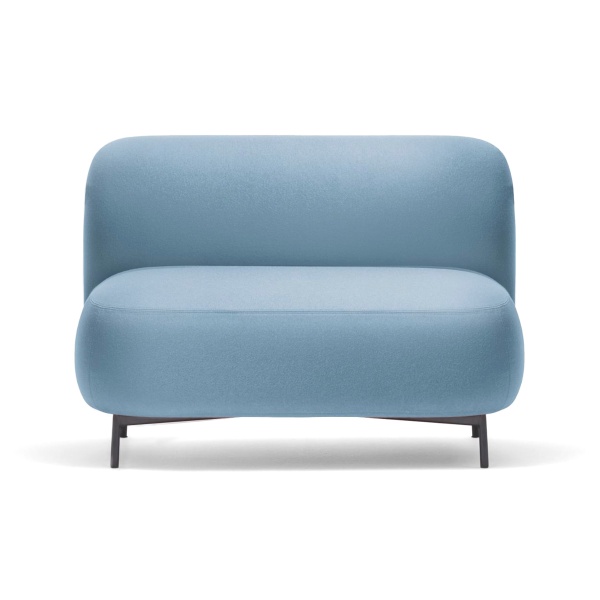
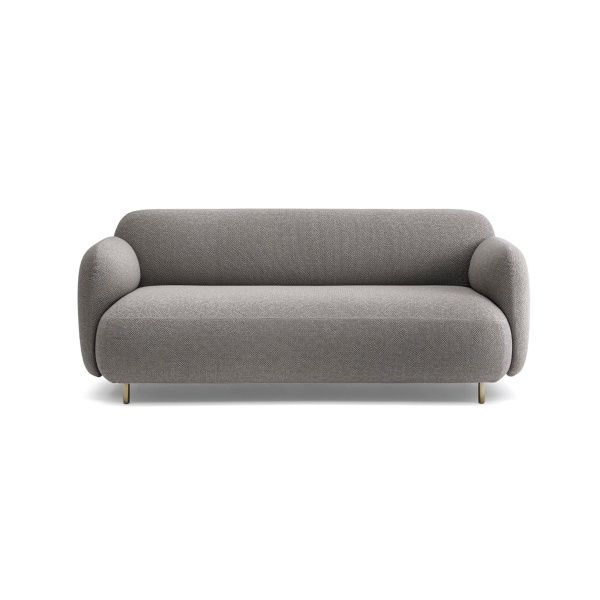
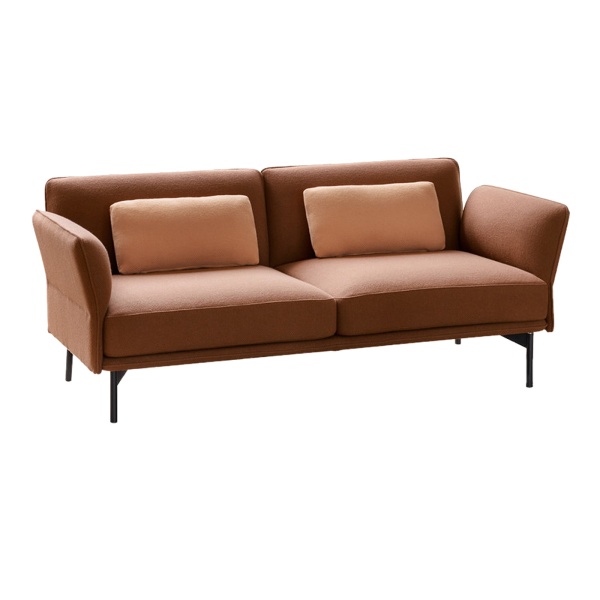
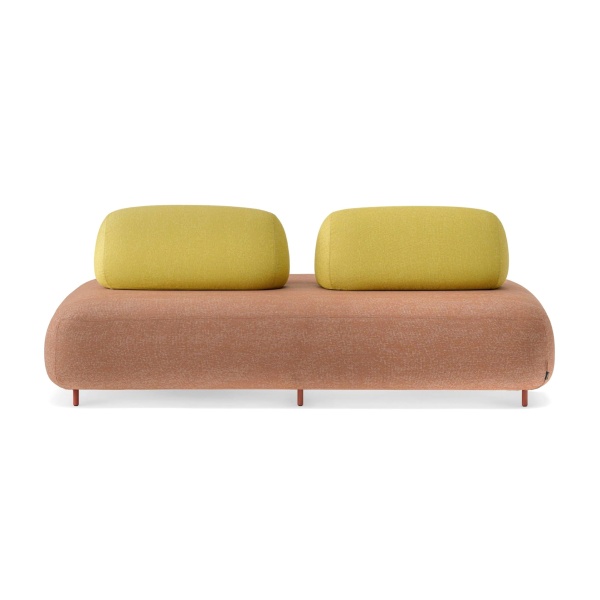
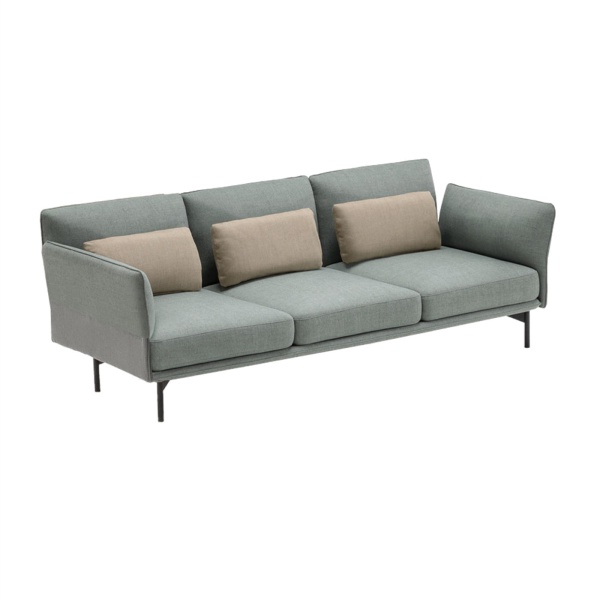
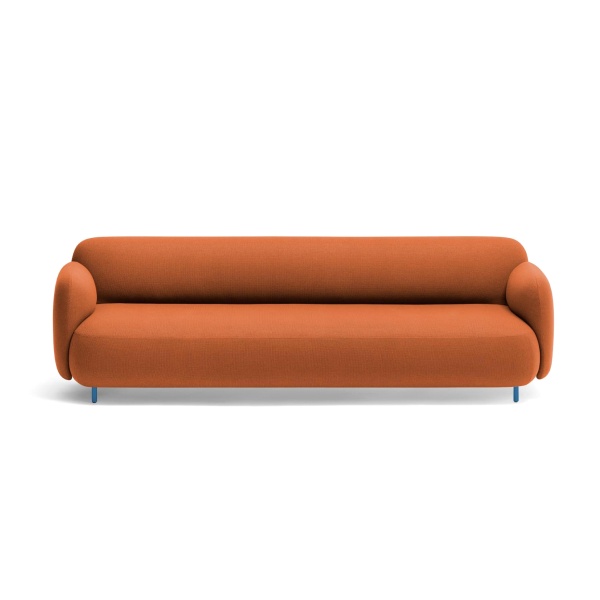
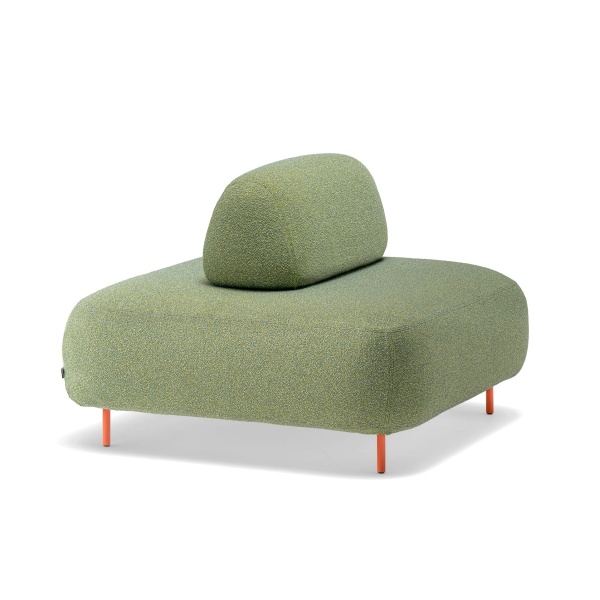
Office sofas are professional upholstered seating solutions for receptions, waiting areas, breakout spaces, lounges, informal meeting areas and other shared workplace environments. They should be specified according to the function of the space, frequency of use, room dimensions, seating ergonomics, upholstery requirements and the number of people the area needs to accommodate.
In a modern workplace, a sofa can serve several purposes: provide comfortable seating for visitors, create an informal setting for short meetings, complement a reception area or provide employees with a place to take a break. A model that works well in a spacious corporate lounge may therefore be unsuitable for a compact reception or high-traffic waiting area.
HoReCa.Furniture offers professional sofas for offices and commercial interiors from European manufacturers. The category forms part of our upholstered office furniture range and includes different seating formats, from compact two-seater sofas to larger and modular configurations for spacious workplace environments.
Where are office sofas used?
The specification depends primarily on where the sofa will be installed. In a waiting area, efficient use of space, comfortable seating and ease of maintenance are important. In a breakout or lounge space, a more relaxed seating position may be appropriate, while reception furniture also needs to support the visual identity and character of the workplace.
An office sofa should therefore be treated as part of the functional workplace layout rather than simply as a decorative piece of furniture.
For a commercial project, appearance is only one consideration. Overall width and depth, seat height, capacity, construction and upholstery all need to suit the way the particular office area will actually be used.
Sofas for receptions and waiting areas
Reception and waiting areas often create a visitor's first physical impression of a business. They are also working environments through which employees, clients, partners and other visitors may move throughout the day. Seating therefore needs to combine a professional appearance with the practical requirements of regular commercial use.
In a compact reception, compare the overall footprint of a sofa with the number of usable seats it provides. An excessively deep model can consume valuable floor space without increasing capacity. Larger waiting areas can accommodate several sofas or combine them with armchairs and other seating types.
Sofas for breakout spaces and informal meetings
Breakout and lounge areas operate differently from conventional workstations. Employees may use them for short meetings, conversation, laptop work or breaks between tasks. A more relaxed seating position can be appropriate, but the geometry should still reflect the intended function of the space.
Where individual seats are also required, sofas can be combined with office lounge chairs. This makes it possible to create seating groups of different capacities and respond more precisely to the available floor plan.
How to choose a sofa for an office
Start with the intended use and the floor plan. A sofa suited to a large lobby may overwhelm a small reception, while seating intended for short waiting periods may not provide the right level of comfort for an employee breakout area.
- Purpose. Define whether the sofa is intended for reception, a waiting area, lounge, breakout space, private office or staff rest area;
- Dimensions. Consider overall depth as well as width so that circulation routes and clear space are maintained;
- Seating capacity. Compare the overall footprint with the number of usable seats;
- Ergonomics. Seat height and depth, backrest angle and armrests should suit the expected duration and type of use;
- Construction. For commercial interiors, assess the frame, supports, cushioning and the model's suitability for professional use;
- Upholstery. Specify materials according to traffic levels, cleaning requirements, design and the technical requirements of the project;
- Modularity. For large or unconventional spaces, modular collections can provide greater flexibility in creating seating configurations;
- Future availability. For corporate and multi-site projects, the ability to add compatible pieces later can be an important specification criterion.
Upholstery for office sofas
Upholstery has a direct impact on how practical a sofa is in a commercial environment. In receptions and high-traffic visitor areas, durability and cleaning requirements are particularly important. In executive offices, lounges and client-facing spaces, texture, tactile quality and visual character may carry greater weight alongside practical performance.
Professional furniture collections often offer a choice of fabric categories, faux leather, leather and frame finishes. This makes it possible to coordinate the sofa with a corporate colour palette or a wider interior design scheme.
Technical performance should always be checked for the specific upholstery selected. Abrasion resistance, cleaning instructions, fire-performance requirements and other properties vary by material and manufacturer specification.
Sofa dimensions and office planning
A sofa's footprint affects both comfort and the efficient use of floor space. Planning should account for its full width and depth, adjacent furniture, principal circulation routes and the clear area required around the seating group.
This is particularly important in smaller receptions and waiting rooms. A compact two-seater may use the available space more efficiently than a deep, oversized sofa. In large corporate lobbies and communal areas, several seating groups can instead be used to organise different functional zones.
These areas should be planned together with the wider office furniture scheme so that sofas support circulation rather than obstruct it and remain part of a coherent workplace layout.
Modular sofas for office spaces
Modular sofas are particularly useful in large offices, coworking environments, lobbies and multifunctional corporate spaces. Individual modules can be arranged into linear, corner or island configurations according to the architecture of the room and required seating capacity.
This provides greater control over the floor plan than a single sofa of fixed dimensions. Designers can build a seating arrangement from the modules available within a particular collection. Module types and permitted configurations should always be checked for the individual range.
Office sofas for different workplace environments
Reception areas. A professional appearance, efficient footprint and compatibility with the company's interior identity are key considerations.
Waiting areas. Space efficiency, visitor comfort and practical materials become priorities where seating is used regularly throughout the day.
Lobbies. In larger entrance areas, sofas can form part of substantial seating compositions alongside armchairs, pouffes and occasional tables.
Lounges and breakout spaces. More relaxed seating can support informal conversation, short periods of work and employee downtime.
Private offices. A sofa can create a separate setting for visitors or informal discussions away from the main desk.
Coworking spaces. Upholstered seating groups provide alternative settings for work and interaction beyond conventional desks and task chairs.
Professional sofas for commercial interiors
These sofas are not limited to conventional offices. Professional models can also be specified for business centres, clinics, salons, showrooms, educational facilities and other public or commercial interiors where comfortable seating is required for visitors or staff.
The specification principles remain similar: construction and materials should be appropriate for the anticipated level of use, while dimensions should correspond to the actual floor plan.
The right office sofa balances seating capacity, comfort, footprint, design and practicality. In a commercial project it should be assessed as part of the complete space and seating plan rather than as an isolated item.
Buy office sofas for commercial projects
HoReCa.Furniture supplies professional sofas for offices, receptions, waiting areas, lounges and other commercial interiors. Our range includes collections from European manufacturers in different sizes, styles and upholstery options.
We can help specify sofas according to the floor plan, required seating capacity, intended use, design and project budget. For complete workplace schemes, sofas can be coordinated with staff furniture and meeting and conference room furniture to create a coherent interior across different functional areas.