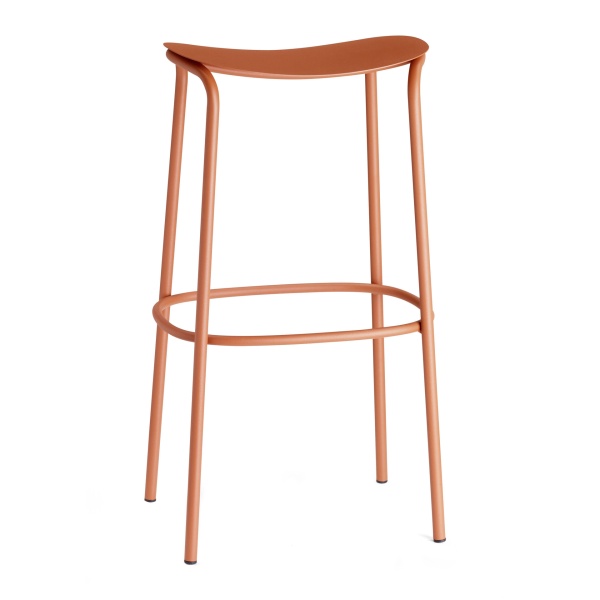
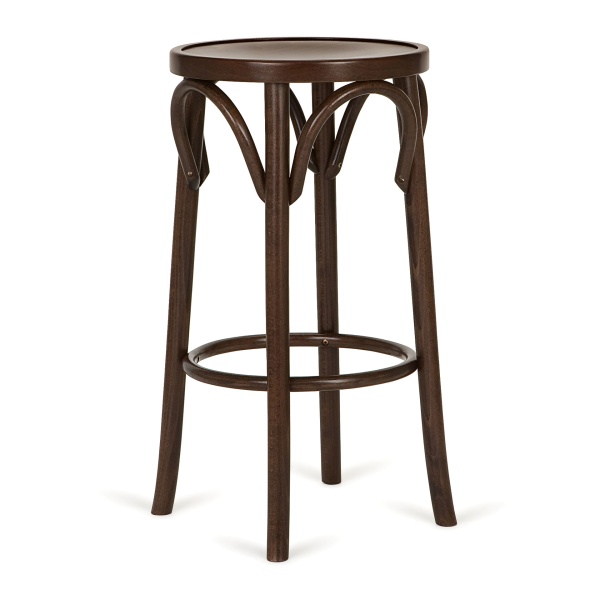
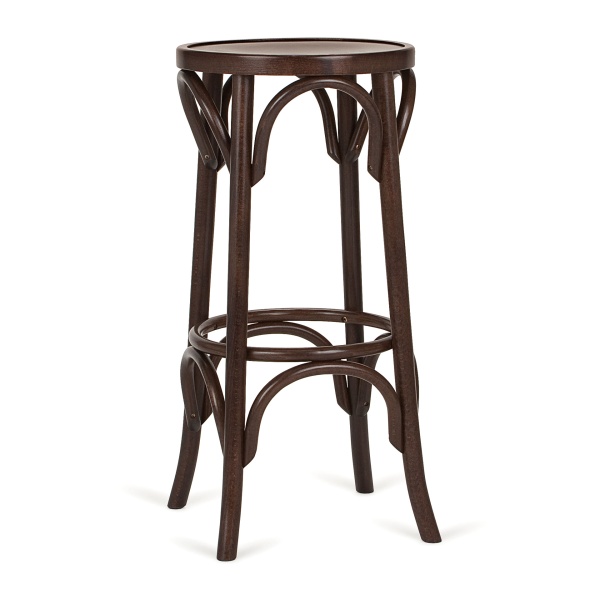
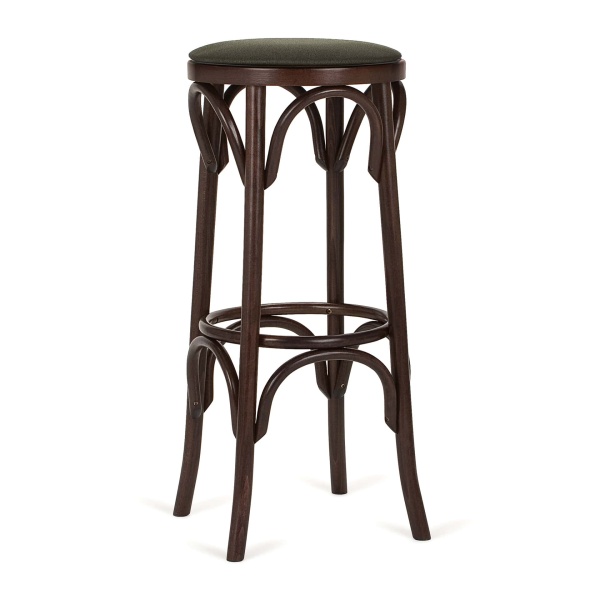
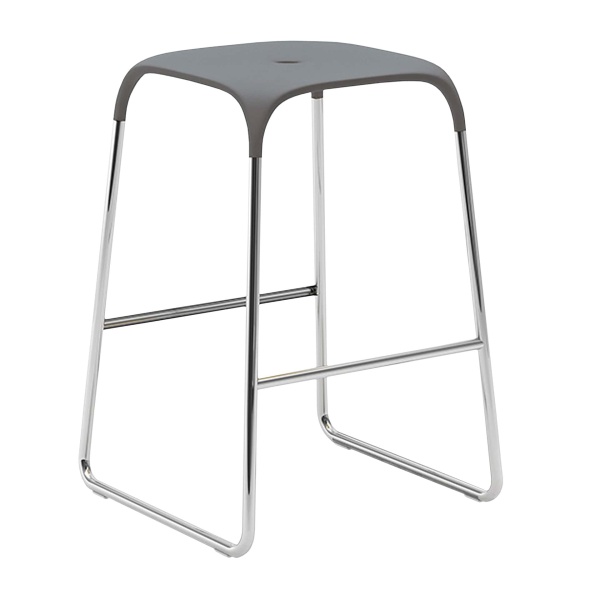
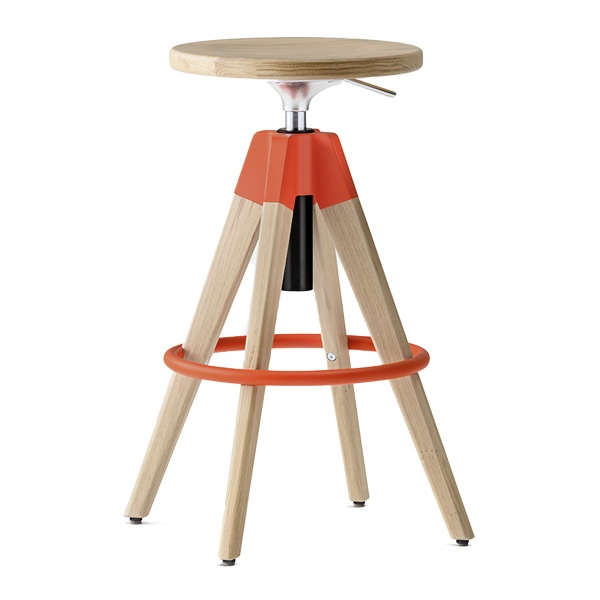
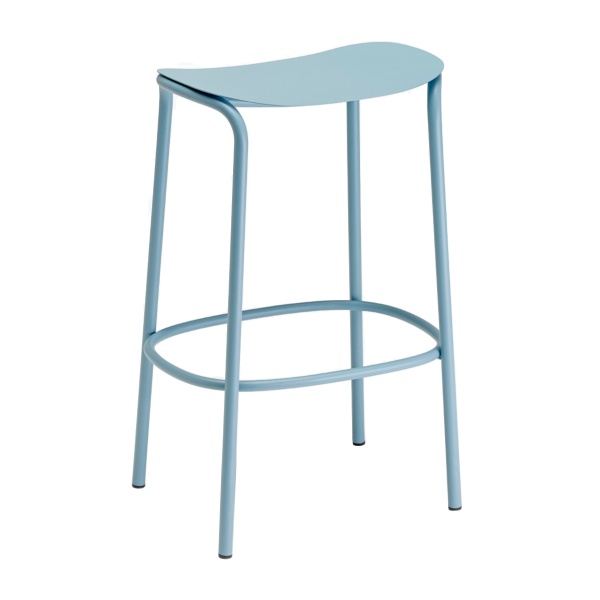
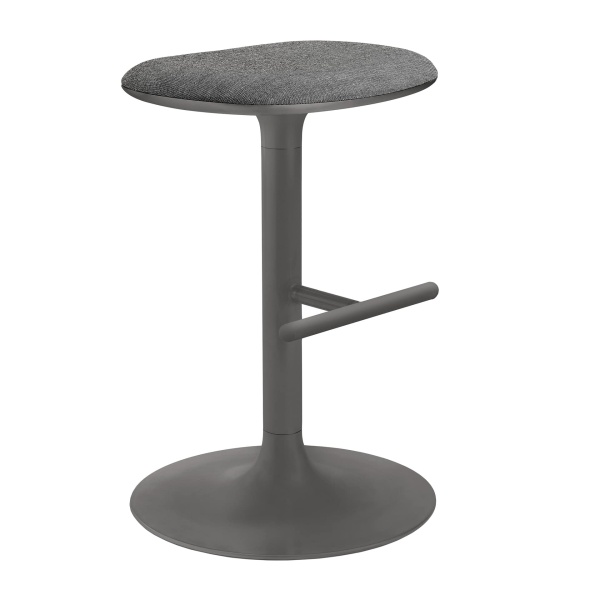
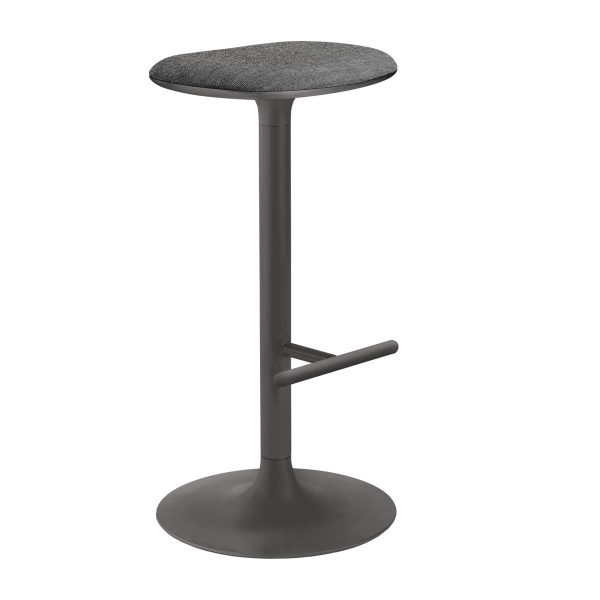
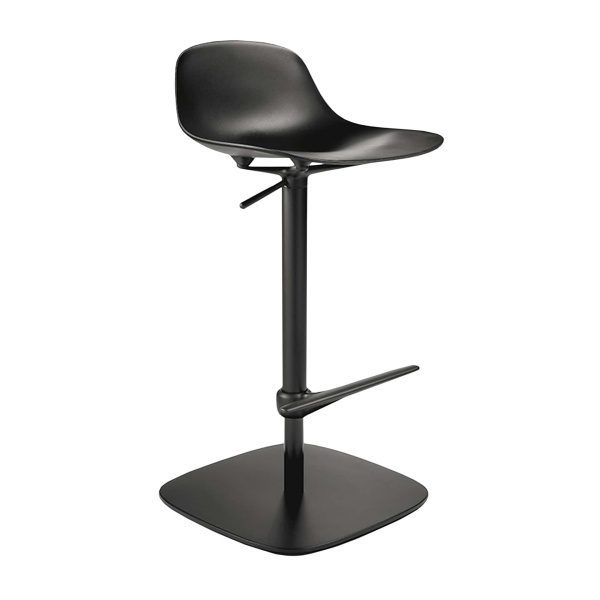
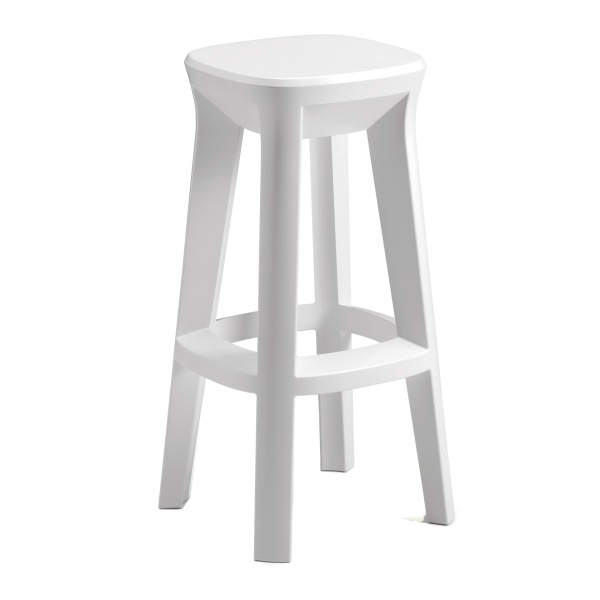
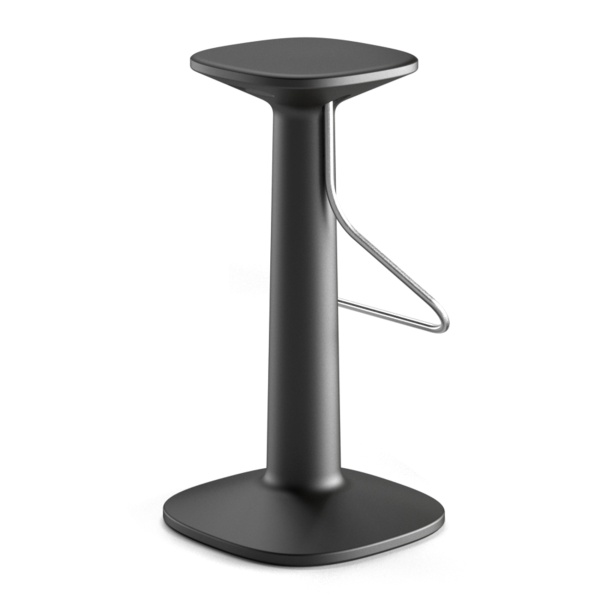
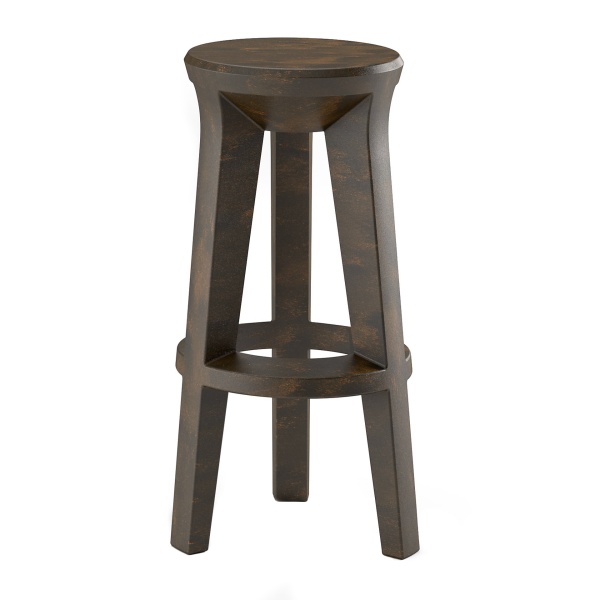
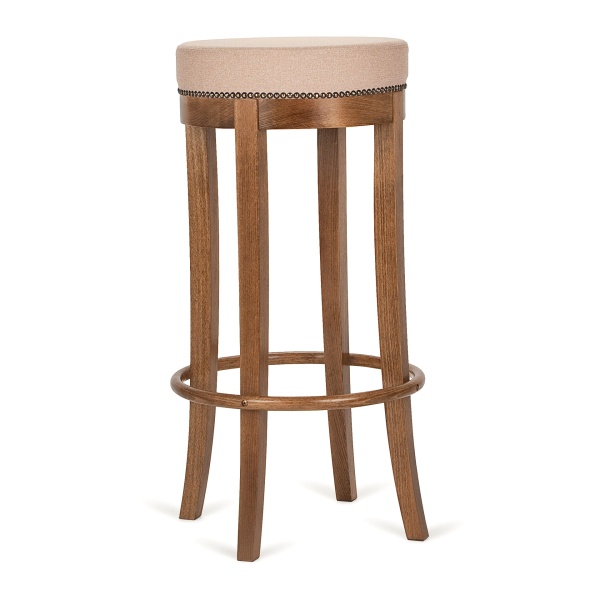
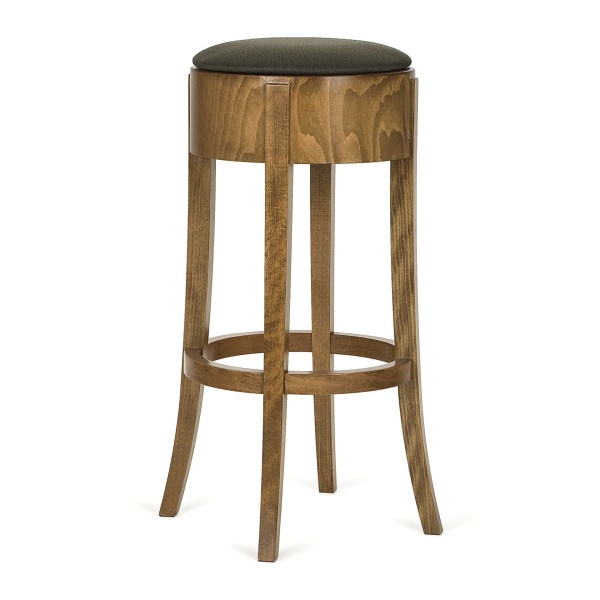
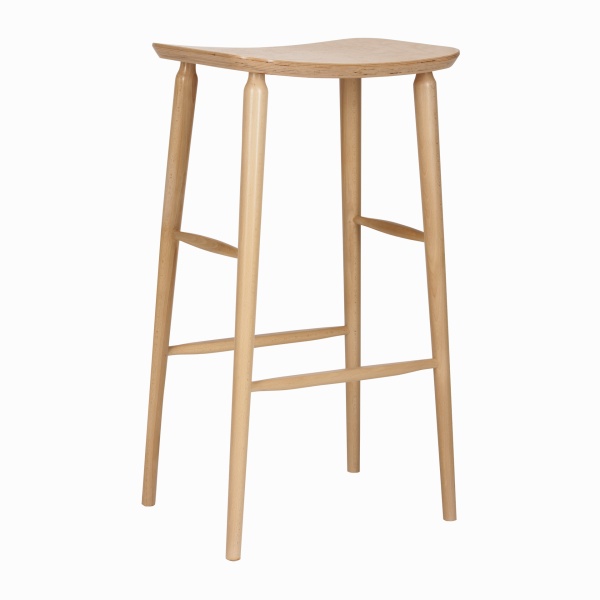
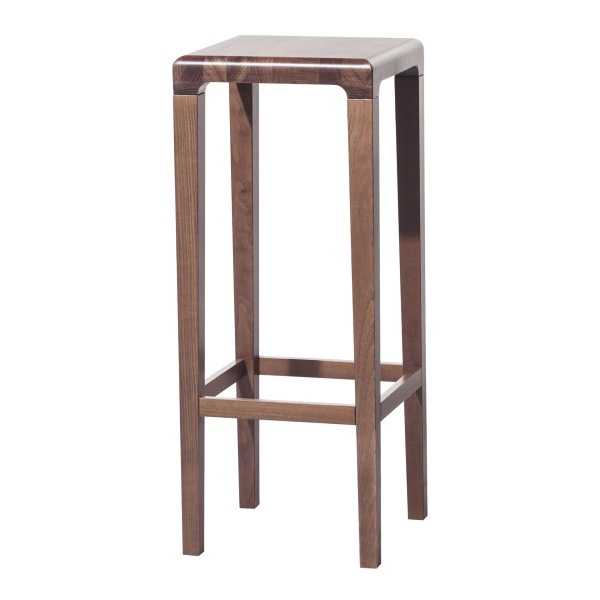
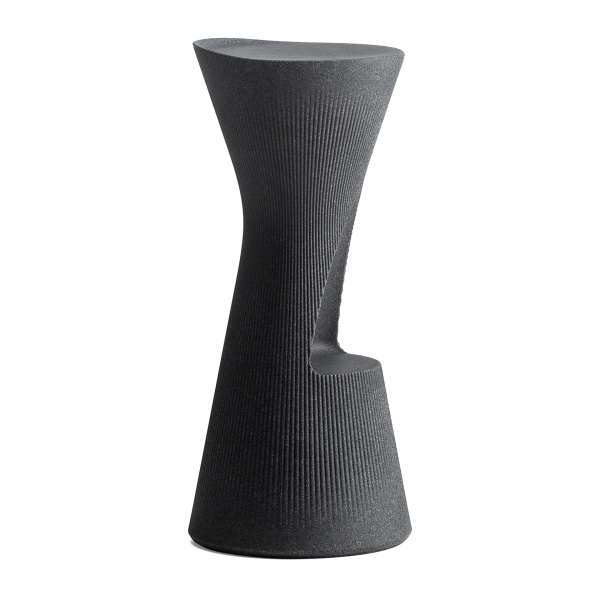
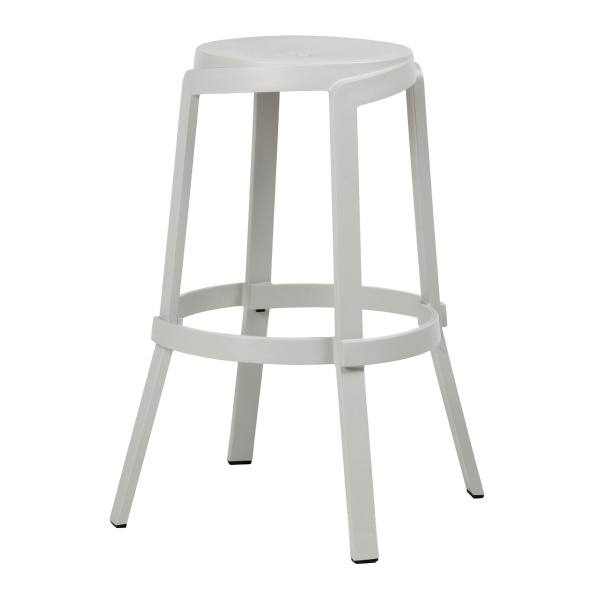
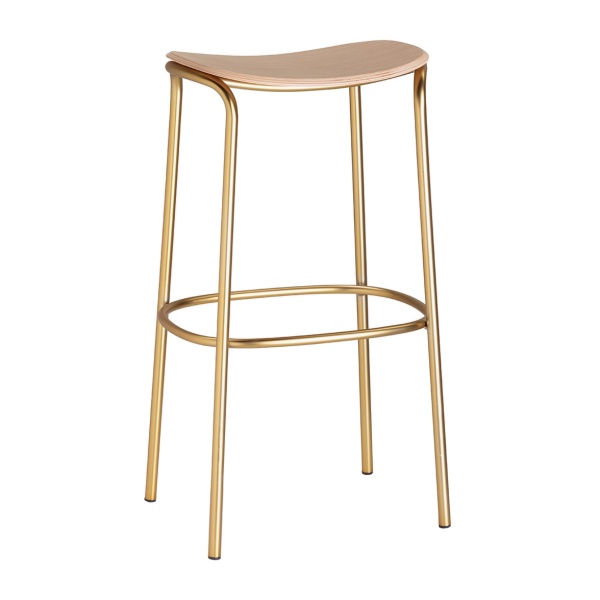
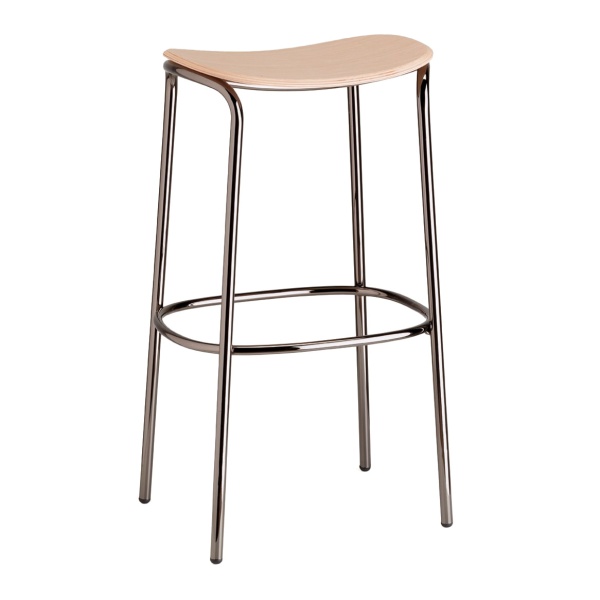
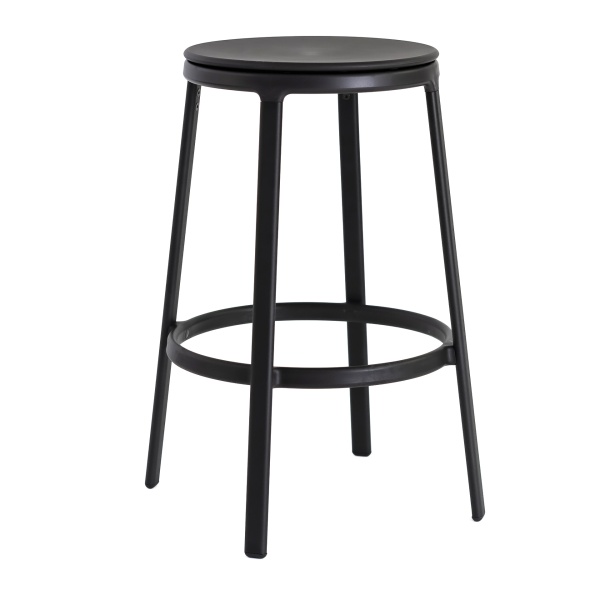
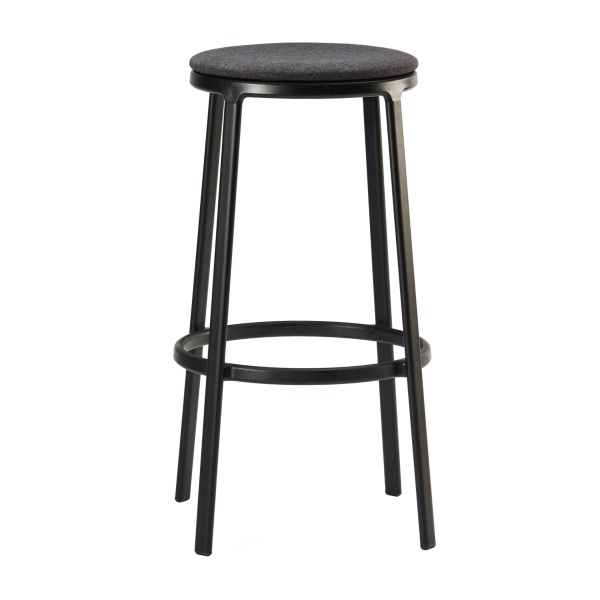
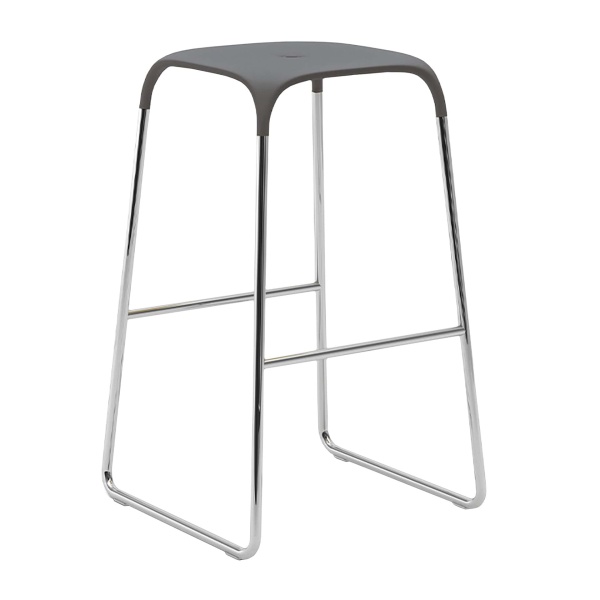
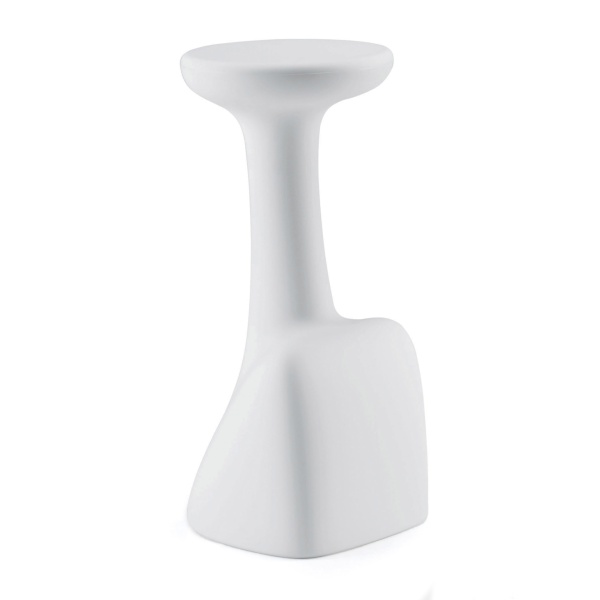
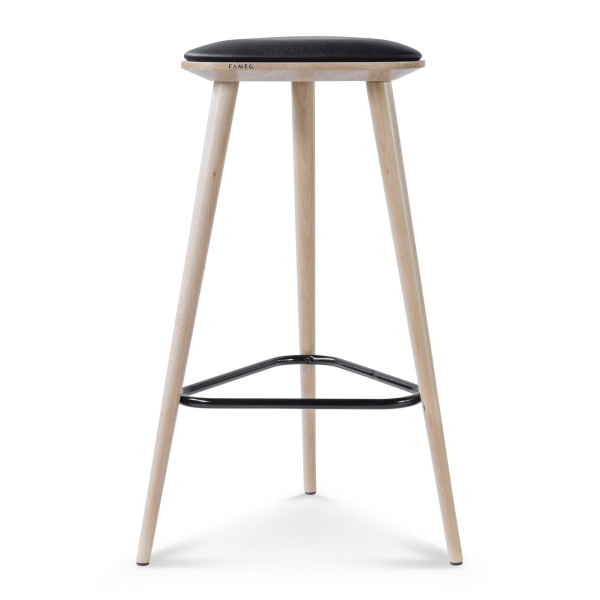
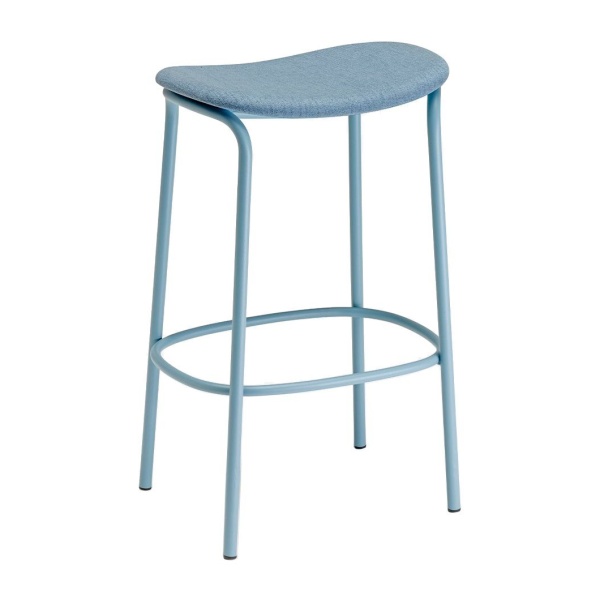
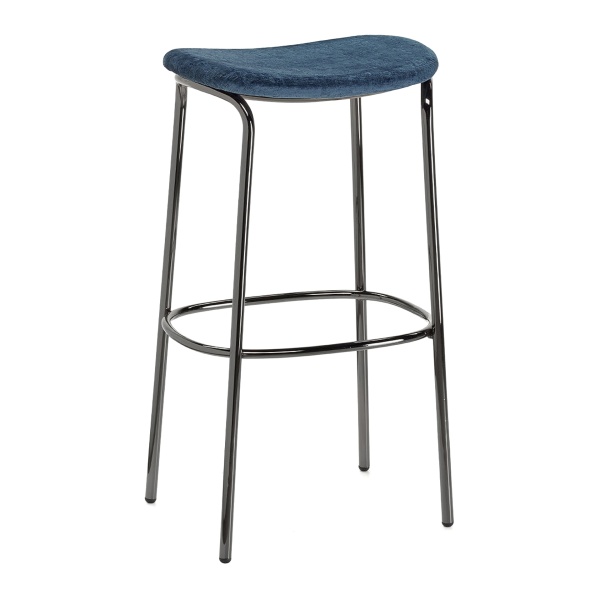
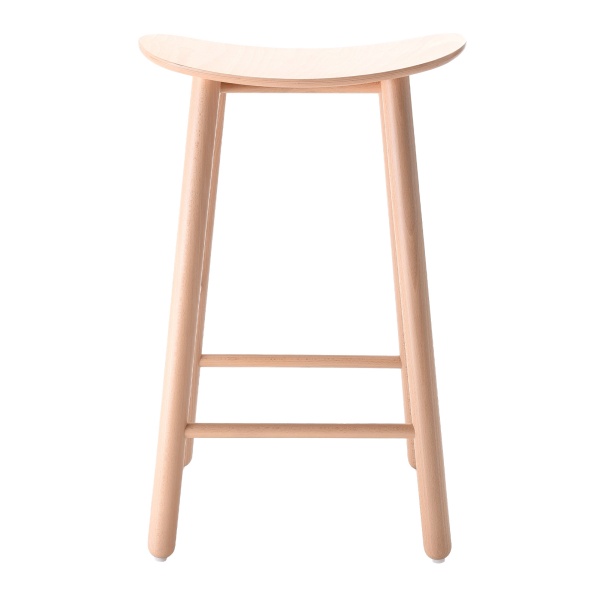
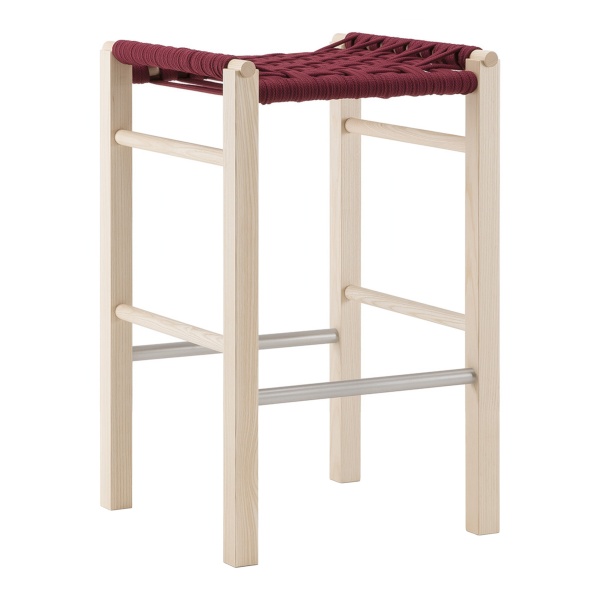
Backless bar stools are professional high seating solutions for hospitality spaces where service speed, compactness and guest flow control are critical. Within the structure of restaurant furniture, they create dynamic high-turnover zones without overloading the space.
Unlike restaurant chairs or full bar stools with backs, backless stools are not designed for prolonged stays. They are a short-stay seating tool for scenarios where the guest does not “settle in”, but interacts with the venue quickly.
Backless bar stools and other seating formats
In professional hospitality projects, each seating type solves its own task. Bar stools without backs do not compete with other furniture — they work together with it.
If bar stools with backs are focused on comfort and longer stays, while sofas and lounge chairs create relaxation areas, backless bar stools are responsible for speed, rotation and guest flow control.
A backless bar stool is not a “simplified chair”, but a separate tool for managing the guest-stay scenario.
When backless bar stools work best
Backless bar stools are effective where dynamics and fast turnover matter:
— food courts and fast casual formats;
— high-traffic bar counters;
— compact interiors with limited floor space;
— standing and cocktail zones;
— additional seating during peak hours.
In these scenarios, they allow venues to increase the number of seats without reducing circulation or changing the logic of the space.
Connection with the bar area
A bar stools without backs does not work on its own. It is always selected together with bar tables or a bar counter.
The key parameter is the difference between the seat height and the table top height: 25–30 cm. This proportion determines whether the seating will be functional or will create discomfort and affect service speed.
In mixed formats, stools are combined with dining tables and table tops, creating different levels of interaction within the same dining room.
Construction and operation
In commercial use, backless bar stools are assessed not by design, but by how they perform in operation:
— structural stability under constant load;
— presence of a footrest;
— ease of movement and cleaning;
— absence of unnecessary elements that complicate operation.
The simpler the construction, the more predictable its performance under daily use.
Seating economics
Backless bar stools do not increase comfort — they increase turnover.
They allow seats to be freed faster, support service pace and make efficient use of floor space. In high-traffic projects, this directly affects revenue.
In hospitality, backless bar stools are not about comfort, but about speed, control and spatial efficiency.