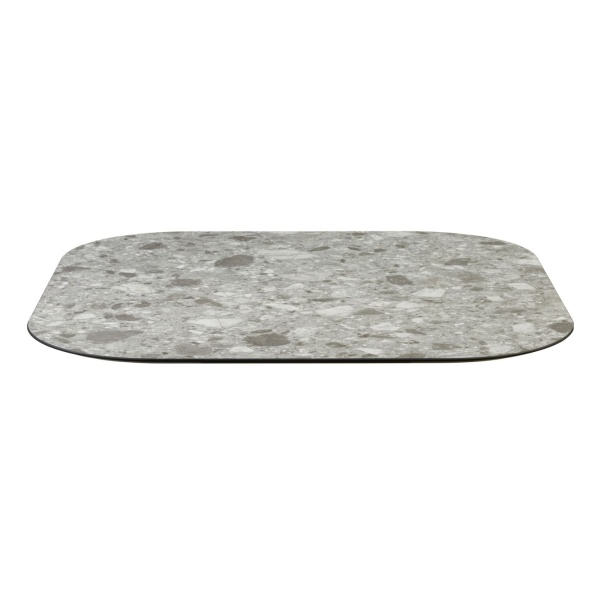
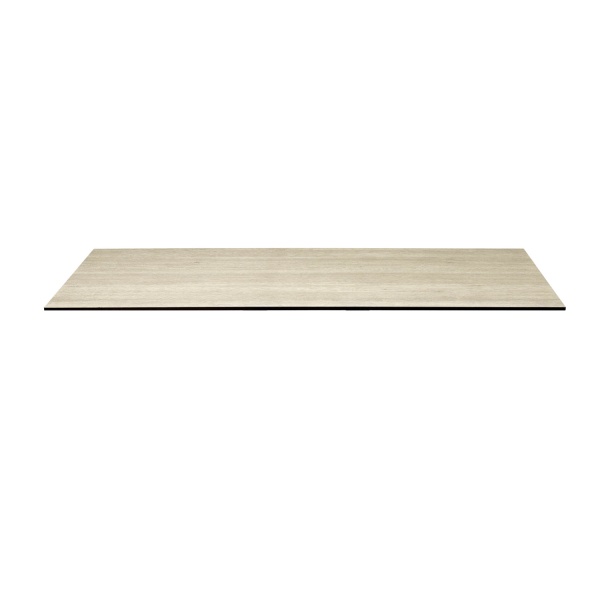
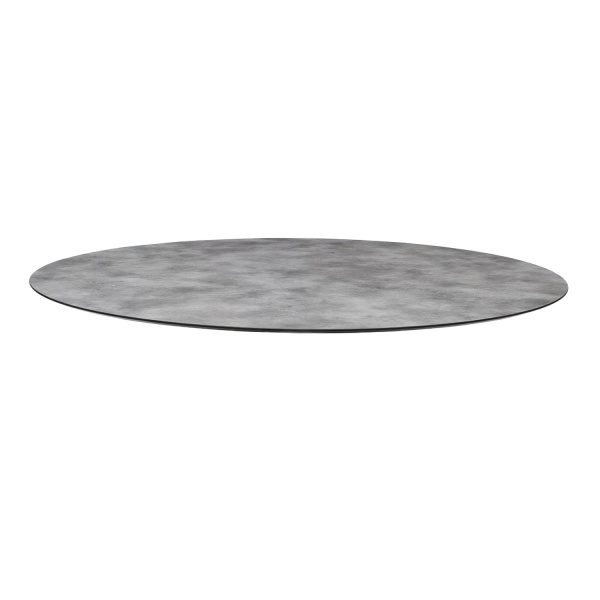
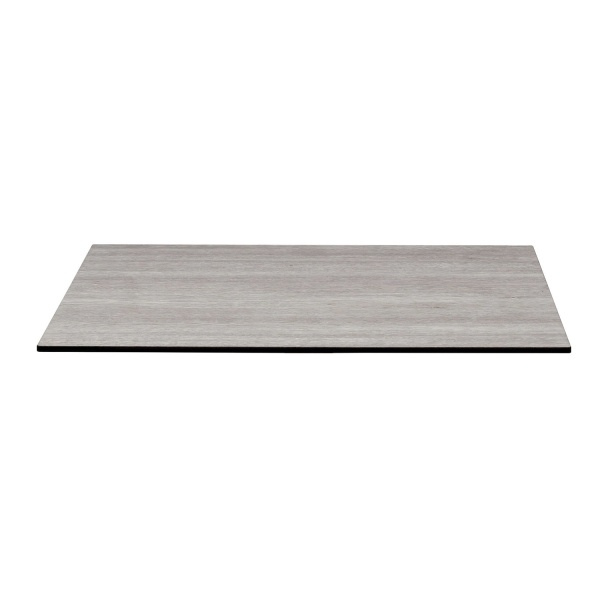
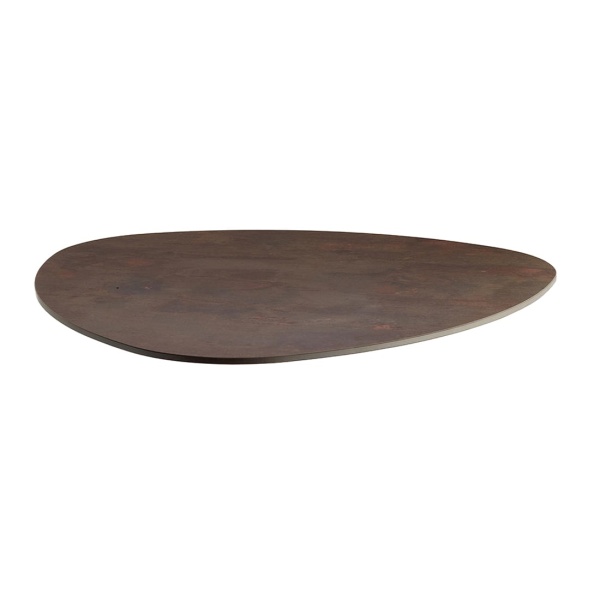
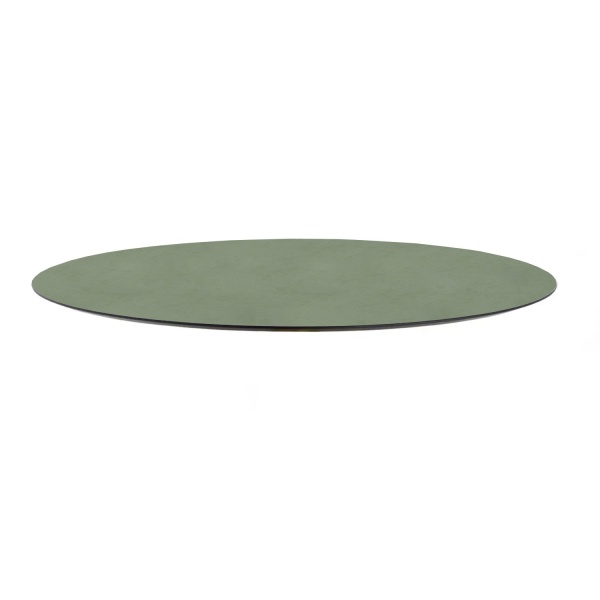
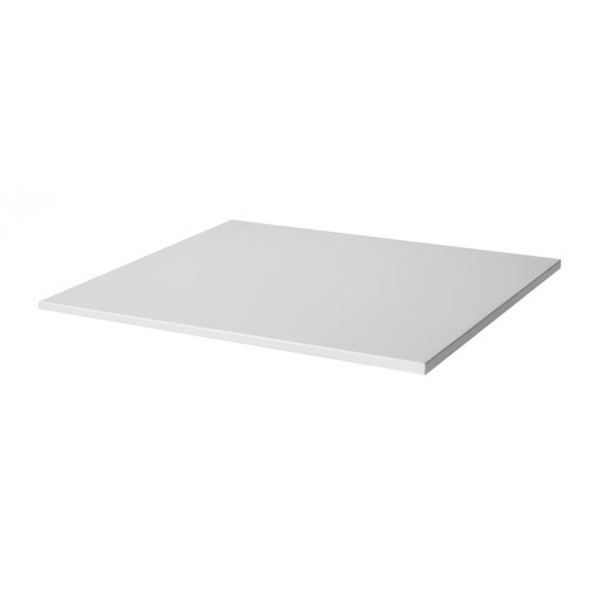
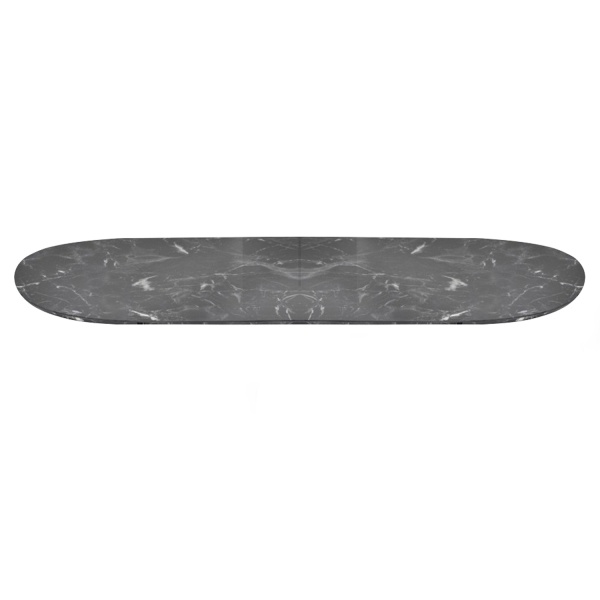
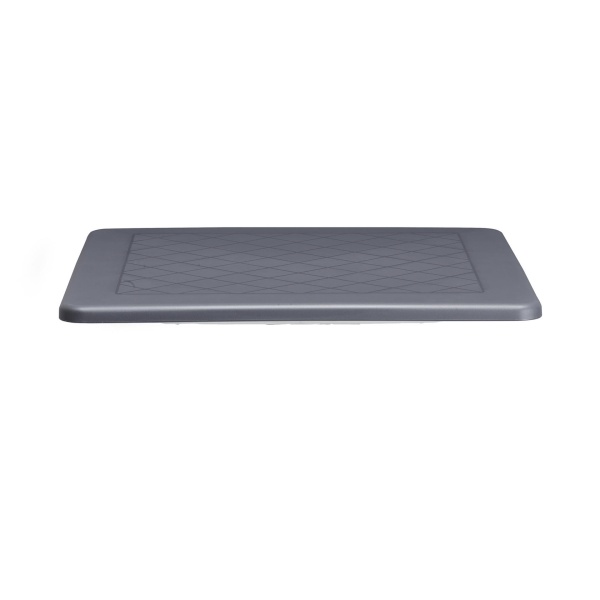
Outdoor table tops are professional table tops for restaurant, café and hotel terraces, designed for commercial use in exposed outdoor environments. Key requirements include resistance to moisture, sunlight, temperature changes and frequent cleaning, together with correct compatibility with the table base in terms of dimensions, weight and fixing system.
An outdoor table top forms part of the complete construction of a terrace table, so it should not be selected independently from the supporting structure. Its material, dimensions, shape and weight must be compatible with the chosen outdoor table base and with the way the table will actually be used within the venue.
Unlike most indoor table tops, products installed on open terraces are exposed to direct sunlight, rain, high humidity, dust, temperature fluctuations and frequent cleaning. For professional terrace furniture, it is therefore important to choose materials and constructions that the manufacturer specifically approves for outdoor use.
How outdoor table tops differ from indoor table tops
The main difference is not appearance but the operating environment. Indoors, temperature and humidity remain relatively stable, whereas on an outdoor terrace the material repeatedly heats up, cools down, comes into contact with moisture and is exposed to ultraviolet radiation.
It is therefore important to assess more than the decorative surface. The complete construction of the table top matters: core material, exposed edges, sealing method, UV resistance of the finish and the manufacturer’s recommendations for outdoor use.
| Criterion | Outdoor table tops | Indoor table tops |
|---|
| Operating conditions | Sunlight, moisture, rain and temperature fluctuations | Controlled indoor environment |
| Materials | Compact HPL, outdoor composites, polymers, metal and other materials approved by the manufacturer for outdoor use | Board-backed HPL, MDF, chipboard, veneer, timber and other indoor materials |
| Surface | Designed for frequent cleaning and external exposure according to the manufacturer's specification | Primarily designed for indoor use |
| Key parameters | UV resistance, moisture resistance, dimensional stability and edge protection | Design, tactile qualities and resistance to normal hospitality use |
The HPL designation alone does not mean that a table top is suitable for permanent outdoor use. For an open terrace, always check whether the manufacturer approves the specific material and model for exterior applications.
Materials for outdoor table tops
Several material groups are used for professional terraces. The correct choice depends on climate, intensity of use, table construction, maintenance requirements and the overall design of the venue.
Compact HPL
Compact HPL is one of the most widely used materials for professional outdoor tables. Unlike conventional laminated table tops built on an MDF or chipboard core, compact laminate has a dense, homogeneous structure throughout its thickness and does not require a separate board substrate.
Outdoor-grade Compact HPL can be designed to resist moisture, regular cleaning and solar exposure. Even so, the technical documentation for the specific product should always be checked, as not every compact laminate has the same performance characteristics outdoors.
Polymer and composite table tops
Polypropylene, technopolymer and other moulded composite materials are frequently used in professional outdoor furniture collections. They are practical for cafés, hotels, poolside areas and seasonal terraces because they are easy to clean, generally require little maintenance and can offer relatively low weight.
Metal table tops
Metal table tops are used in contemporary restaurant, bar and architectural outdoor collections. For exterior applications, the metal itself is only one factor: the construction, corrosion protection and surface treatment specified by the manufacturer are equally important.
Table top shape and size
The shape of a table top directly influences terrace planning, seating capacity and the ability to combine several tables for larger parties.
- Square table tops — one of the most versatile formats for cafés and restaurants; easy to arrange in rows and combine into larger configurations;
- Round table tops — well suited to compact spaces and layouts where softer circulation around the furniture is desirable;
- Rectangular table tops — suitable for more guests, family dining and larger restaurant configurations;
- Large-format table tops — require separate checks for weight, deflection, number of support points and the maximum dimensions permitted for the selected base.
Table top size should also be considered together with the width of the terrace chairs, the spacing between guests and the circulation routes required by staff. Even the right material will not perform well operationally if the proportions of the table do not suit the actual terrace layout.
How to match a table top with a base
Compatibility between the table top and the base is one of the most important technical considerations. A base may be suitable for a compact square or round table top but unsuitable for a large rectangular top because of excessive overhang or weight.
Before ordering, check:
- the maximum recommended table top size for the selected base;
- the weight of the table top and the permitted load of the structure;
- the mounting plate dimensions and fixing pattern;
- the table top overhang beyond the base and the risk of tipping when load is applied near the edge;
- the number of support points required for long rectangular tops;
- the final table height once the top has been fitted to the base.
A professional table base should not be selected only from the overall dimensions of the top. Weight, load distribution, fixing pattern and the maximum table-top size approved by the base manufacturer are equally important.
Outdoor table tops for different hospitality settings
Cafés and bistros. Compact formats are usually the most practical, helping operators make efficient use of limited terrace space, move tables easily and combine them for different party sizes.
Restaurant terraces. In addition to durability, the table top must provide sufficient service area, suitable proportions and comfortable spacing between diners.
Hotels and resorts. Collection longevity, repeat availability and coordination between tables, chairs, lounge furniture and other outdoor elements become particularly important.
Poolside and coastal locations. Materials and fittings require additional attention because furniture may be regularly exposed not only to water and sunlight but also to chlorine, salt-laden air or sand.
Practicality and maintenance
In commercial environments, surfaces should be quick to clean between guests and should not require complicated routine maintenance. Cleaning requirements nevertheless depend on the specific material and surface finish.
Abrasive pads, strong acids, alkalis or concentrated disinfectants should not automatically be used simply because a table top is designed for outdoor use. Permitted cleaning agents and concentrations should follow the manufacturer's instructions.
For seasonal terraces, the weight of the table top and the storage process should also be considered. Where tables are regularly moved or stored, an unnecessarily heavy construction increases workload for staff and slows down daily terrace setup.
Buy outdoor table tops for restaurants and cafés
HoReCa.Furniture offers outdoor table tops for cafés, restaurants, hotels and other professional terrace projects. The range includes different shapes, dimensions, materials and finishes for completing tables or combining with separately selected bases.
We can help verify compatibility with the base, recommended dimensions, fixing system, material, outdoor-use requirements and required quantity. Where appropriate, table tops can be specified together with outdoor table bases and other terrace furniture to create a coordinated commercial scheme.