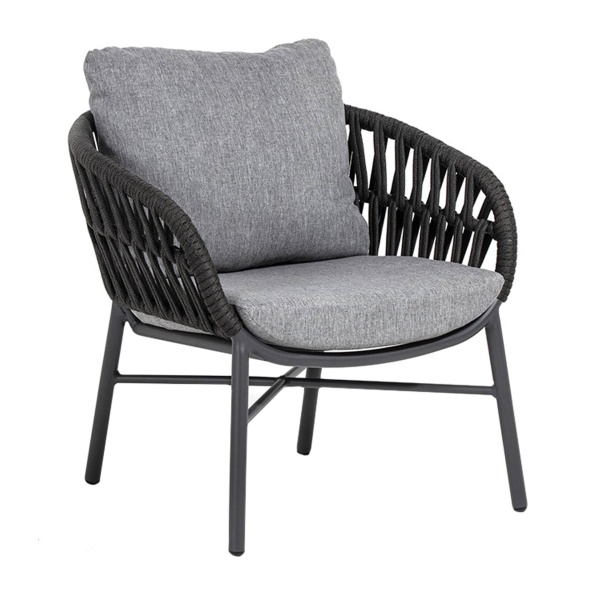
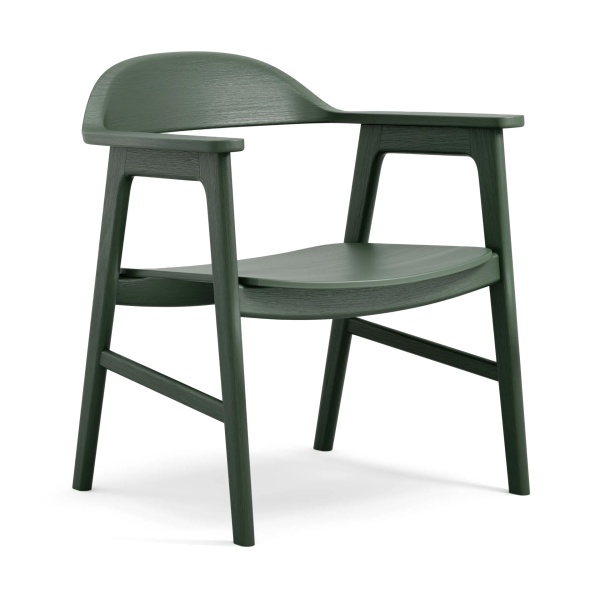
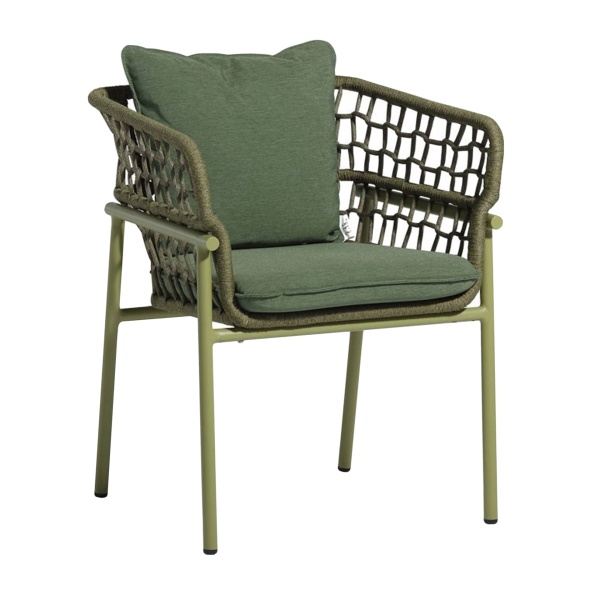
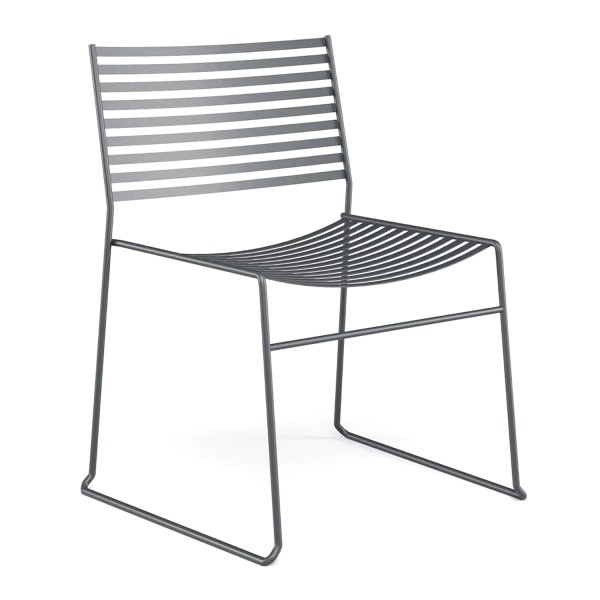
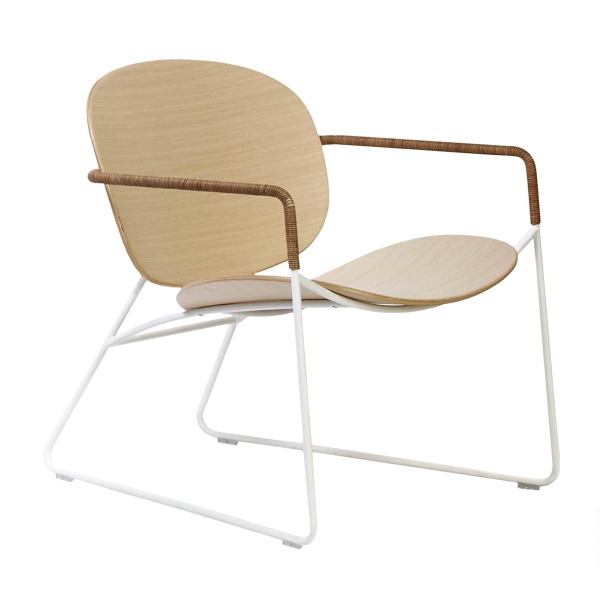
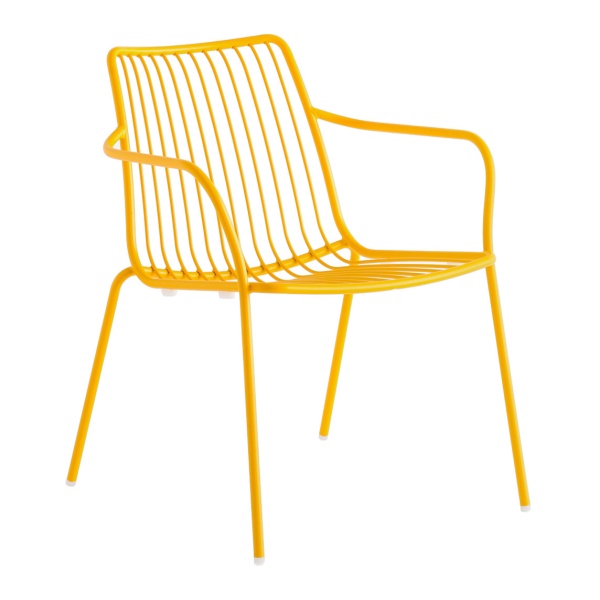
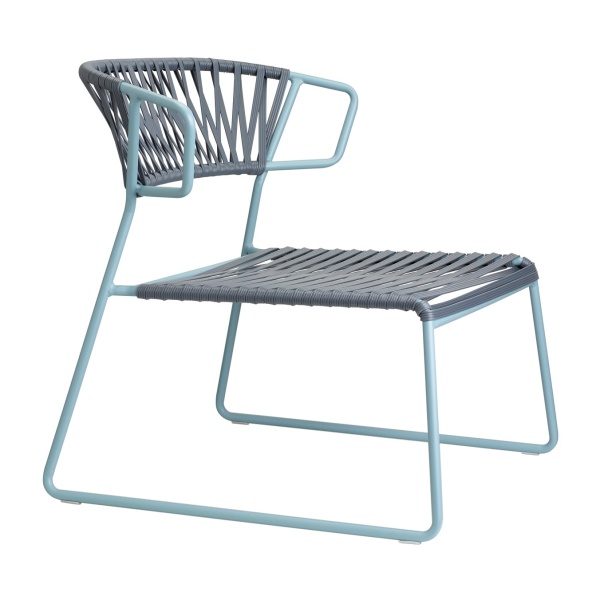
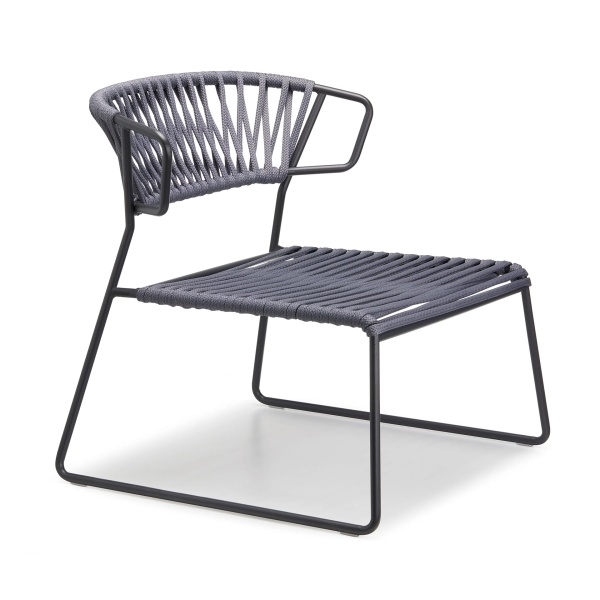
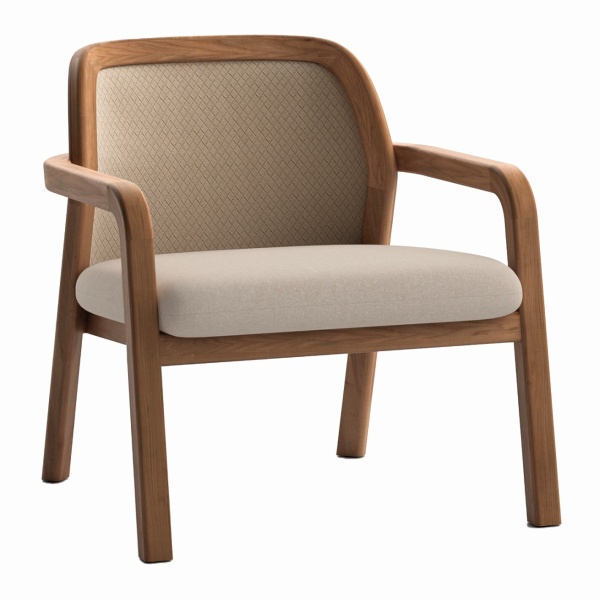
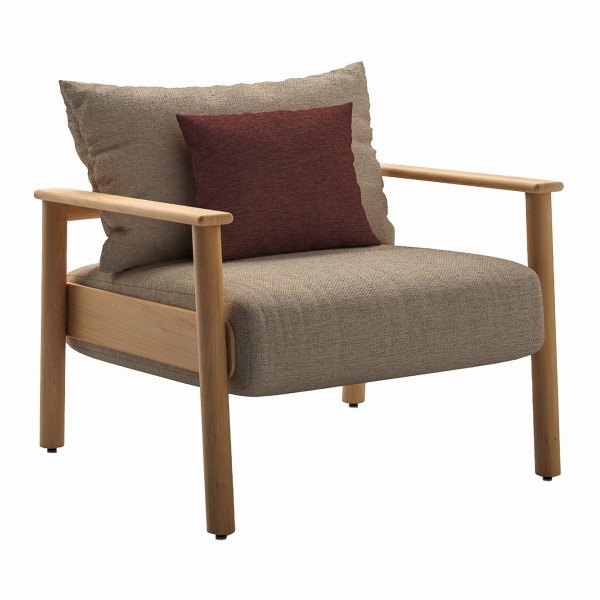
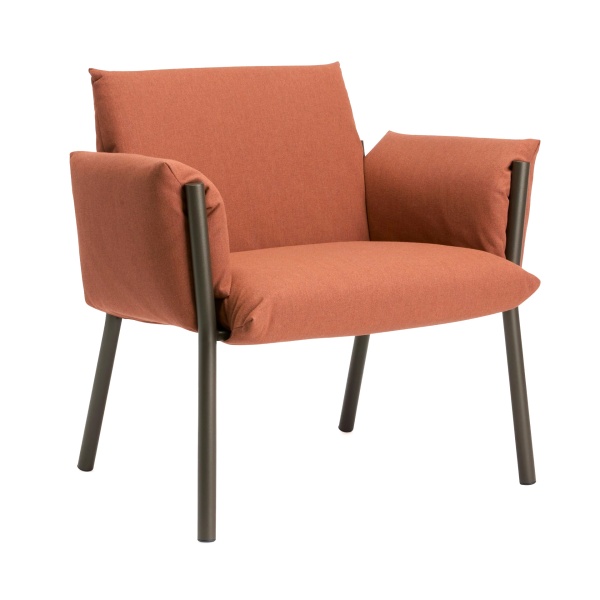
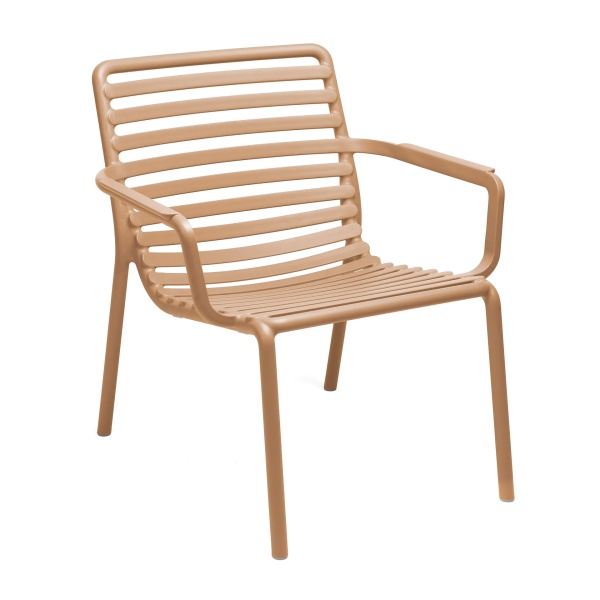
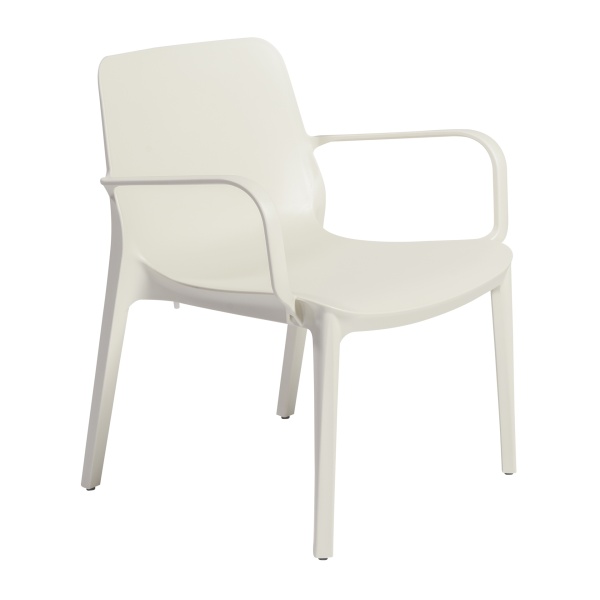
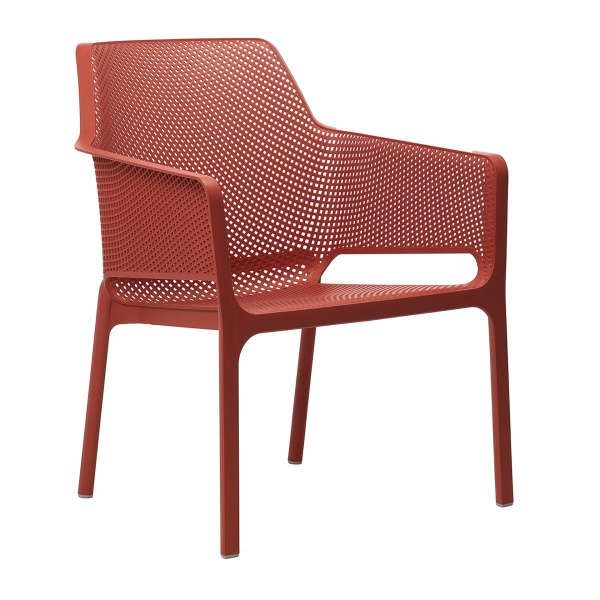
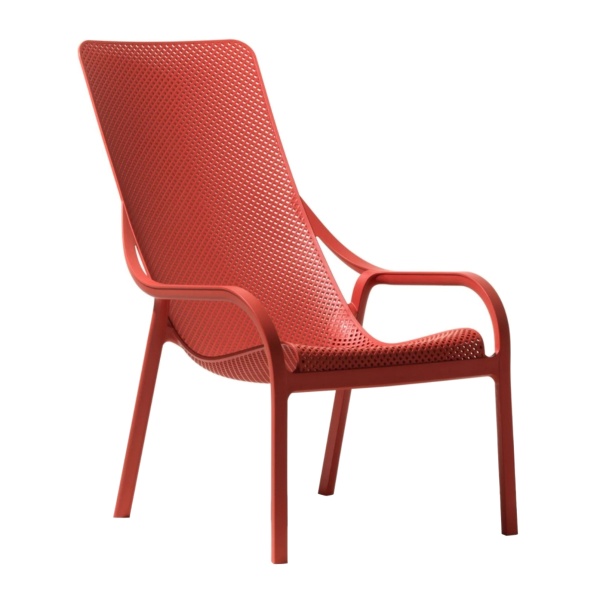
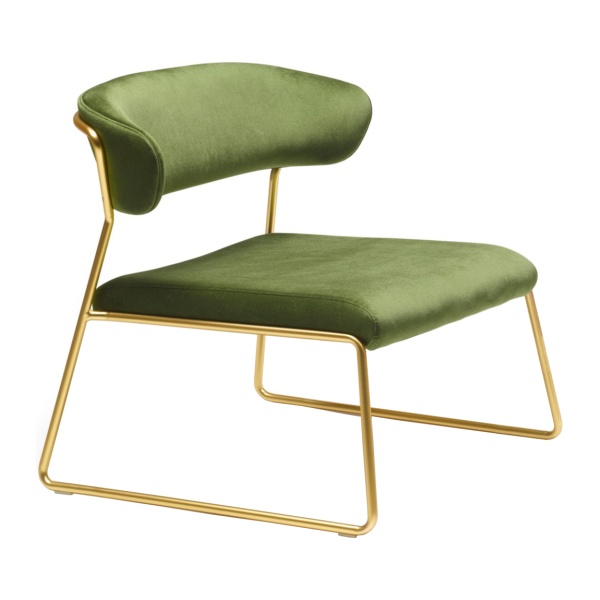
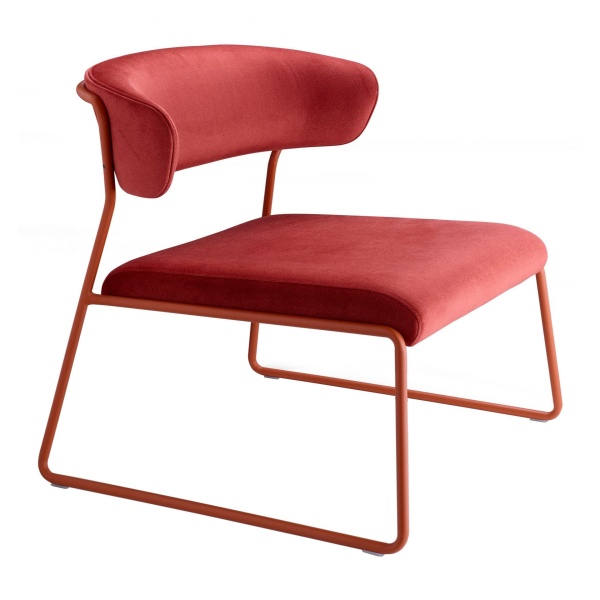
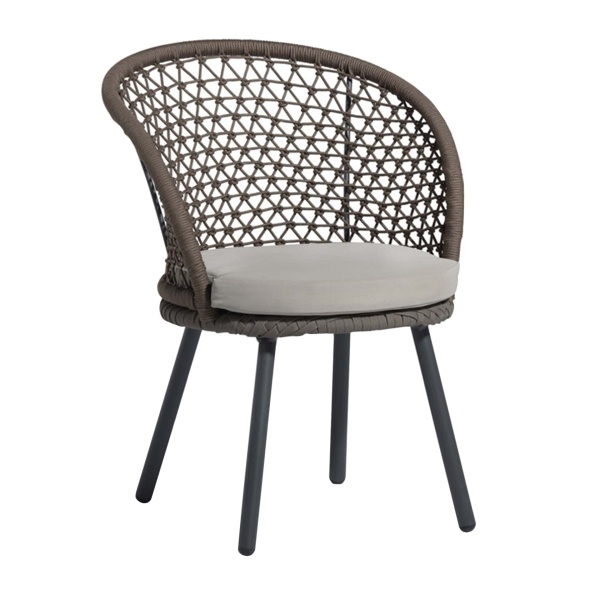
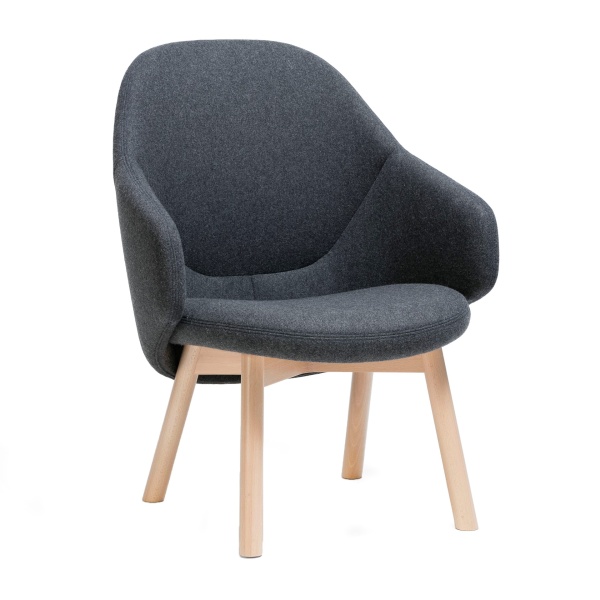
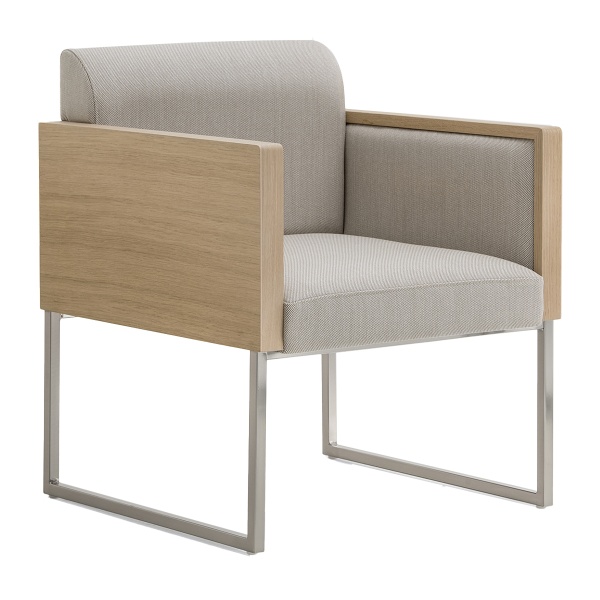
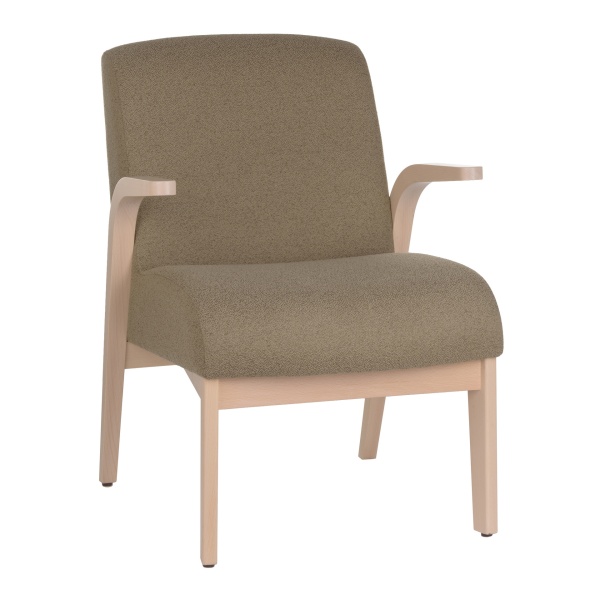
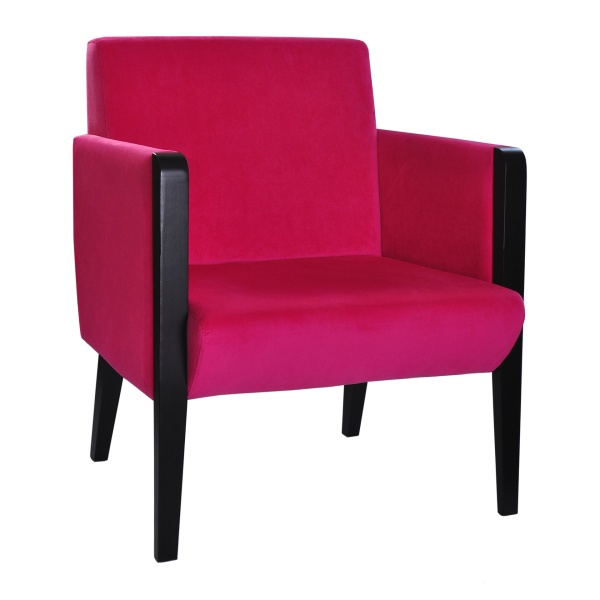
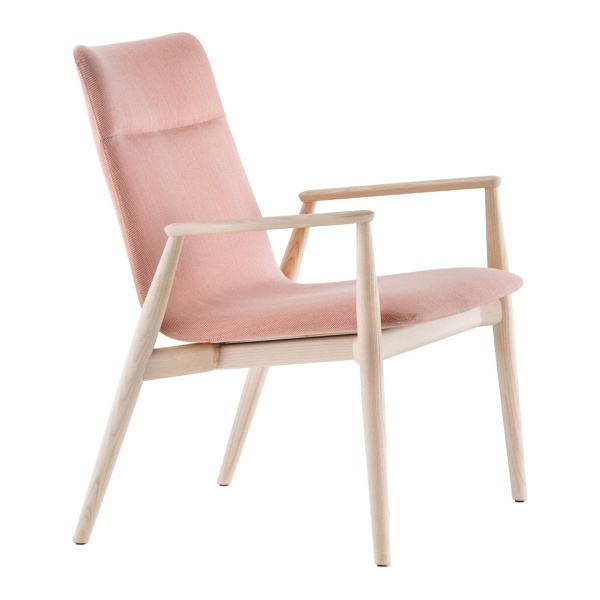
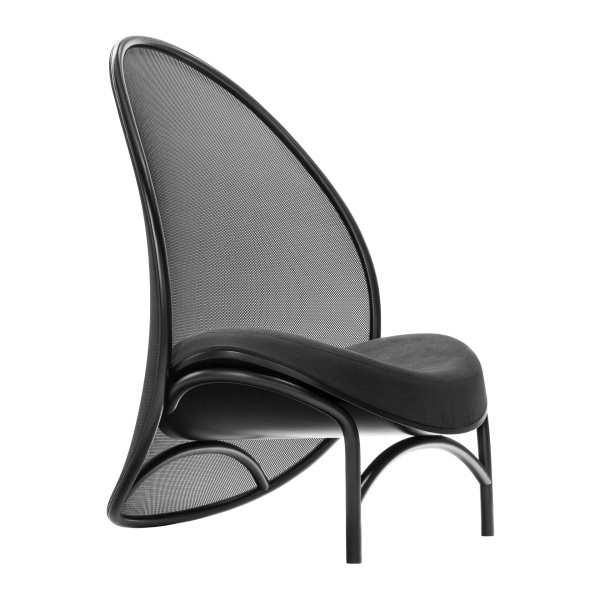
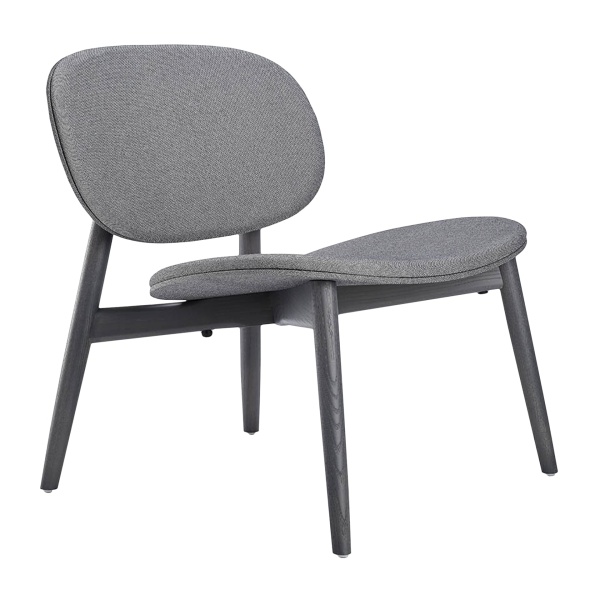
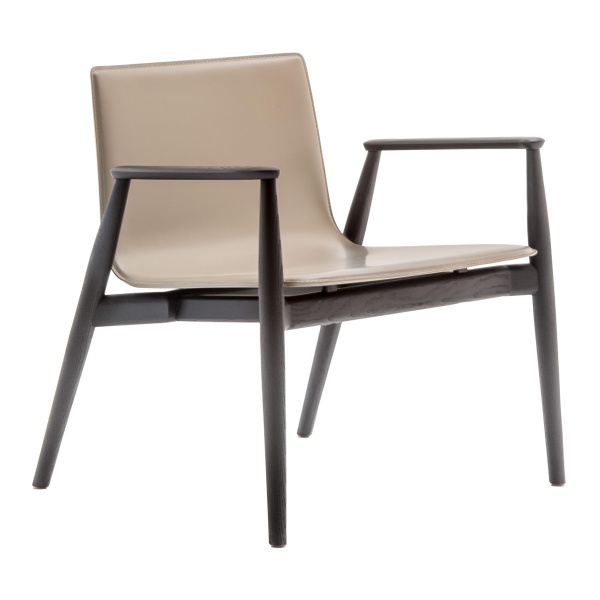
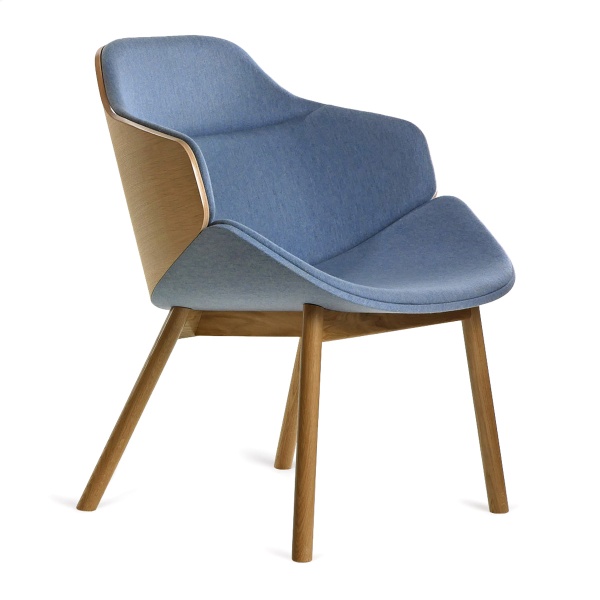
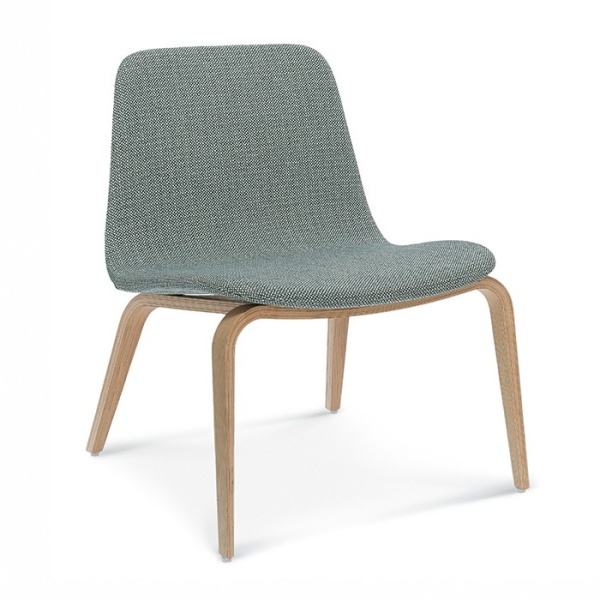
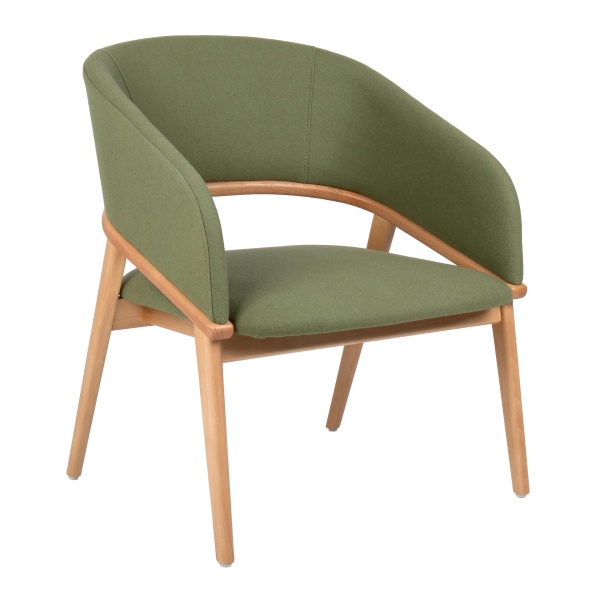
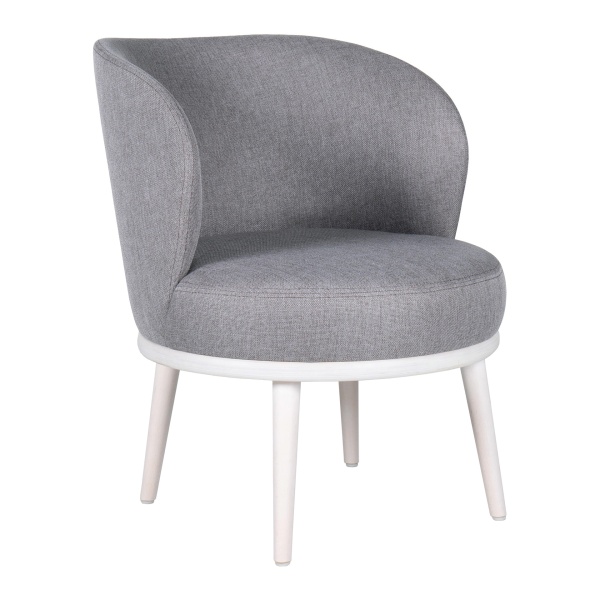
Lounge chairs for cafés, bars and restaurants are upholstered seating furniture for hospitality spaces, designed for prolonged guest stay in indoor environments. They create a comfortable seating experience, increase dwell time and shape the venue atmosphere without increasing seating density.
Within the structure of restaurant furniture, lounge chairs perform a different function compared to classic restaurant chairs or bar stools. This is not furniture for fast turnover, but a tool for creating longer-stay areas — relaxation zones, waiting areas or enhanced comfort seating.
How lounge chairs differ from standard chairs
The key difference lies in seating geometry and usage scenario. Lounge chairs feature a lower seat height, deeper seat and a more reclined backrest angle. This creates a relaxed posture and reduces physical strain on the guest.
Unlike dining solutions that work together with dining tables or table tops, lounge chairs create a separate level of space — more private, less formal and comfort-oriented.
How lounge chairs function in hospitality spaces
In restaurants, bars and hotels, lounge zones perform a specific function — guest retention. They are used for waiting areas, informal communication or prolonged stay without strict connection to dining.
This is why lounge chairs are often combined with upholstered furniture, sofas and low tables, forming separate spatial scenarios within the venue.
Materials for intensive commercial use
Unlike outdoor solutions, where climate resistance is critical, indoor lounge chairs require durability, ease of maintenance and structural stability under constant use.
Frames are made of wood or metal designed for cyclic loads. Upholstery uses commercial-grade fabrics with high abrasion resistance or eco-leather suitable for daily cleaning and continuous guest contact.
Where lounge chairs are used
Restaurants. Waiting areas and enhanced comfort seating with longer dwell scenarios.
Bar spaces. An alternative to bar seating for guests not tied to the counter.
Hotels and lobby areas. Creating the first impression through comfort and atmosphere.
Combined with contract furniture for hospitality, lounge chairs create a more flexible and commercially efficient spatial structure.
Indoor vs terrace lounge chairs: key difference
Lounge chairs for interiors and outdoor lounge chairs are different categories. Indoor models are not designed for UV exposure, moisture or temperature fluctuations, while outdoor solutions use different materials and construction.
The choice between indoor and outdoor models is defined not by design, but by operating conditions. A mistake here leads to rapid furniture degradation.
Space economics
A lounge chair does not increase the number of seats, but increases their value. It extends dwell time, improves comfort and impacts the average spend.
In a professional approach, this is a tool for managing guest behaviour, not just an interior element.