Why the base is part of the parasol structure
A shading system performs as a combination of canopy, frame, mast, connection, base or anchor and the surface below. A large canopy creates considerable wind load, while the offset mast of a cantilever parasol introduces additional leverage. A base suitable for a compact centre-pole model may therefore be unsuitable for a cantilever parasol with a canopy of similar dimensions.
Weight is only one variable. The footprint of the stand, platform geometry, sleeve height, mast profile, locking arrangement, anti-rotation system, wheel condition and braking system also matter. With a permanent anchor, the load-bearing substrate and the design of the fixing become part of the specification.
Practical rule: use the base, ballast and mounting components approved for the exact parasol model and canopy size. A generic recommendation based only on canopy diameter does not account for frame design, leverage, site exposure or floor conditions.
Types of commercial umbrella base and fixing
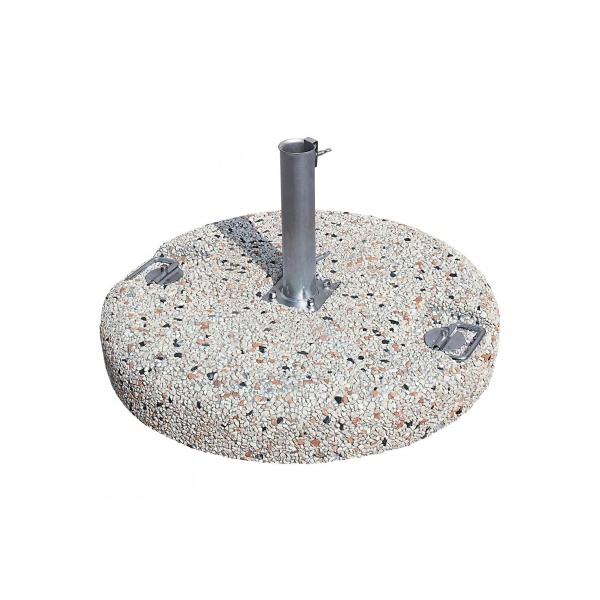
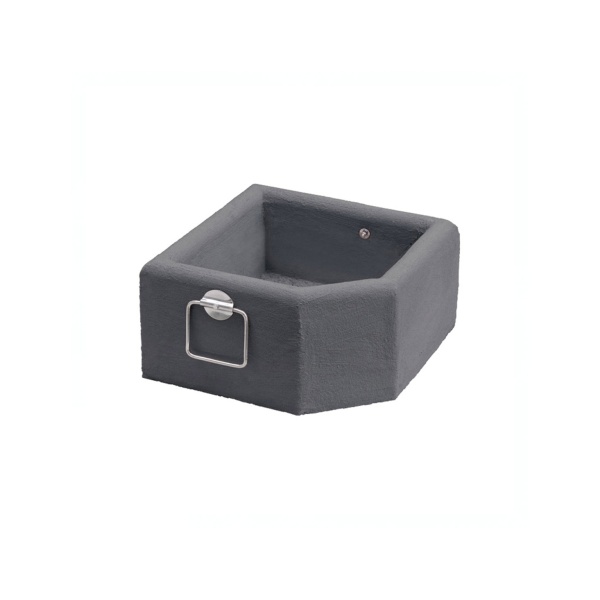
Concrete-filled bases are widely used with centre-pole parasols on café terraces, restaurant patios and pool decks. They provide substantial ballast within a relatively compact footprint. The external casing may be plastic, steel or aluminium, while the mast sleeve may be made from protected or stainless steel.
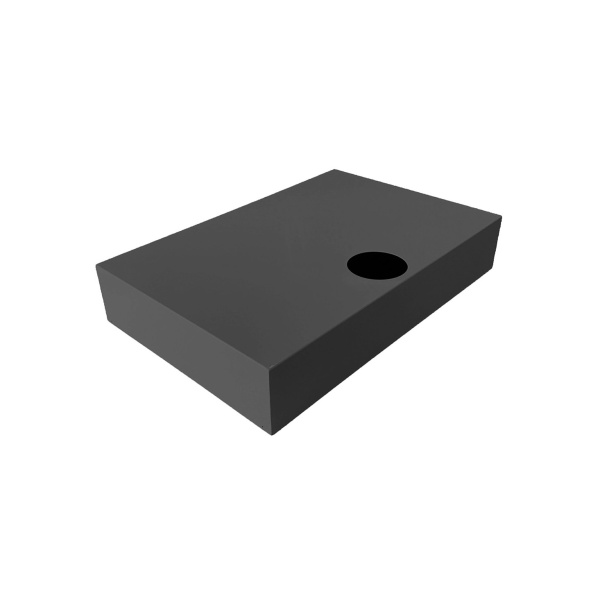
Granite parasol bases combine ballast with a finished appearance suitable for guest-facing areas. Handles or integrated wheels can make them easier to position, provided the wheel system is designed for the full operating weight and the relevant floor surface.
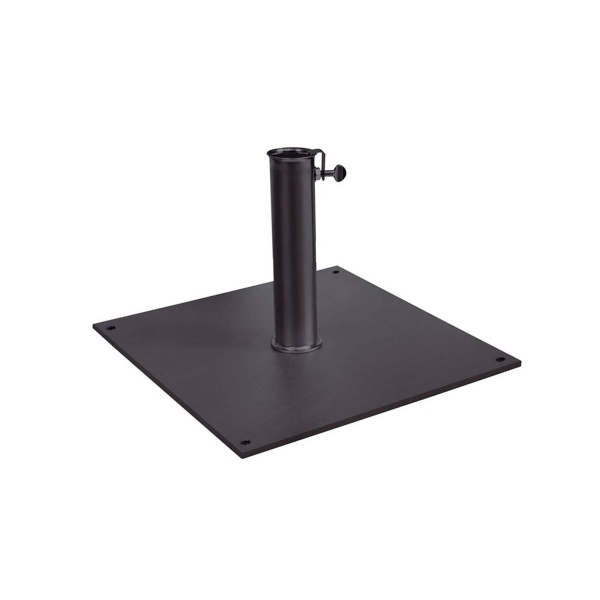
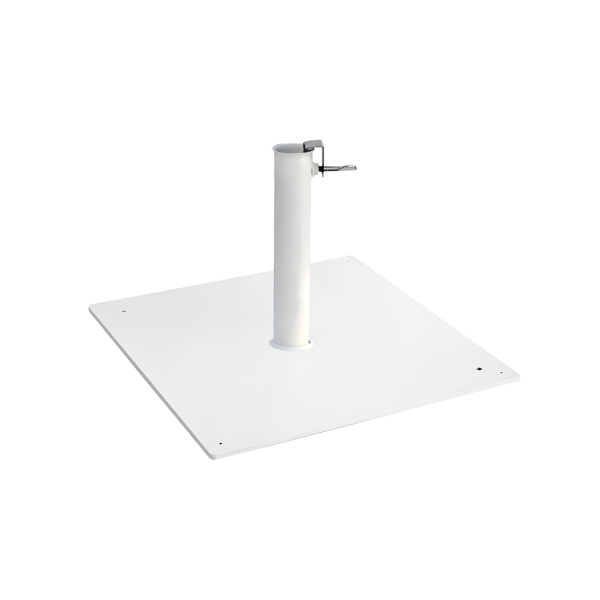
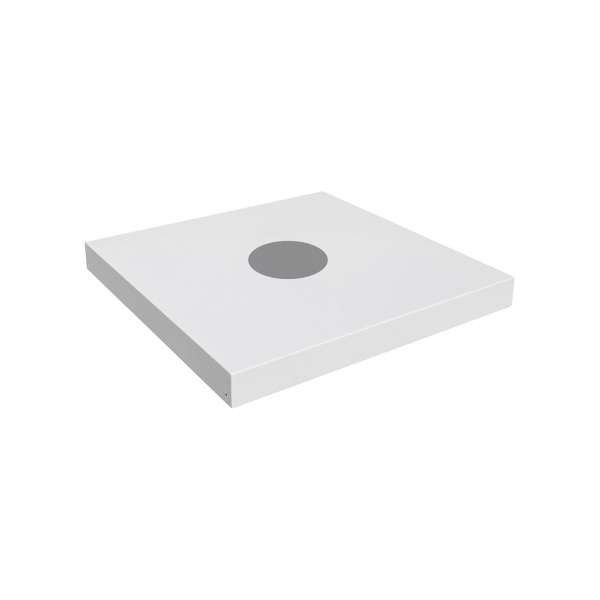
Steel plate bases have a low profile and can work beneath tables or in compact layouts. They may use galvanised or powder-coated steel. Heavy-duty systems can consist of single, double or multi-layer plate assemblies.
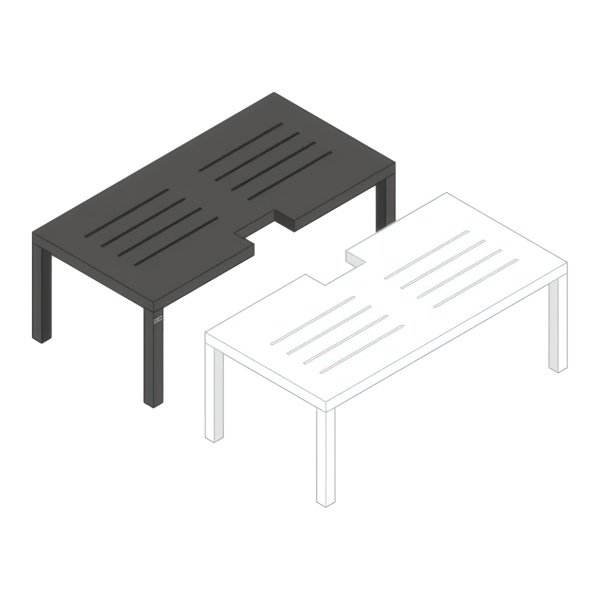
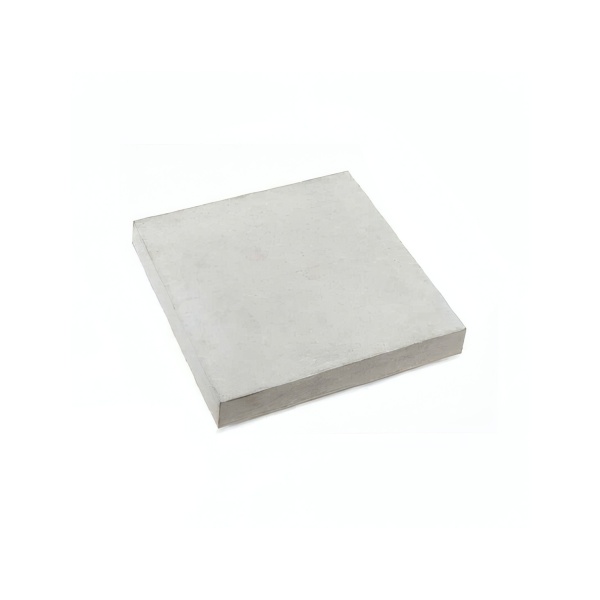
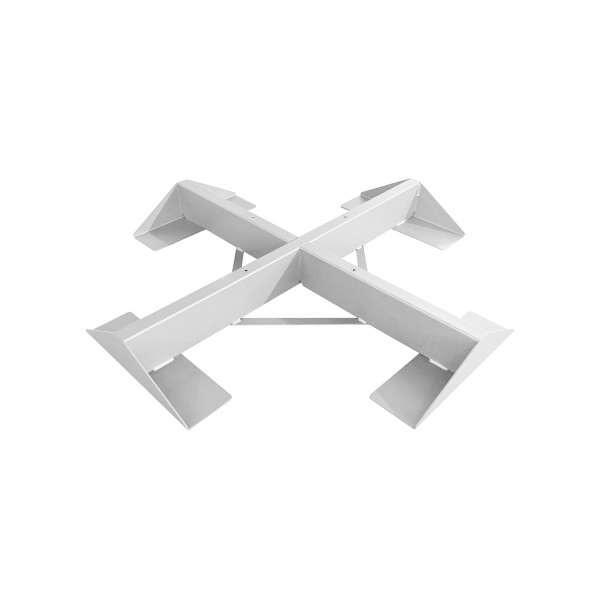
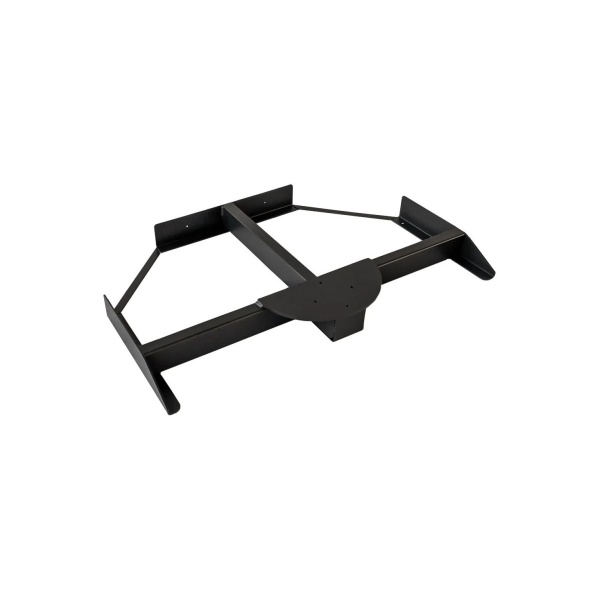
Cross bases with ballast slabs allow the total weight to be built up using concrete, granite or steel elements. They are frequently used with larger centre-pole and cantilever parasols where a freestanding installation is permitted by the manufacturer.
Wheeled umbrella bases are useful where staff regularly reconfigure the terrace. Wheels improve handling but do not reduce the required ballast. Commercial systems need load-rated castors, effective brakes and suitability for the surface over which they will travel.
Fillable umbrella stands can be filled with water or sand and are convenient to transport when empty. They are generally intended for compact, lightweight parasols and only where this type of stand is approved for the model. A domestic fillable stand is not an alternative to engineered ballast for a large cantilever or multi-canopy system.
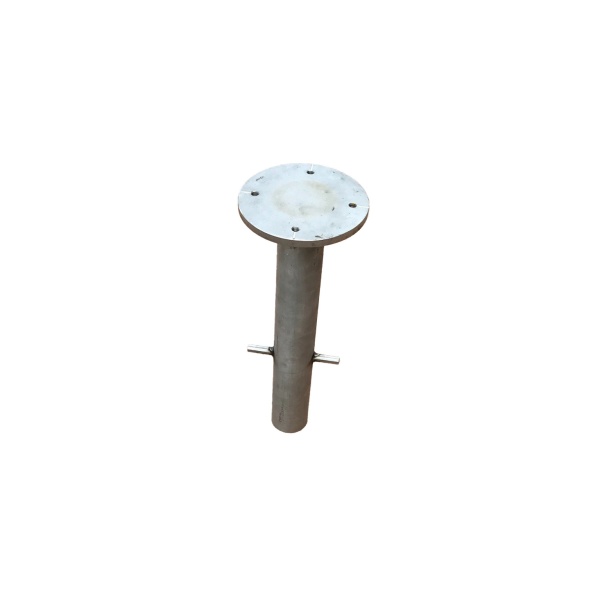
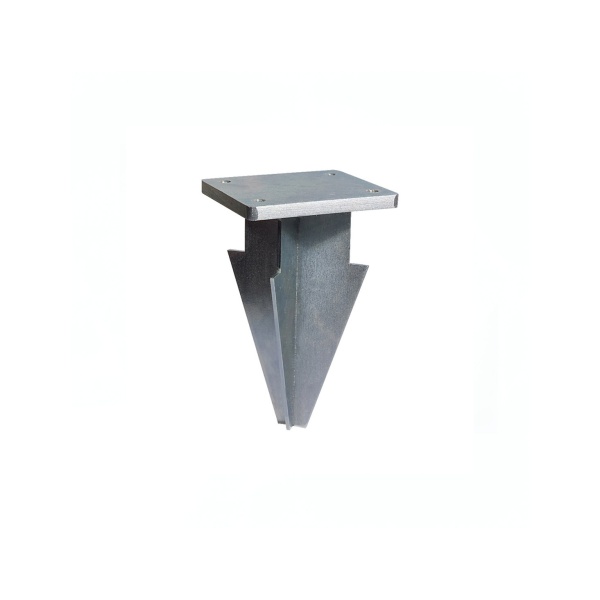
Permanent ground and deck anchors connect the parasol to concrete, a structural slab, a prepared foundation or another load-bearing substrate. They free the surface from a large freestanding stand and are often used for large canopies, rooftops, hotel patios and exposed sites. Structural capacity, waterproofing and installation details must be considered before fixing.
| Base or fixing type | Main benefit | Limitation | Typical application |
|---|
| Concrete-filled base | High ballast in a straightforward construction | Difficult to reposition without handles or wheels | Café, restaurant and hotel terrace |
| Granite base | Ballast with a refined guest-facing finish | Heavy to handle and edges may be vulnerable to impact | Premium terrace and hotel patio |
| Steel plate base | Low profile and precise footprint | Finish must be protected from corrosion and abrasion | Under tables and in compact layouts |
| Cross base with slabs | Modular ballast configuration | Uses more floor area | Large centre-pole and cantilever parasols |
| Wheeled base | Faster terrace reconfiguration | Requires reliable brakes and a suitable level surface | Seasonal terraces, pool decks and hotel patios |
| Permanent anchor | High stability without large surface ballast | Requires design, installation and a structural substrate | Rooftops, large canopies and exposed sites |
How heavy should an umbrella base be?
There is no universal formula that assigns a fixed number of kilograms to each metre of canopy. Two parasols of identical dimensions may have different frame weights, mast positions, heights, canopy shapes and manufacturer-approved mounting options.
The specification should consider the exact parasol model and size, canopy area and geometry, overall height, centre-pole or cantilever construction, site exposure, local gusts, surrounding buildings, surface type, required mobility and permitted floor loading. On rooftops and podium decks, the distribution of weight across the supporting structure must also be checked.
The manufacturer’s compatibility table or technical data sheet should be treated as the primary reference. Where several options are offered — a mobile stand, modular ballast or fixed anchoring — the final choice should reflect the actual site rather than price or convenience alone.
Checking mast and mounting compatibility
Before ordering, confirm the internal sleeve diameter, mast diameter or profile, sleeve height, clamping method, bolt pattern, mounting plate geometry and any required adapters. Large commercial systems may use a dedicated security stem, flange or connector supplied with the parasol.
An oversized sleeve without the correct adapter can allow movement, while an unsuitable clamp may mark the mast or fail to restrain it correctly. For cantilever parasols, the orientation of the base relative to the canopy projection may also be critical.
One base may be used with several parasol models only where every combination is approved. A matching mast diameter does not prove that the base provides sufficient ballast or the correct connection for another canopy.
Choosing a base for different hospitality areas
Compact café terrace. A compatible concrete, granite or low-profile steel base may work well with a centre-pole parasol. It should fit the table layout without narrowing the principal service route or creating a trip point.
Restaurant and lounge terrace. A cantilever parasol requires a base or anchor designed for the offset load. A modular slab platform offers flexibility, while a fixed anchor leaves more usable space for terrace furniture.
Pool deck. Wheeled bases can be practical on hard surfaces because the unit can be moved without lifting. The castors and contact points should not damage the floor, and metal components require regular care in humid and chlorinated environments.
Coastal site. Check corrosion resistance across the casing, sleeve, fasteners, axles and castors, not only the visible top surface. Salt and sand should be removed with fresh water in accordance with the manufacturer’s maintenance instructions.
Rooftop or raised terrace. Wind conditions may differ substantially from those at ground level. The project may require a site assessment, confirmation of allowable floor loading and a fixed connection designed with the responsible structural or installation specialist.
Safe operation and maintenance
Even a correctly selected base does not make an open parasol safe in every weather condition. The parasol should be closed and secured in accordance with the instructions for the specific model, particularly when the area is unattended or stronger wind is expected.
Daily checks should include clamps, bolts, the mounting sleeve, wheels, brakes, protective finishes and any cracks in concrete or stone. After moving the base, it should sit fully on a level surface and every specified brake should be engaged.
Do not move a heavy parasol while it is open, use the base as a step or operate a fillable stand before it has been filled as specified. Damaged castors, loose connections or corrosion around the mounting sleeve should be corrected before further use.
What to check before ordering
- Exact parasol model. Series, canopy dimensions, shape and centre-pole or cantilever configuration.
- Manufacturer approval. Compatible stand, slab quantity, ballast specification or anchor code.
- Mast connection. Diameter, profile, sleeve, adapter, bolt connection and anti-rotation method.
- Site exposure. Wind, height above ground, proximity to the sea or pool and shelter from surrounding buildings.
- Surface type. Tile, concrete, decking, structural slab, soil and sand require different installation methods.
- Mobility. Where movement is required, check castors, brakes, travel routes, joints and thresholds.
- Floor loading. Particularly important on rooftops, podium decks and raised terraces.
- Service components. Availability of adapters, castors, bolts, protective covers and replacement parts.
Specify commercial umbrella bases for restaurants, cafés, hotels, beach clubs and pool areas according to the exact parasol, floor construction, mobility requirements and site conditions.