


 Seating
Restaurant chairsBar StoolsBackless Bar StoolsLounge ChairsLow Stools
Seating
Restaurant chairsBar StoolsBackless Bar StoolsLounge ChairsLow StoolsContract Furniture for Cafés, Bars and Restaurants
Commercial furniture for cafés, bars and restaurants — professional HoReCa solutions for interior dining areas. Contract tables, table bases, HPL tabletops, chairs and banquettes designed for heavy-duty daily use, high traffic and long-term durability. Ideal for restaurant openings, renovations and scalable hospitality projects with repeat supply.
Seating
Restaurant chairsBar StoolsBackless Bar StoolsLounge ChairsLow Stools
Browse by Brand
Curated Selection
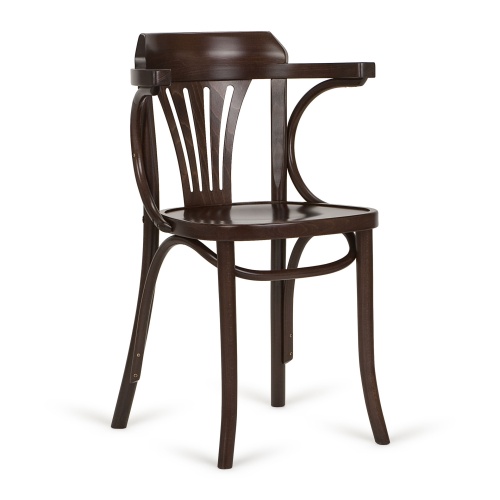 B-5173Irish wooden chair
WSP: £193
RRP: £215
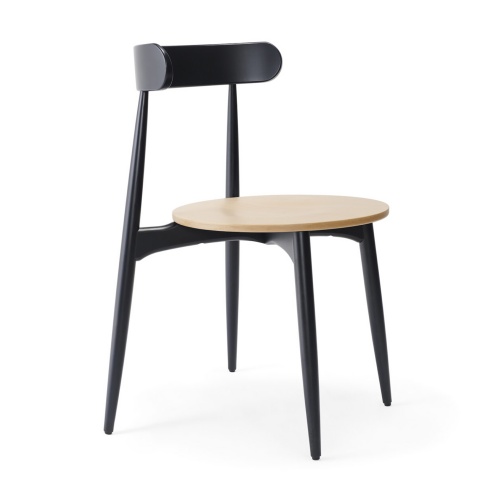 A-2431 FrisbeeBeech chair with round seat
WSP: £184
RRP: £230
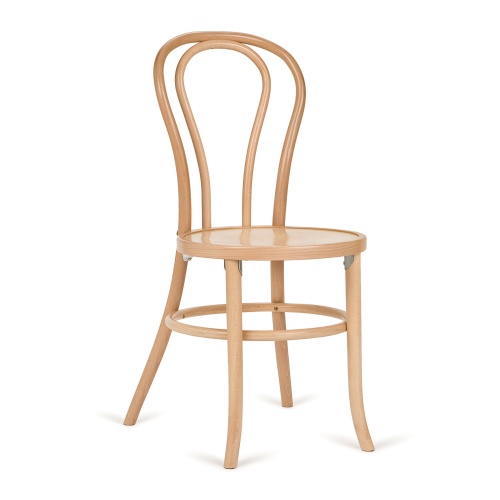 A-1845Vienna wooden chair
WSP: £152
RRP: £169
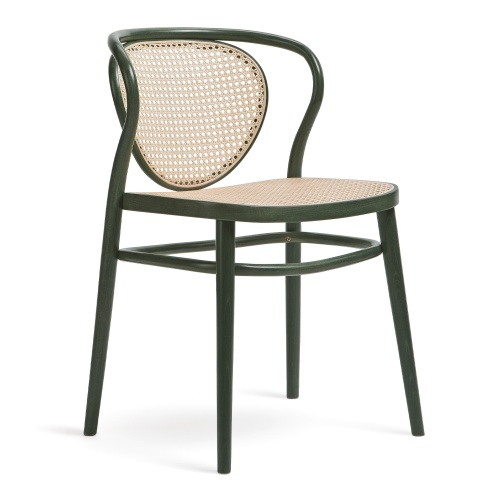 A-1400 NODOBentwood chair with Vienna straw back
WSP: £275
RRP: £305
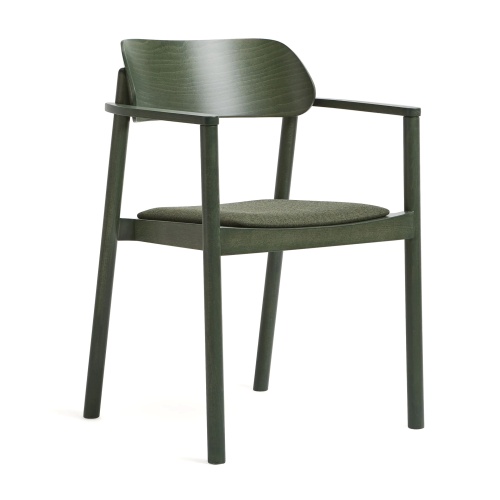 B-4590 NimmBeech cafe chair with armrests
WSP: £188
RRP: £209
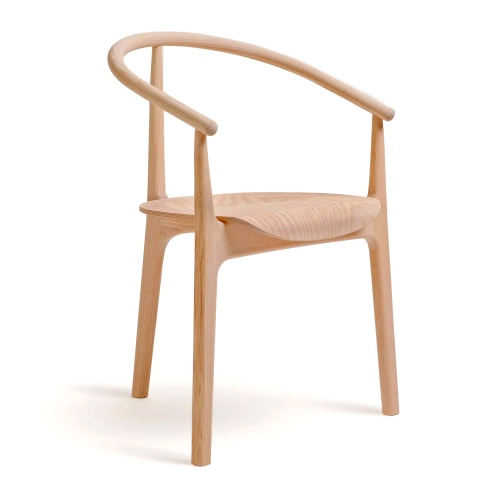 B-2940 EVOWooden chair with three legs
WSP: £174
RRP: £194
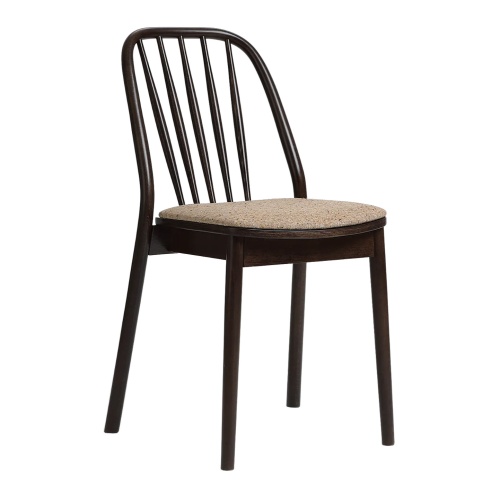 A-1070 AldoBeech wood vertical slat back chair
WSP: £168
RRP: £187
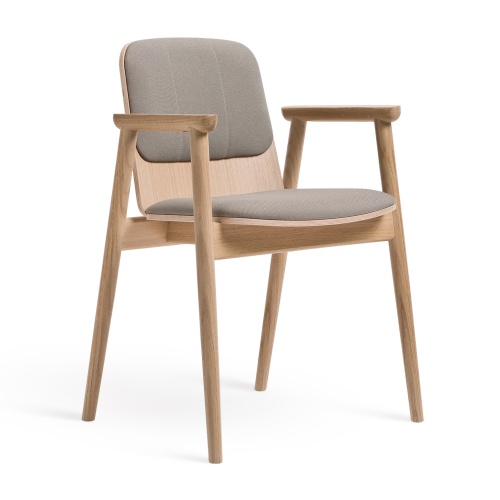 B-4395 PROPBeech cafe chair with armrests
WSP: £232
RRP: £258
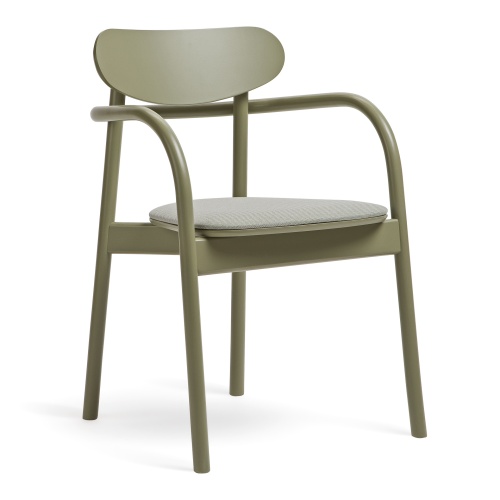 B-2960 La BendaBeech stackable chair with armrests
WSP: £243
RRP: £270
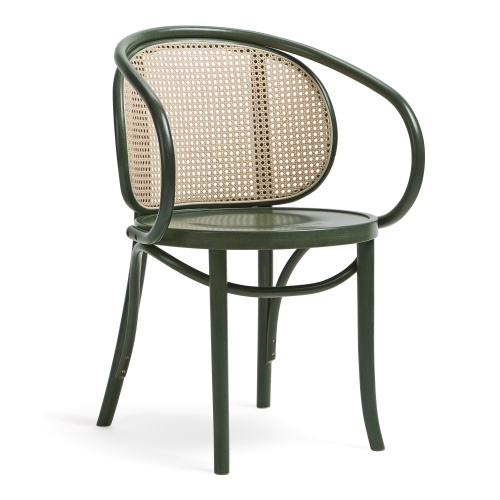 B-1890Bentwood wicker back chair
WSP: £254
RRP: £282
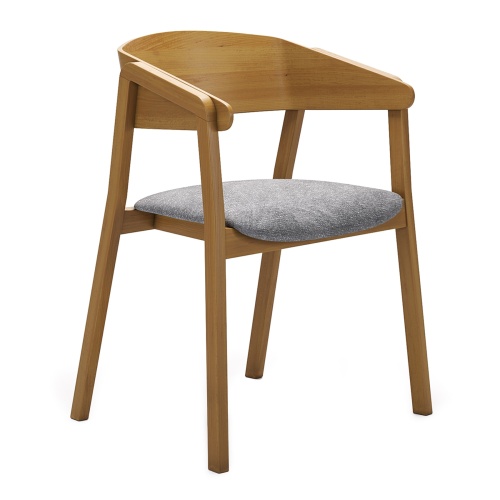 B-CavaBeech armchair with upholstered seat
WSP: £130
RRP: £144
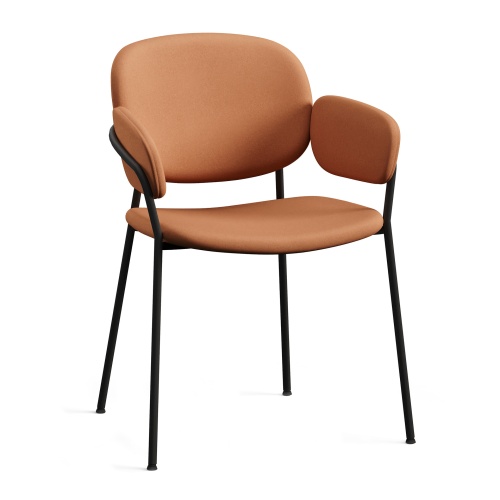 B-2301 RisoUpholstered chair with metal frame
WSP: £215
RRP: £238
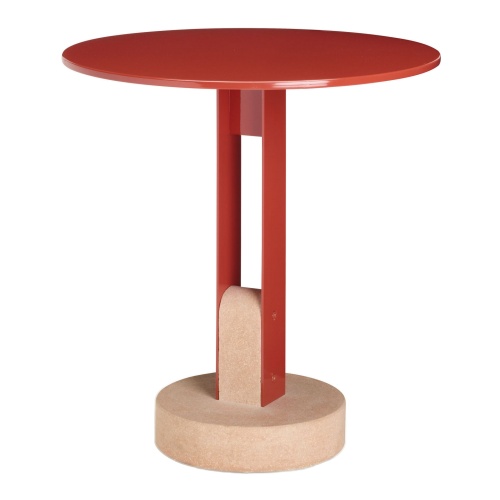
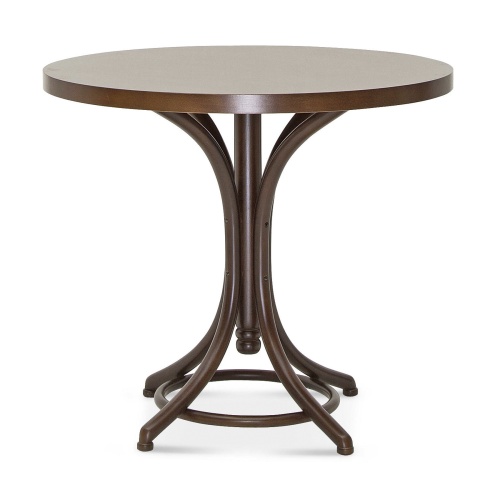
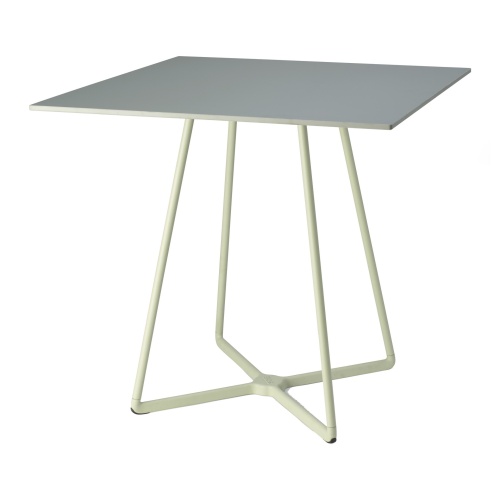
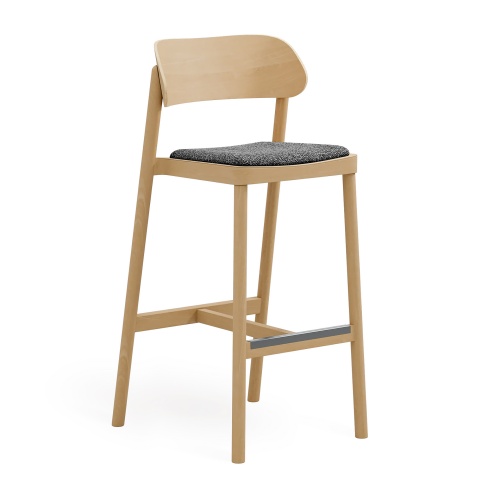 H-4590 NimmBeech wood bar stool
WSP: £216
RRP: £240
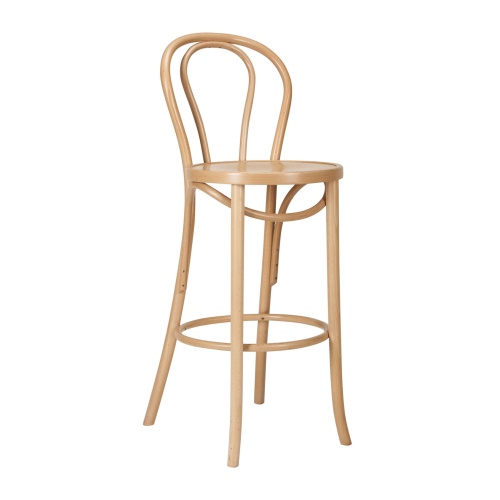 H-1840Bentwood bar stool
WSP: £169
RRP: £188
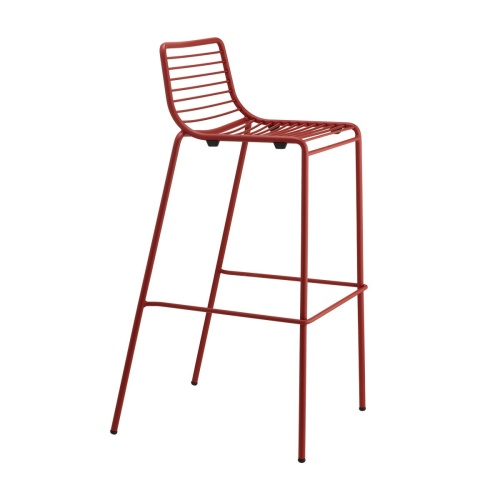 H-2535 SummerSteel garden high stool
WSP: £112
RRP: £125
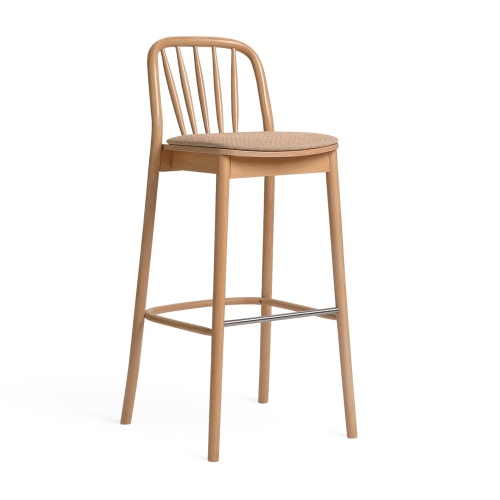 H-1070 AldoBeech vertical slat back bar stool
WSP: £219
RRP: £244
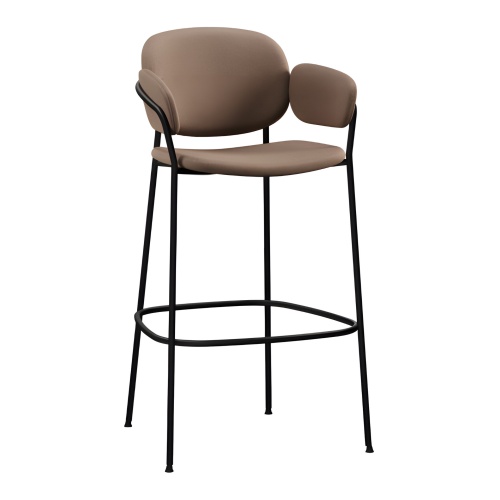 H-2301 RisoUpholstered metal bar stool
WSP: £253
RRP: £281
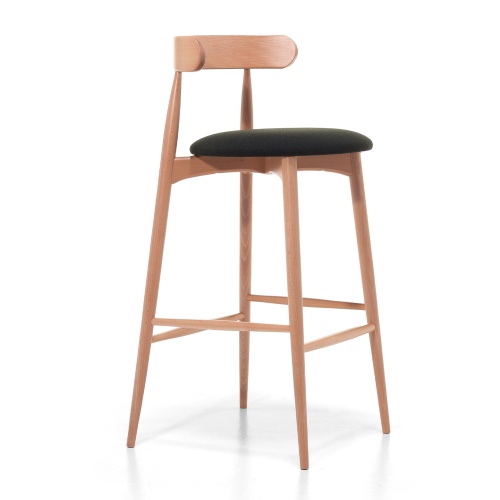 H-2432 FrisbeeBar stool with round seat
WSP: £255
RRP: £283
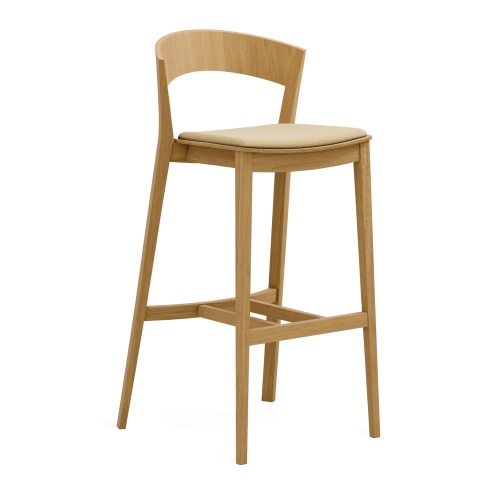 H-4800 ArcherWooden bar stool with footrest
WSP: £191
RRP: £212
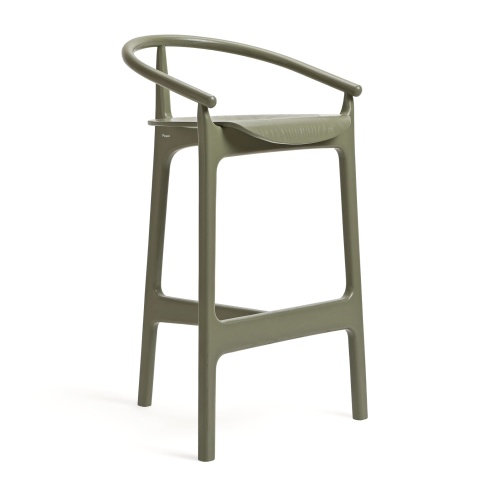 H-2940 EVOBeech bar stool with three legs
WSP: £221
RRP: £246
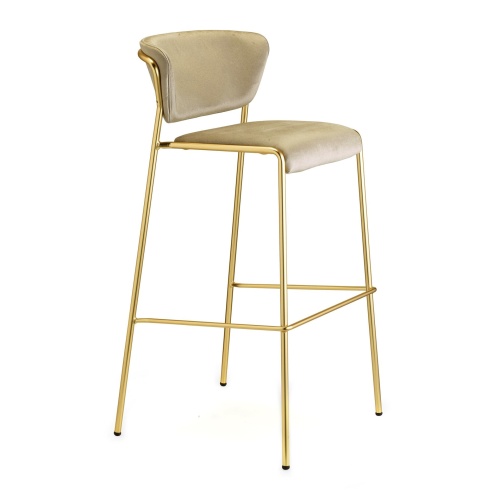 H-2855 Lisa BrassUpholstered bar stool with metal in brass
WSP: £291
RRP: £324
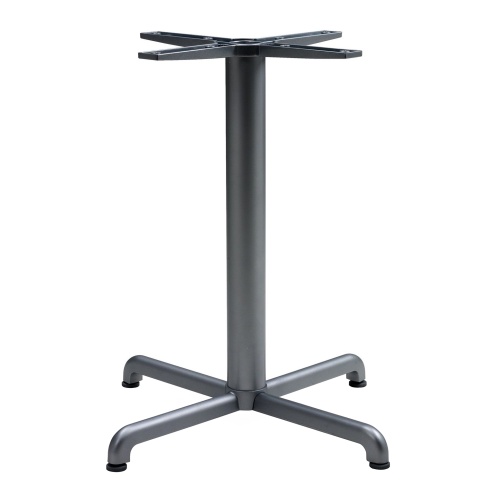 Calice AluOutdoor metal table base
WSP: £122
RRP: £131
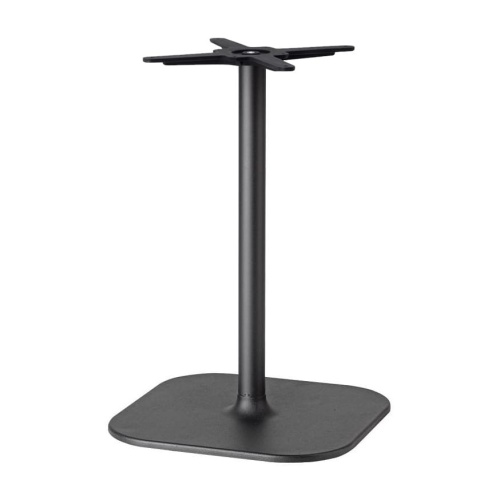 Rhino 5184Metal square table base
WSP: £103
RRP: £114
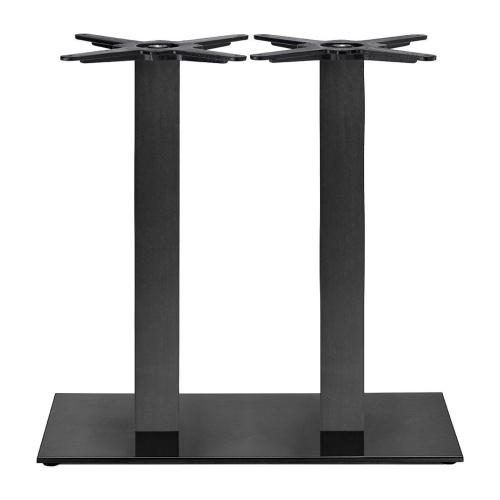 Tiffany Double 5082Double metal table base
WSP: £169
RRP: £188
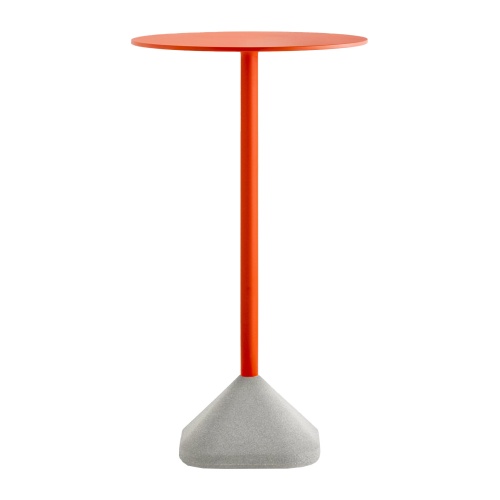
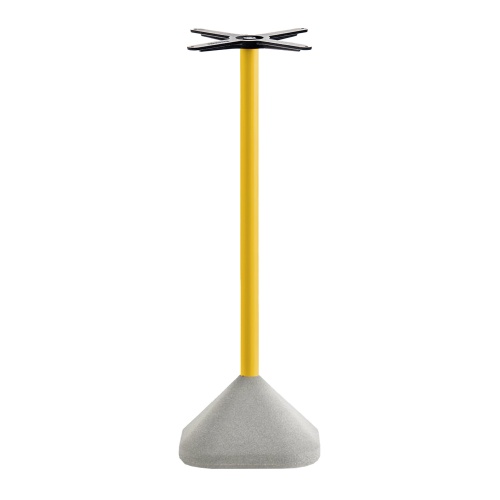 Concrete 856High concrete table base h108cm
WSP: £218
RRP: £242
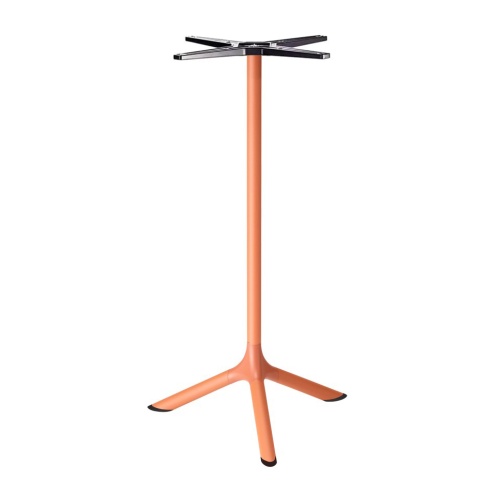 Tripe 5003High steel 3-spoke bar table base
WSP: £112
RRP: £125
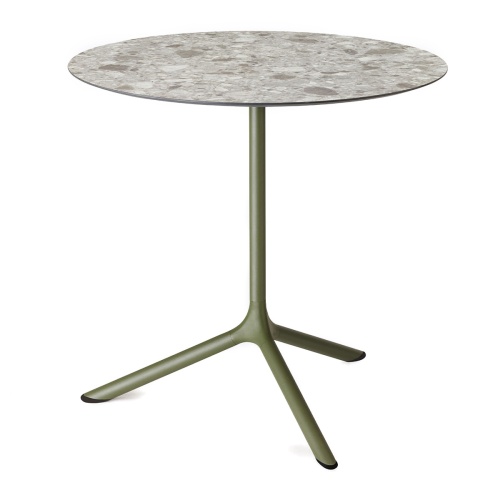
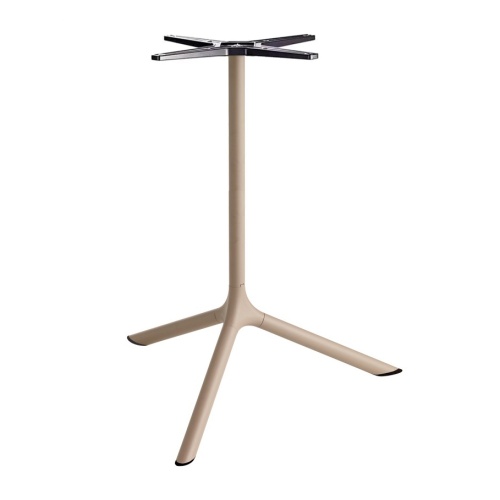 Tripe 5002Metal 3-spoke table base
WSP: £98
RRP: £109
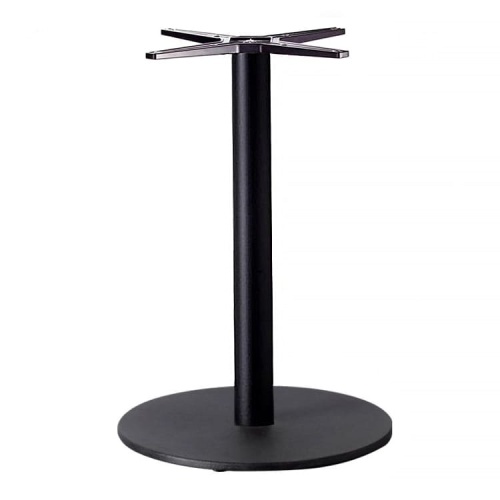 Tiffany 5170Metal round table base h73cm
WSP: £93
RRP: £103
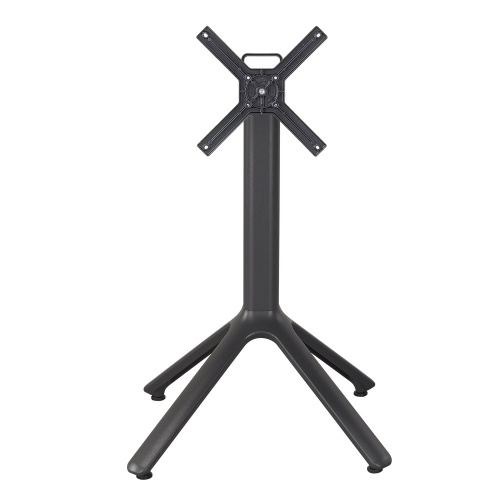 Nemo 5070Metal table base with folding top h73cm
WSP: £119
RRP: £132
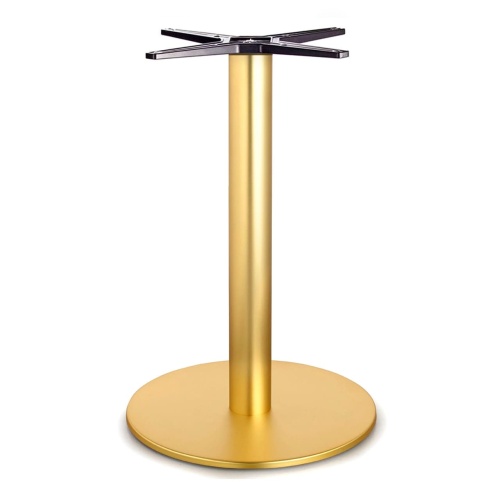 Tiffany Brass 5170Metal round table base in brass h73cm
WSP: £184
RRP: £204
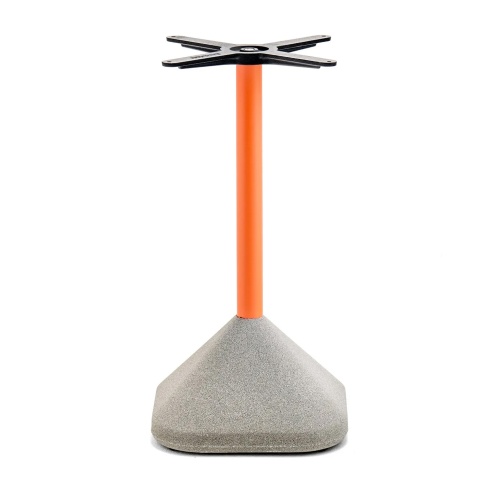 Concrete 855Concrete base with steel column h73cm
WSP: £192
RRP: £214
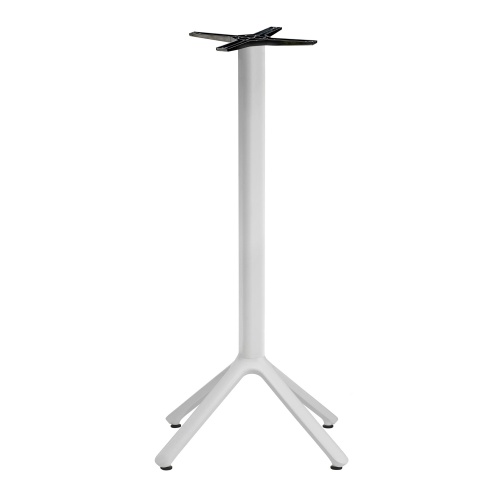 Nemo 5065High aluminium bar table base h109cm
WSP: £116
RRP: £128
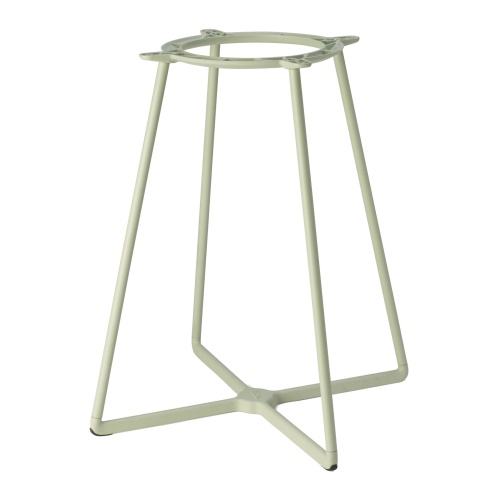 Atomo 50344-star metal dining table base
WSP: £115
RRP: £128
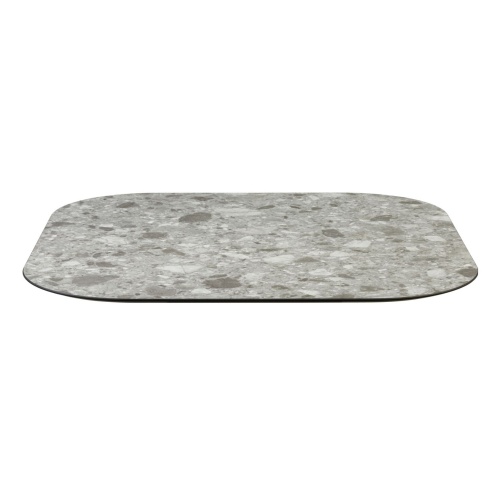 Compact 5563High-pressure laminate bevelled square table top
WSP: £87
RRP: £97
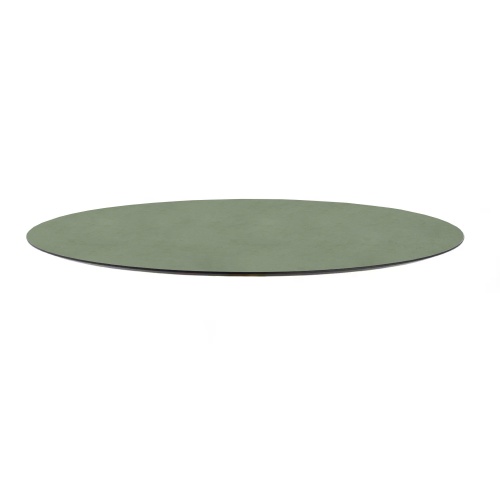 Steel 5570Metal round table top 60-70 cm
WSP: £106
RRP: £118
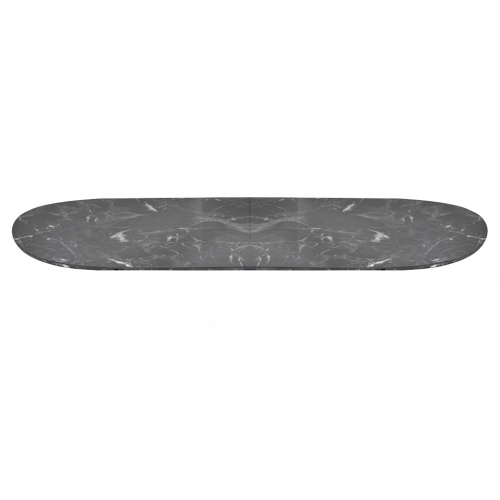 Compact 5566Oval high-pressure laminate table top
WSP: £251
RRP: £279
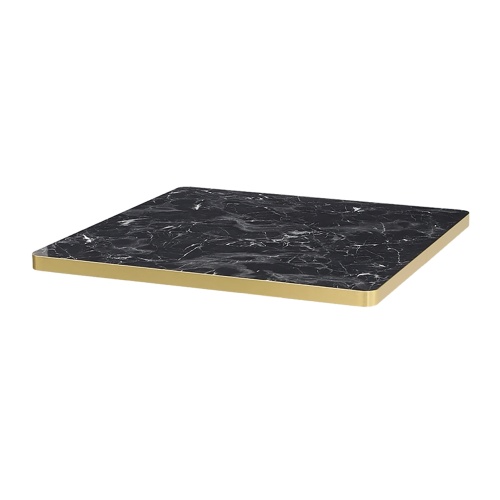 Tiffany 5550 OSLaminate brass ABS square table top
WSP: £99
RRP: £110
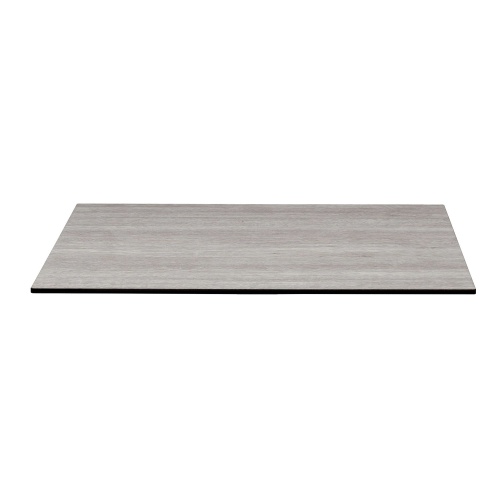 Compact 5298High-pressure laminate square table top
WSP: £74
RRP: £82
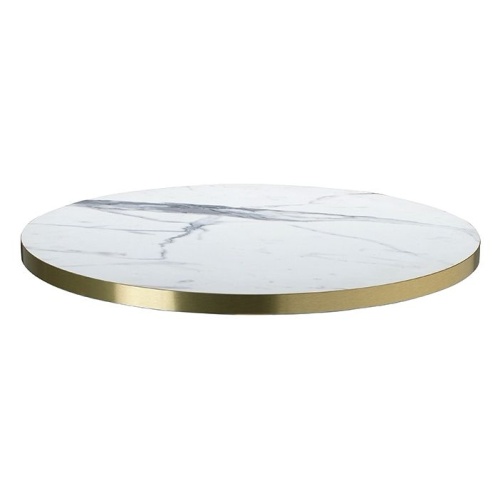 Tiffany 5552 OSLaminate brass ABS round table top
WSP: £99
RRP: £110
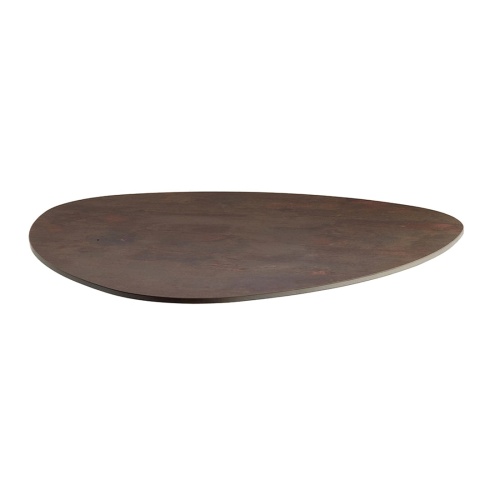 Compact 5559High-pressure laminate triangular table top
WSP: £107
RRP: £119
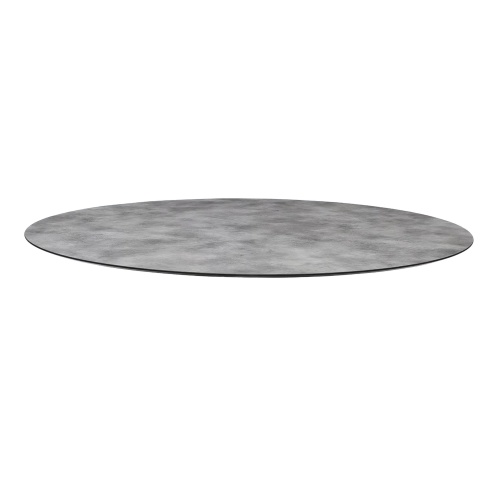 Compact 5282High-pressure laminate round table top
WSP: £74
RRP: £82
Frequently asked questions
How does contract furniture differ from standard furniture?
It features reinforced joints, durable materials and is designed for daily commercial use. Residential furniture is built for 1–2 users and a few hours of use per day. Contract furniture is built for 50–300 seating cycles per day, regular cleaning with detergents and long-term use without replacement. Its service life is typically several times longer.
What furniture is suitable for intensive use in a restaurant?
Chairs with metal or beech frames and reinforced joints, tables with HPL tops, and upholstery fabrics rated from 50,000 Martindale cycles. For bar areas — reinforced bar stools with steel footrest stretchers. Before purchase, it is advisable to request the product datasheet with load figures and cyclic test results.
Can the same furniture SKU be reordered a year later?
Yes, if the SKU, colour and finish are fixed at the first delivery stage. We work with suppliers that guarantee model continuity. We recommend confirming the availability horizon of the SKU at the time of first order — this is standard practice in multi-site hospitality projects.
Can a venue be fully furnished on a turnkey basis?
Yes. We select compatible furniture groups taking into account heights, seating density, materials and budget. This includes layout consultation, supply volume calculation and support with repeat orders. For network projects — SKU fixation and an agreed delivery schedule.