


Central pedestal tables
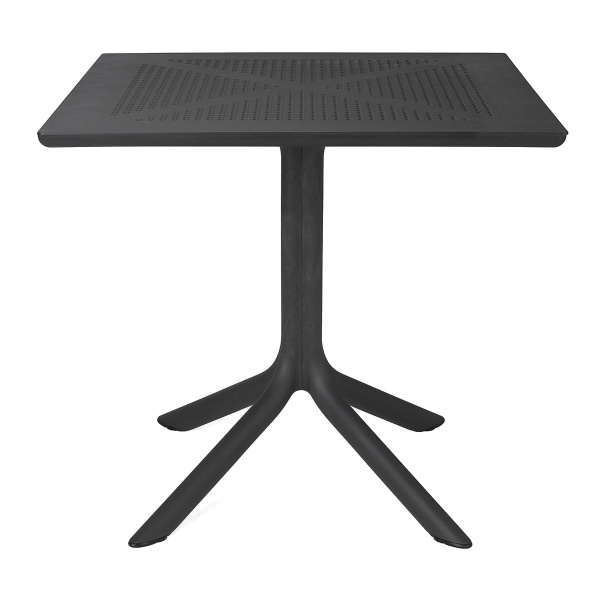
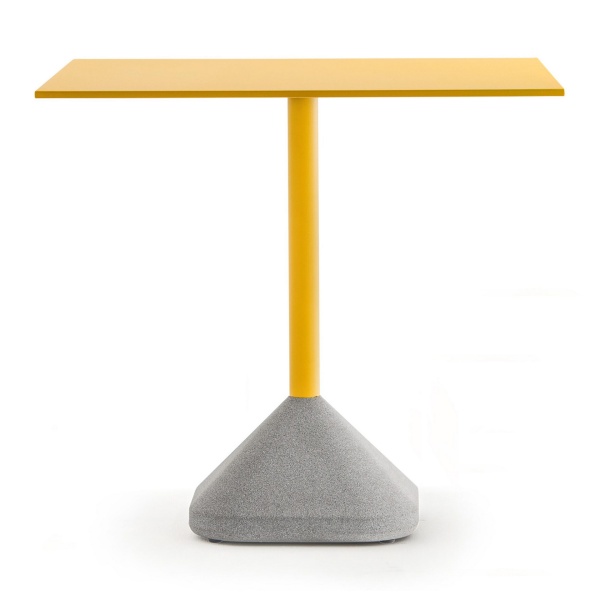
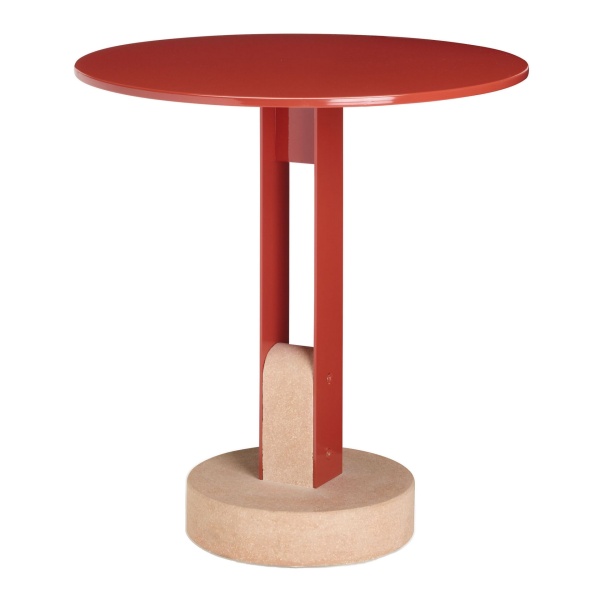
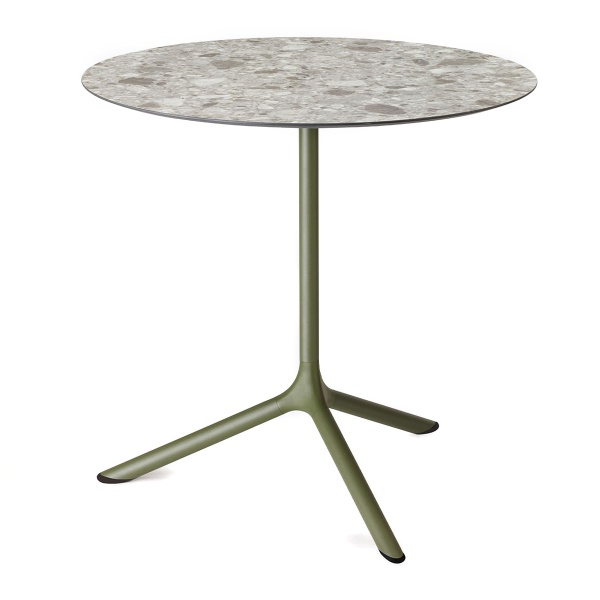
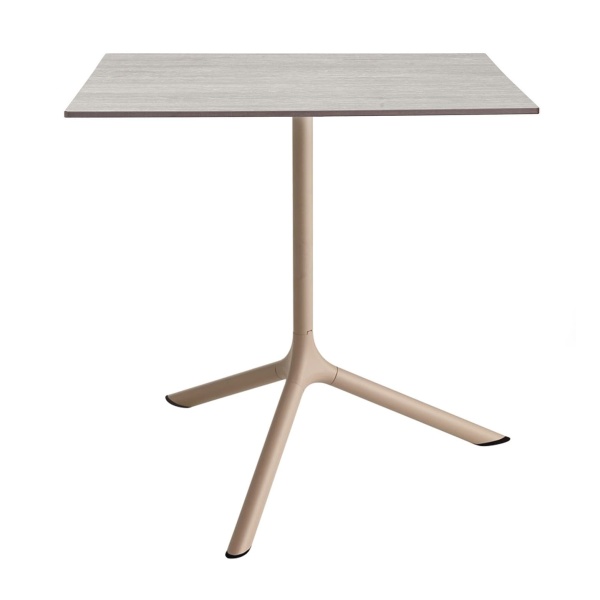
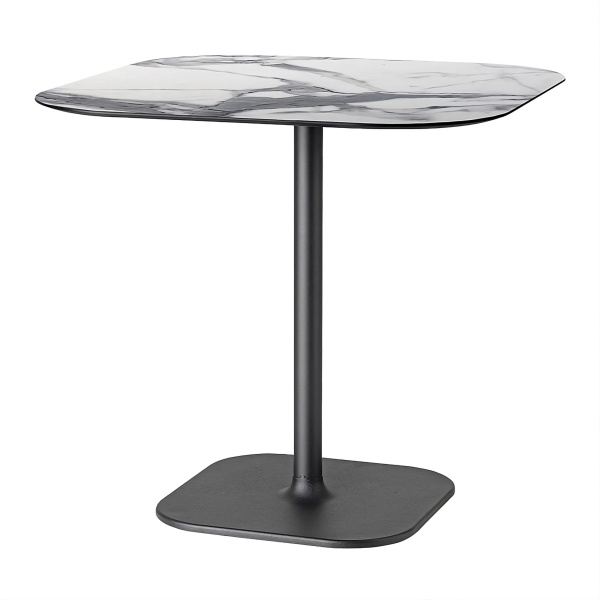
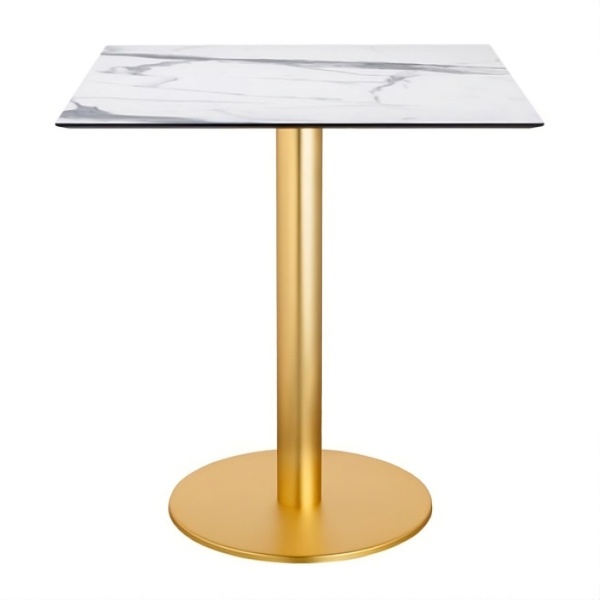
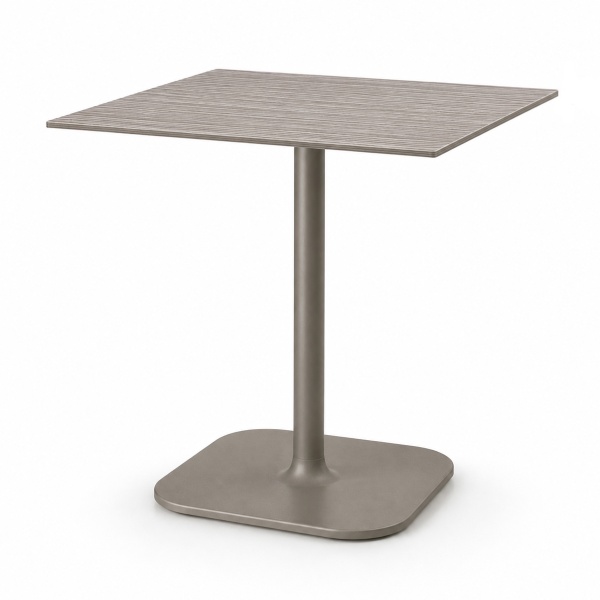
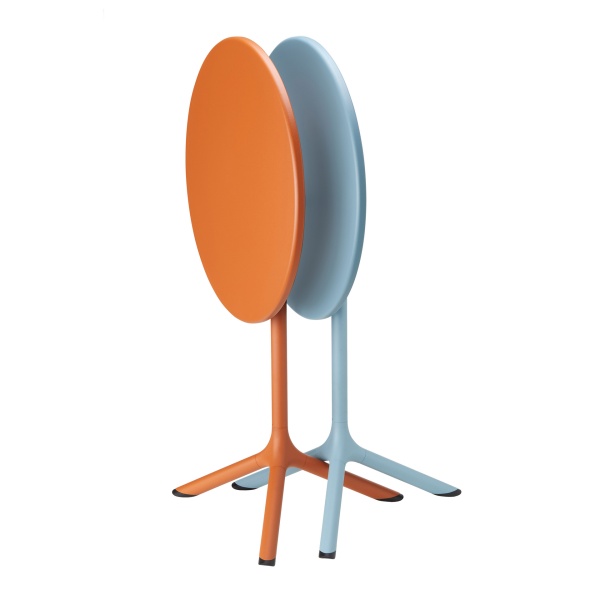
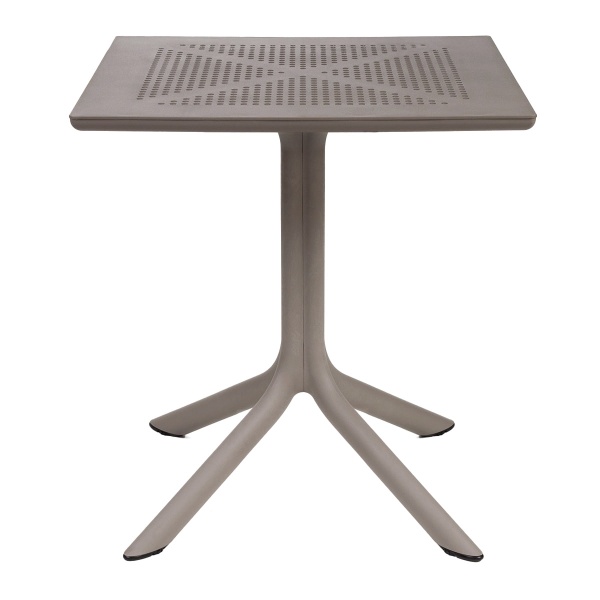
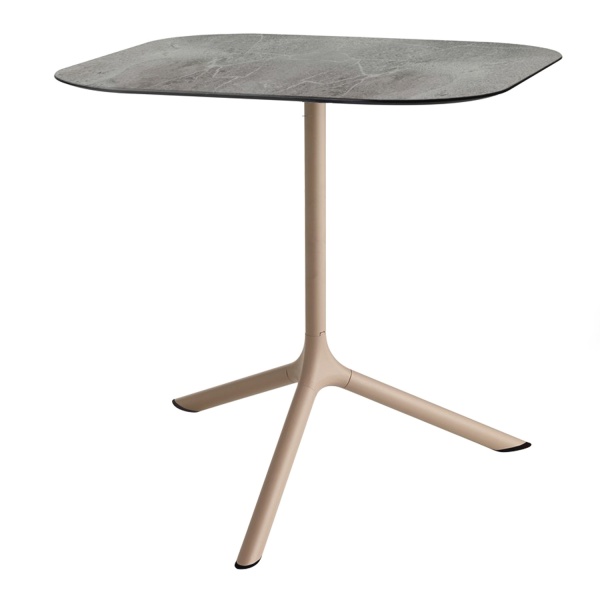
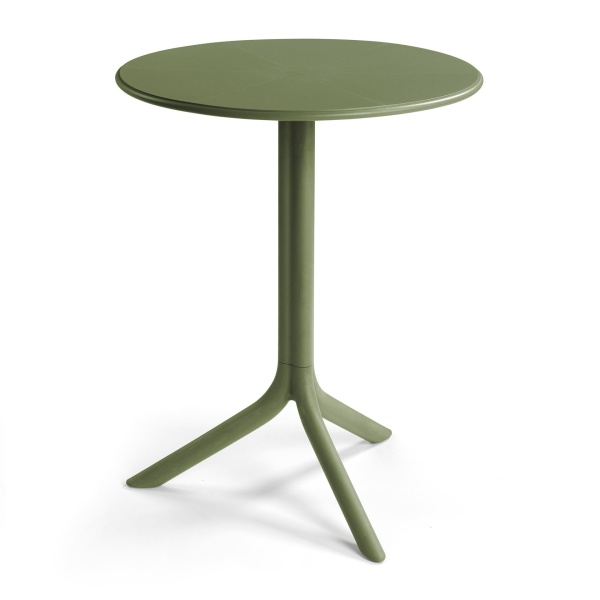
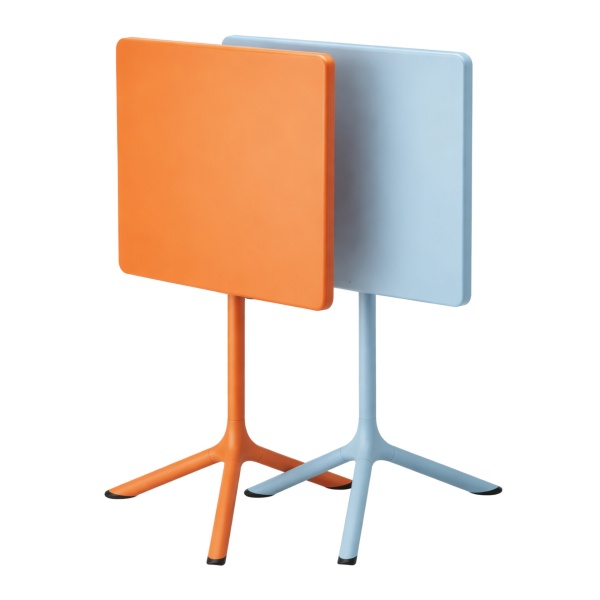
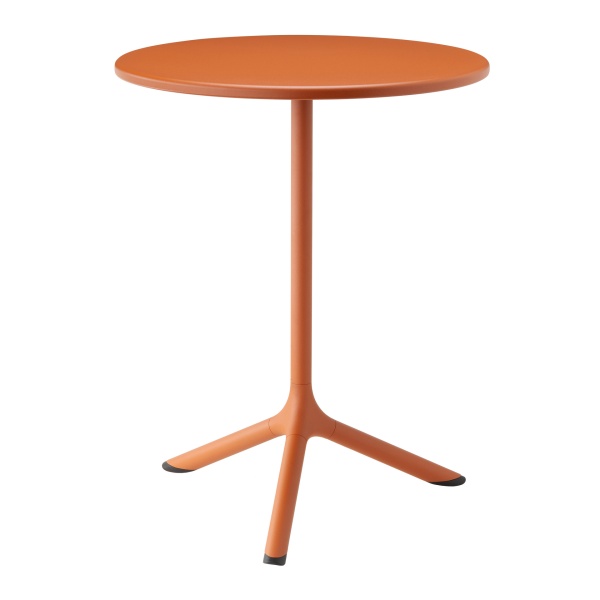
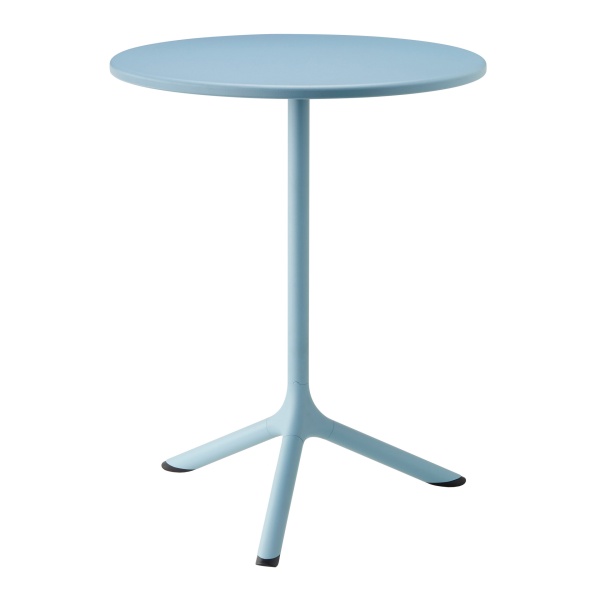
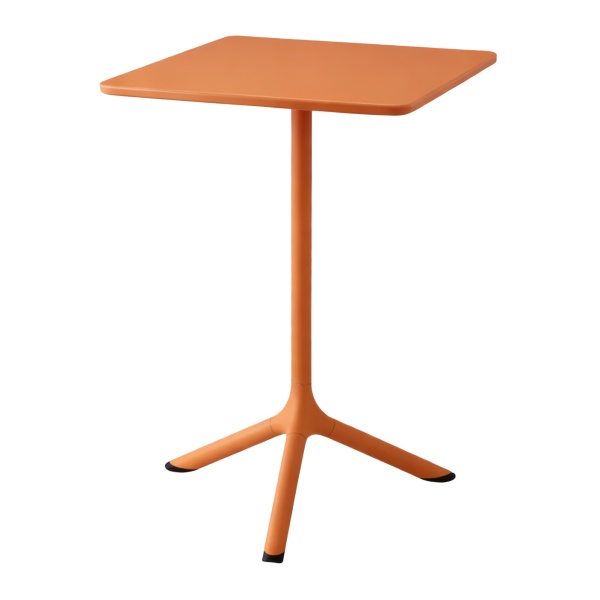
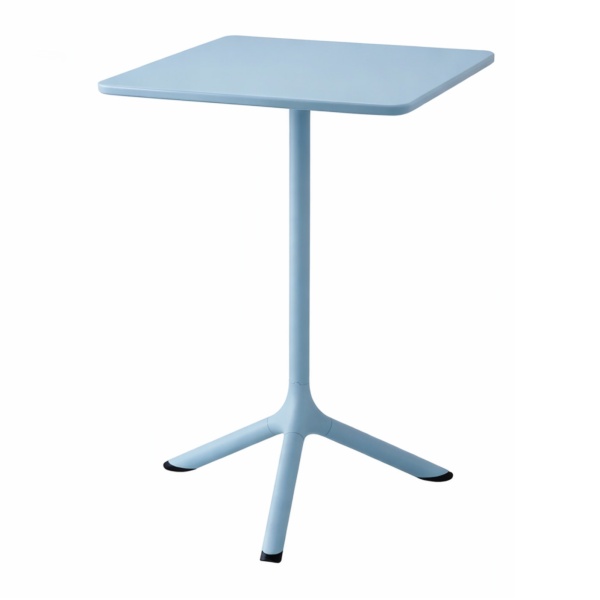
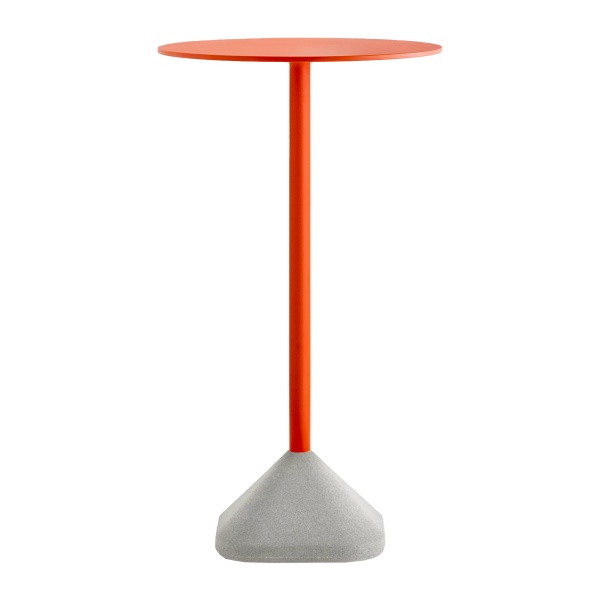
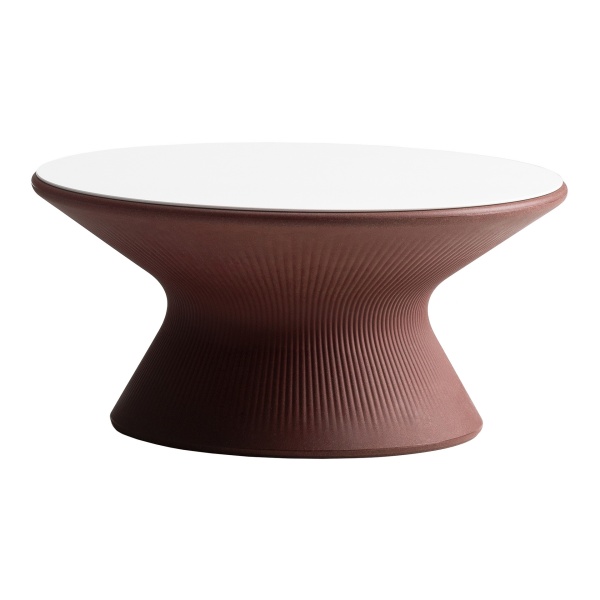
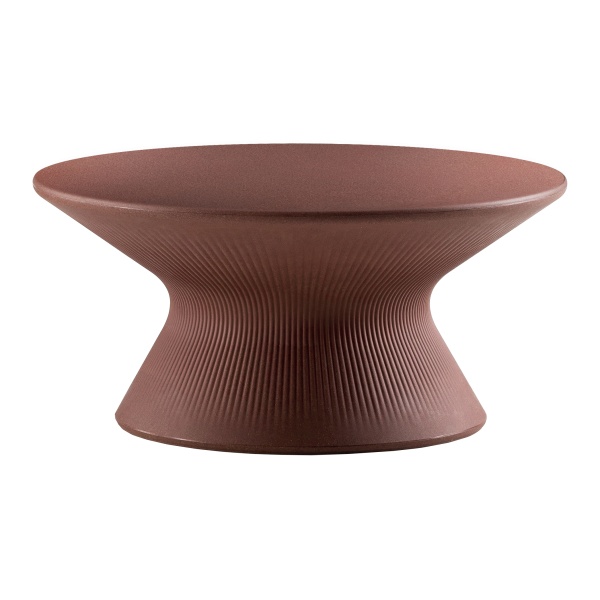
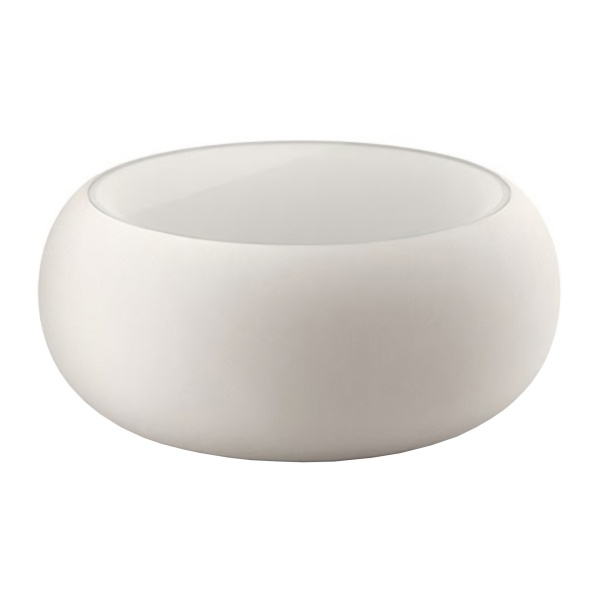
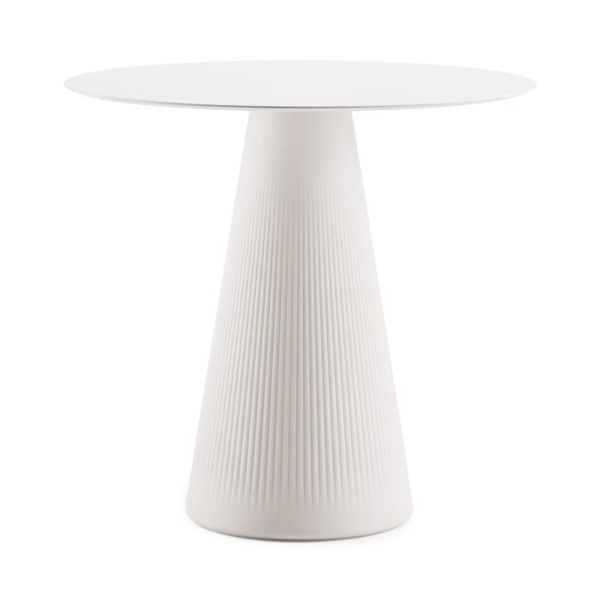
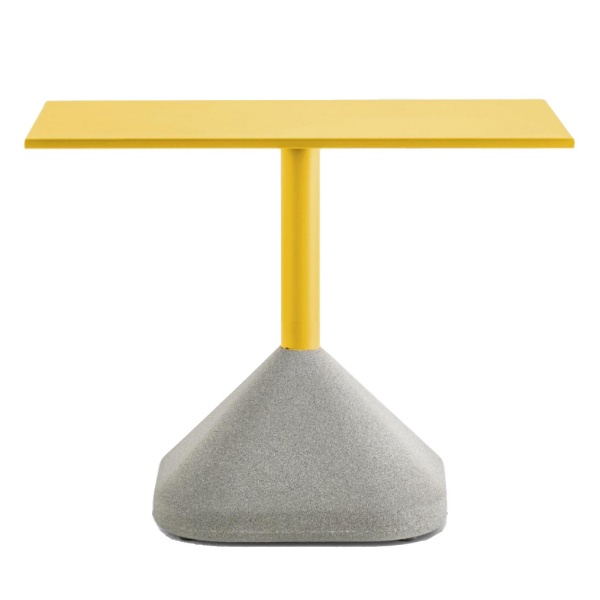
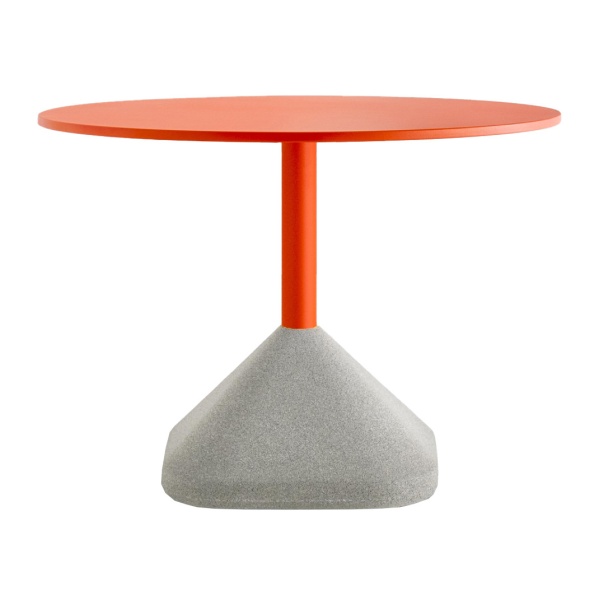
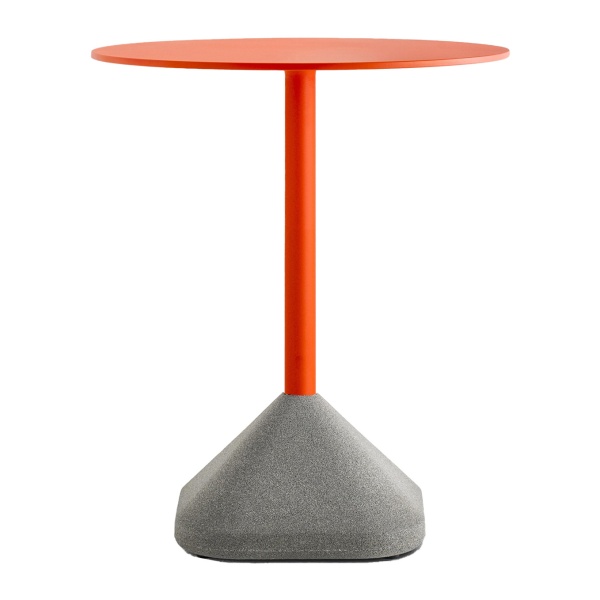
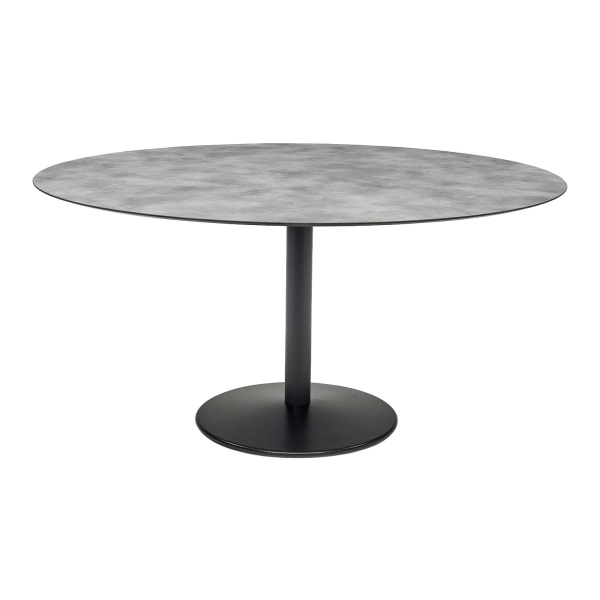
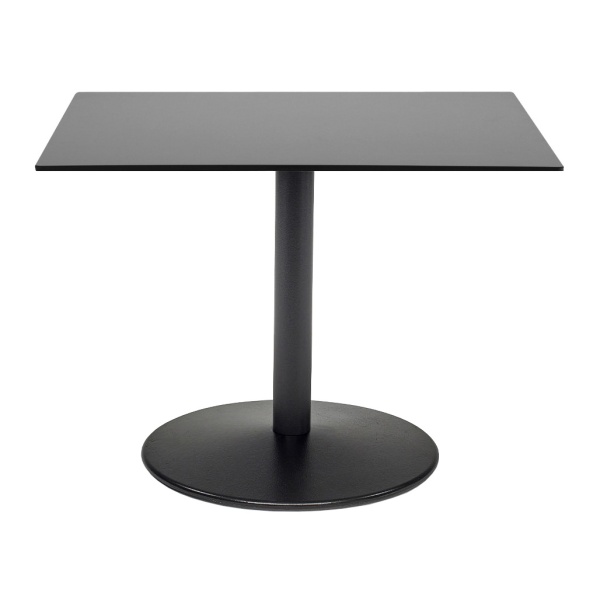
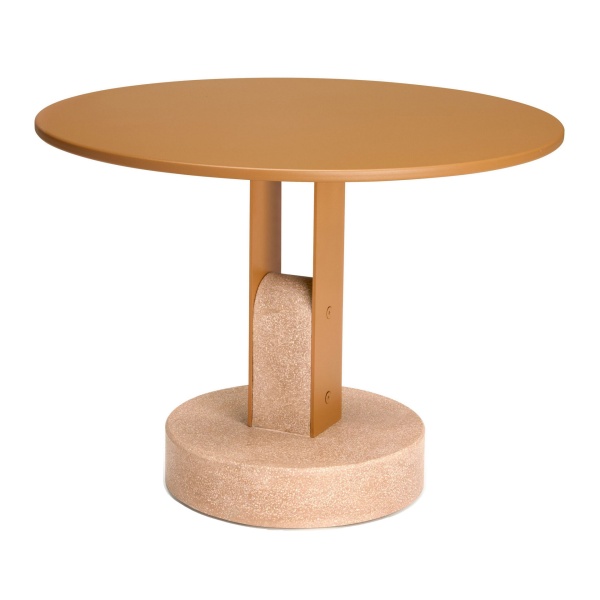
Central pedestal tables for cafés and restaurants are contract-grade HoReCa solutions where the load from the top and guests is carried by a single central column instead of four corner legs. This layout improves ergonomics, speeds up service flow, and enables denser seating without sacrificing guest comfort.
Category in brief
What are they? Pedestal tables are single-column tables (one base, no corner legs) designed for commercial hospitality use.
Who are they for? Bistros, cafés, bar areas, and compact dining rooms where aisles, fast turnover, and legroom matter.
Key benefit Fewer leg “collisions” in aisles and more flexible seating for both guests and staff.
Central pedestal tables are a functional specification that directly affects layout efficiency, aisle safety, and day-to-day operations. In high-traffic, space-tight venues, this construction can solve multiple operational challenges while keeping a clean, modern look.
Across Europe, pedestal bases are a common standard in bistros and coffee bars. In compact rooms with frequent guest movement, they help improve comfort, shorten reset time between seatings, and make reconfiguration faster without heavy furniture.
Why a pedestal base instead of four legs
Why choose a pedestal? More legroom, quicker cleaning between turns, and easier re-positioning in tight layouts.
When are four legs better? For larger tops and long rectangular formats where edge loading must stay perfectly stable.
This is one of the most common decisions during room fit-out. For most bistros, cafés, and casual dining concepts, a pedestal base delivers system-level advantages.
Maximum legroom. With no corner legs, guests avoid the typical complaint: “there’s nowhere to put my legs,” especially at 2- to 4-top settings.
Faster resets. Staff can approach from any side, reducing motions during clearing and accelerating turnover in peak periods.
Layout flexibility. Pedestal tables slide closer to banquettes, walls, and each other, making reconfiguration faster for different dayparts or events.
Cleaner perimeter. Fewer trip points and fewer awkward contacts when guests stand up or move through dense seating.
There is a practical limit: for tops wider than ~90 cm or longer than ~160 cm, a double T-base or a four-leg frame is often required to maintain edge stability under load.
For a complete dining room setup, you can also explore the Tables for Cafés & Restaurants section, and for compact 2–4 seat layouts — see our Square Restaurant Tables.
Types of pedestal bases
Most stable — cross base: best for active rooms and frequent furniture movement.
Most minimal — disc base: clean look, but more sensitive to side pushes.
For larger tops — double T-base: keeps legroom and holds geometry on longer formats.
Base design drives stability, weight, and real-world behavior under dynamic loads.
- Column on a cross base — contract standard with strong lateral stability.
- Column on a disc base — minimal look and even weight distribution.
- Conical pedestal — design-forward option for concept interiors.
- Double T-base — for rectangular tops from about 120 cm and up.
- Adjustable base — height ranges from dining (72–76 cm) to bar (90–105 cm).
Contract bases typically use powder-coated steel or stainless steel. Aluminium is often preferred for outdoor use due to corrosion resistance and easier handling.
Impact on layout and operating metrics
How much space can you gain? Removing corner legs often lets you position tables 8–12 cm closer to banquettes or walls without compromising aisles.
What does it do for service? Clearing and serving from any side reduces movements and supports faster table turns.
- Denser seating without sacrificing aisles;
- Faster turnover thanks to all-sides access;
- More flexible zoning and re-arrangement;
- Fewer aisle incidents and “leg conflicts.”
For rooms around 80–100 m² in bistro or fast-casual formats, pedestal tables are a practical standard for efficient space use.
Questions & answers
Is a single-pedestal table stable?
Yes, when the base type and top size are correctly matched.
Cross base vs disc base — which is better?
A cross base is more resistant to side loads; a disc base looks cleaner but is more sensitive to pushes.
Are pedestal tables suitable for outdoor terraces?
Yes, with aluminium or stainless bases and moisture-resistant tops.
What warranty applies?
Typically 2 years for the structure and up to 5 years for HPL/compact tops under proper use.