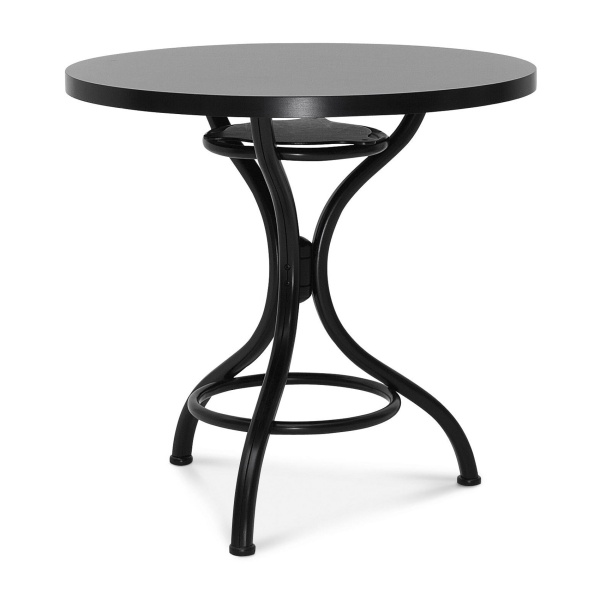
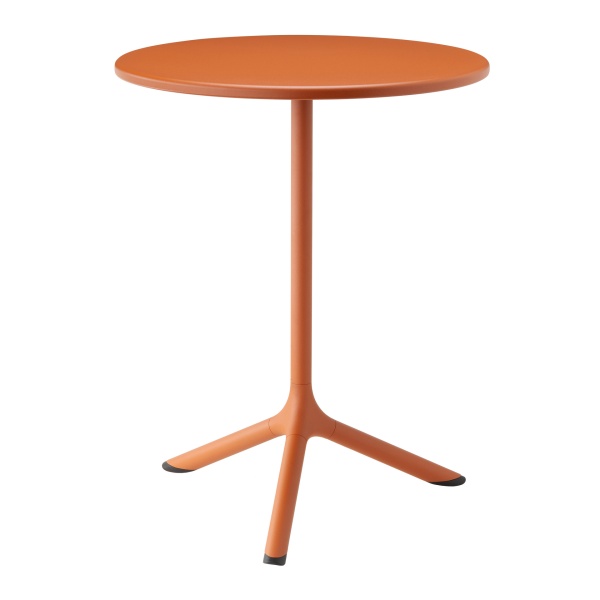
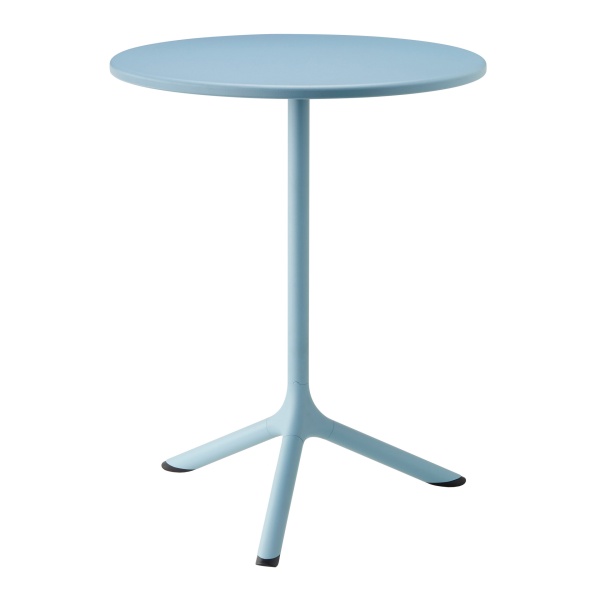
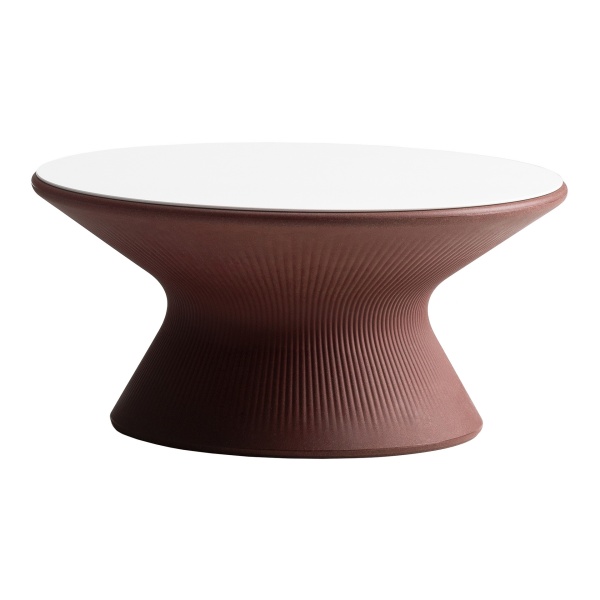
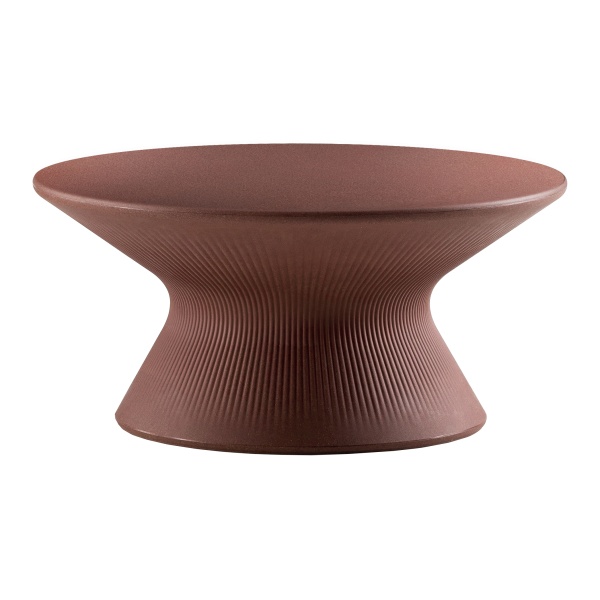
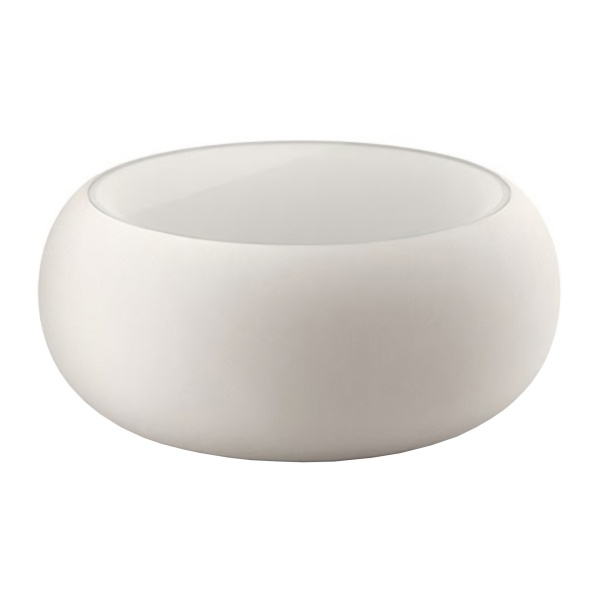
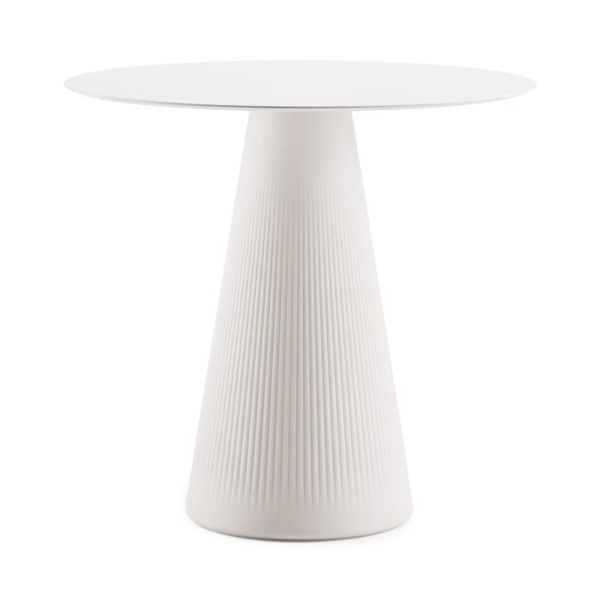
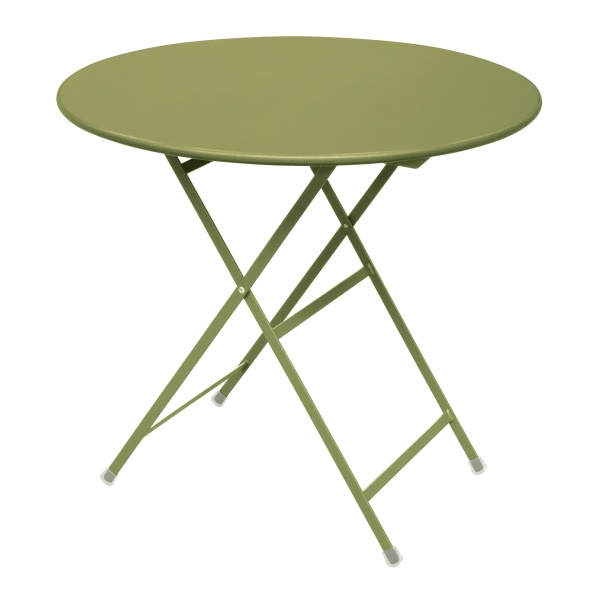
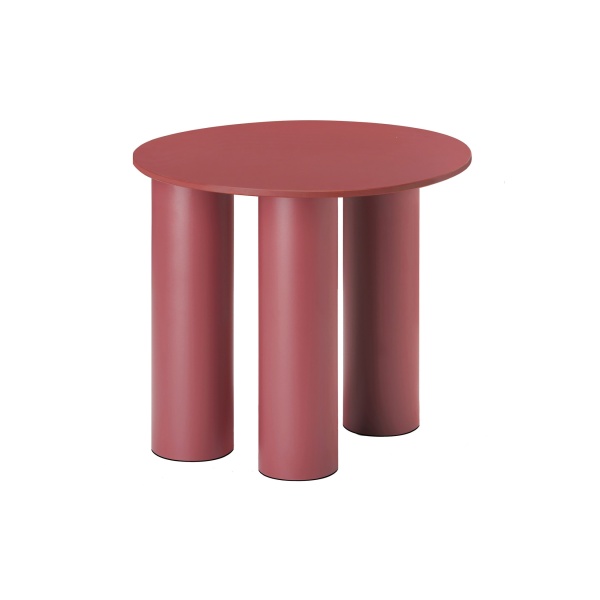
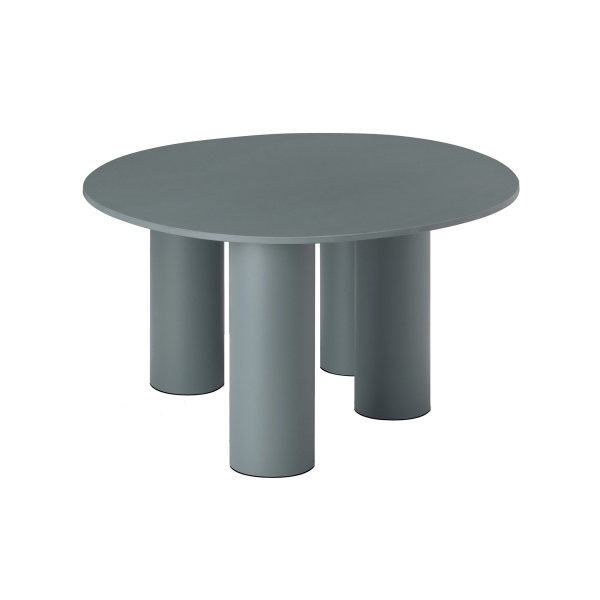
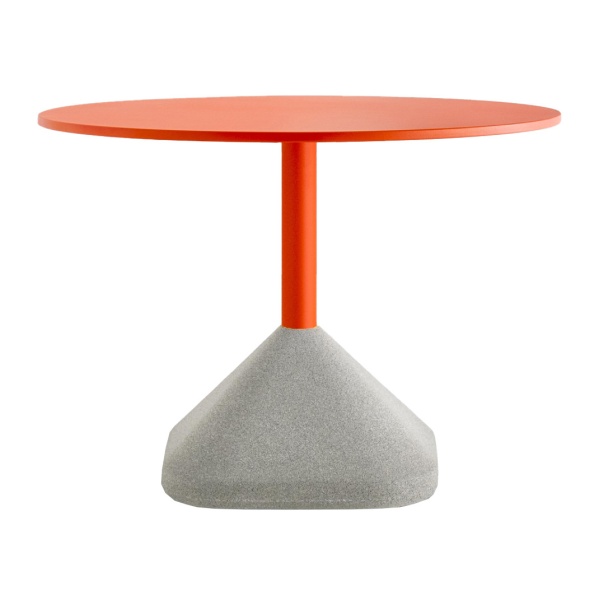
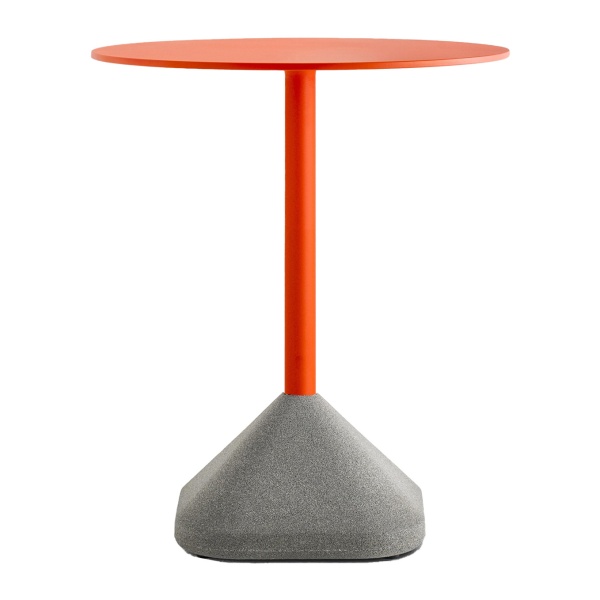
For hospitality venues, this has direct practical value. In cafés, bistros, wine bars and mid-to-premium restaurants, a round table can support longer guest dwell time, stronger engagement in conversation and a calmer dining scenario. This shape works especially well in formats where not only fast table turnover matters, but also the quality of the experience guests receive in the space.
A round table in hospitality is not just a stylistic device. It is a tool that changes the character of guest interaction: communication becomes more equal, seating feels softer, and the atmosphere becomes more open and welcoming.
Why round tables are often chosen for restaurants and cafés
Unlike rectangular tables, a round table does not impose a rigid geometry of communication. Guests see each other more easily, do not feel divided into “end” and “central” seats, and join the conversation more naturally. In venues built around atmosphere, emotional comfort and social experience, this becomes a meaningful advantage.
For a restaurant, this means that a round tabletop can encourage guests to stay longer at the table and create a more relaxed ordering scenario. In hospitality practice, this is often linked to additional drinks, desserts or a longer ending to dinner. That is why round tables are relevant where a venue sells not only food, but also the experience of being in the space.
- Better communication — all guests are positioned at an equal distance from one another;
- Softer seating — the absence of corners makes the space feel less rigid, both visually and physically;
- A more welcoming atmosphere — the round shape is associated with openness and togetherness;
- Flexible seating — it is easier to adapt the number of seats without a sense of “empty” zones;
- More expressive design — round tables add rhythm and visual fluidity to the interior.
Which hospitality formats round dining tables work best in
Round models work best in venues where atmosphere and the nature of guest interaction are part of the concept. These may include contemporary restaurants, wine bars, bistros, intimate coffee shops, hotel dining areas and venues focused on slower, more considered dining.
In small cafés, a round table helps soften the geometry of the room and make seating feel less formal. In mid-range and premium restaurants, it is often used for two-, three- or four-person seating, where the key factor is not seating density itself, but comfort of interaction and quality of service experience. In these zones, round tables work naturally with restaurant chairs, and in softer scenarios — with upholstered chairs.
Round tables are especially appropriate in spaces where the interior should feel visually lighter. The absence of sharp corners reduces the feeling of a rigid grid in the dining room, while the space itself is perceived as smoother and more organic. This is why round models are often used in projects where soft circulation routes, intimacy and design cohesion matter.
Sizes and seating: what to consider
For hospitality use, a round table should be evaluated not only by appearance, but also by the real service scenario. Compact models with a diameter of around 60–70 cm work well for two guests in coffee shops, bistros and small restaurants. For three to four guests, tabletops of 80–100 cm are more commonly used, depending on the service format and level of the venue.
If the table is used in a restaurant with full table service, wine glasses, several dishes and longer guest dwell time, a larger diameter should be considered. If the setting is a compact café or urban bistro, where seating dynamics are important, smaller models are more appropriate and will not overload the room.
- 60–70 cm — compact seating for two in coffee shops and small cafés;
- 70–80 cm — comfortable two-person seating for venues with fuller table settings;
- 80–100 cm — a universal format for three to four guests;
- 100 cm and above — for more spacious restaurants where freer seating and a larger serving area are important.
Structural advantages for hospitality spaces
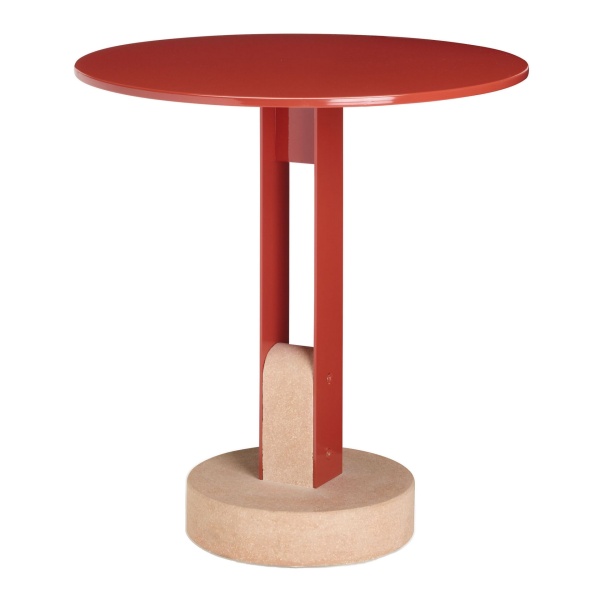
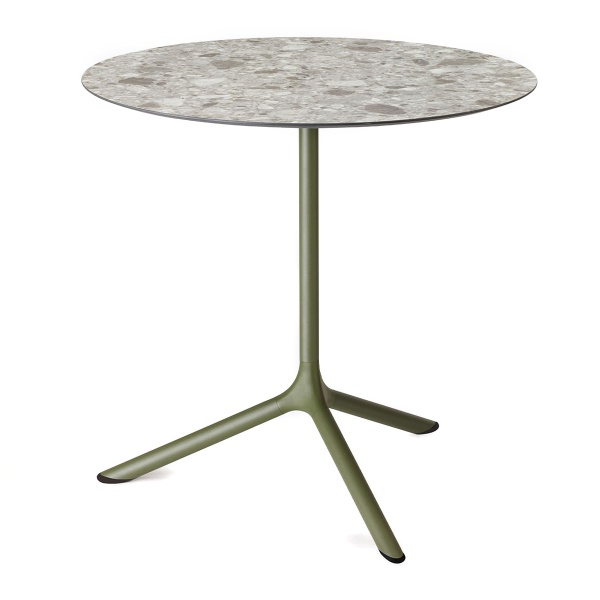
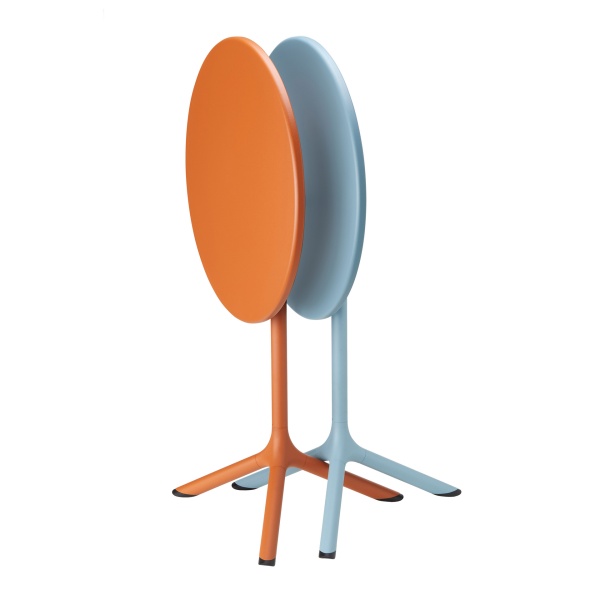
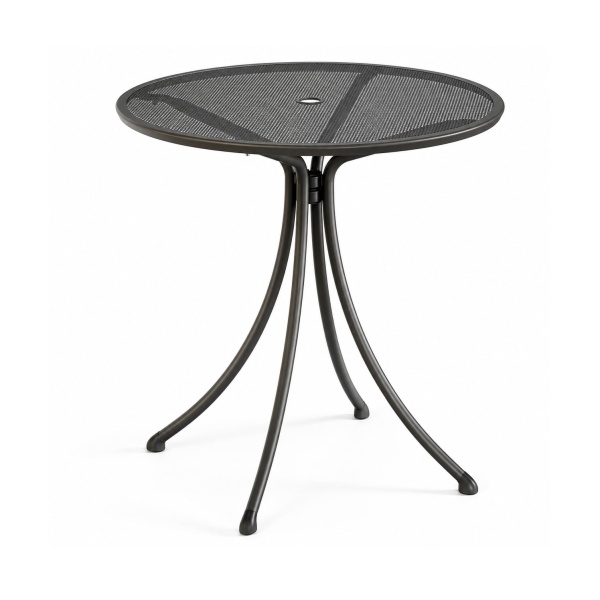
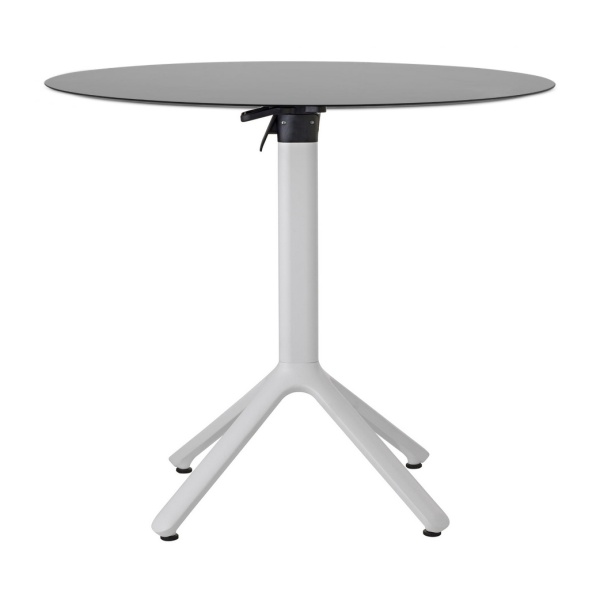
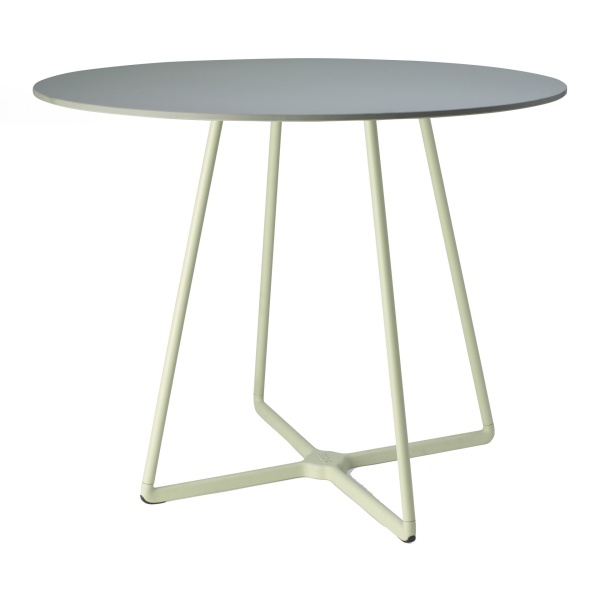
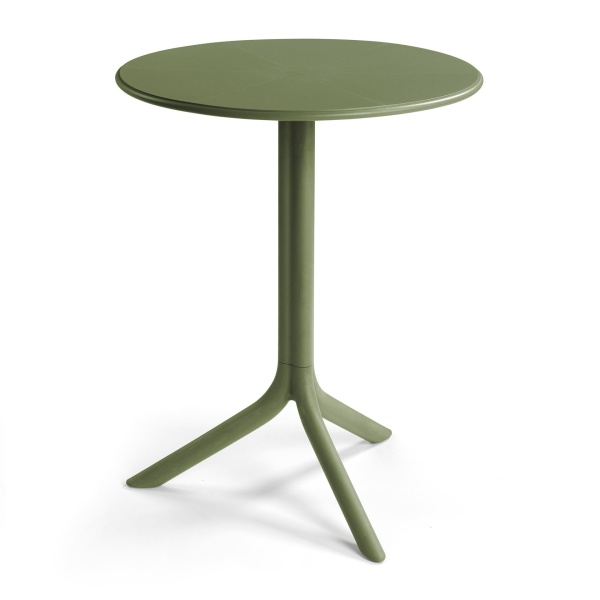
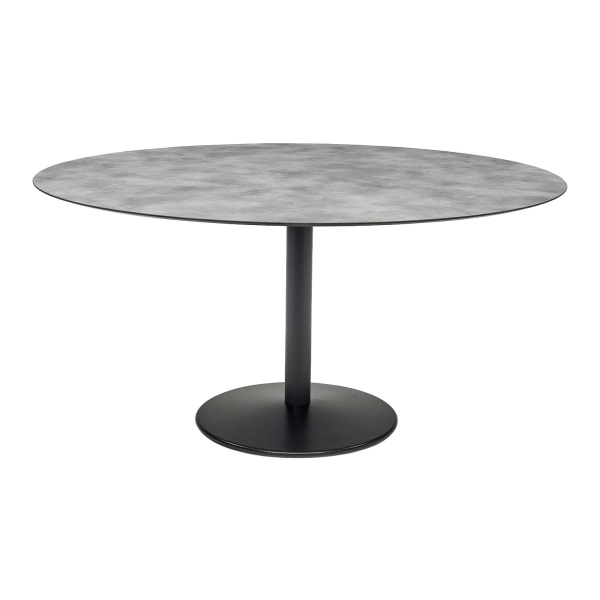
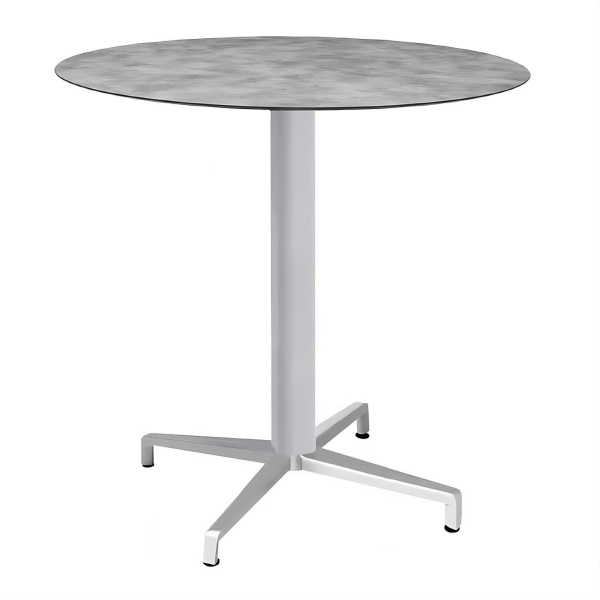
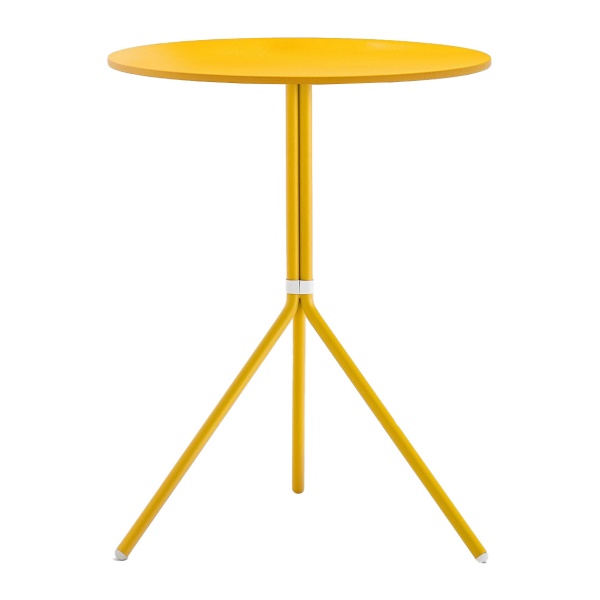
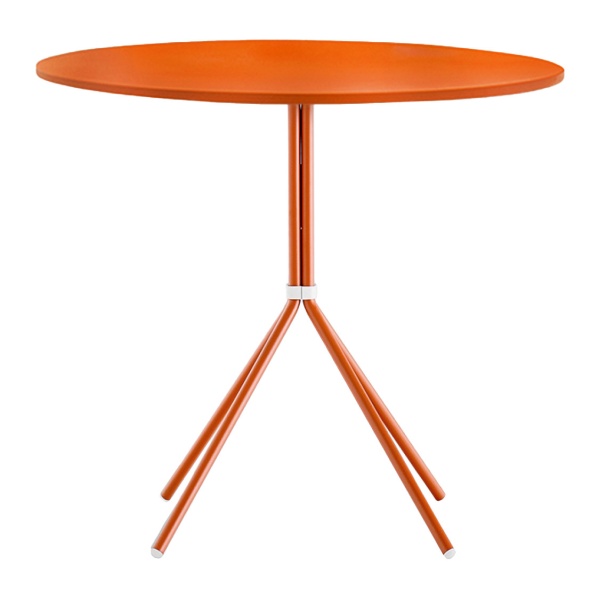
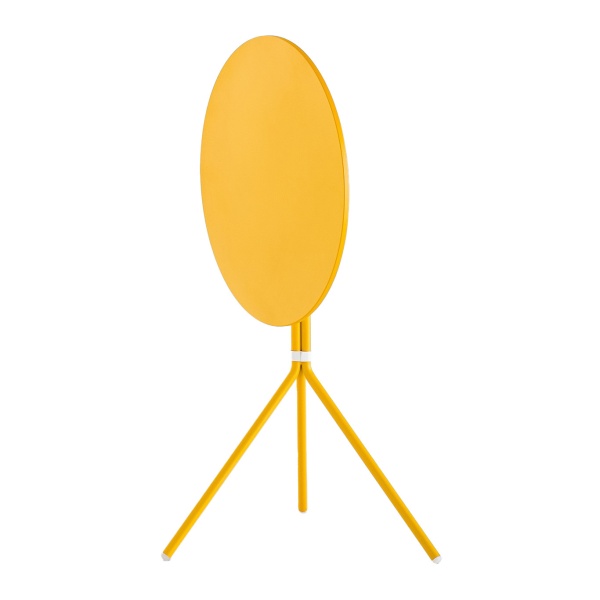
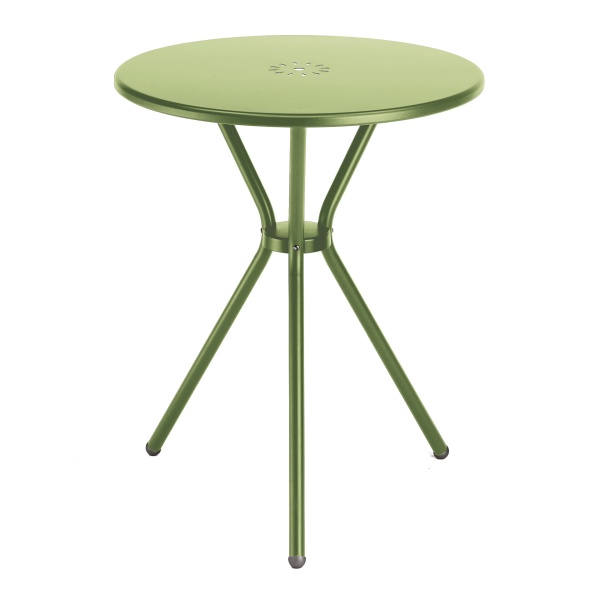
In professional restaurant furniture, round tables may have different types of bases, but models with a central pedestal base are most commonly used for cafés and restaurants. This solution is especially practical because it allows guests to position their legs more comfortably, avoids conflict with chair legs and visually lightens the seating group. That is why central pedestal tables are particularly relevant in this segment.
In smaller venues, this gives another advantage: a round table on a central base fits more easily into dense seating layouts and works better in corners, near sofas or in compact groups. In a restaurant with active daily use, this directly affects staff convenience and layout flexibility.
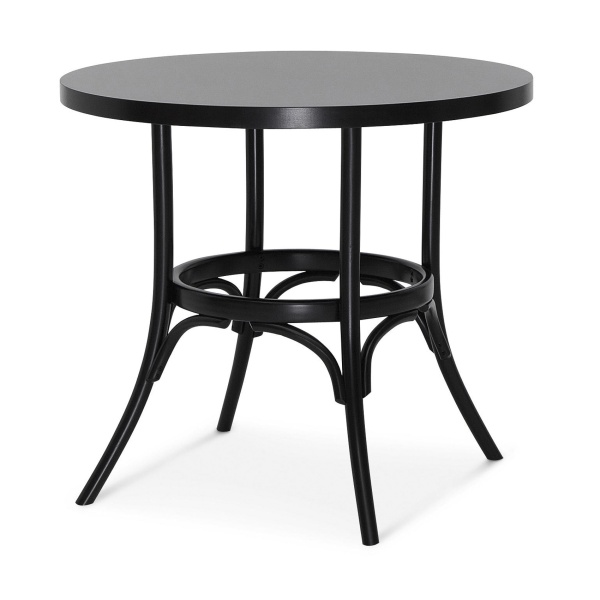
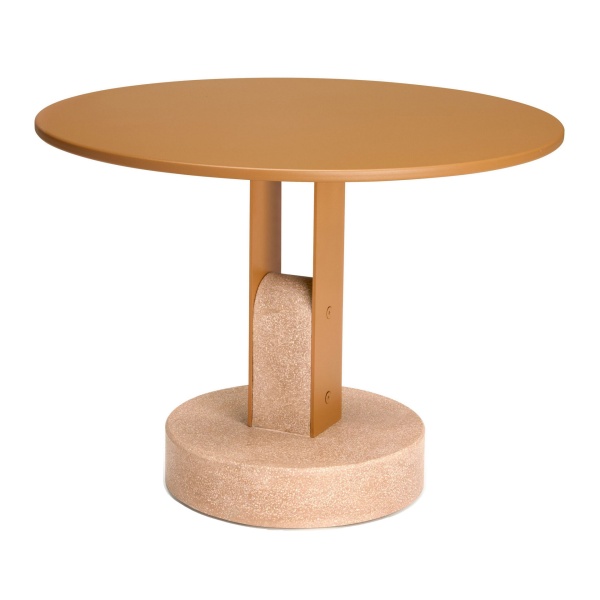
It is also important to consider the tabletop and base material. In hospitality, round models may be made from metal, HPL, solid wood, veneer, ceramic or combined materials — depending on the venue concept, intensity of use and maintenance requirements. But regardless of material, it is the round shape that defines the character of interaction around the table.
How a round table affects table turnover
This is one of the most important practical points. A round table often extends communication between guests and makes the dining scenario less “transactional”. This is an advantage for venues where atmosphere, average spend and guest experience matter. However, during peak hours, this shape may mean lower table turnover compared with more rigid, utilitarian seating formats.
That is why round tables should be selected according to the specific business model. For a wine bar, intimate restaurant or concept bistro, this is a strong solution. For fast casual, food halls or venues with a very high turnover rate, they may be less efficient than rectangular or square tables.
A round table does not always maximise turnover speed. Its strength lies in the quality of interaction, atmosphere and longer guest contact with the space. It is a solution for venues that sell not only seating, but also experience.
What to consider before ordering round dining tables
- Venue format — fast seating or a longer guest dwell scenario;
- Average spend — whether the model supports atmosphere and additional consumption;
- Tabletop size — real guest count and serving area;
- Base type — central pedestal base or another structural format;
- Seating density — how the tables work in the specific floor plan;
- Material — suitability for load, maintenance and interior style.
For comprehensive furniture selection, round tables should not be considered in isolation, but within the logic of the full restaurant furniture category, where seating compatibility, circulation routes, interior character and real service scenarios all matter.