


Rectangular tables
Rectangular tables for cafés and restaurants are a practical solution for professional hospitality environments. This category includes contract-grade models in multiple sizes and finishes, suitable for linear floor plans, lunch concepts, and fast-casual operations. A functional choice for venues focused on structured layouts and controlled turnover.
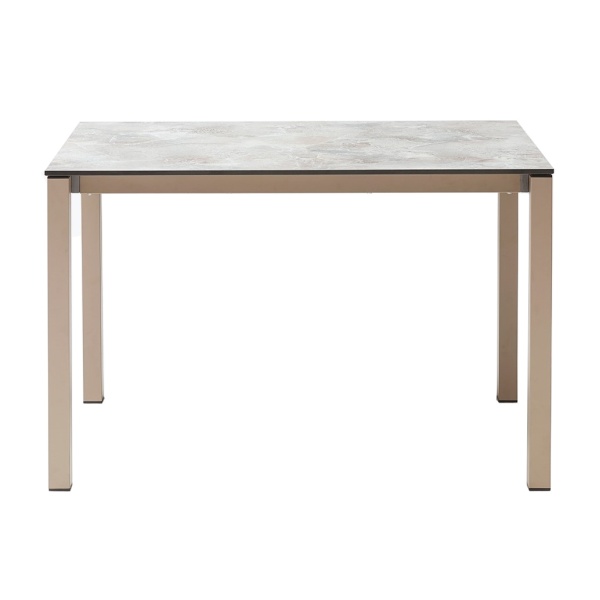
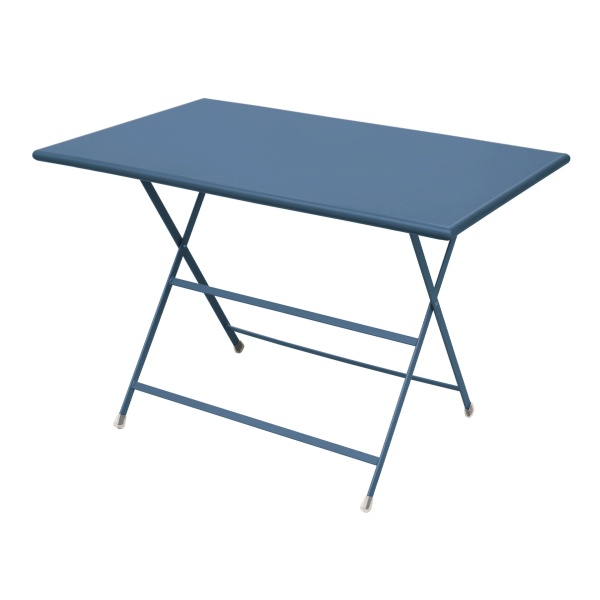
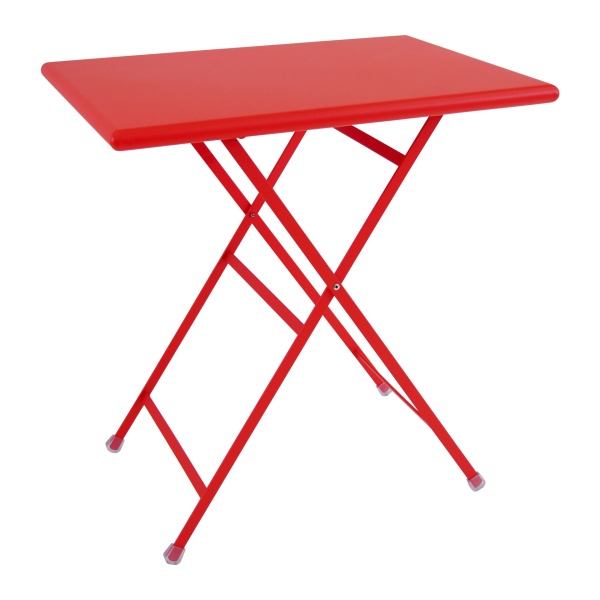
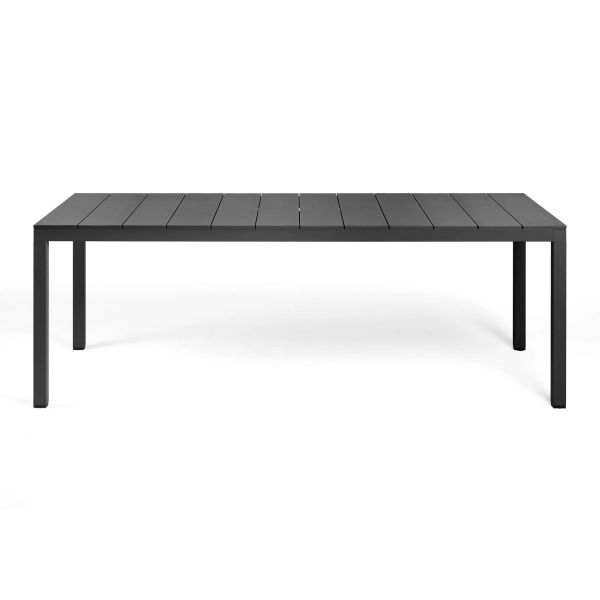
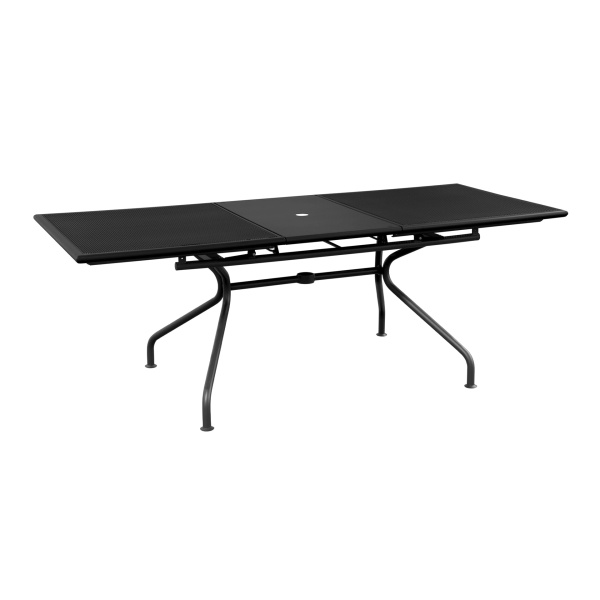
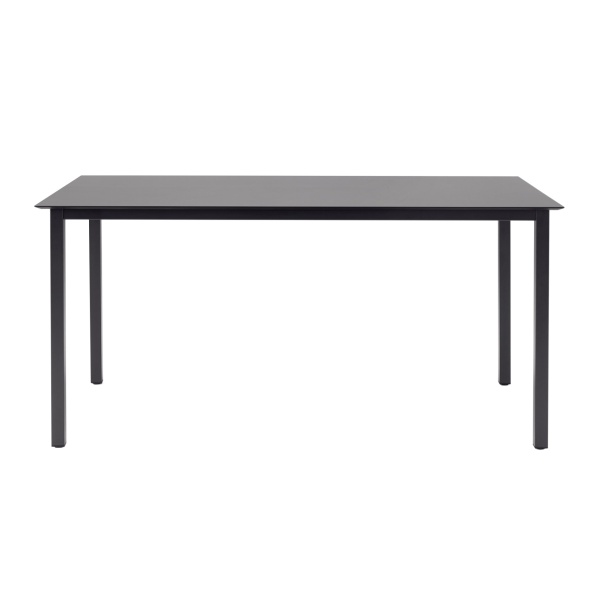
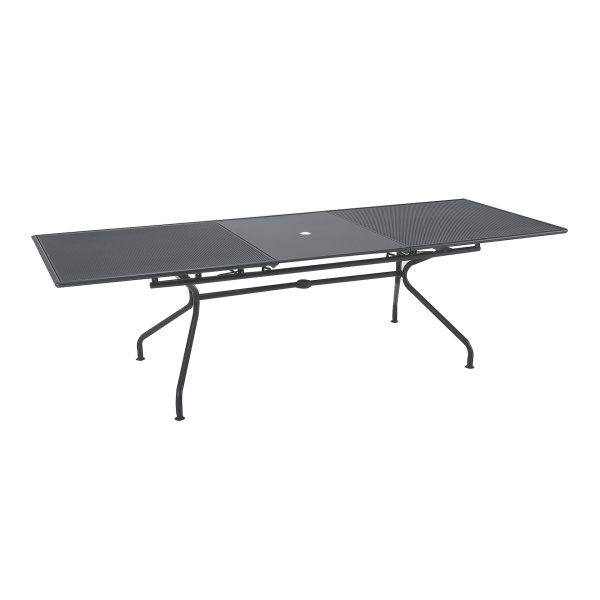
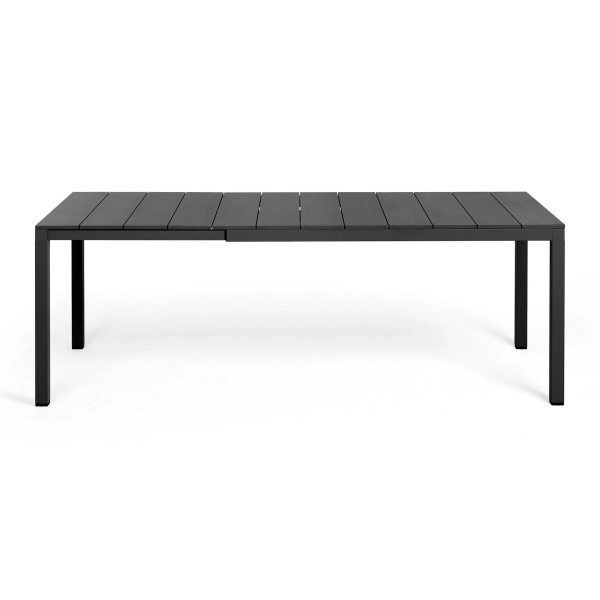
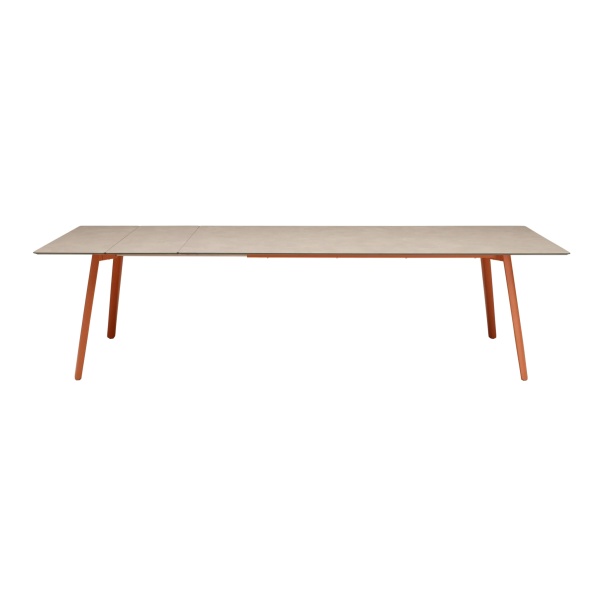
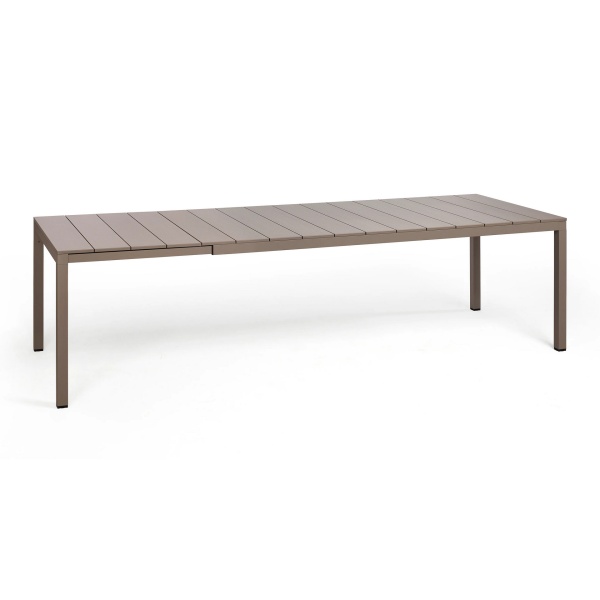
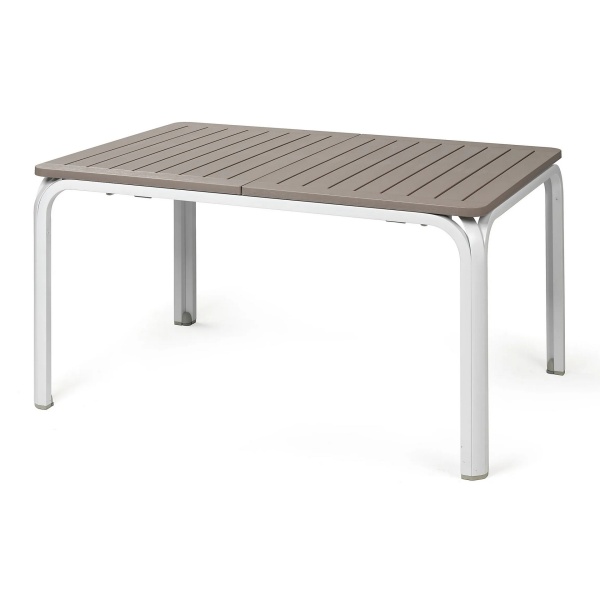
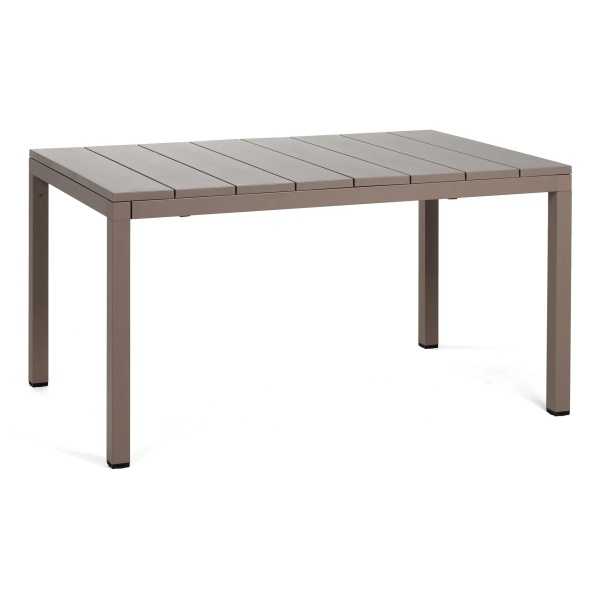
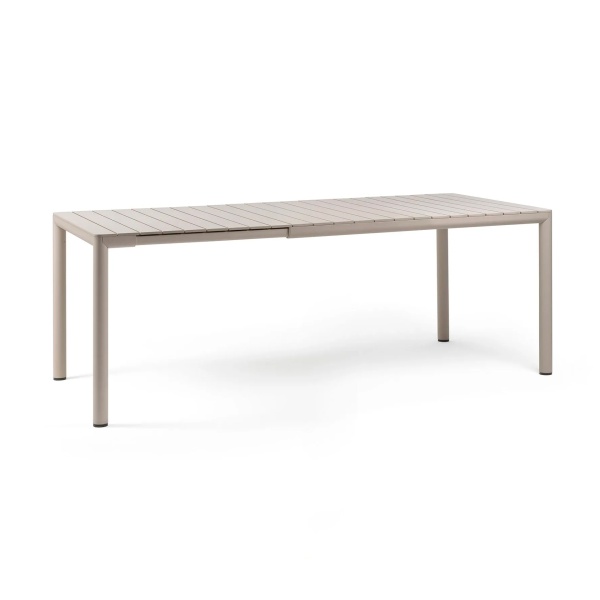
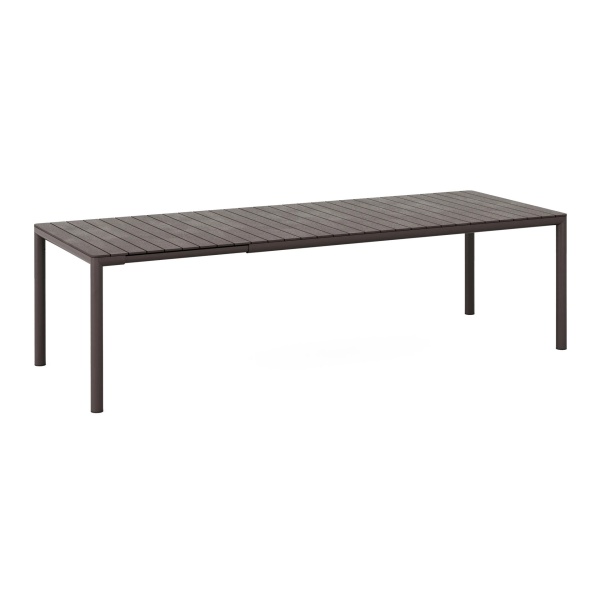
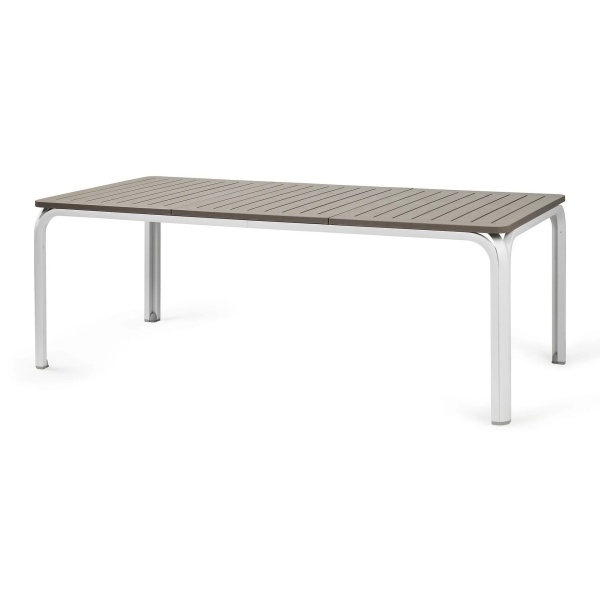
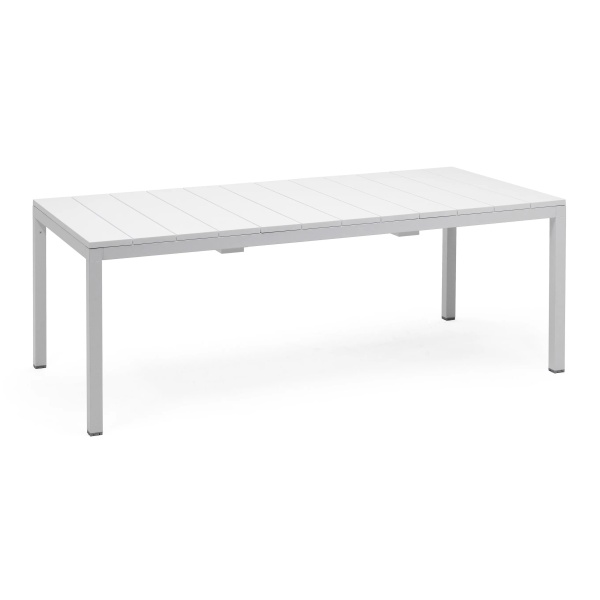
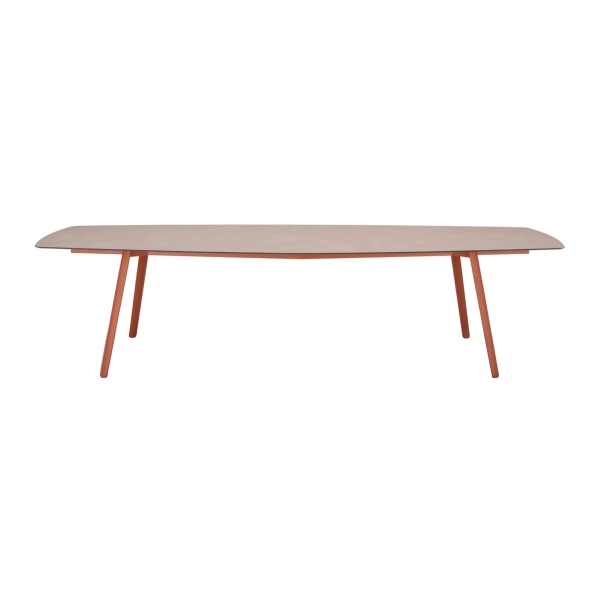
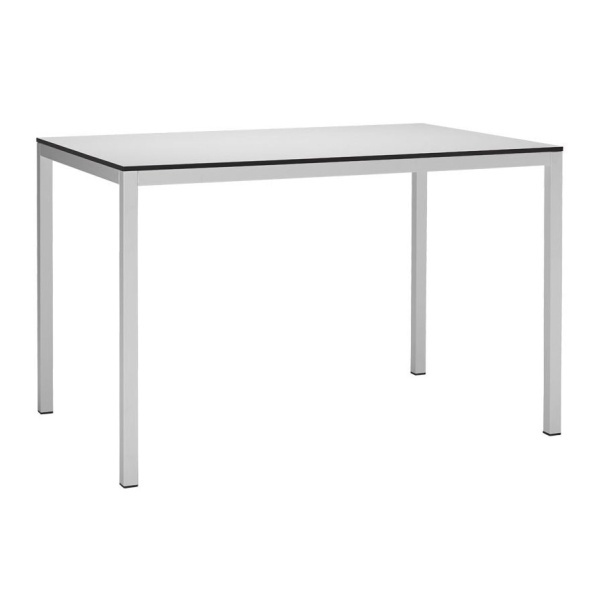
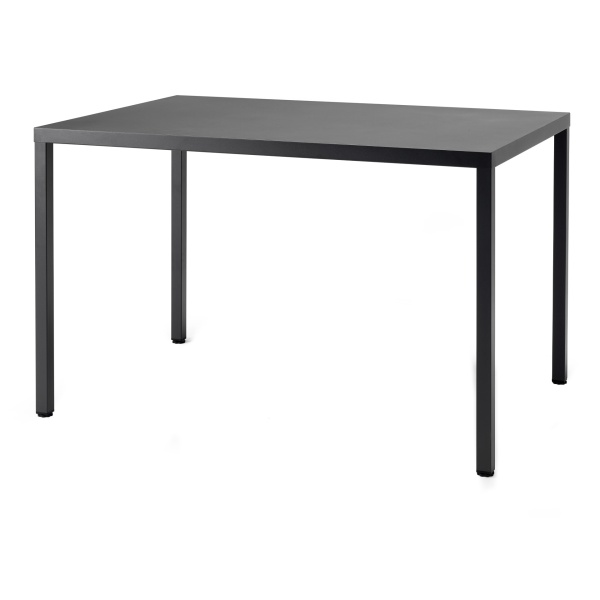
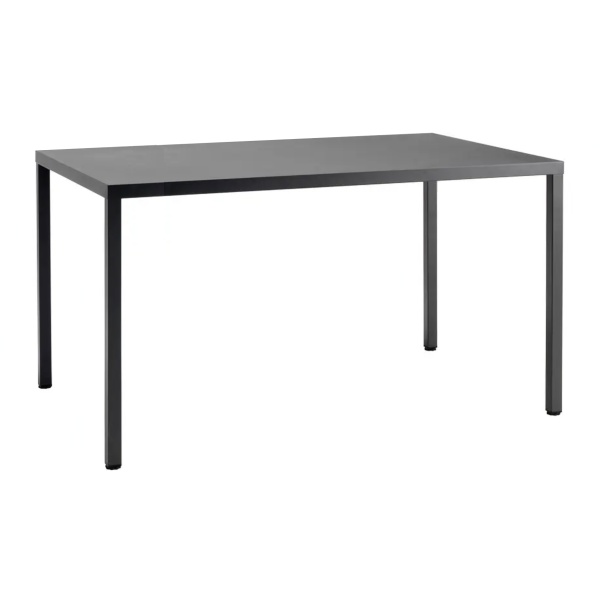
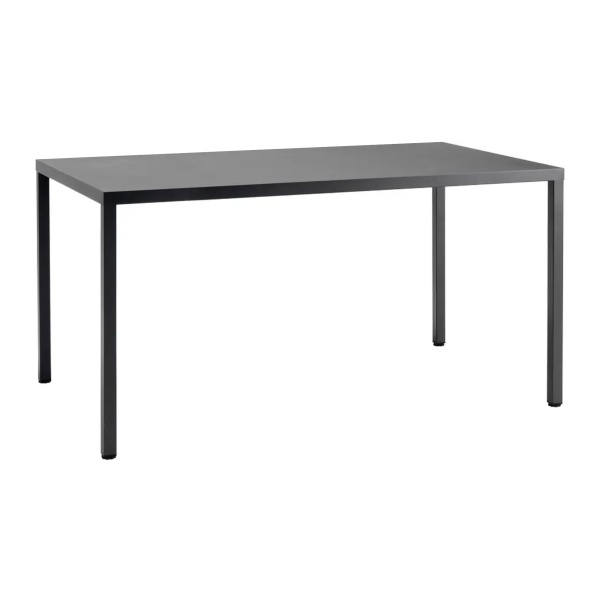
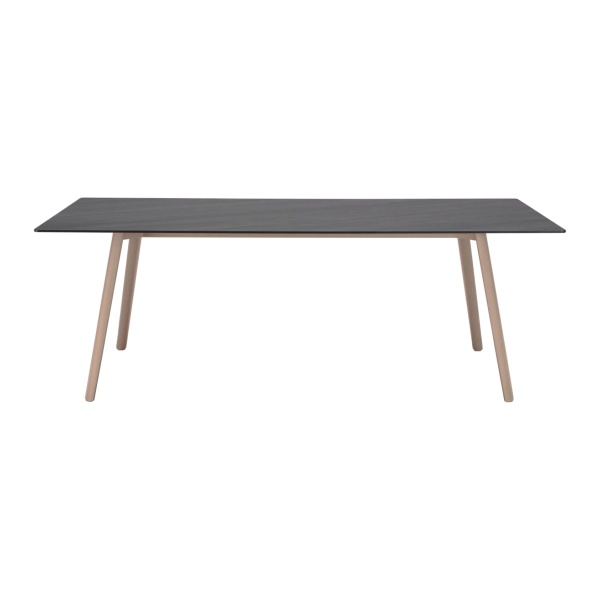
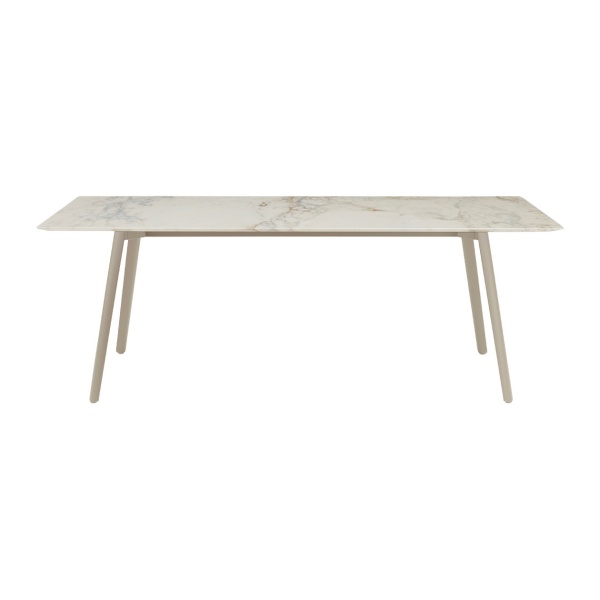
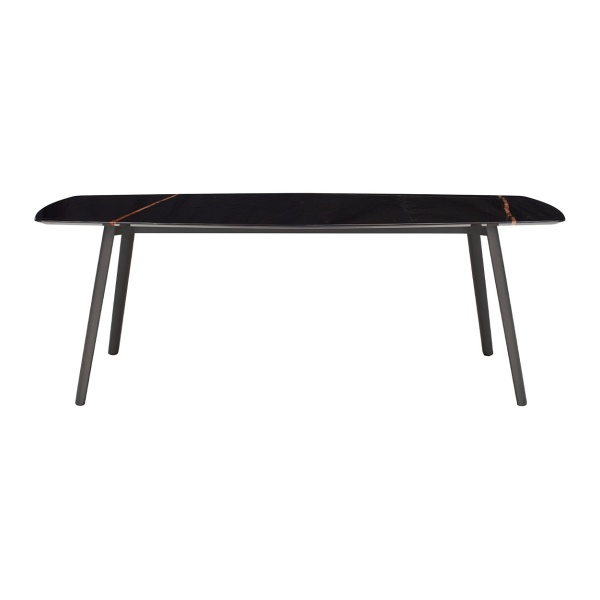
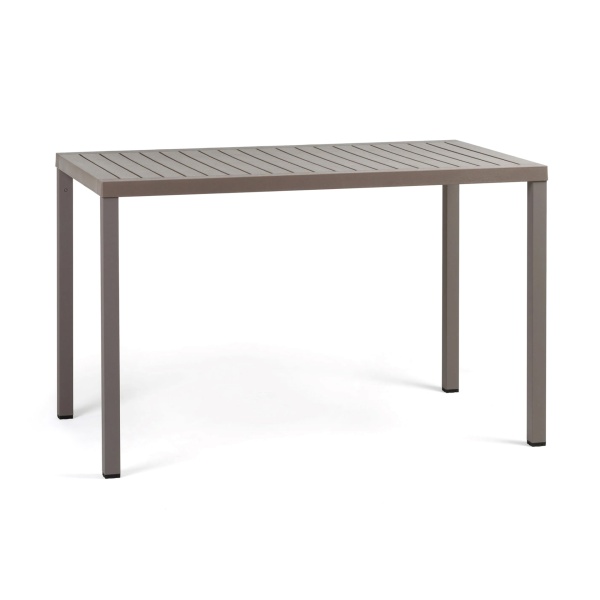
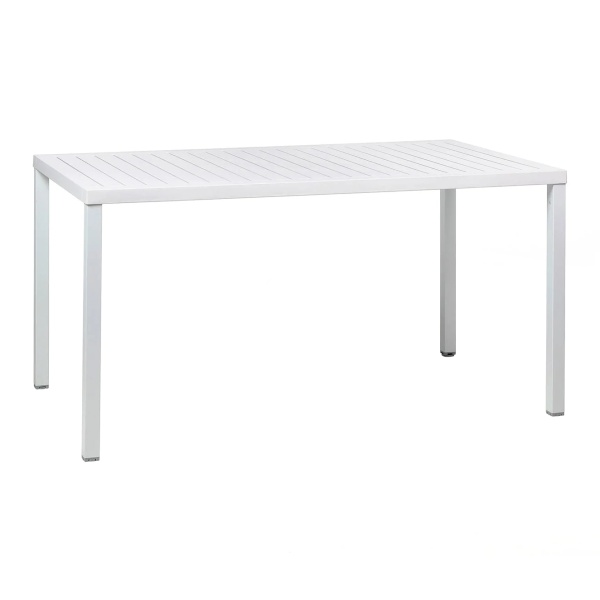
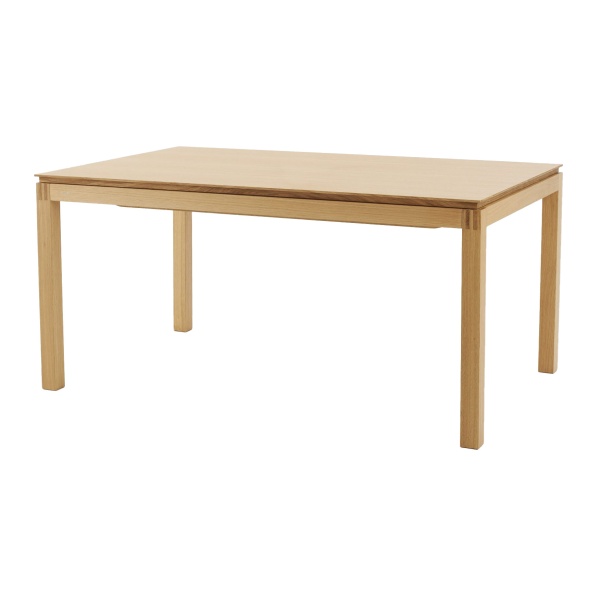
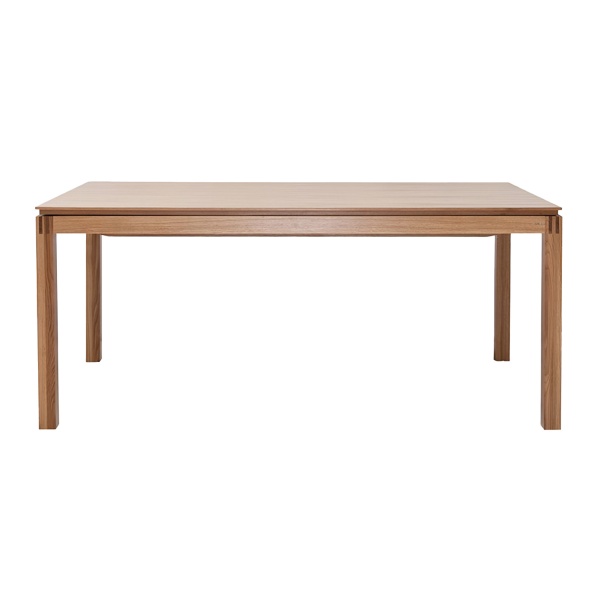
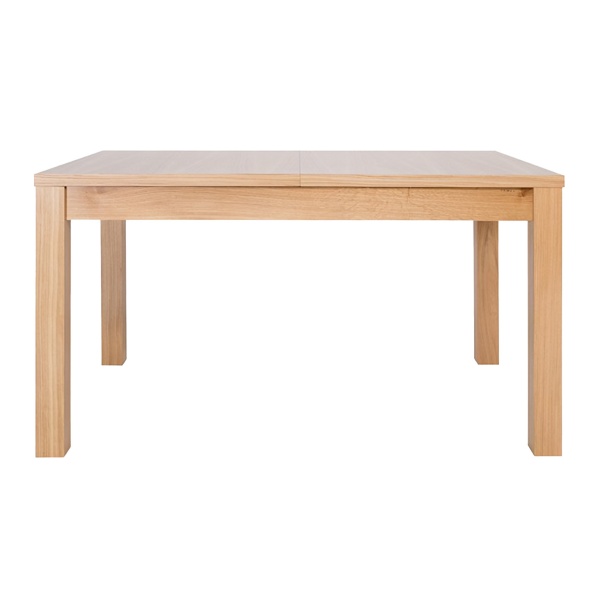
Within the structure of tables for cafés, the rectangular shape remains the most functional choice for concepts with a controlled service rhythm. It helps organize guest flow, use floor space efficiently, and forecast seat turnover.
Rectangular tables: focus and predictable turnover
Linear geometry creates a face-to-face seating dynamic. Guests primarily see the person across from them, focus faster on food and structured conversation, and the overall interaction becomes less chaotic. This format naturally disciplines service and reduces group “noise.”
In lunch formats and fast casual, rectangular tables increase turnover by shortening the service cycle. Compared to sociopetal shapes, rectangular seating delivers a more predictable dining-room tempo — and that directly impacts RevPASH.
Impact on RevPASH and dining-room economics
RevPASH (Revenue per Available Seat Hour) is driven by two key variables: average check and dwell time. Rectangular tables optimize the time component, allowing restaurants to operate with more predictable turnover.
A 2+2 layout creates two front-facing dyads. For business lunch, that’s an advantage — guests tend to finish sooner. For dinner concepts built around lingering atmosphere, it makes sense to combine shapes within the same room.
Where rectangular tables make strategic sense
- Business lunch and fast casual with high traffic
- Narrow or elongated floor plans
- Banquet changeovers and flexible layouts
- Rooms that require linear placement along walls
For scalable multi-unit concepts, construction details matter too — for example, metal tables that keep geometry stable under heavy daily use.
For seasonal patios or outdoor areas, planning logic should be complemented with options from patio tables, taking climate loads into account.
Rectangular vs square: the key difference
Square tables encourage evenly distributed group conversation and longer dwell time. Rectangular tables create a structured rhythm and more predictable turnover. The choice isn’t about aesthetics — it’s about the business model.
Technical parameters that affect performance
- Optimal depth: 70–80 cm for comfortable seating
- Length: 120–160 cm for 2–4 guests
- Top material: HPL, solid wood, veneer, or composite
- Modular pairing for banquets and larger setups
Q&A
When are rectangular tables the best choice?
In high-traffic concepts, business lunch, or fast casual. They support predictable service and shorten the service cycle.
Do rectangular tables reduce the average check?
Not necessarily. They reduce dwell time, but with strong service execution the average check can remain stable thanks to faster guest rotation.
Are they suitable for a small café?
Yes. Rectangular tables help use narrow rooms efficiently and allow wall-side placement without sacrificing ergonomics.
Should rectangular tables be combined with other shapes?
Yes. In dinner concepts, combining rectangular tables with square or round ones helps balance turnover and atmosphere.