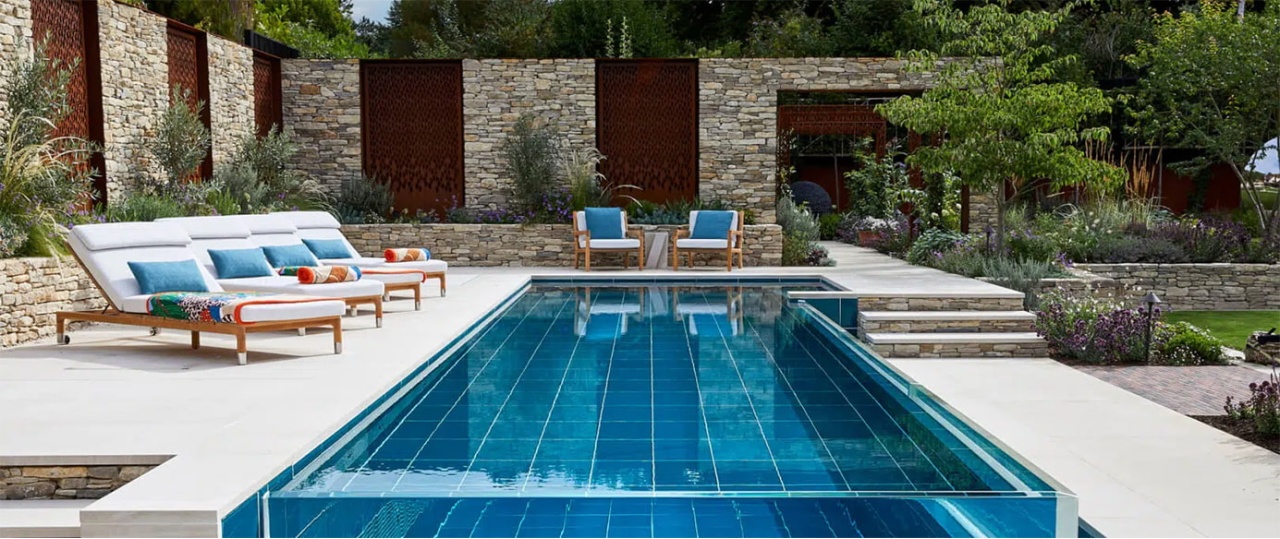
In hospitality projects, beach areas, pools and resorts operate under daily high-traffic conditions. That is why beach sun loungers require scheduled maintenance rather than occasional “reactive” care.

In practice, the service life of beach loungers depends not only on brand and materials, but on a systematic maintenance approach. Below is a practical view of how proper servicing extends the lifespan of loungers in commercial settings and reduces replacement costs.
In beach clubs, hotels and resort complexes, a sunlounger’s service life is driven primarily by a maintenance routine. Minimum standard: weekly — inspection and cleaning, monthly — check fabric tension / joints / wheels, annually — servicing and replacement of worn parts. Use neutral pH cleaners, and store only when fully dry in a ventilated space. This reduces breakage, mould risk and premature replacement.
Why beach sunloungers fail earlier than expected
The main causes of premature wear are almost always the same:
- aggressive or unsuitable cleaning chemicals;
- storing damp furniture without ventilation;
- no regular checks of joints and textilene/fabric tension;
- continuing to use damaged loungers “until the end of the season”.
As a result, you lose not only appearance, but guest safety, structural stability and the site’s reputation.
Contract sunloungers vs domestic: the key difference
Professional beach sunloungers (for example, models like the Vela series by Italy’s SCAB) are designed with:
- repeated load cycles in mind;
- operation in humid environments;
- regular cleaning routines;
- replacement of individual components rather than the entire product.
However, even a contract-grade lounger is not “everlasting” without maintenance — this is where a routine makes the difference.

Baseline maintenance routine for sunloungers in hospitality
Weekly check
Once a week, staff should:
- inspect the overall condition of loungers;
- remove sand, dust and surface dirt;
- check for cracks, play in joints, or sharp elements;
- take any lounger with potentially unsafe defects out of service.
This simple step often prevents serious failures.
Monthly check
Each month, it is recommended to:
- check that textilene/fabric tension is even;
- inspect the frame and connection points;
- monitor the condition of wheels and locking systems;
- check any elastic cord or tensioning mechanism.
This is typically where issues are identified early — while they are still easy to fix without replacing the lounger.

Annual service
Before the season starts or after it ends:
- assess the overall condition of the textilene/fabric;
- check backrest adjustment mechanisms;
- replace worn or damaged components;
- carry out deep cleaning of surfaces.
This is the critical point that determines whether the lounger will carry into the next season without losing appearance and performance.
Maintenance vs replacement:
In hospitality environments, routine maintenance is on average 3–5 times cheaper than full replacement within a season.
It delivers the biggest impact in coastal areas with sea salt, high humidity and heavy traffic, where furniture degrades much faster without servicing.
Correct off-season storage
One of the most common mistakes is storing sunloungers while damp or in poorly ventilated rooms.
Before storage, you should:
- fully remove sand and dirt from all surfaces;
- wash loungers with a neutral pH soapy solution;
- remove excess moisture thoroughly;
- store horizontally, in a dry space, stacked up to 10 units.
These steps minimise the risk of deformation and mould.

Cleaning textilene: what works and what damages
Stains on textilene/fabric most often come from:
- sunscreen products;
- food and drink residue;
- moisture trapped after rain;
- sea salt.
Recommended cleaning protocol:
1. Apply a soapy solution or a mild household degreaser.
2. Gently rub the area using a soft sponge or brush in circular motions.
3. Rinse thoroughly with plenty of water.
4. Dry the surface completely.
Important: harsh chemicals shorten textilene lifespan even on professional models.
Mould: a real risk and how to prevent it
Contract-grade textilene is highly resistant to mould, but:
- prolonged dampness;
- lack of ventilation;
- storage in humid rooms create conditions for mould to appear.
Prevention is straightforward:
- always dry loungers after rain;
- store furniture in a dry room;
- never stack loungers while wet.
This is far more effective than dealing with the consequences.
Why maintenance is part of service, not an extra cost
Regular care:
- extends furniture life for years;
- reduces replacement costs;
- keeps the relaxation zone looking premium;
- improves guest safety;
- creates the feeling of a well-managed, professional environment.
In hospitality, furniture is not décor — it’s a working tool of service delivery.
 Conclusion
Beach sunloungers fail not because of “bad materials”, but because there is no systematic maintenance routine. Even the best contract-grade models need regular attention — just like equipment or engineering systems in a hotel.
A clear care routine turns furniture from a seasonal expense into a long-term investment that consistently supports guest comfort and the project’s operating economics.
FAQ: sunlounger maintenance in hospitality
How often should sunloungers be inspected?
Minimum standard for high-traffic areas: weekly safety and cleanliness check, monthly inspection of joints and fabric tension, and annual servicing before or after the season.
Which products are safe for cleaning textilene?
Use mild cleaners with a neutral pH (soapy water or gentle household degreasers without aggressive components), then rinse thoroughly and dry completely.
Why shouldn’t sunloungers be stacked while wet for storage?
Moisture without ventilation increases the risk of mould, staining and surface degradation. For off-season periods, furniture should be stored dry, clean and in a well-ventilated space.
What should be checked monthly besides cleanliness?
Fabric tension, play in joints, frame condition, wheels, locking points and backrest adjustment mechanisms. This helps catch small issues before they become failures.
How should sunloungers be stored in winter or off-season?
Remove sand and dirt, wash with a neutral solution, dry fully, remove excess moisture and store horizontally in a dry area, ideally stacked up to 10 units without pressure on surfaces.