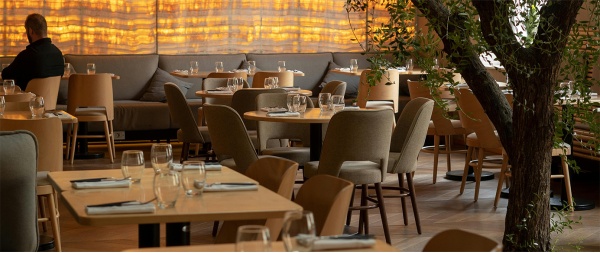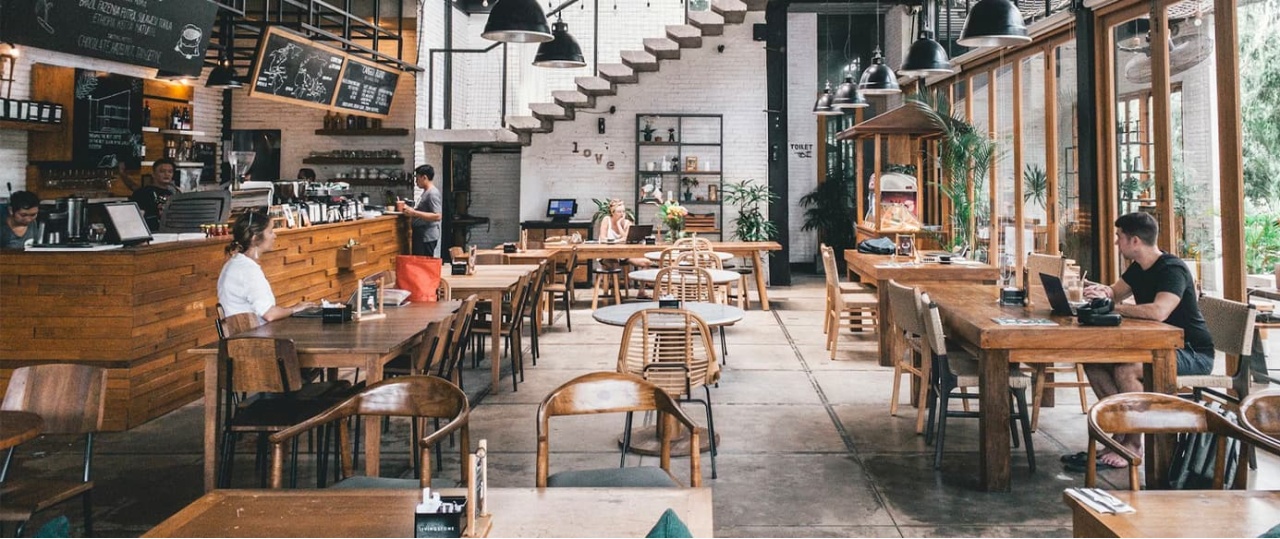
Most restaurant owners believe that the average bill depends on the menu, pricing and service quality. That is true — but not entirely. There is a factor that influences guest behaviour even before they open the menu. It is the chair they are sitting on.
It may sound like an exaggeration. However, behind it are specific studies, real figures and mechanisms that have long been used by the most successful restaurant chains in the world.
Cornell, SPM and the “bad table” paradox
In 2004, researchers from the Cornell School of Hotel Administration, Sherri Kimes and Stephanie Robson, published a study that changed the approach to restaurant layout planning. They analysed over 1,400 transactions in a 210-seat restaurant and introduced the concept of SPM — Spending Per Minute, the amount a guest spends per minute of their visit.
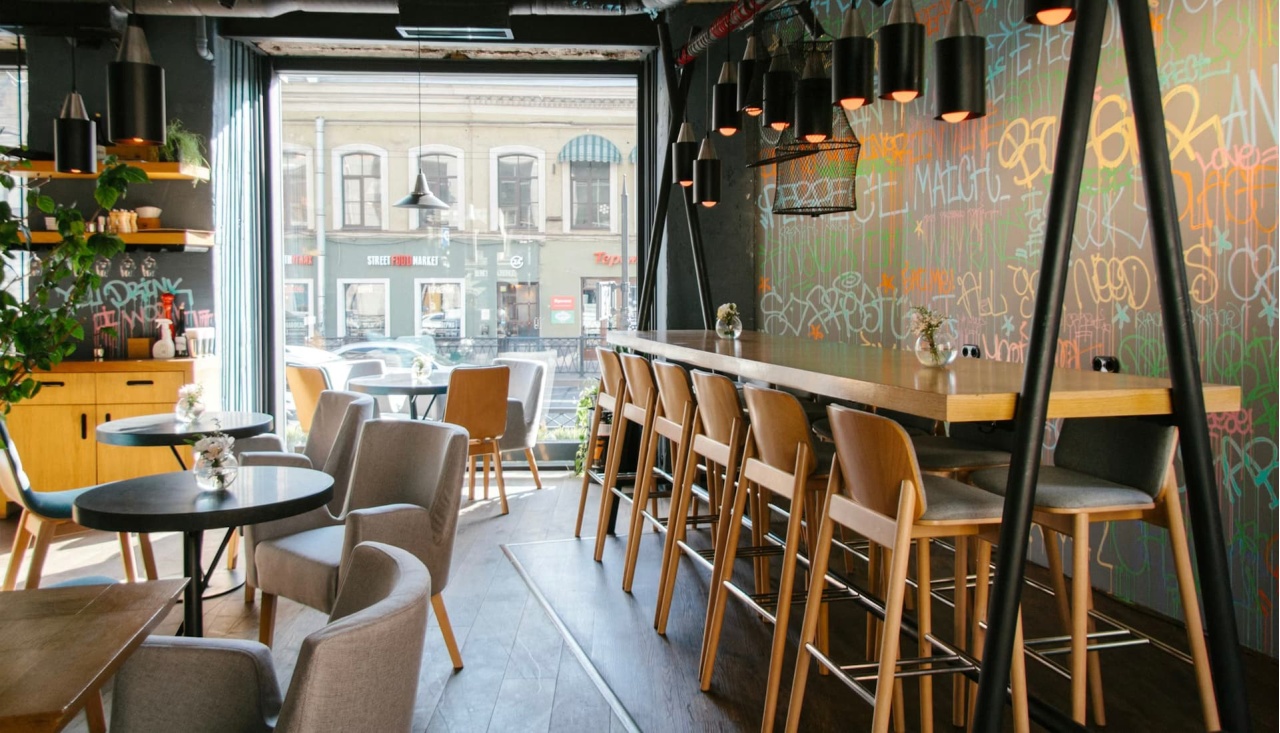
It turned out that the traditional idea of a “better table” and a “worse table” has nothing to do with actual revenue. Guests at “worse” tables — in high-traffic areas, in plain sight, near walkways — spent more per minute than those seated in comfortable booths along the walls. The reason is simple: guests in booths felt more comfortable, stayed longer, but ordered proportionally less.
A second Cornell Hospitality Report identified an even more specific figure: guests at properly spaced tables spent $0.493 per minute compared to $0.462 at tightly arranged tables. The difference is 6.7%. It may seem small, but with 120 seats and an average visit of 60 minutes, it amounts to hundreds of thousands per year — purely from table spacing.
Why comfort does not always mean “more revenue”
It is important to understand the non-linear relationship. A study published on ScienceDirect involving 262 participants confirmed that chairs with back support are perceived as significantly more comfortable than stools — 4.76 versus 3.49 on a satisfaction scale. Comfort directly affects the feeling of hospitality and the duration of stay.
However, the same Cornell researchers identified a downside: excessive comfort in booths increases visit duration without proportional growth in the bill. Guests stay longer but do not spend more — they simply relax.
The practical conclusion is: the type of venue determines the required level of comfort.
Fine dining restaurant with a slower pace — maximum comfort is justified. Guests who feel comfortable are more likely to order dessert, a second bottle of wine or coffee.
Café with high turnover — overly comfortable furniture slows rotation. A balance is required: comfort without encouraging guests to linger excessively.
Furniture materials as a pricing signal
There is another mechanism that is rarely discussed openly. Furniture creates a “price perception” — a subconscious understanding of how much it is “appropriate” to spend in a place.
Wood, natural textures and high-quality upholstery are associated with premium positioning. This directly affects a guest’s willingness to choose higher-priced items.
A worn or unstable chair has the opposite effect — it signals neglect. Guests shorten their stay and spend less even before trying the food.
That is why restaurant chairs are not an expense, but an investment in perception.
The bar area: the most profitable square metre
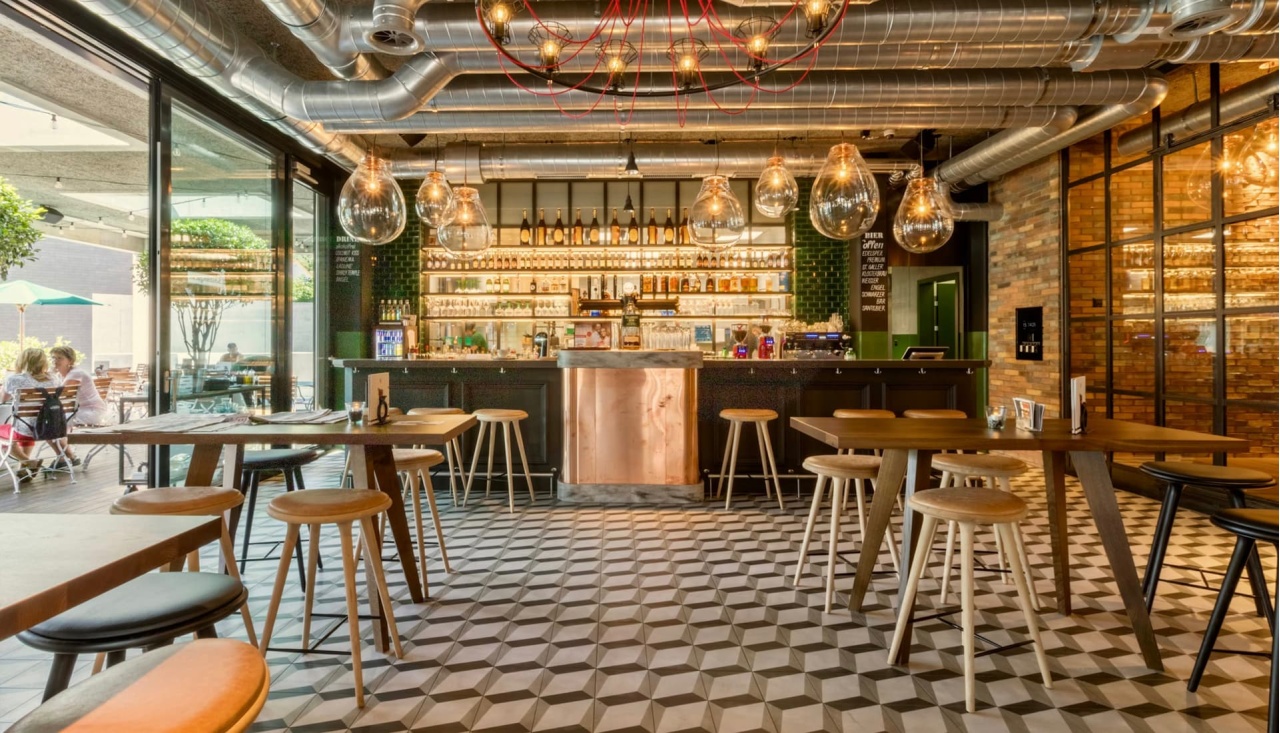
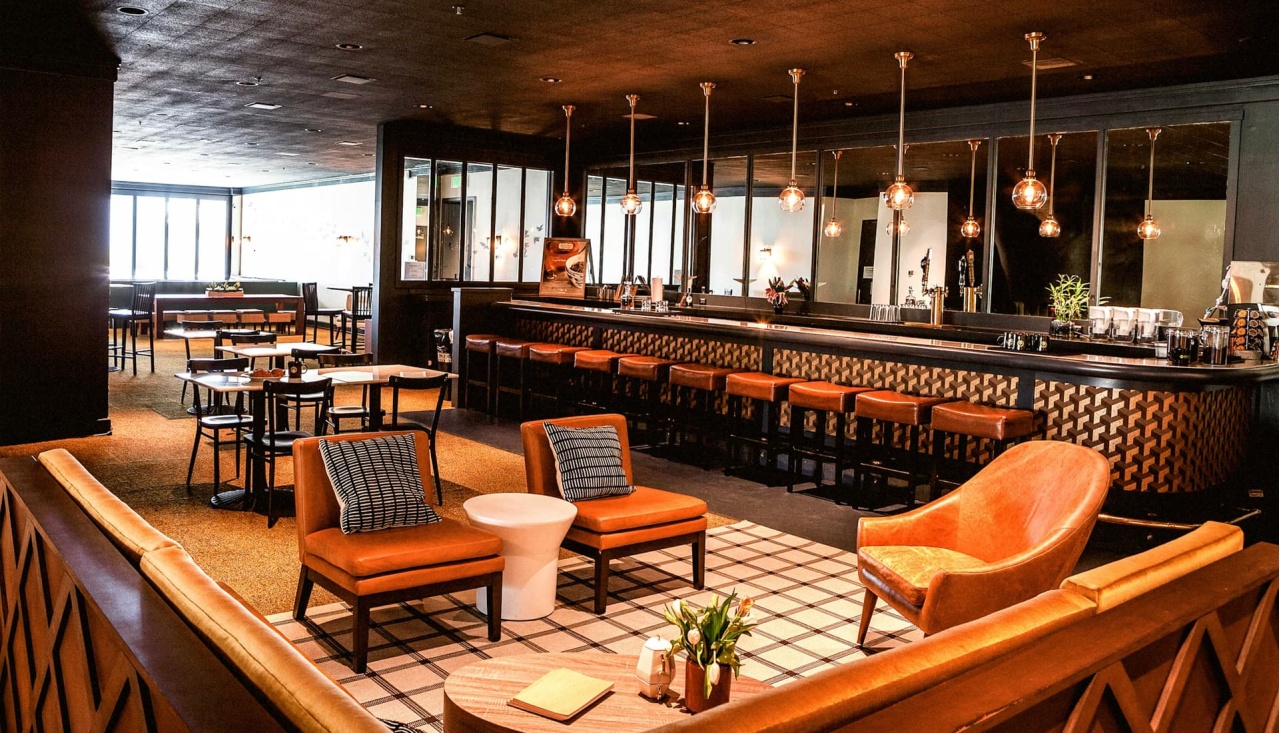
The bar area operates on a different psychology. Here, the guest and the staff are at eye level — the distance disappears and engagement increases.
This boosts sales of high-margin items such as cocktails, snacks and specials.
According to 2025 data, the number of bar seats is growing by 23% annually. This is not a design trend — it is economics.
However, the effect only works with proper ergonomics. bar stools must match the counter height, include a footrest and have a stable base.
Three mechanisms — one decision
1. Duration of visit. The right chair keeps the guest longer.
2. Price perception. Materials influence willingness to spend.
3. SPM optimisation. Layout affects revenue per seat.
What this means in practice
None of these mechanisms require changes to the menu or price increases. They are all triggered by one decision — the choice of furniture.
For a 50-seat restaurant, this can mean tens of thousands per month — either gained or lost.
Explore the catalogue of furniture for cafés, bars and restaurants on horeca.furniture — designed for real HoReCa operational demands.