Ten years ago, a restaurant attached to a fashion house was generally seen as an image-building device — an attractive café for boutique visitors or a pleasant addition to a flagship store. Today, these projects can no longer be dismissed as isolated experiments.
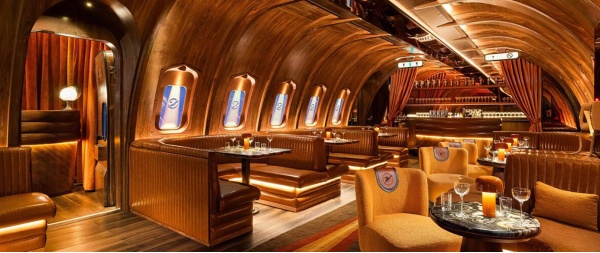
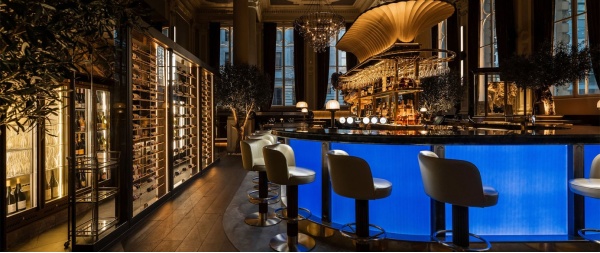
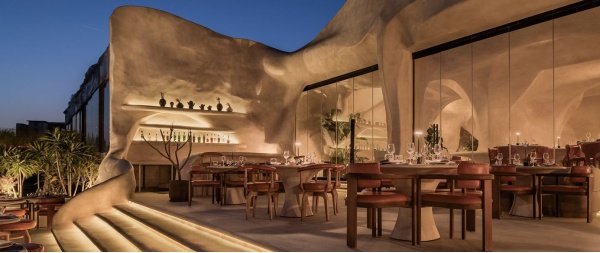
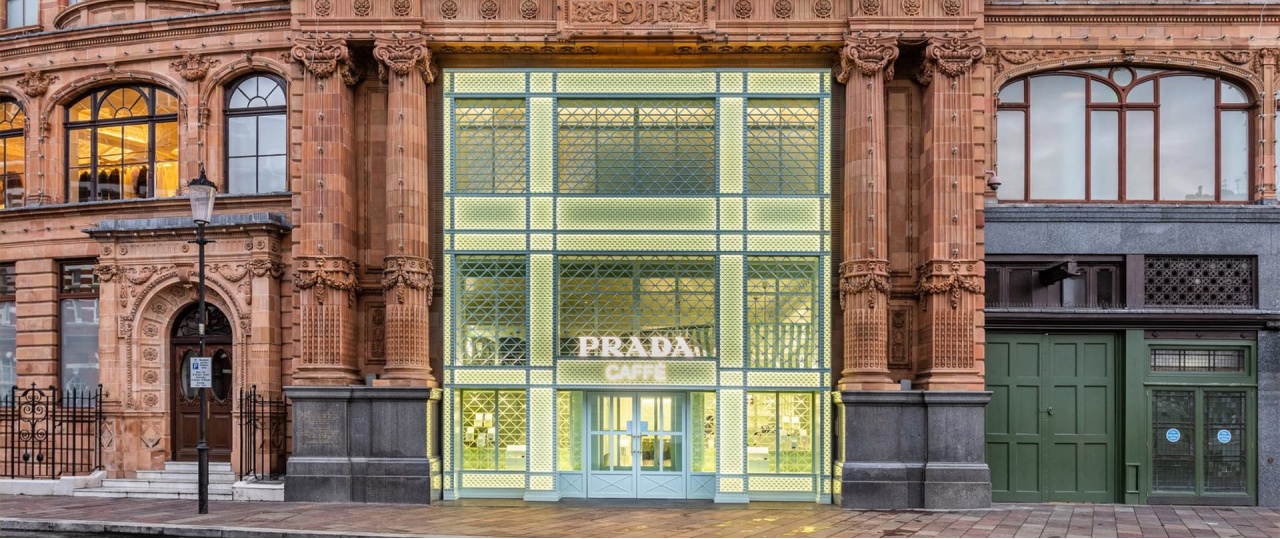
Louis Vuitton is developing dining concepts in Osaka, Bangkok and Milan. Prada created Prada Caffè inside Harrods in London. Gucci built an international network of Gucci Osteria restaurants. Tiffany & Co. reimagined the Blue Box Café in New York. Dior, Ralph Lauren, Armani, Dolce&Gabbana and other luxury brands also use restaurants, cafés and gastronomic spaces as part of their wider ecosystems.
At first glance, this may look like another form of business expansion. Yet viewed more broadly, it becomes clear that restaurants are not simply being treated as a new revenue stream. A much deeper transformation is taking place. Luxury is gradually moving beyond the exclusive sale of high-end objects and building ecosystems of experiences in which a restaurant can become as important a brand instrument as architecture, a boutique or an advertising campaign.
Why are fashion houses moving into hospitality now? What do the projects of Louis Vuitton, Tiffany & Co., Prada, Gucci and Dior have in common? And what can restaurant owners, architects and designers learn from this shift?
To answer these questions, we first need to understand how contemporary luxury itself has changed.

Luxury is no longer limited to selling products
For most of the twentieth century, the luxury model was relatively straightforward. A brand created an exceptional product, opened a boutique in a prestigious district and built its communication around material quality, craftsmanship and limited availability. The object itself was the primary source of desire.
Today, new collections appear on social media within minutes of a runway show. Customers research the range in advance, compare models, read reviews and place an order without ever entering a store. Online retail has stripped the boutique of one of its former advantages: exclusive access to the product.
This has created a new question for the luxury industry: if an item can be purchased from almost anywhere in the world, why should someone visit a brand’s physical space at all?
The answer goes far beyond the growth of e-commerce.
Contemporary luxury is increasingly selling not only an object, but an experience of the brand.
The boutique is no longer only a place of purchase. It becomes a space in which the brand can be felt through architecture, interiors, service, art, gastronomy and atmosphere.


This is why the largest fashion houses now invest not only in new collections, but also in museums, exhibitions, hotels, cultural spaces and restaurants. All of these formats serve the same purpose: they allow people to experience the brand rather than simply purchase one of its products.
Why hospitality?
If the objective of luxury is to create experiences, why choose a restaurant? Why not a theatre, museum or concert venue?
The answer lies in the nature of restaurant space itself.
A boutique assumes movement. Visitors arrive to view a collection and perhaps make a purchase. Even when the visit lasts half an hour, the scenario remains relatively direct.
A restaurant works very differently.
People meet friends, hold business discussions, celebrate important occasions or simply relax. The space stops being a backdrop and becomes part of the experience itself.
During that time, the guest engages with almost every element of the brand at once: touching materials, noticing the lighting, hearing the music, interacting with staff, using the tableware and experiencing the food. No other commercial format introduces a guest to the philosophy of a brand so naturally.
Museums and cultural centres can, of course, perform a similar role, but they are usually visited only occasionally. A restaurant can become part of everyday life. This natural familiarity is what makes hospitality such a powerful instrument for building a long-term relationship between a brand and its guests.
Luxury brands do not enter hospitality because they want to become restaurant operators. They use the restaurant as a space in which the philosophy of the brand becomes part of everyday experience.


These are no longer isolated projects. They represent a new luxury strategy
If Louis Vuitton were the only brand opening restaurants, the move could be dismissed as an interesting experiment. Similar projects, however, are now appearing across nearly every major player in the luxury market.
Luxury + Hospitality
From Osaka and Bangkok to London, Paris and New York, dining spaces are becoming a new entry point into the world of luxury.
Le Café V
Osaka
LV The Place
Bangkok
Da Vittorio Café / DaV by Da Vittorio
Milan
Prada Caffè
London
Monsieur Dior Restaurant
Paris
Blue Box Café
New York
Gucci Osteria
Florence · Beverly Hills · Tokyo · Seoul
Ralph’s Coffee
New York · Paris · Tokyo
These are no longer isolated projects. Restaurants, cafés and gastronomic spaces are becoming as important to luxury brands as boutiques, collections and advertising campaigns.


It is important to understand that these projects differ in more than cuisine and interiors. Each addresses the same strategic objective: making the brand part of everyday life.
Until recently, a client encountered Louis Vuitton mainly when considering the purchase of a bag. Today, that same person can visit for breakfast, coffee, dinner with friends or a business meeting without entering the boutique at all. This is the fundamental change in the role of hospitality within the luxury industry.
Why restaurants have become the new boutiques
For decades, the boutique was the main physical expression of a luxury brand. It still holds that role, but it is no longer the only point of introduction. Restaurants, cafés, exhibitions and cultural spaces allow fashion houses to communicate not only what they sell, but also the lifestyle they represent.
The boutique sells the product. The restaurant sells the culture of the brand.
Inside a boutique, the visitor asks: “Do I want to buy this object?” In a restaurant, the question becomes: “Do I want to be part of this world?”
This is why hospitality has become so attractive to luxury brands. A guest comes for breakfast, a meeting or dinner without necessarily intending to purchase anything. The brand is no longer perceived purely as a store and becomes part of the guest’s everyday experience.
A restaurant can also become a destination in its own right. The relationship with the brand begins before the first purchase — through the space, cuisine, service and atmosphere.


Luxury does not export interiors. It exports principles
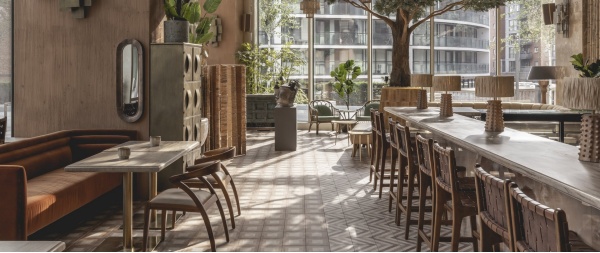
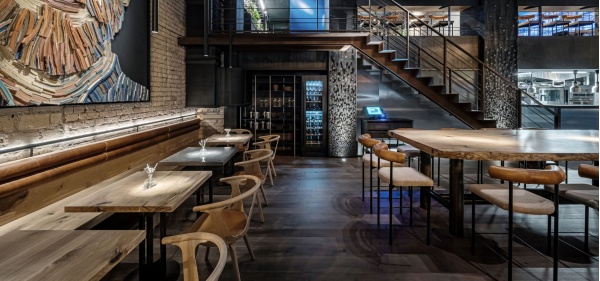
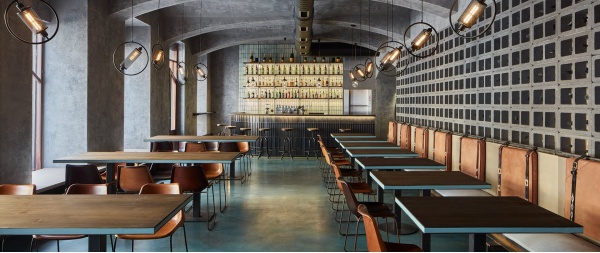
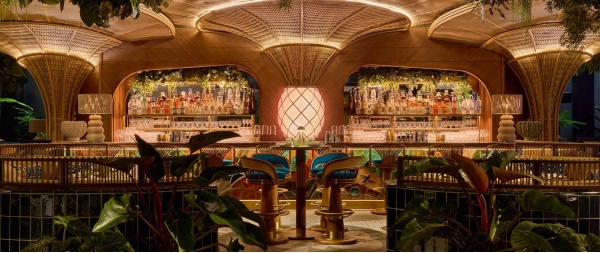
Compare Le Café V in Osaka, LV The Place in Bangkok and the Louis Vuitton dining spaces in Milan, and one thing becomes clear: the brand is not trying to reproduce the same restaurant in different countries.
The projects differ in architecture, materials, furniture, cuisine and atmosphere. The same is true of Gucci, Tiffany & Co. and other fashion houses: every new format responds to its building, cultural context, local gastronomy and the lifestyle of its city.
This is not a rejection of brand identity, but a more mature understanding of it. A strong brand does not reduce its identity to a set of colours, furniture pieces or decorative elements. It preserves its principles — quality, attention to detail, the character of service and the way it engages with guests — but expresses them differently each time.
That is why Louis Vuitton does not build identical spaces in Osaka, Bangkok and Milan. The form changes, while the logic of the brand remains.


A strong brand does not scale an interior. It scales the principles on which that interior is built.
Why Louis Vuitton should not be copied
When new restaurants by Louis Vuitton or Prada are published, professional media usually begin by discussing the restaurant chairs, finishes, lighting and decorative details. These are also the elements most often copied in other projects.
That is precisely the mistake.
The coherence of these spaces is not defined by a particular armchair, timber species or shade of natural stone.
Such elements are selected only after the idea, architectural concept, usage scenarios and the restaurant’s role within the brand ecosystem have been established.
In other words, Louis Vuitton does not begin a project by selecting restaurant furniture.
It begins with a question:
“What impression should the guest take away when leaving this space?”
Only then do the architecture, materials, product design, lighting and gastronomic concept emerge.


Do not copy the Louis Vuitton interior. Copy the sequence in which decisions are made.
What this means for contemporary restaurants
The main lesson of luxury projects is not found in expensive materials, famous architects or large budgets. Their strength lies in sequence: first the idea of the space is defined, then its role and character, and only afterwards come the architecture, interior, cuisine, service, lighting and furniture.
A strong interior is not a collection of expensive objects. It is a space in which every decision supports one idea.
This is particularly important for restaurateurs because guests no longer compare a venue only with the restaurant next door. Their expectations are shaped by hotels, boutiques, museums, clubs, public spaces and the best hospitality projects around the world.
A good restaurant therefore does not begin with the selection of restaurant tables, bar stools or the finish of the bar counter. It begins by answering one question:
What story should the guest remember after leaving this space?
Architecture, interiors, cuisine, service and every detail of the project are then organised around that story.
The next generation of successful restaurants will not compete through the cost of their finishes or the number of seats. It will compete through ideas that remain with guests long after dinner is over.