


Coffee Shop Chairs
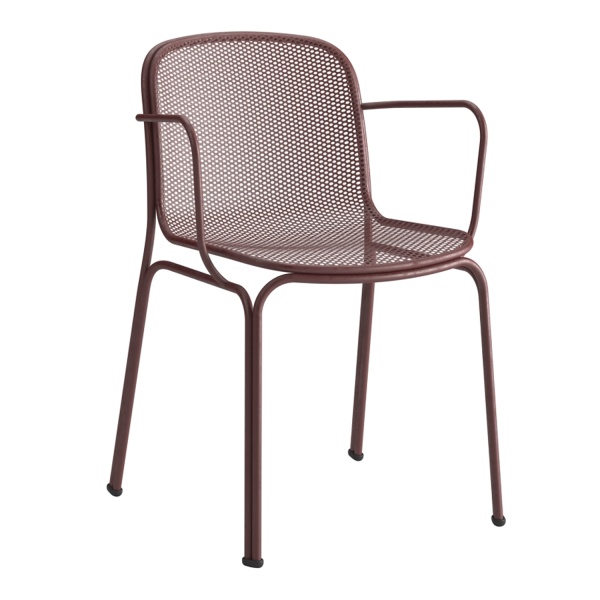
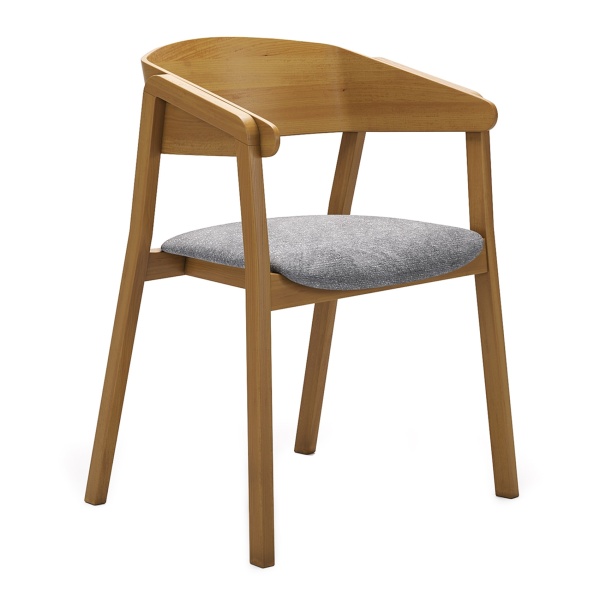
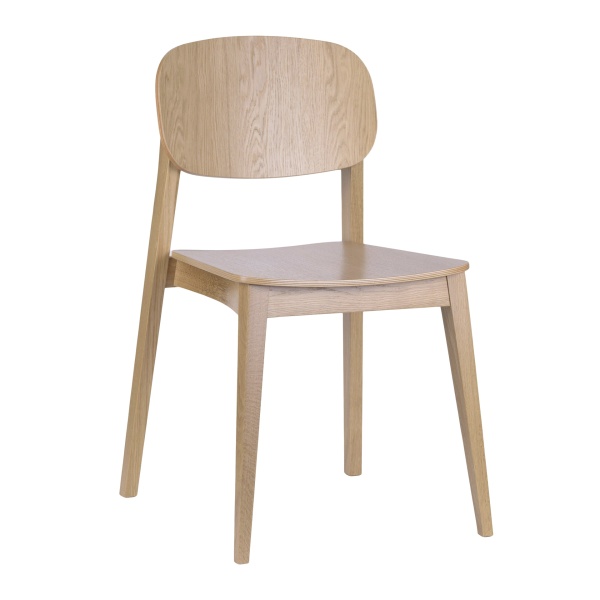
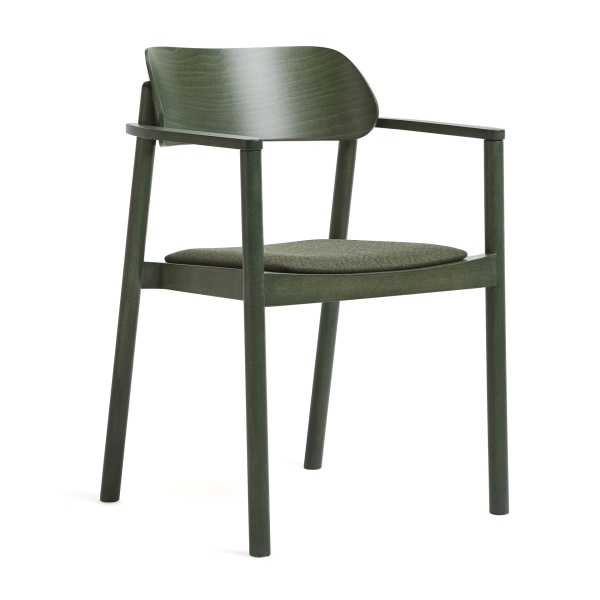
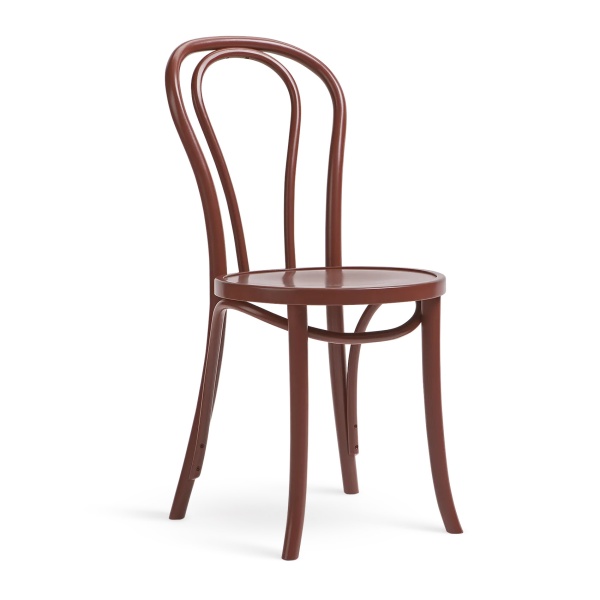
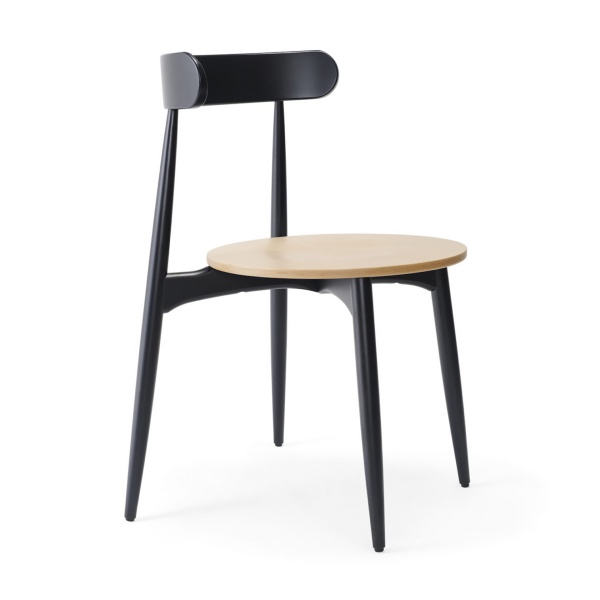
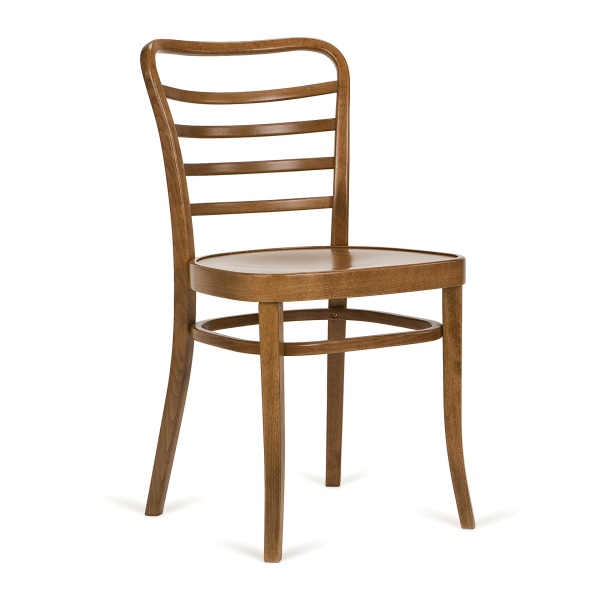
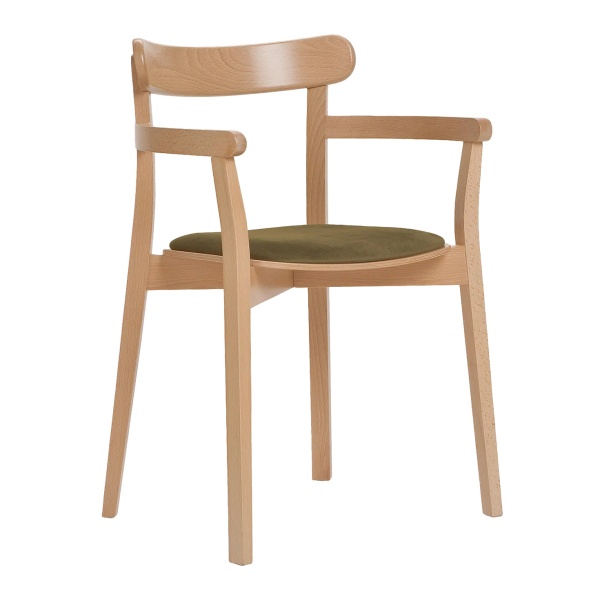
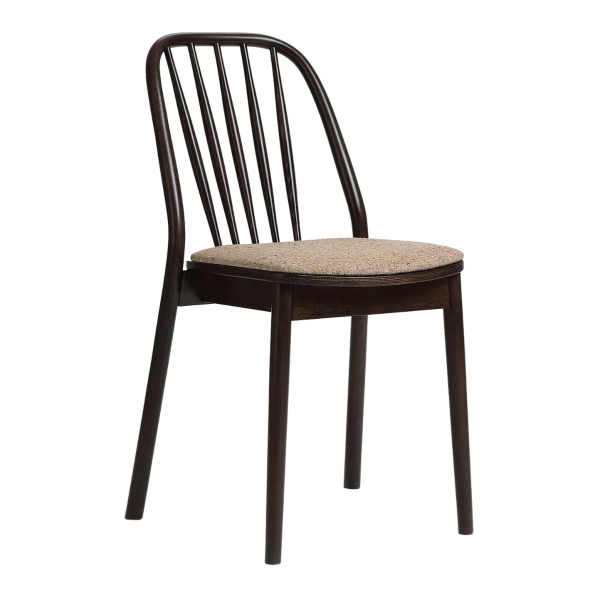
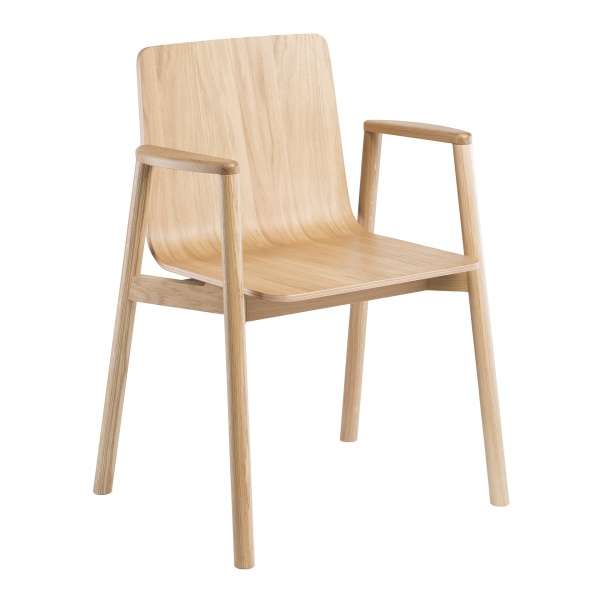
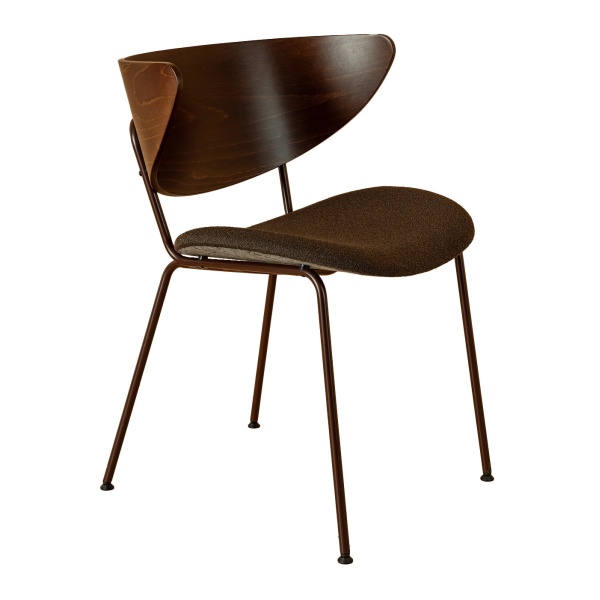
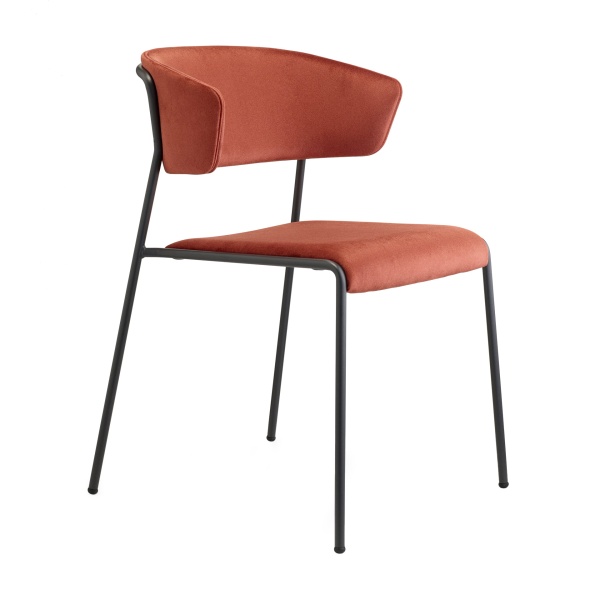
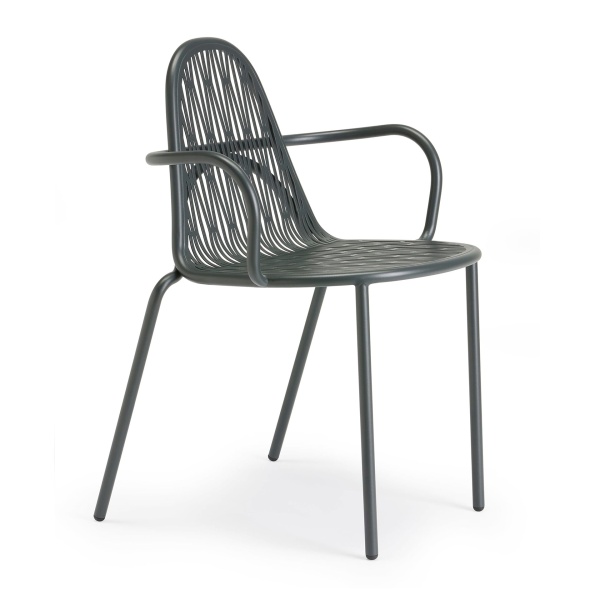
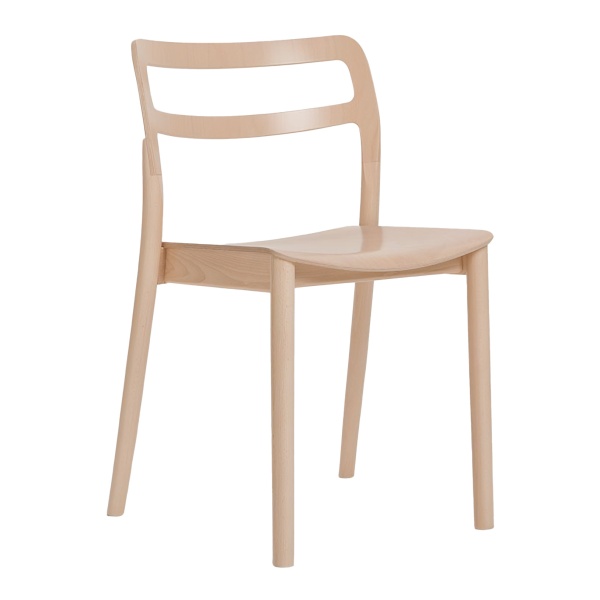
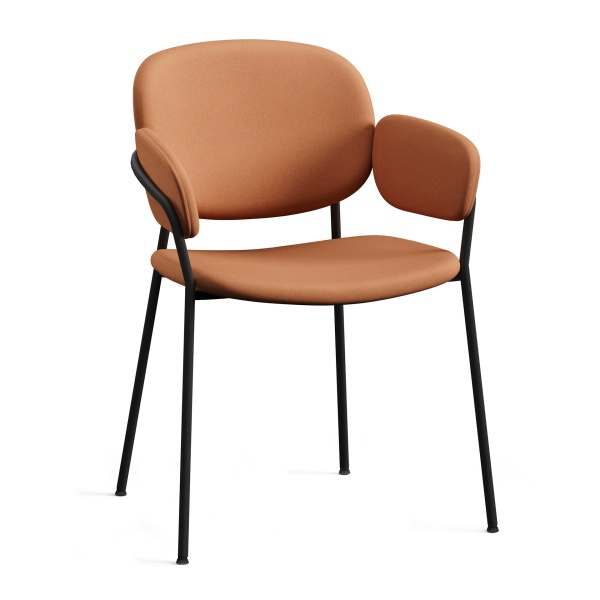
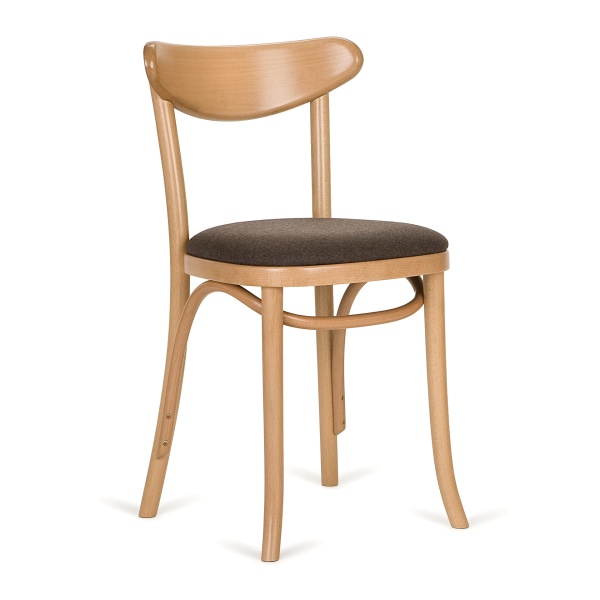
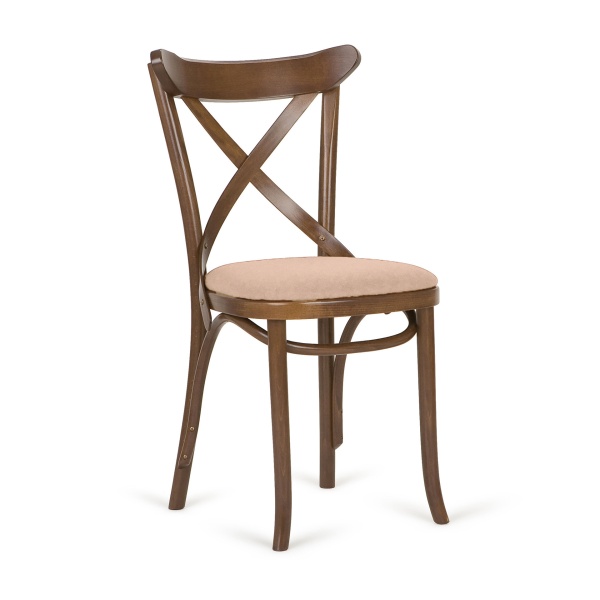
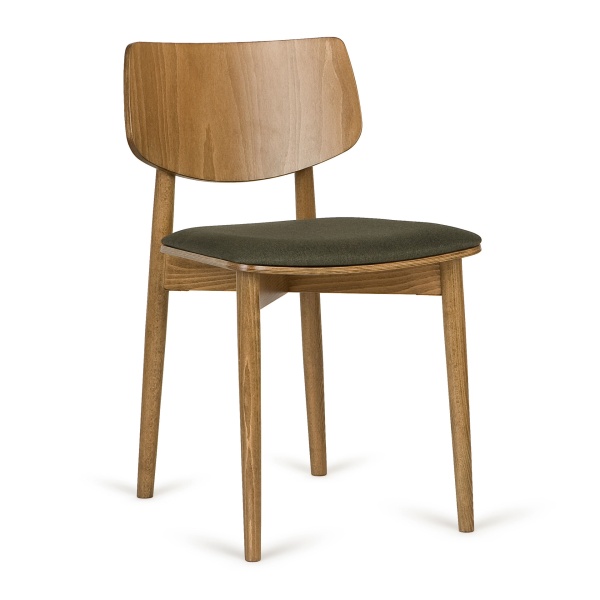
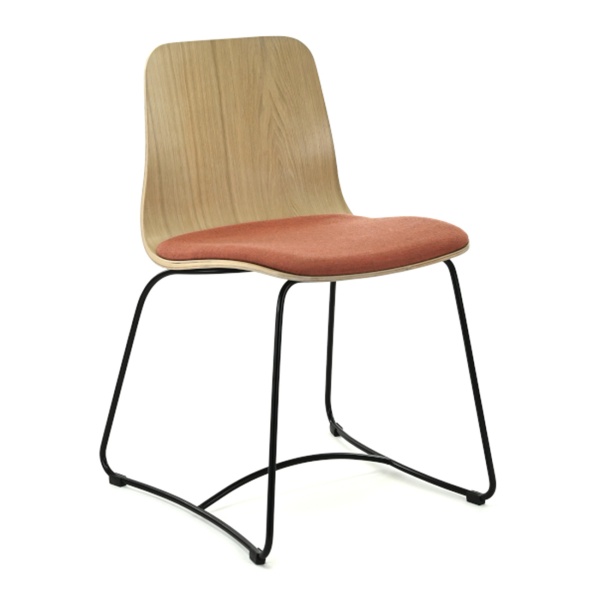
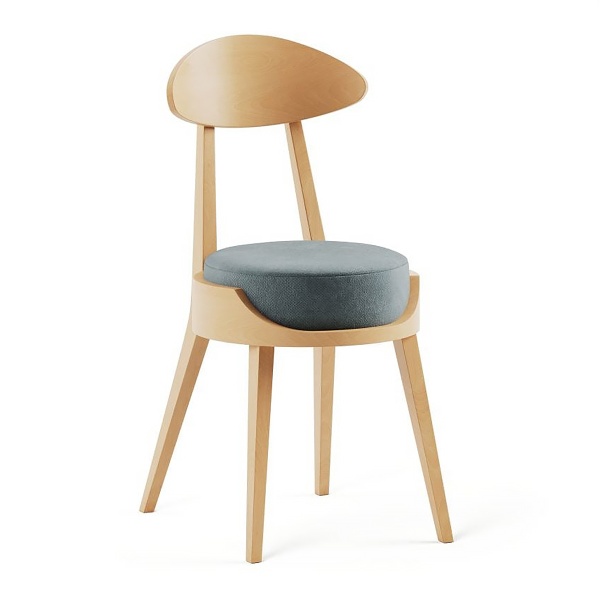
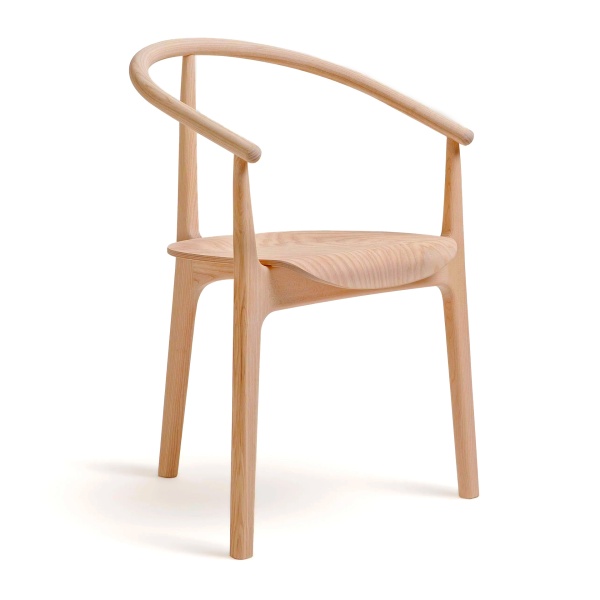
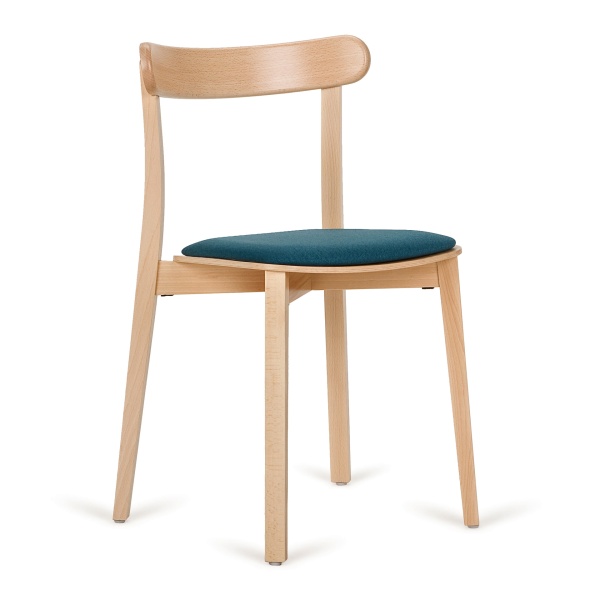
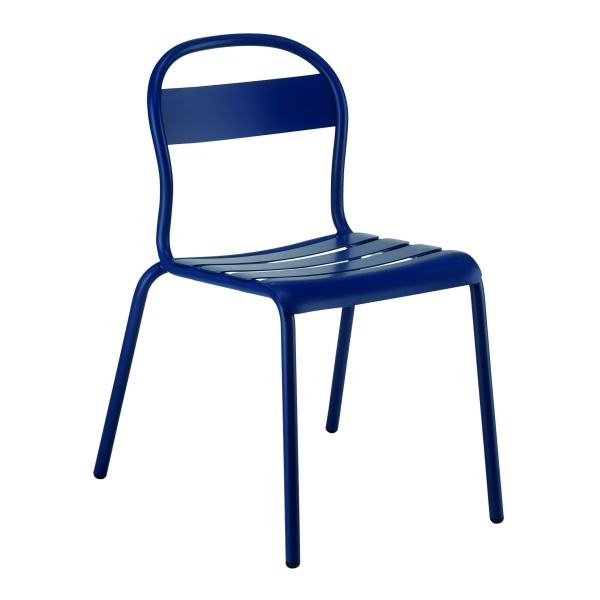
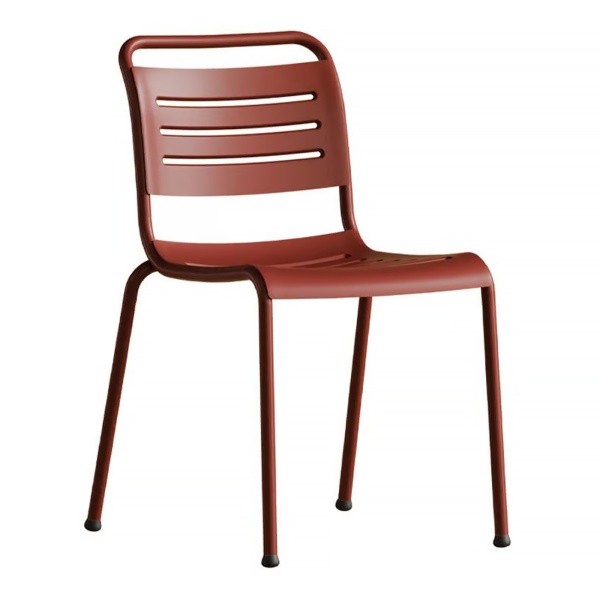
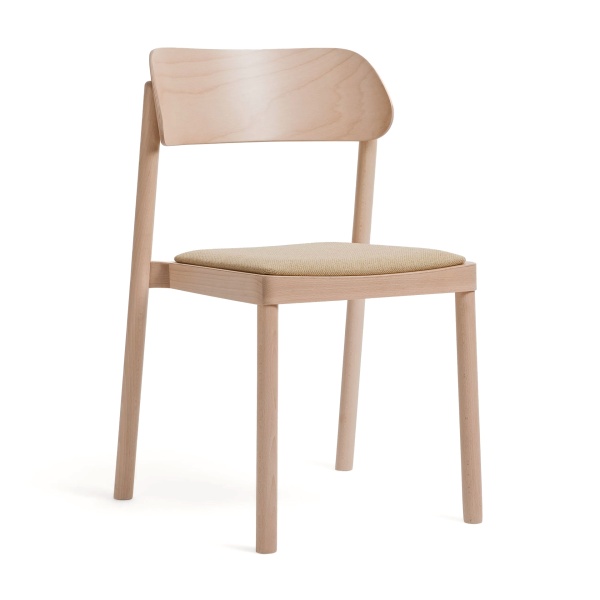
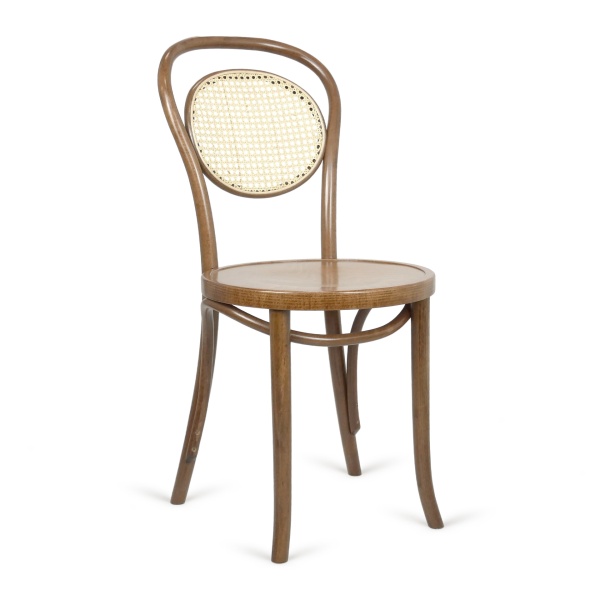
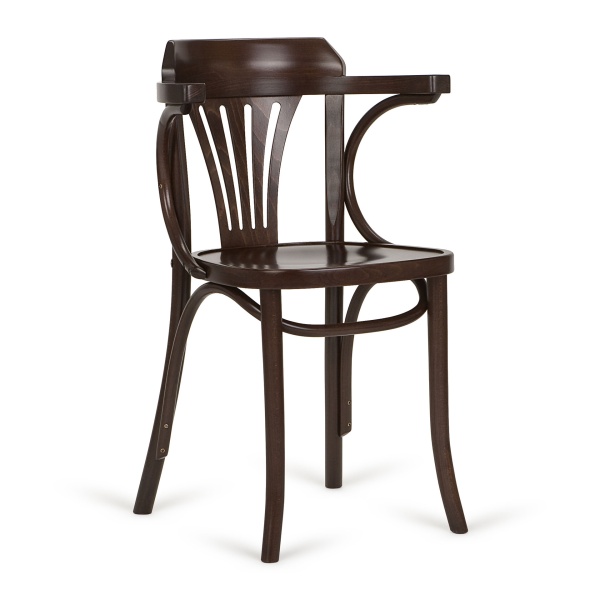
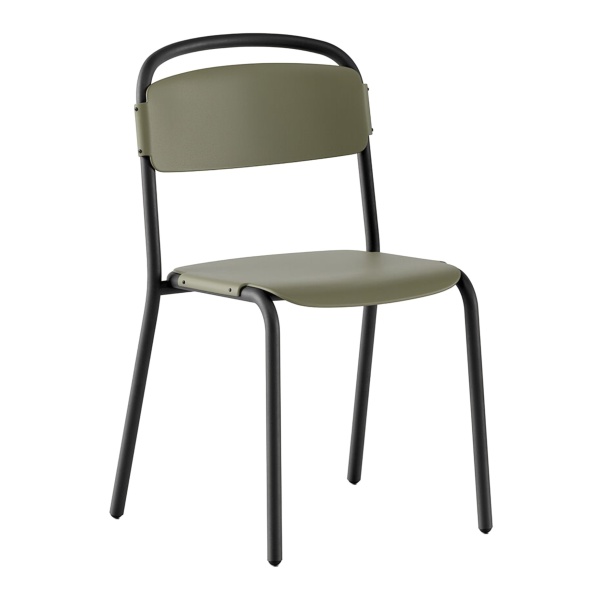
Coffee Shop Chairs are designed for spaces with high customer turnover, where compactness, mobility and quick seating arrangements are essential. Lightweight designs allow efficient use of floor space and easy adaptation to different service formats. These chairs combine practicality with a clean aesthetic, creating a comfortable environment for short visits and everyday use in coffee shop settings.
Questions & Answers
Do upholstered chairs increase sales in a coffee shop?
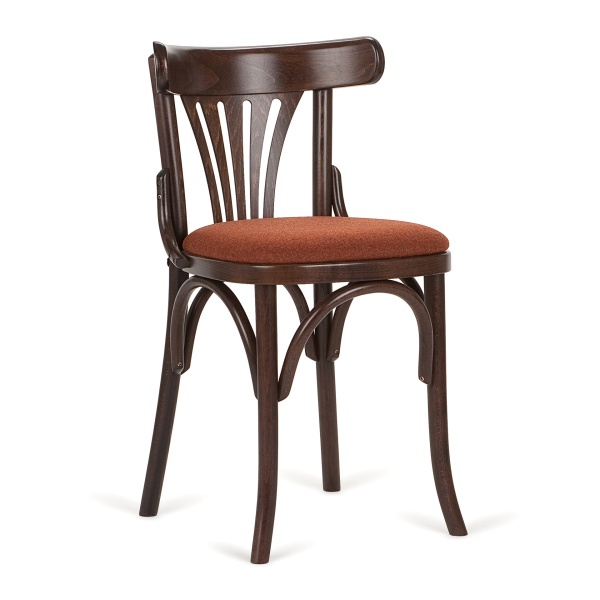
It depends on the format. In speciality coffee or classic café settings with higher average spend, softer seating encourages longer stays and increases the likelihood of additional orders. In high-turnover coffee-to-go formats or very compact spaces, overly comfortable seating may reduce turnover and negatively impact revenue. The rule is simple: higher spend supports more comfort; higher footfall requires more compact seating.
How much space is required per seat in a coffee shop?
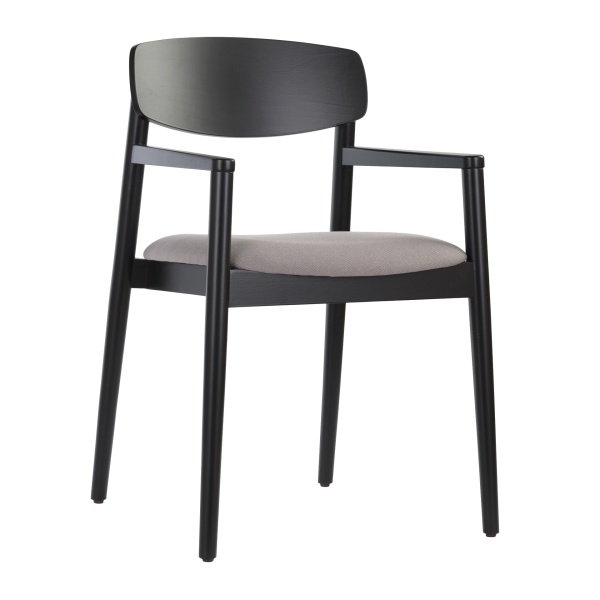
The industry standard is 1.5–1.8 m² per seat including circulation. With tighter layouts, this can be reduced to 1.2 m². Minimum aisle width should remain 900–1000 mm. A chair without armrests at 500 mm width compared to one with armrests at 620–650 mm can result in 4–6 additional seats within a 60 m² space.
Are bar stools better than standard chairs by the window?
Bar stools are one of the most efficient solutions for window seating. They attract solo users and laptop-based guests, require less floor space than table-and-chair setups and create a more dynamic façade. A critical detail is the footrest — without it, comfort drops significantly after 20–30 minutes.
How does seat depth affect customer behaviour?
A seat depth of 420–440 mm creates a more upright posture and encourages shorter stays. A deeper seat of 460–480 mm allows users to relax and remain longer. This parameter is often used to subtly influence behaviour across different zones within the same space.
How many seating types should a coffee shop have?
For spaces above 40 m², three seating types are typically optimal: compact two-person tables near the entrance, bar seating along walls or windows for solo guests, and deeper seating zones at the rear. This allows different user groups to be served simultaneously while maintaining control over space efficiency.