


Folding chairs
Folding chairs are a practical solution for cafés, restaurants and event venues where mobility, speed of setup and efficient storage are essential. Lightweight designs make it easy to add extra seating and quickly adapt the layout to different use scenarios. When folded, these chairs take up minimal space, making them an effective option for venues with fluctuating seating requirements.

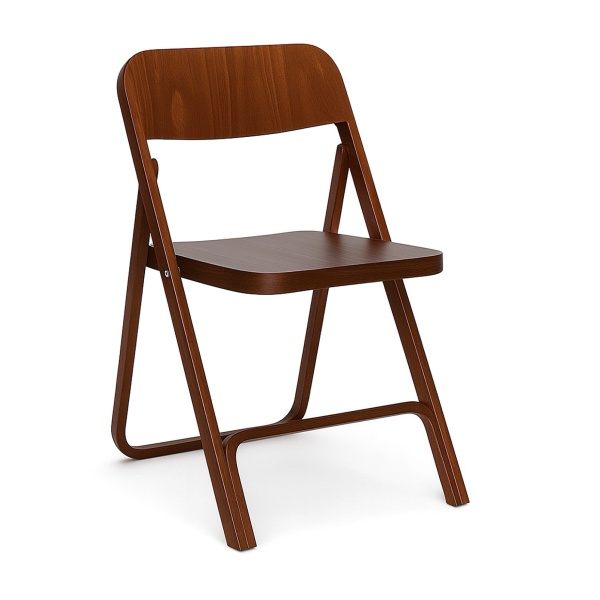
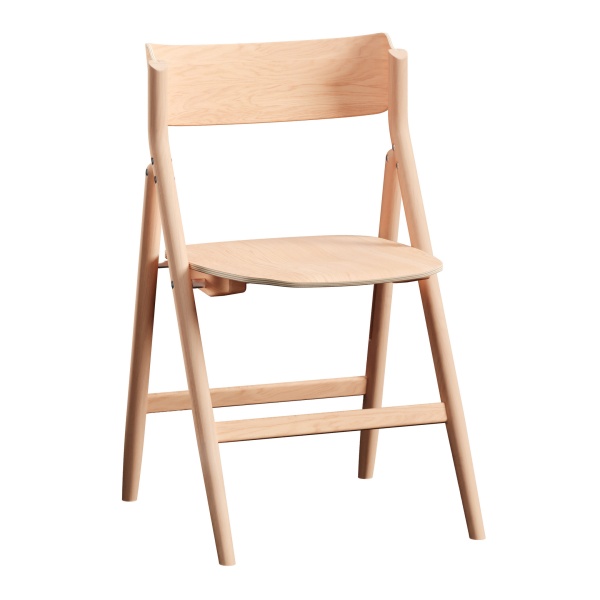
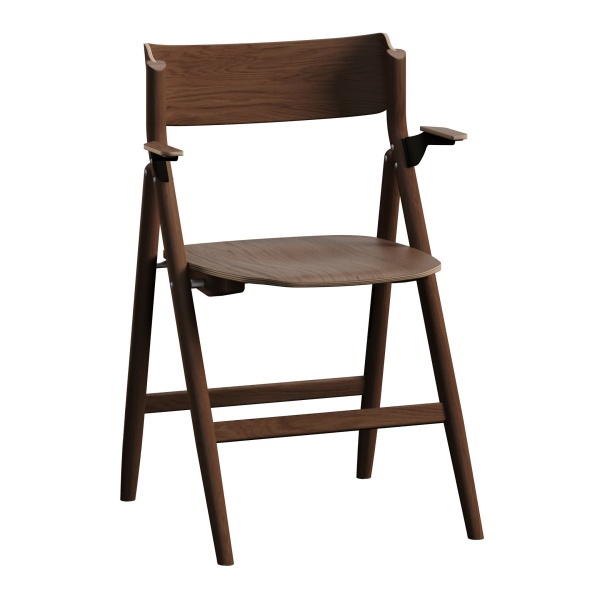
Folding chairs are professional HoReCa solutions designed for environments where mobility, spatial control and fast layout changes are essential. In restaurants, cafés, hotels and event venues they are used where seating must adapt without sacrificing stability or basic guest comfort.
In the contract segment, a folding chair is not a “temporary option” but an operational tool: storage efficiency, logistics, rapid deployment and predictable performance under load.
Folding chairs for HoReCa are contract-grade seating solutions with a folding mechanism designed for intensive use. Key criteria include stability when unfolded, hinge reliability, durable materials and efficient storage logistics. They enable fast space reconfiguration without compromising service quality.
Where folding chairs are used in HoReCa
Professional folding chairs are applied in scenarios where fixed seating is not optimal:
- banquet and event areas;
- conference halls and multi-purpose spaces;
- seasonal terraces with flexible layouts;
- catering, pop-up formats and temporary zones;
- restaurants with transformable dining rooms.
In these formats, folding chairs are often used as flexible seating — in combination with wooden chairs in the permanent seating area. This approach helps maintain a consistent interior for daily service while allowing the space to scale quickly for events or peak demand.
Key requirements for folding chairs in restaurants
1) Stability when unfolded
A common mistake is judging a folding chair only in its folded state. In HoReCa it must perform as a full seating unit — without wobbling, misalignment or a “temporary” feel.
2) Folding mechanism reliability
Hinges and locking points are critical. Contract models are engineered for repeated folding and unfolding cycles without looseness or structural fatigue.
3) Materials and surfaces
Folding chairs for HoReCa are made from materials suitable for frequent handling, floor contact and regular cleaning:
- steel or aluminium with corrosion-resistant coatings;
- technopolymers or treated wood;
- surfaces resistant to scratches and moisture.
4) Seating ergonomics
Even a folding chair must provide basic comfort: correct seat height, stable back support and predictable seating posture for different guest profiles.
Logistics, storage and service
In professional use, performance behind the scenes matters as much as appearance in the dining area:
- compact folding without surface damage;
- stacking or trolley-based storage options;
- fast deployment by staff without tools.
These factors determine whether folding chairs become a reliable operational asset or a recurring problem.
When folding chairs are the right solution
Folding chairs are justified when:
- seating layouts change throughout the day or season;
- the space serves multiple functions;
- fast reconfiguration is required without losing control;
- storage efficiency is a priority.
In such scenarios, they complement fixed chairs for café seating, expanding spatial flexibility without overloading the interior.
FAQ: folding chairs for HoReCa
What are folding chairs for HoReCa?
They are contract-grade seating solutions with a folding mechanism, designed for intensive use in restaurants, hotels, banquet and event venues.
Are folding chairs suitable for permanent seating?
In most cases they are used as auxiliary or transformable seating. Fixed chairs are usually preferred for primary dining areas.
What should be considered when selecting folding chairs?
Stability when unfolded, folding mechanism quality, material durability, storage efficiency and basic seating ergonomics.
Can folding chairs be used outdoors?
Yes, provided they feature moisture-resistant materials, corrosion-protected finishes and appropriate seasonal storage.