Choosing wooden chairs for different hospitality venues
The same chair may perform very differently in a busy coffee shop, a premium restaurant or a multifunctional hotel dining space. Choosing commercial seating therefore starts with understanding how guests use the space rather than selecting a timber finish.
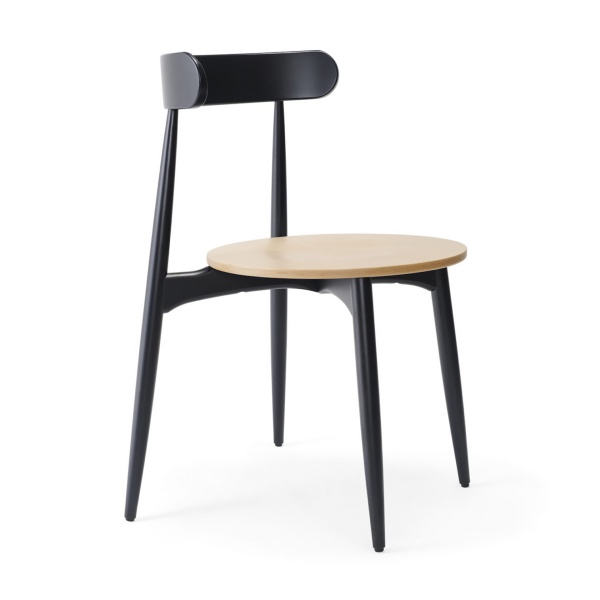
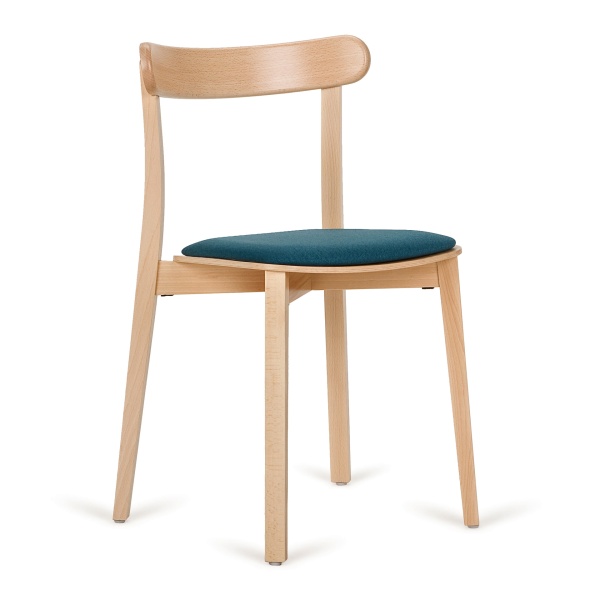
Compact wooden chairs without arms are often the preferred solution for cafés, bakeries, bistros and restaurants with high customer turnover. Their smaller footprint allows operators to maximise seating capacity while making cleaning and daily layout changes easier for staff.
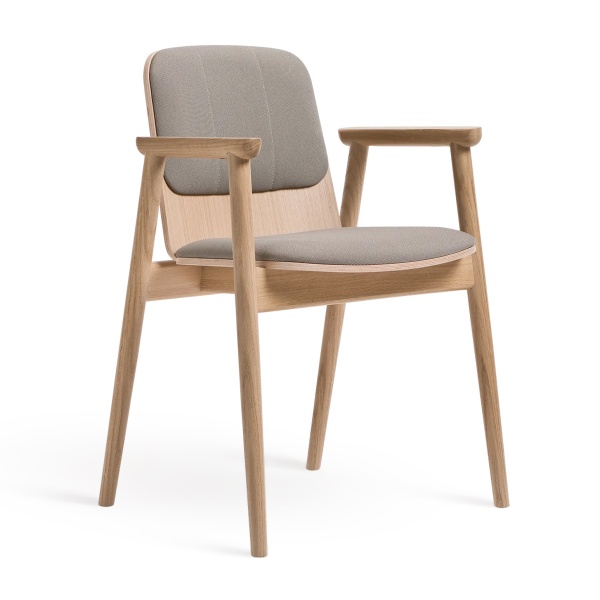
Restaurants where guests remain seated for one or two hours generally benefit from upholstered wooden chairs or dining armchairs. Better ergonomics improve guest comfort, encourage longer visits and help create a more premium dining experience.
Hotels, conference venues, function rooms and flexible hospitality spaces frequently require stackable wooden chairs. Stackability makes storage simpler, reduces labour during room reconfiguration and allows spaces to be prepared quickly for different events. However, stacking capability always depends on the design of the individual model.
For commercial interiors, selecting the right wooden chair is about much more than design. Seating should match guest dwell time, room layout, table dimensions, service style and the level of daily commercial use.
Types of wooden restaurant chairs available
Our collection includes both contemporary and classic contract seating with different frame constructions, upholstery options and materials. This allows architects, designers and hospitality operators to select chairs based on operational requirements as well as interior aesthetics.
Solid wooden dining chairs
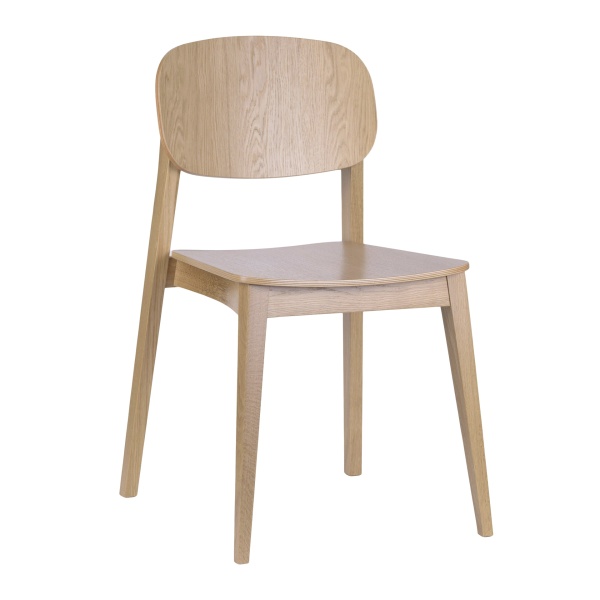
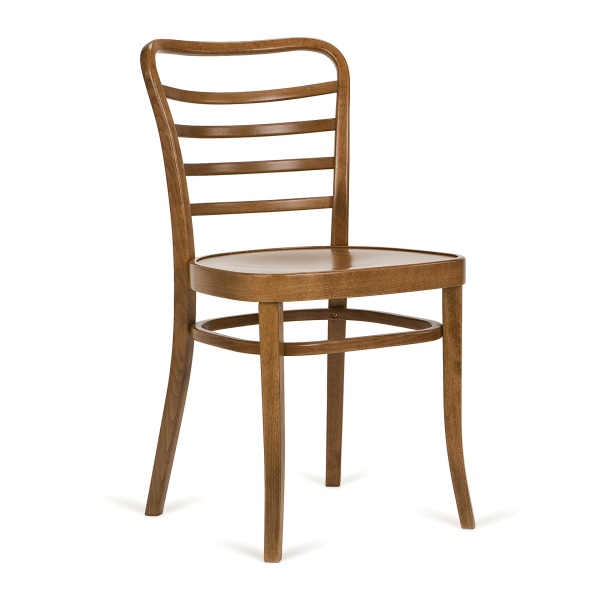
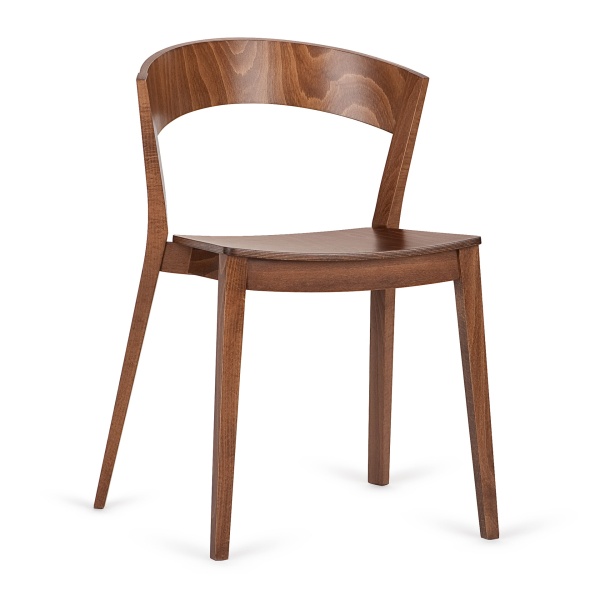
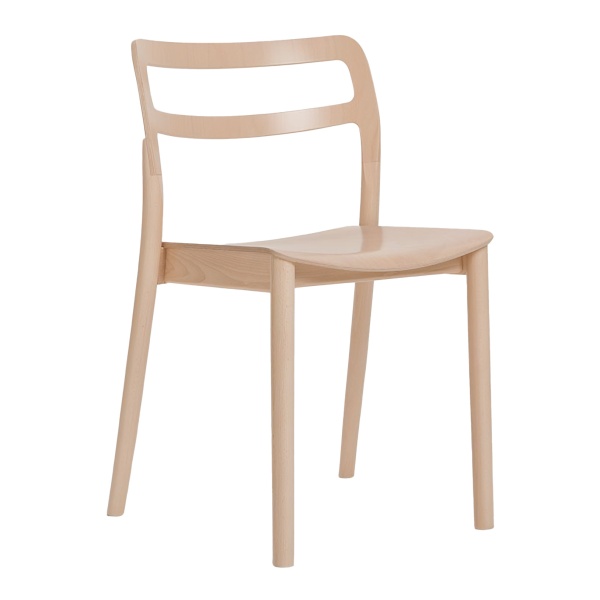
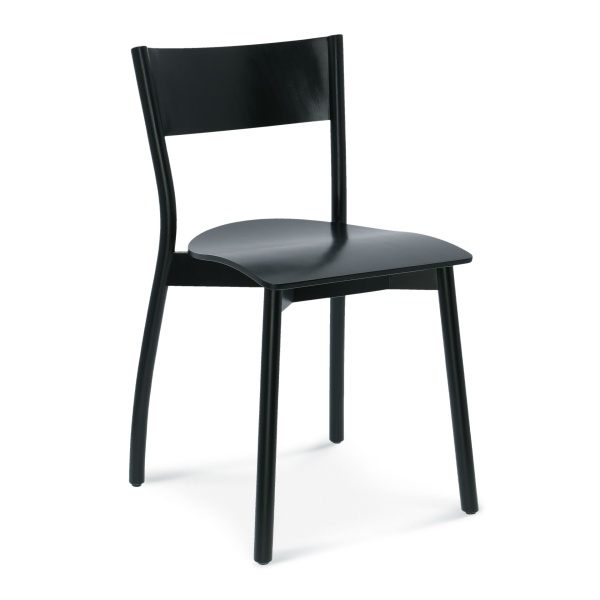
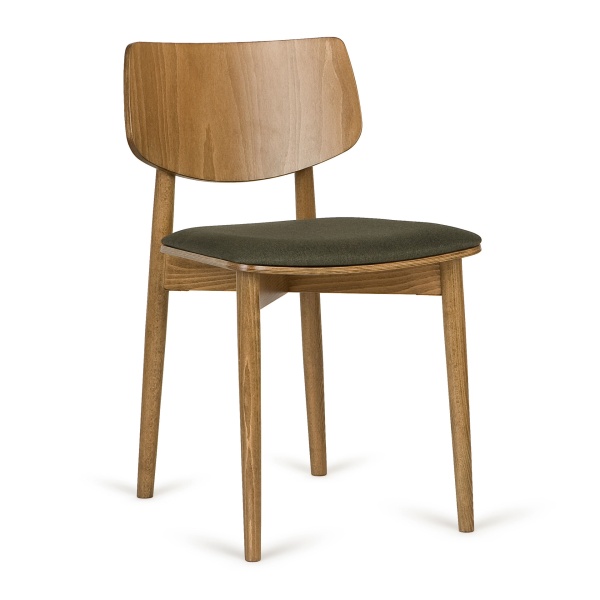
Solid-seat wooden chairs are widely used in cafés, bakeries, quick-service restaurants and hospitality venues with frequent customer turnover. They are easy to clean, highly durable and available in natural timber finishes, stained colours or painted lacquer.
A solid seat does not automatically mean reduced comfort. Seat profile, backrest angle, frame geometry and ergonomic proportions all influence the overall seating experience. Well-designed commercial chairs remain comfortable even without upholstered cushions.
Upholstered wooden restaurant chairs
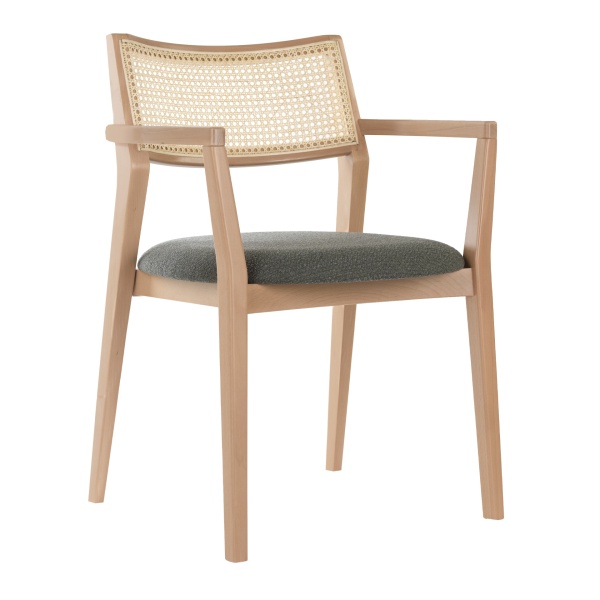
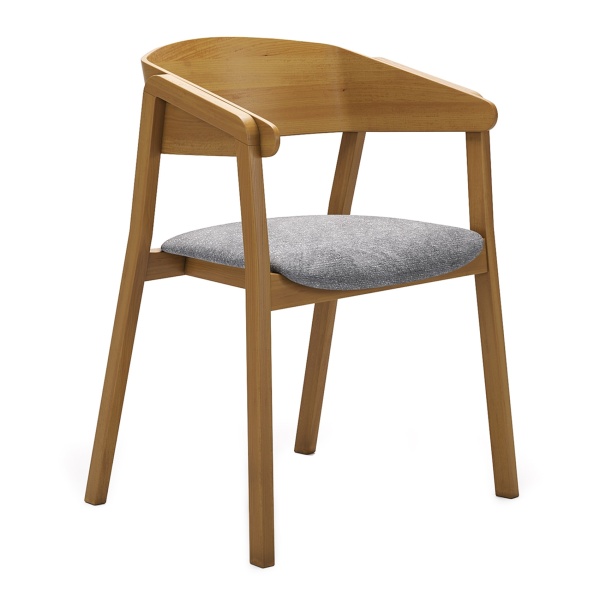
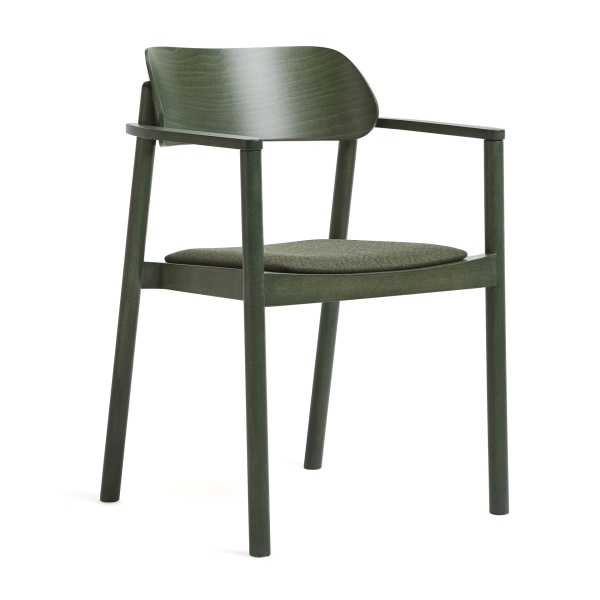
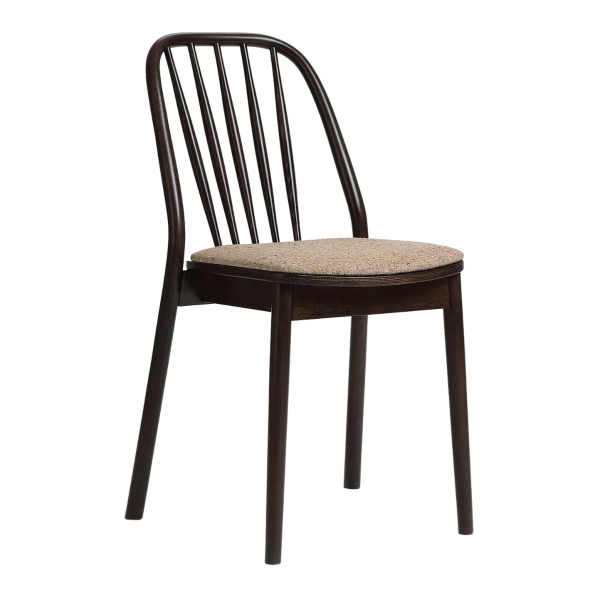
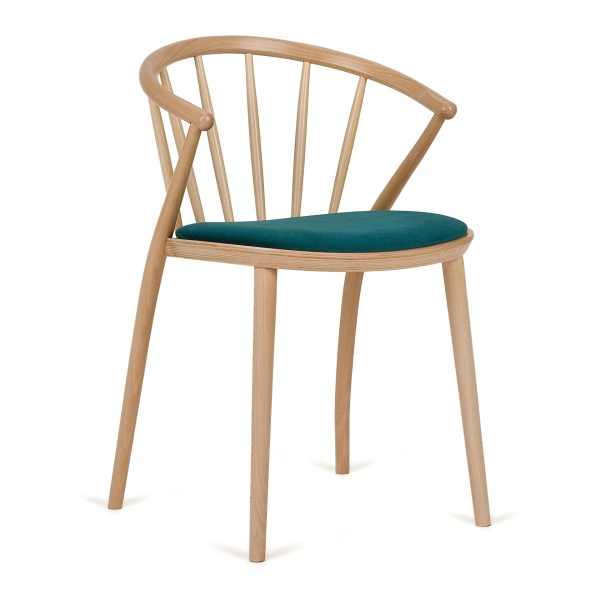
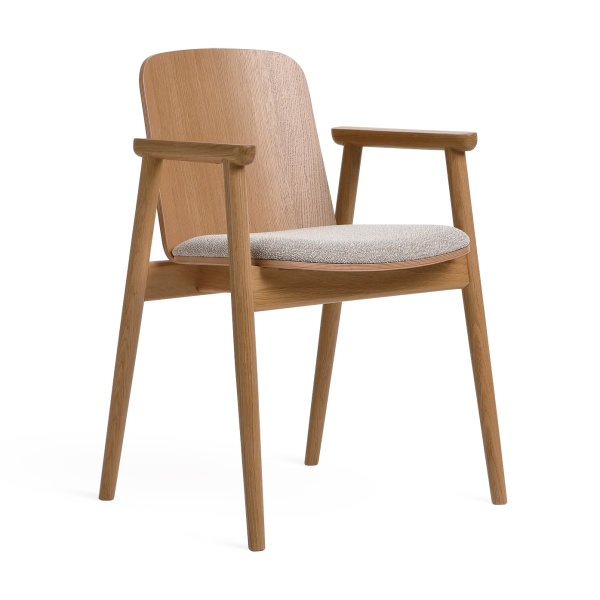
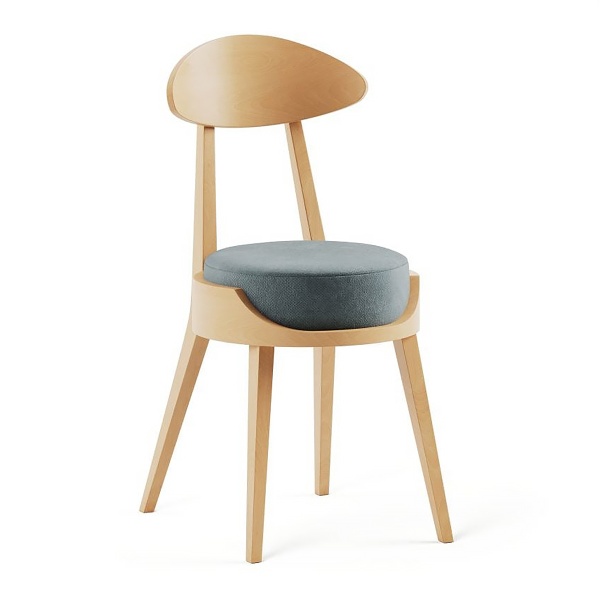
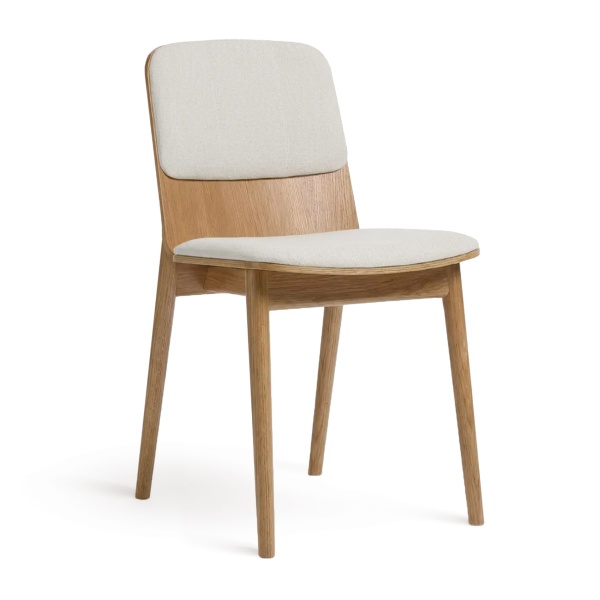
Wooden chairs with upholstered seats provide greater comfort while introducing colour and texture into restaurant interiors. Depending on the collection, upholstery may cover only the seat, both the seat and backrest or the complete inner shell.
For commercial environments, upholstery should be selected not only for appearance but also for durability, stain resistance and ease of maintenance. In restaurants where guests stay longer, upholstered seating often delivers a better overall dining experience.
Wooden dining armchairs
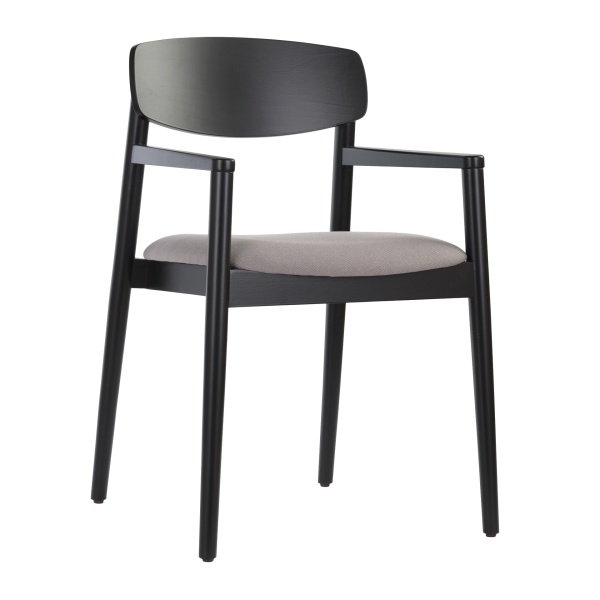
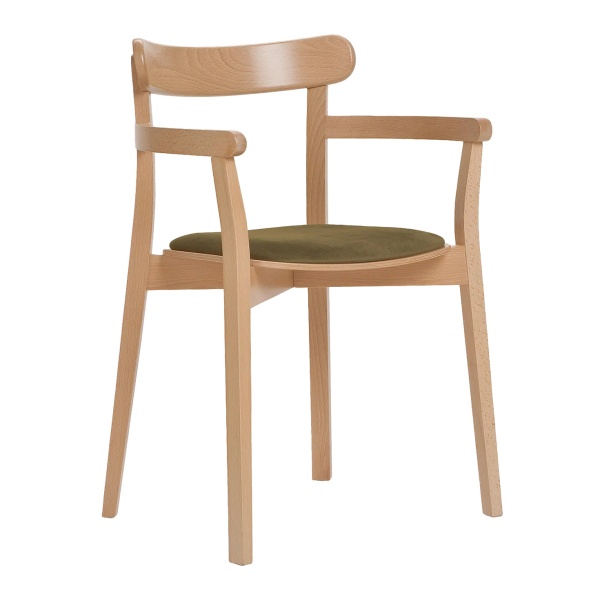
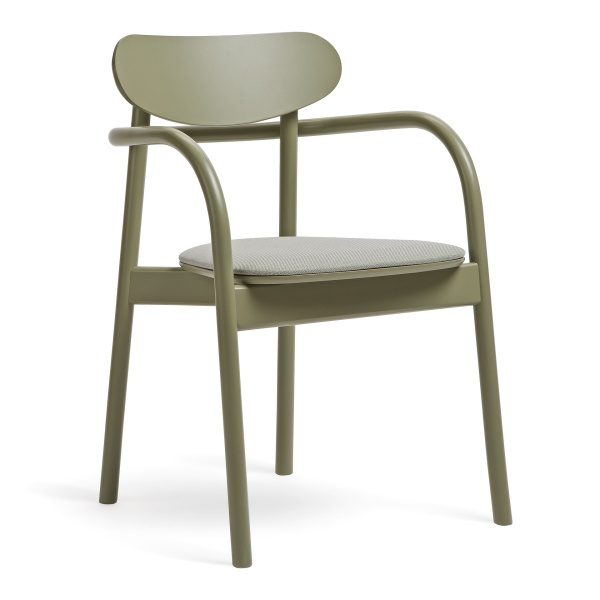
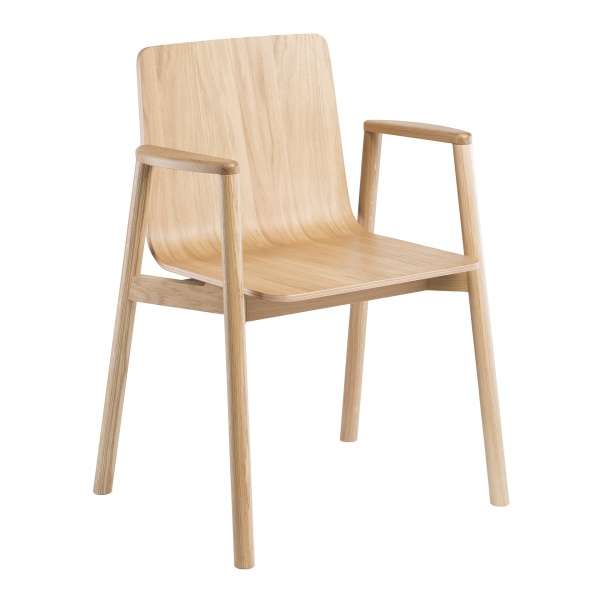
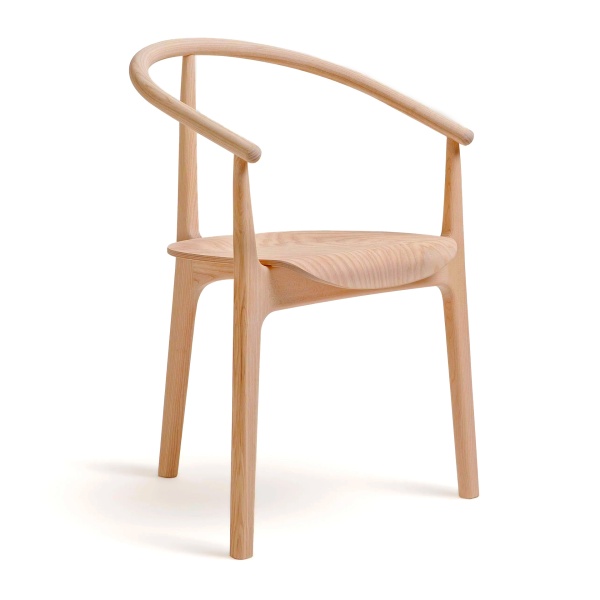
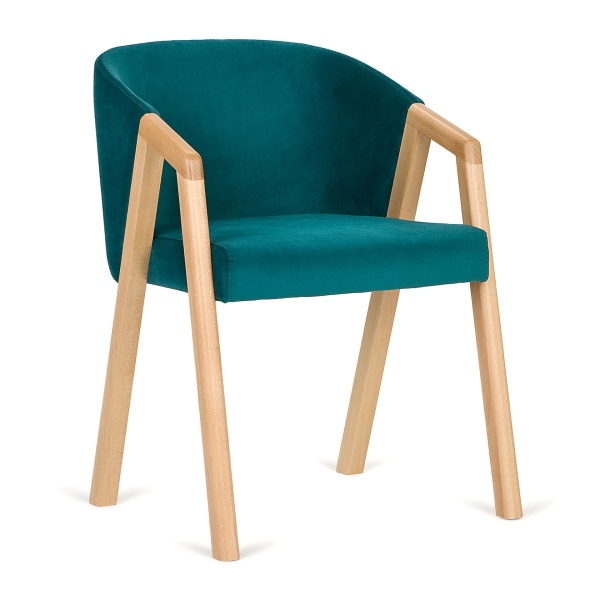
Wooden armchairs offer additional comfort and are frequently specified for restaurants, hotel dining rooms, lounges and premium hospitality interiors. Before ordering, overall width and arm height should always be checked to ensure compatibility with table dimensions.
Bentwood wooden chairs
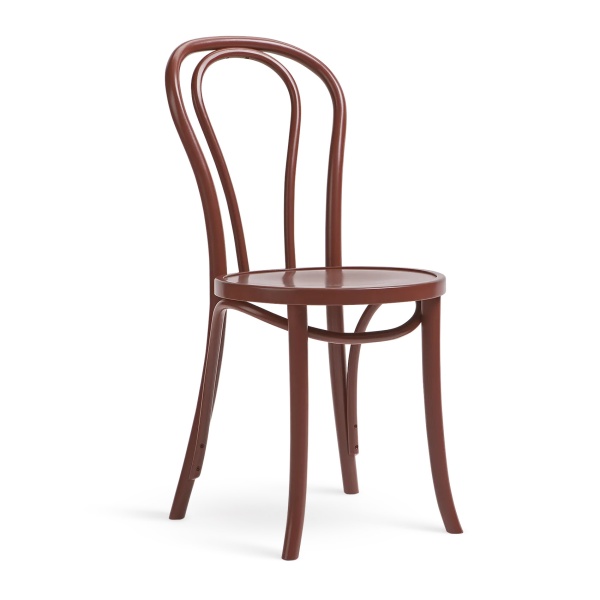
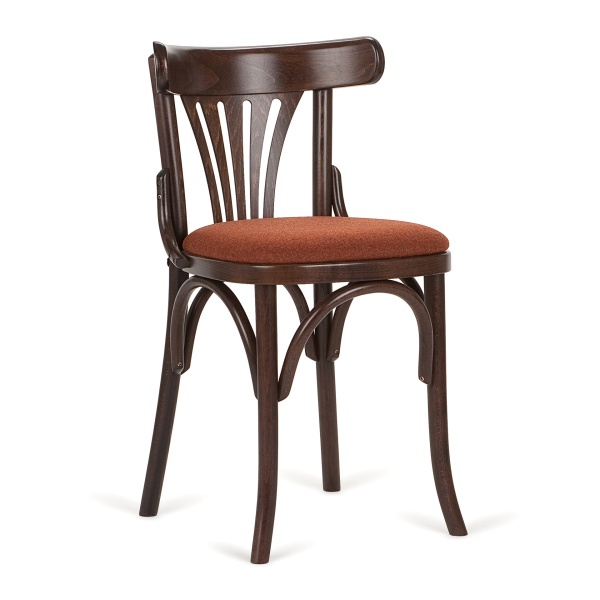
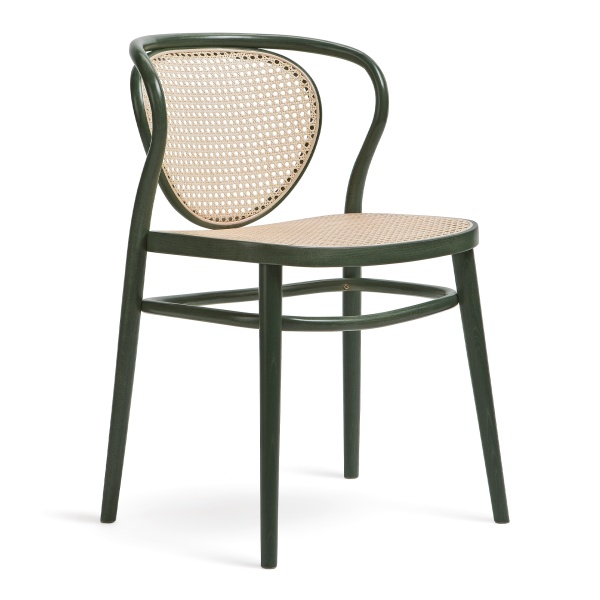
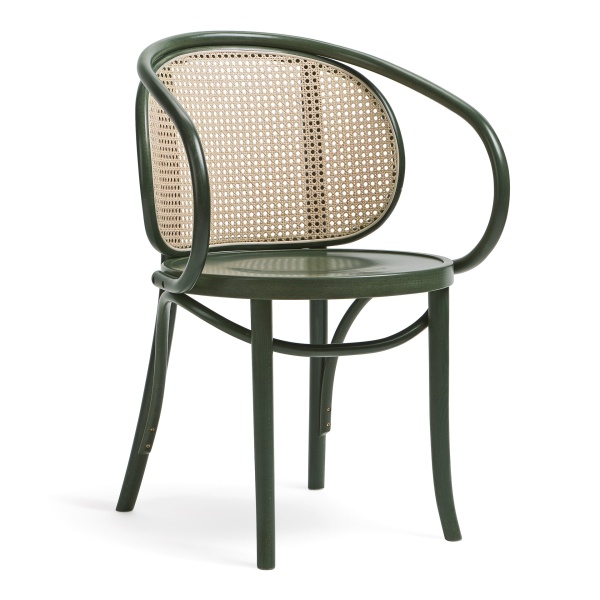
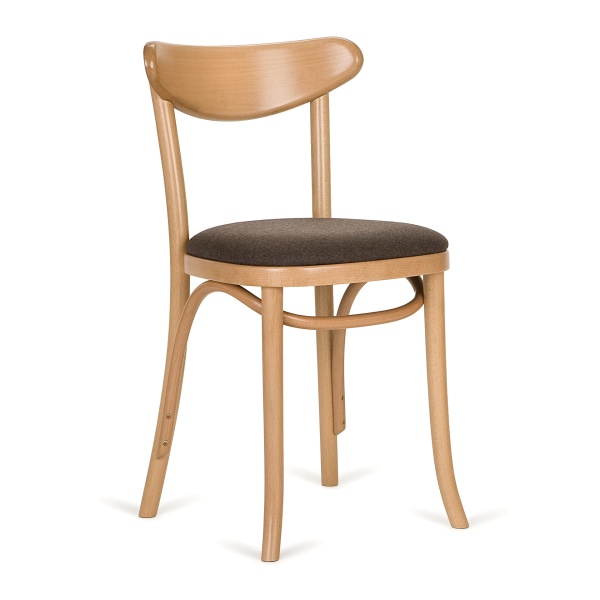
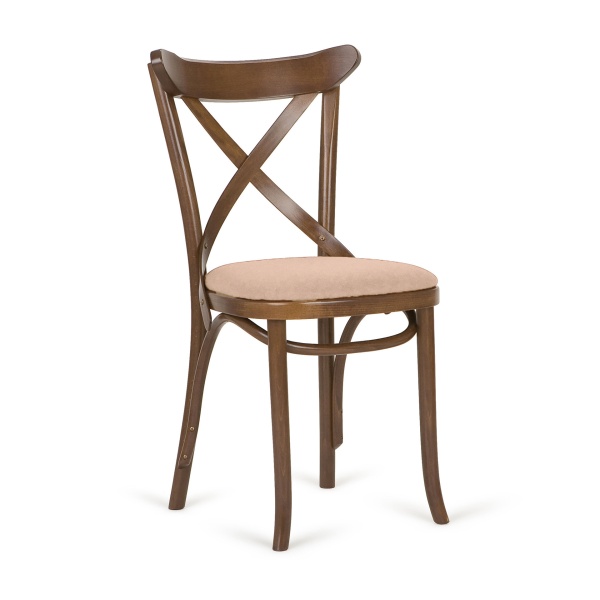
Bentwood chairs remain one of Europe's most recognisable hospitality seating styles. Their bent beech construction, elegant proportions and lightweight appearance make them suitable for cafés, wine bars, bakeries, traditional restaurants and boutique hotels.
Modern interpretations include upholstered versions, cane seats and contemporary frame profiles while preserving the timeless character of classic bentwood furniture.
Stackable wooden chairs
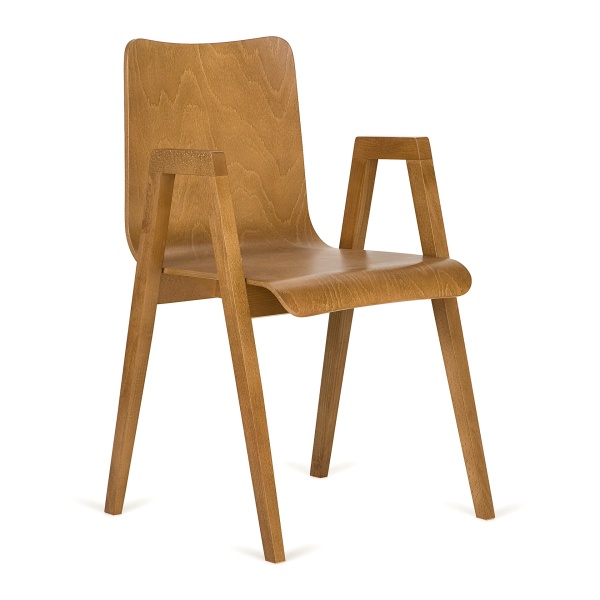
Stackable wooden chairs are ideal for conference facilities, banquet halls, event venues and multifunctional hospitality spaces. They reduce storage requirements while making room changes significantly faster.
Not every wooden chair can be stacked safely. This depends on frame geometry, seat thickness, backrest design and protective stacking elements integrated into the construction.
Beech, oak and engineered timber construction
Most professional wooden restaurant chairs are manufactured from beech, oak or a combination of solid timber and engineered plywood. Each material offers different advantages depending on the intended application and interior concept.
Beech remains one of the most widely used hardwoods in European chair manufacturing. Its dense structure, excellent machining properties and ability to be steam bent make it ideal for both traditional Bentwood chairs and contemporary contract seating. Many of Europe's best-known furniture manufacturers specialise in beech construction because it delivers an excellent balance between strength, durability and refined appearance.
Oak is valued for its distinctive grain, premium appearance and natural character. Oak restaurant chairs are often specified for hospitality projects where authentic materials and timeless interiors are priorities, including boutique hotels, wine bars and fine dining restaurants.
Moulded plywood allows designers to create ergonomic seat shells and flowing backrests while reducing overall chair weight. Modern hospitality furniture frequently combines plywood shells with solid timber frames to achieve both structural performance and visual lightness.
The timber species alone should never determine the purchasing decision. Two visually similar wooden chairs may differ considerably in frame thickness, joint construction, finish quality, weight, durability and recommended commercial use.
How to choose wooden chairs for restaurants and cafés
Selecting hospitality seating requires evaluating several technical factors rather than comparing photographs or prices alone.
Restaurant concept and guest dwell time
Compact wooden chairs are usually appropriate for cafés, bakeries and quick-service restaurants where customers remain seated for relatively short periods. Restaurants, hotels and wine bars generally benefit from upholstered seating or dining armchairs designed to provide greater comfort during longer meals.
Room dimensions and seating capacity
Overall chair dimensions are just as important as seat width. Backrest shape, armrests, frame geometry and leg angles all influence the usable floor area.
Even a difference of only 30–40 mm between two chair models can significantly affect seating capacity. When ten chairs are positioned along one row of tables, those additional millimetres increase the required space by approximately 300–400 mm.
In restaurants accommodating 60–80 guests, relatively small dimensional differences may reduce the total number of seats or narrow circulation routes for staff. For this reason, professional furniture specification should always include room layout drawings before placing larger orders.
Compatibility with restaurant tables
Restaurant chairs should always be selected together with commercial dining tables. Standard dining tables are typically around 740–760 mm high, while chair seat heights generally range between 450–480 mm. Nevertheless, actual compatibility should always be verified using the technical drawings supplied by each manufacturer.
Particular attention should be paid to table aprons and wooden dining armchairs. Even when table height is standard, armrests may prevent chairs from sliding fully underneath the tabletop.
If armchairs cannot be tucked beneath the table, they require additional circulation space even when not occupied. Across a large restaurant, this can noticeably influence aisle widths and overall seating density.
Seat material and maintenance
Solid wooden seats are particularly practical for venues with high customer turnover because they are quick to clean and highly durable. Upholstered seating offers greater comfort but should be specified using contract-grade fabrics or commercial leather suitable for intensive hospitality use.
Stackability
Hotels, conference centres, banquet venues and multifunctional hospitality spaces often benefit from stackable chairs. When furniture is moved regularly, overall chair weight, protective stacking elements and maximum stacking height become important operational considerations.
Indoor or outdoor use
Most wooden restaurant chairs are intended exclusively for indoor environments. Even high-quality lacquered finishes do not automatically make furniture suitable for outdoor use. Terraces and exterior dining areas require products specifically engineered and certified for external conditions.
Timber finishes and upholstery
Wood finishes should always be considered together with flooring, tabletops, wall finishes, lighting and the wider interior palette. The same stain may appear very different depending on timber species, grain direction and ambient lighting.
For larger hospitality projects, physical timber and upholstery samples are strongly recommended before production begins. This helps ensure colour consistency throughout the venue.
A restaurant chair should never be evaluated in isolation. It forms part of a complete dining environment together with tables, circulation routes, guest comfort and staff efficiency. This holistic approach produces interiors that remain attractive while performing reliably throughout years of commercial operation.
European wooden chairs for hospitality projects
Our collection features contract furniture from leading European manufacturers, including the renowned Polish brand Paged. These collections include classic bentwood chairs, contemporary wooden dining chairs, upholstered restaurant seating and elegant dining armchairs developed specifically for the hospitality sector.
Working with several manufacturers allows restaurants, hotels, cafés and interior designers to compare models not only by appearance but also by dimensions, construction, timber species, upholstery options, lead times and overall project budget. This makes it easier to specify furniture that matches both the design concept and operational requirements.
Buy wooden restaurant chairs for cafés, restaurants and hotels
At HoReCa.Furniture you can buy wooden restaurant chairs for cafés, restaurants, hotels, pubs, bars, bakeries, wine bars and other commercial hospitality venues. Our catalogue of restaurant chairs includes solid wooden chairs, upholstered dining chairs, wooden armchairs, Vienna chairs and stackable commercial seating from trusted European manufacturers.
Whether you are furnishing a single venue, refurbishing an existing restaurant or delivering a large hospitality project, we can help you select the most suitable furniture. Depending on the manufacturer and collection, many models are available in multiple timber finishes, stains, lacquer colours, fabrics, artificial leather and genuine leather upholstery. Some products are available from stock, while others are manufactured to order.
The price of a wooden restaurant chair depends on several factors including timber species, frame construction, upholstery, finish and order quantity. Rather than comparing prices alone, it is worth considering long-term durability, seating comfort, maintenance requirements, repairability and expected service life in a commercial environment.
For trade customers, interior designers and hospitality operators we provide assistance with product selection, project quotations, finish selection, upholstery specifications, production lead times and delivery throughout the UK. Availability, warranty conditions and manufacturing times vary by collection and should always be confirmed for the selected model before ordering.
Wooden restaurant chairs can also be supplied together with dining tables, bar stools, upholstered seating and other hospitality furniture to create a coordinated interior concept. To prepare an accurate quotation we recommend providing your floor plan, seating capacity, interior visuals or mood boards, preferred budget and required completion date. This enables us to recommend furniture that genuinely suits your project rather than simply offering the widest possible selection.