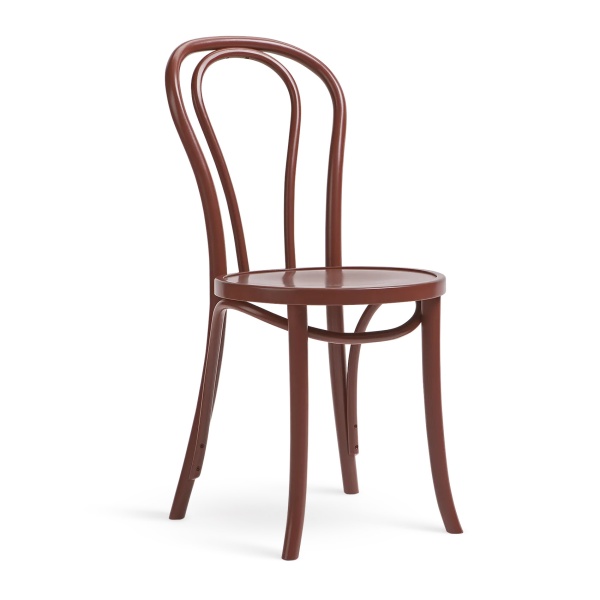
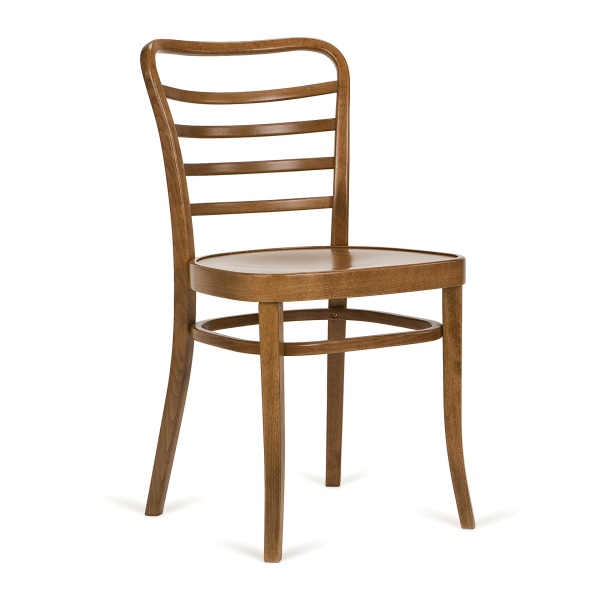
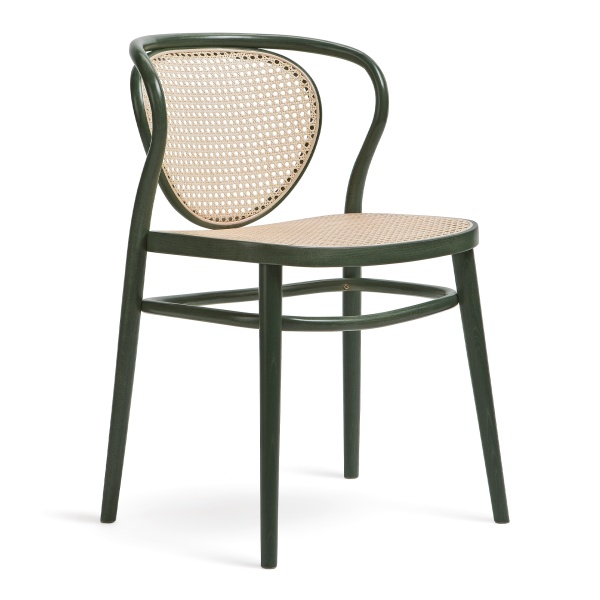
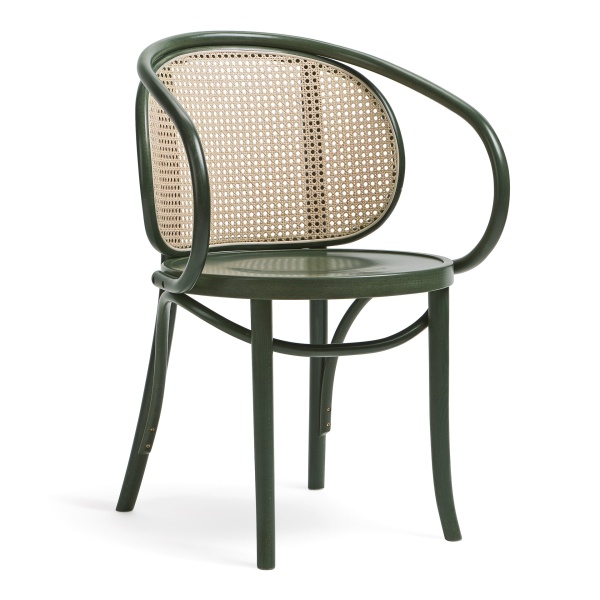
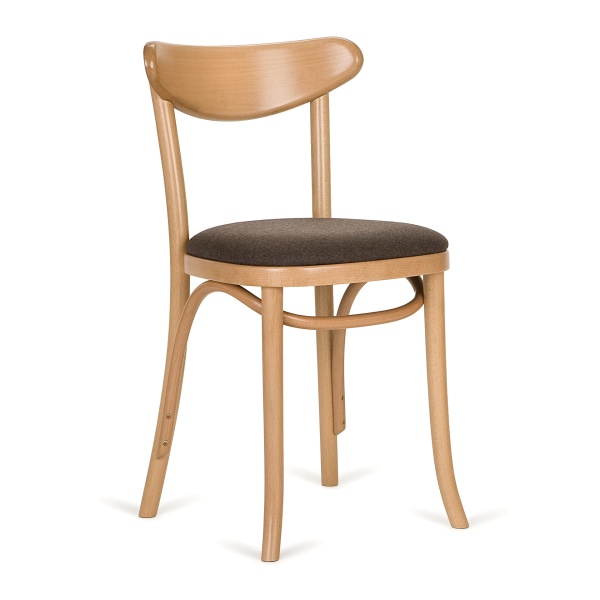
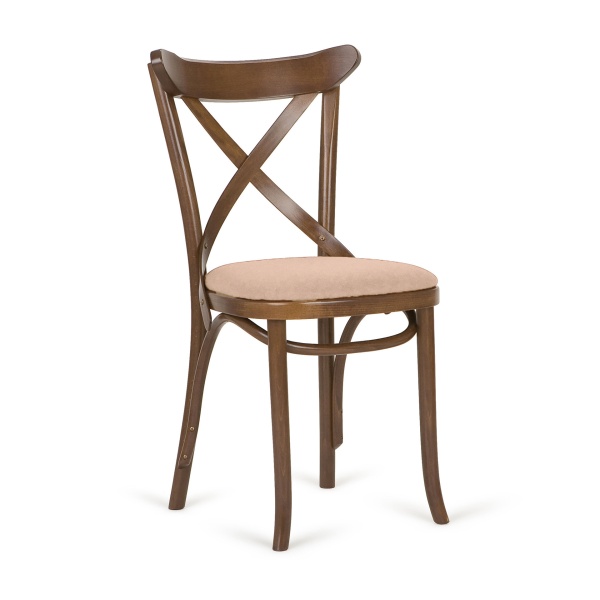
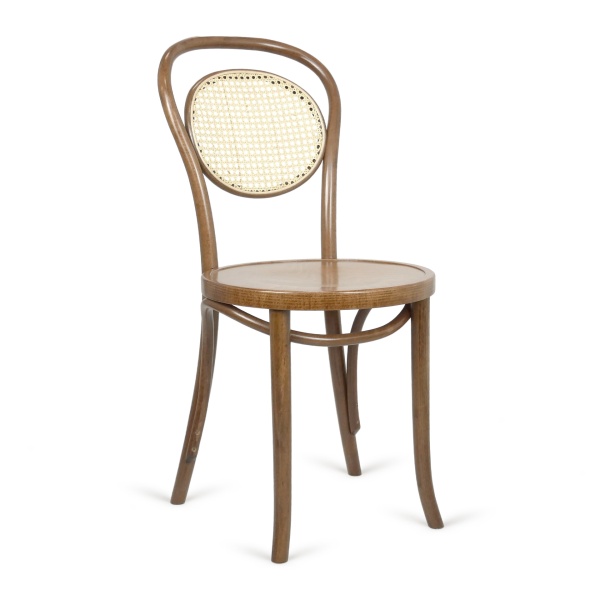
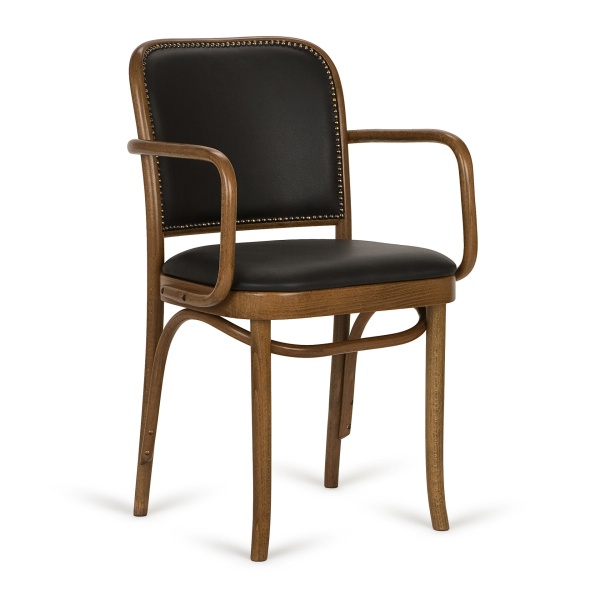
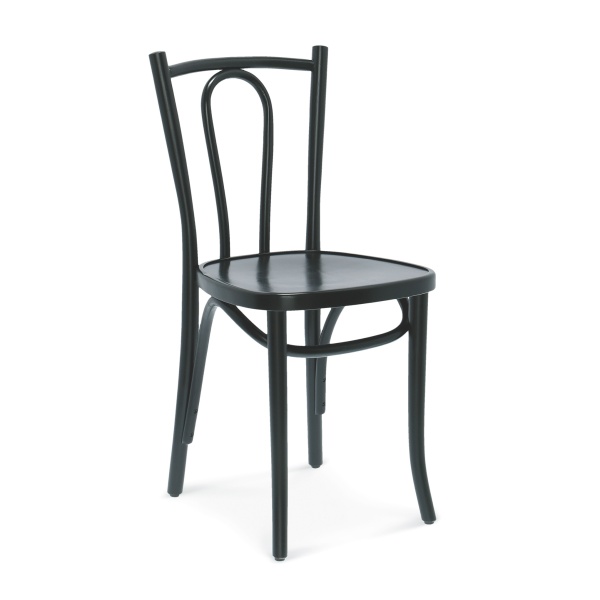
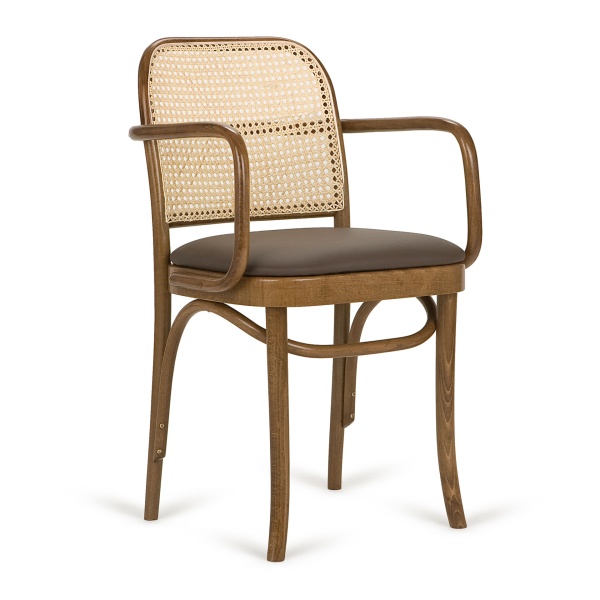
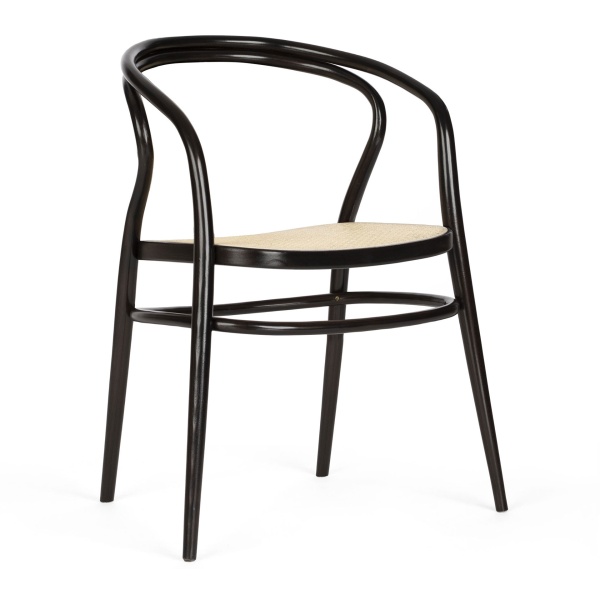
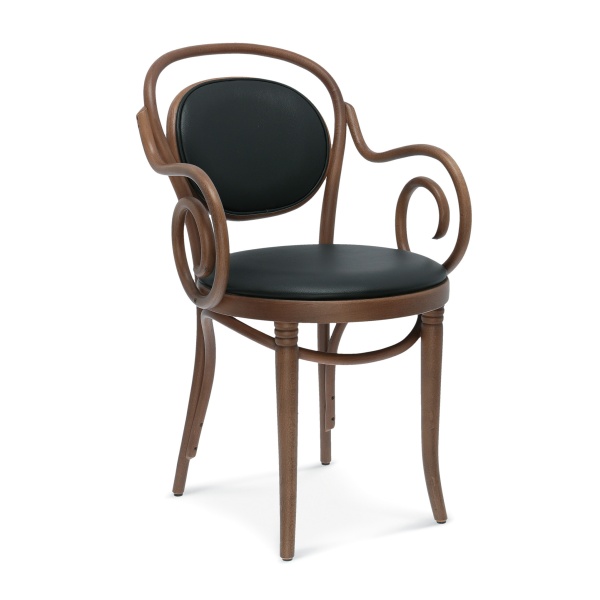
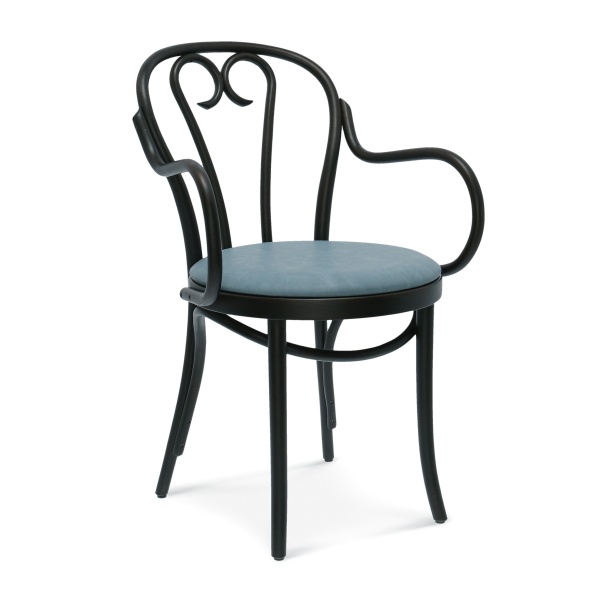
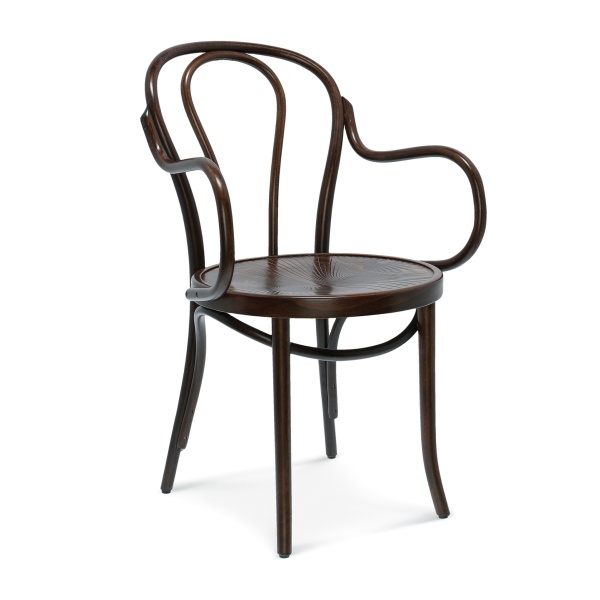
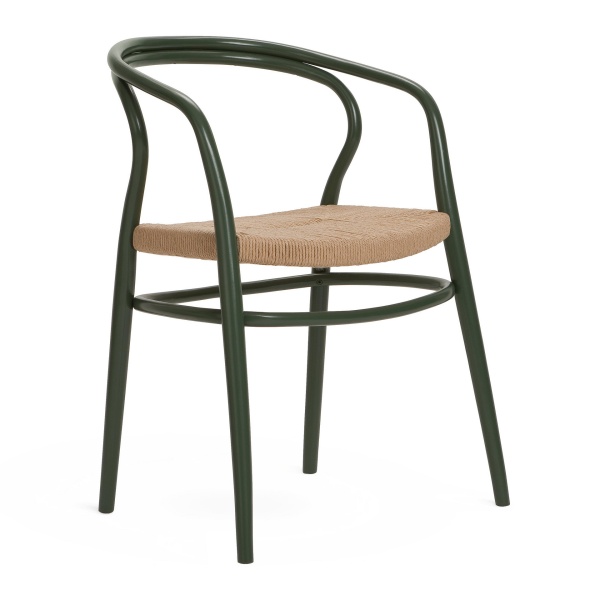
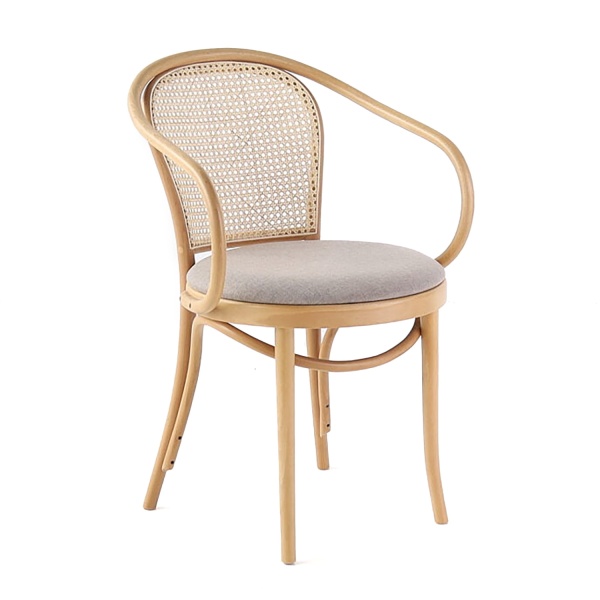
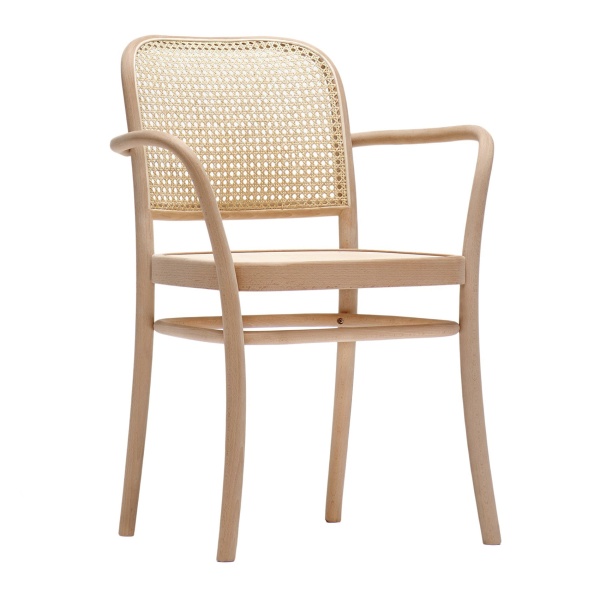
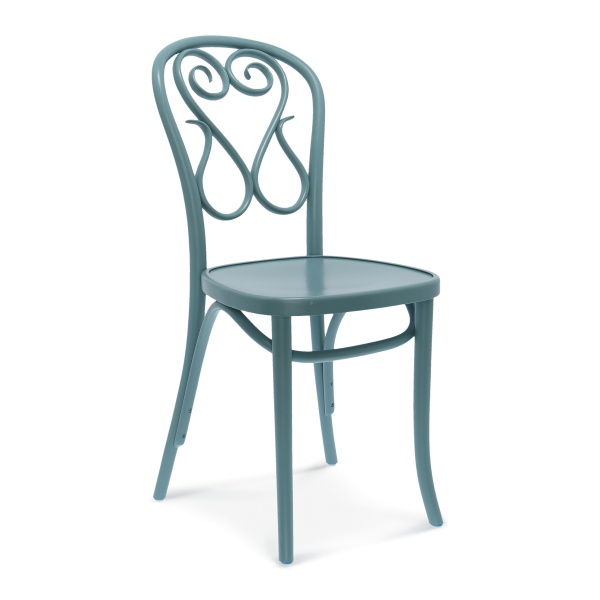
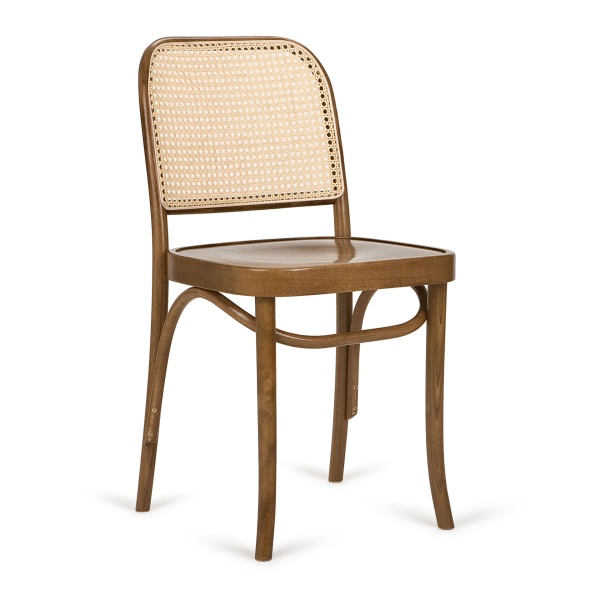
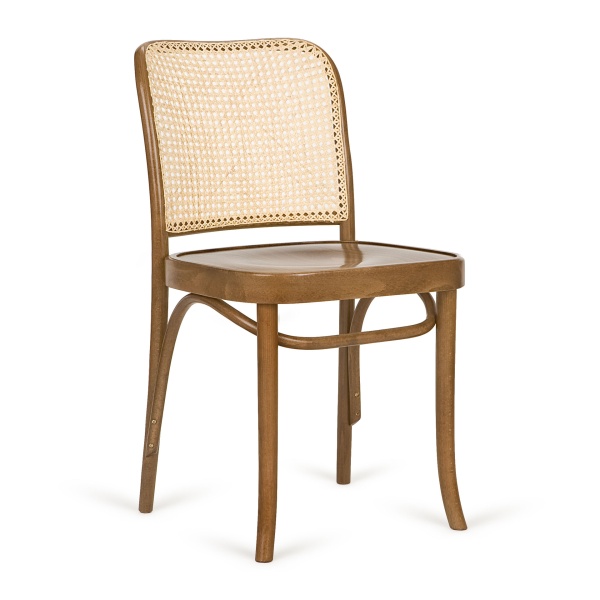
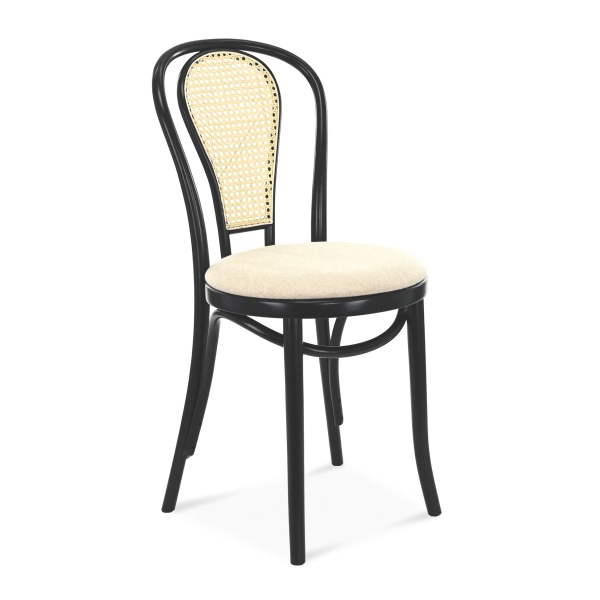
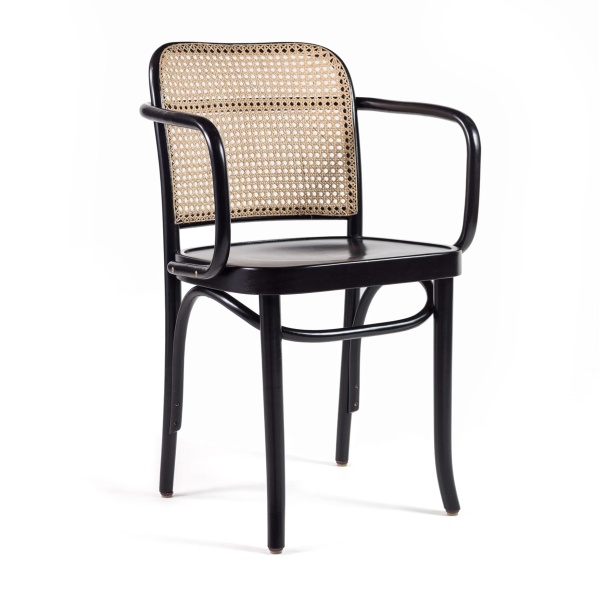
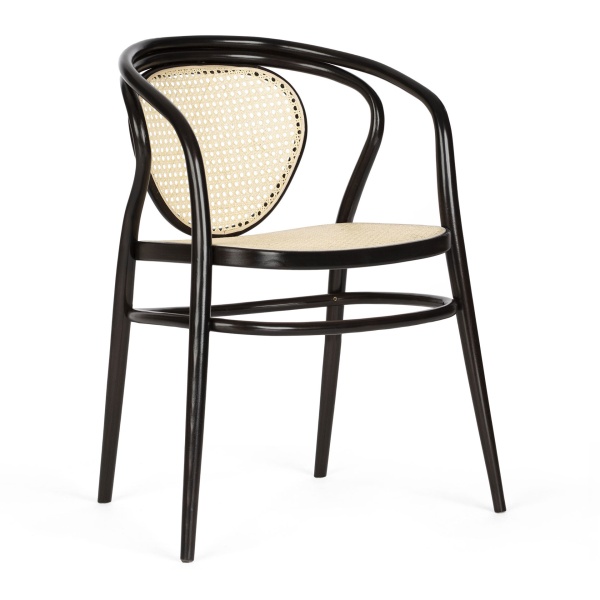
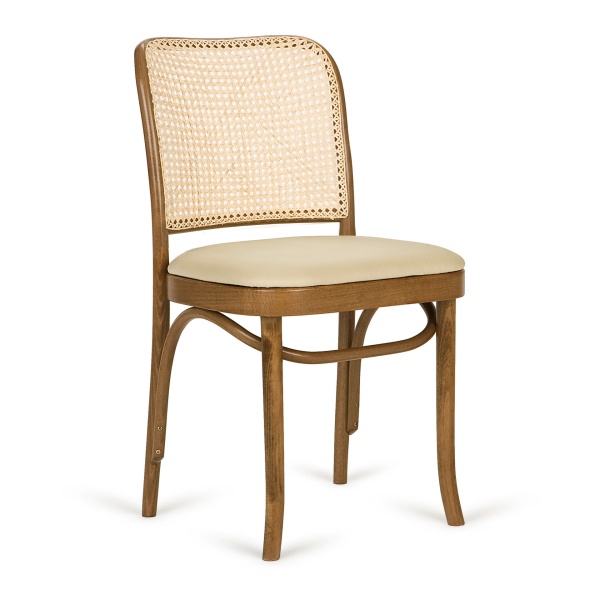
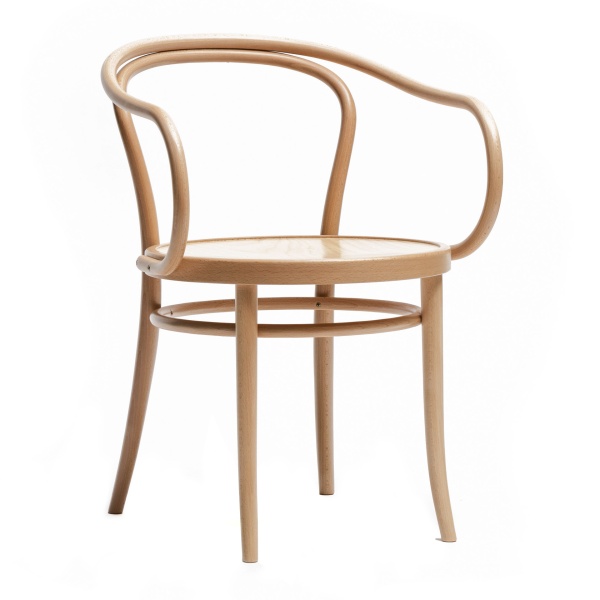
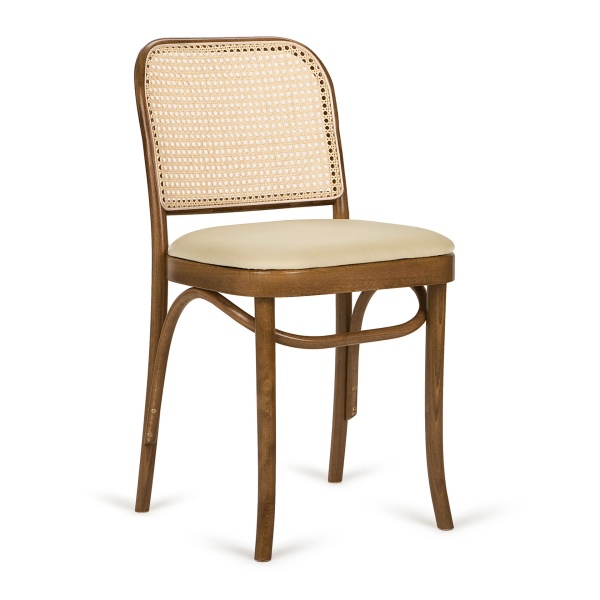
Bentwood chairs for cafés and restaurants — contract models in bent beech or high-density plywood, rated for daily commercial loads up to 100–120 kg. Typical weight: 3.5–5.5 kg. Standard seat height: 44–46 cm, compatible with tables at 72–76 cm. Stack 4–6 units high. Suitable for indoor and outdoor use (subject to correct finish). Supplied on contract terms with specifications retained for repeat orders.
The bentwood chair is one of the few furniture forms designed from the outset for commercial dining spaces rather than adapted to them after the fact. That is why this typology has remained relevant for cafés, bistros and restaurants for over 150 years: it combines compactness, a recognisable silhouette, structural logic and sufficient comfort for daily hospitality service.
Within the restaurant chairs category, bentwood models occupy a distinct and strong niche: they perform where visual lightness, high seat turnover and a form that does not compete with the interior are all required at once.
Why bentwood chairs remain a strong choice in HoReCa
The appeal of the bentwood chair is not stylistic nostalgia — it is a sound commercial formula. It is more compact than most contemporary models, easier to handle for floor staff and visually unobtrusive even at high seating density. For an operator this translates into simpler day-to-day management, a cleaner interior and greater flexibility in layout without sacrificing aesthetics.
In HoReCa, a bentwood chair is not just a classic image — it is a working tool: it saves floor space, simplifies service flow and maintains a strong visual quality in the room without the bulk of heavier furniture.
Chair types for cafés and restaurants
Construction and materials
Classic bentwood models are made from bent beech — a timber with an optimal balance of strength, flexibility and weight. Modern contract versions may also use high-density multi-ply or hybrid constructions with metal joinery where greater stability under intensive use is required.
- Weight: 3.5–5.5 kg — staff can reposition the chair single-handed mid-service;
- Maximum load: 100–120 kg in line with EN 16139 for non-domestic furniture;
- Stackability: 4–6 units per stack — essential for banquet formats and seasonal terraces;
- Finish: lacquer or oil-wax — both allow localised repair without replacing the chair;
- Joints: mortise-and-tenon or bolted metal — bolt joints should be checked annually under heavy commercial use.
Unlike plastic or complex composite alternatives, a wooden bentwood chair can be repaired locally. Scratches and surface wear on legs and backs are addressed by sanding and re-lacquering — without writing off the furniture.
How to choose a bentwood chair for your restaurant
The right choice depends on three factors: venue format, conditions of use and compatibility with other furniture.
- Frame material. Bent beech — the classic choice with the best flex response. Multi-ply — more stable under repeated handling, less prone to delamination in humid conditions.
- Finish. Lacquer — easier to maintain daily. Oil-wax — more natural appearance but requires annual refreshing. For outdoor use — UV-resistant lacquer or moisture-protective oil-wax only.
- Joints. Bolted metal joints are more practical for daily commercial loads — they can be tightened. Mortise-and-tenon is structurally stronger but requires a joiner if the joint works loose.
- Table compatibility. Seat height 44–46 cm pairs with table heights of 72–76 cm. Check the pairing before ordering. A 3–5 cm mismatch between actual table and chair dimensions already affects guest posture and comfort.
- Stacking. If the room uses banquet or flexible layouts, confirm units per stack and maximum stack height relative to your ceiling height.
Room economics: what the right form delivers
A typical bentwood chair measures approximately 50–54 cm wide and 55–58 cm deep. This is noticeably more compact than most armchair models or chairs with a larger seat profile. In a densely configured room, that difference opens up aisle space and can add 1–2 covers per 20 m² without the room feeling crowded.
For this logic to hold, bentwood chairs should be assessed alongside dining tables rather than in isolation. The relationship between seat height, table height and actual service aisle widths determines whether the room will run efficiently in daily service.
Which concepts suit bentwood chairs best
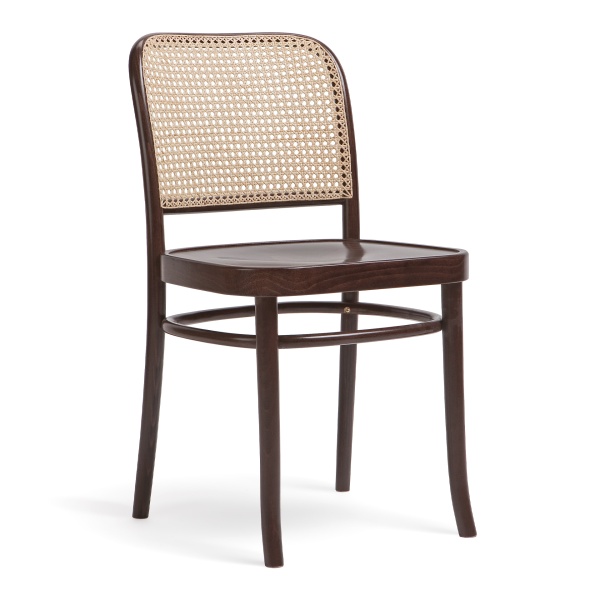
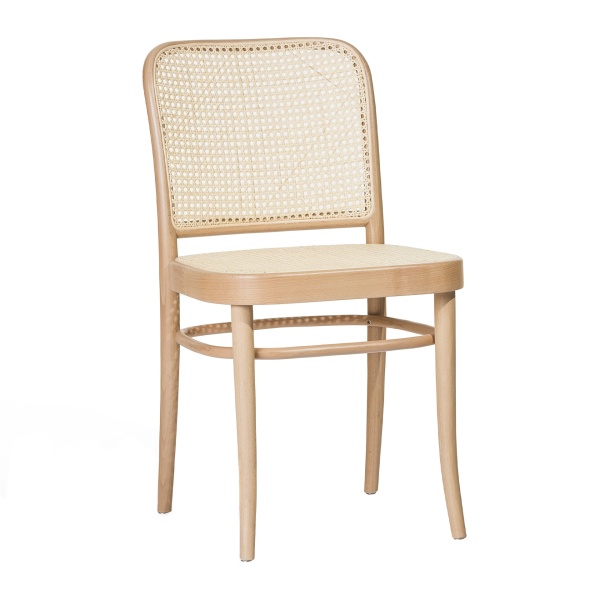
- Coffee shops and specialty cafés — light beech against white walls and pale stone or ceramic flooring: a clean Scandinavian or classic European presentation with no decorative clutter;
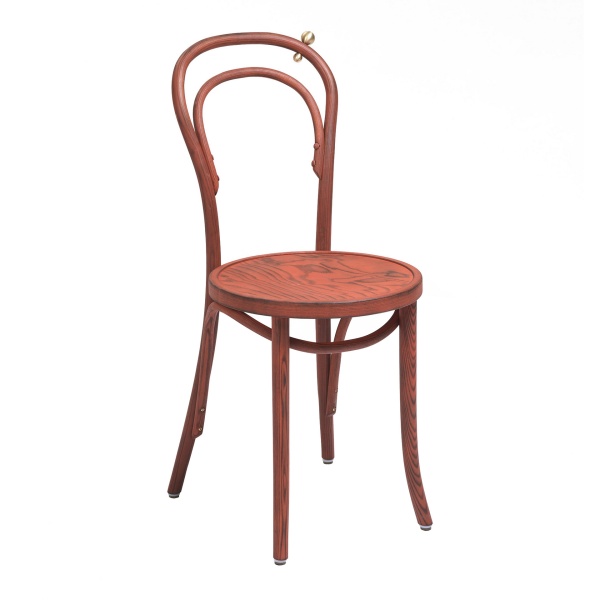
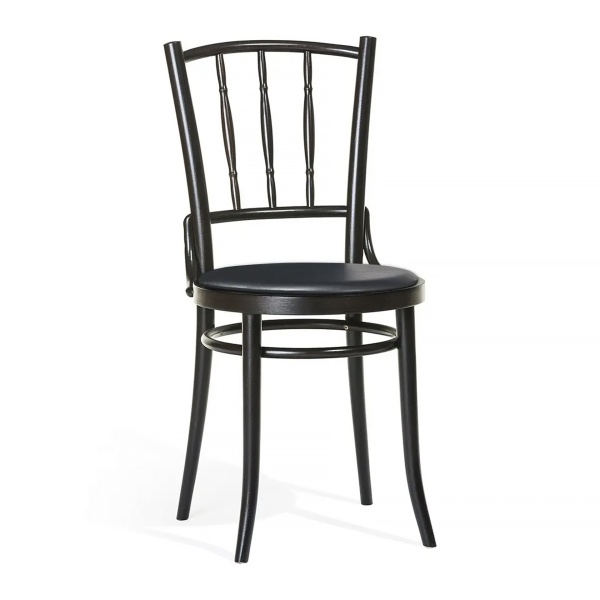
- Bistros and brasseries — dark ash or a painted frame with a fabric seat pad: French or Central European character, where each chair reinforces the sense of an authentic, inhabited space;
- Mid-market restaurants — a neutral form that does not compete with finishes, lighting or soft furnishings, giving designers maximum freedom;
- Minimalist interiors — natural timber introduces warmth and tactility where everything else is concrete, metal and glass;
- Terraces and outdoor dining areas — subject to correct outdoor finishing; often paired with terrace chairs in a matching material language.
For zones with longer dwell times — lounge, private dining or VIP sections — bentwood chairs combine well with upholstered chairs or sofas, maintaining a consistent material code through shared timber detailing.
Contract supply terms
- Contract quantities — for new openings, refurbishments and renovations;
- Repeat orders — model specifications are retained for subsequent deliveries;
- Delivery terms — discussed individually depending on destination, order volume and project specification;
- Structural warranty — 2 years on joints and frame.