UkrainianEnglishRUSFrenchSpanish

Plastic Chairs for Hospitality

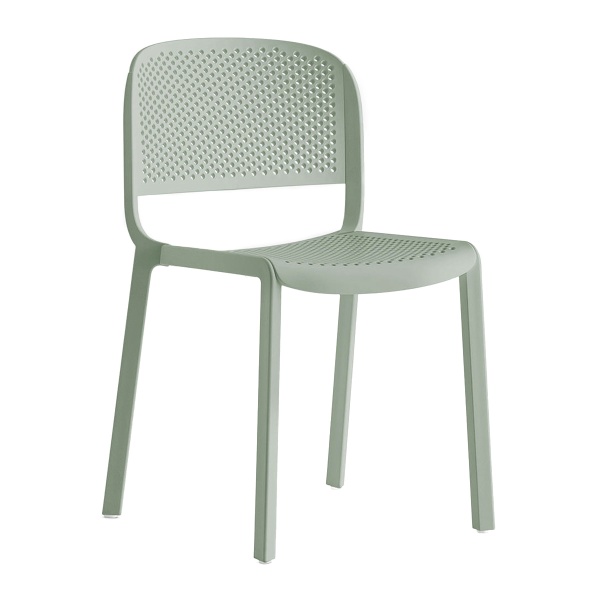
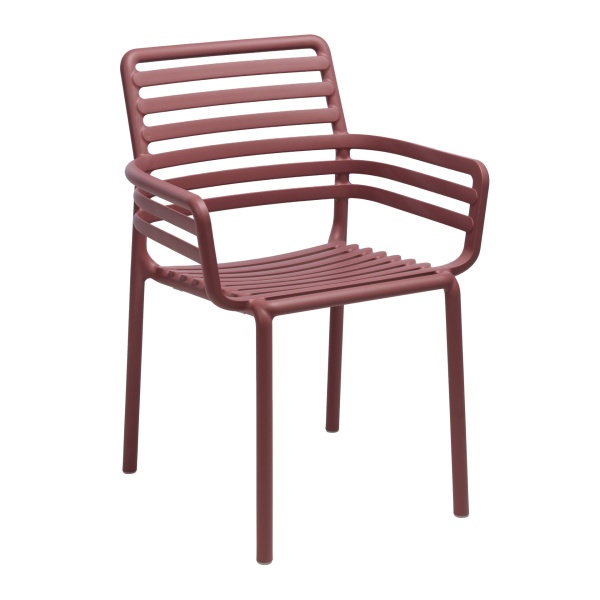
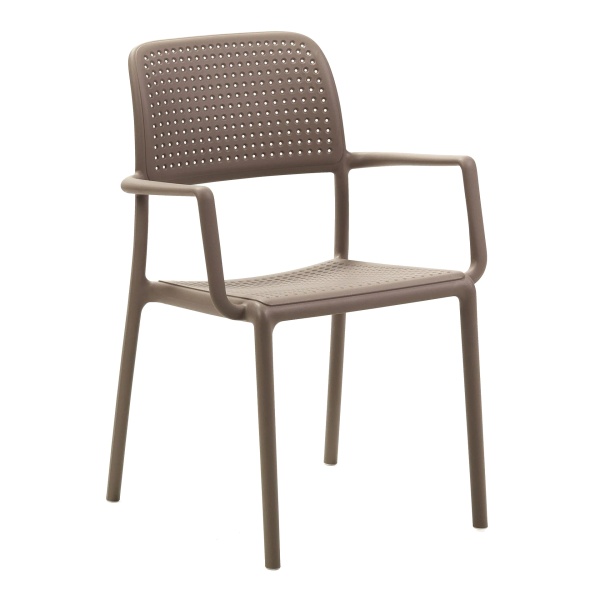
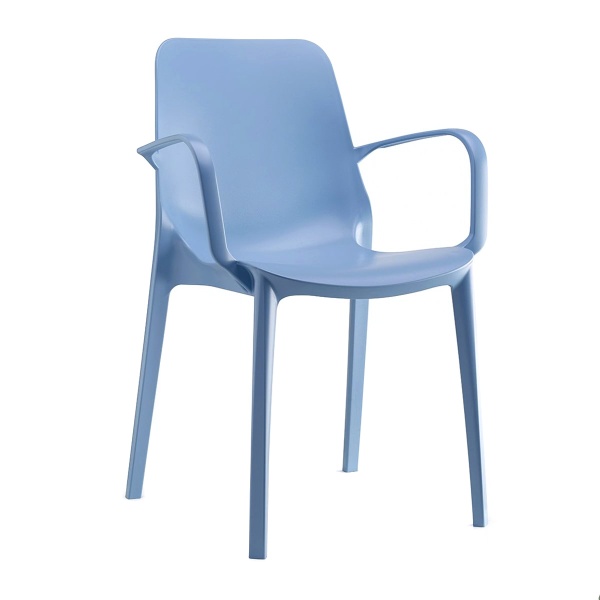
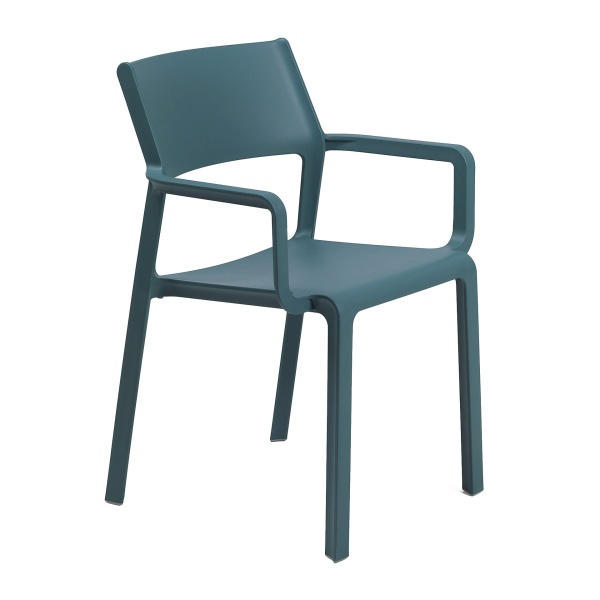
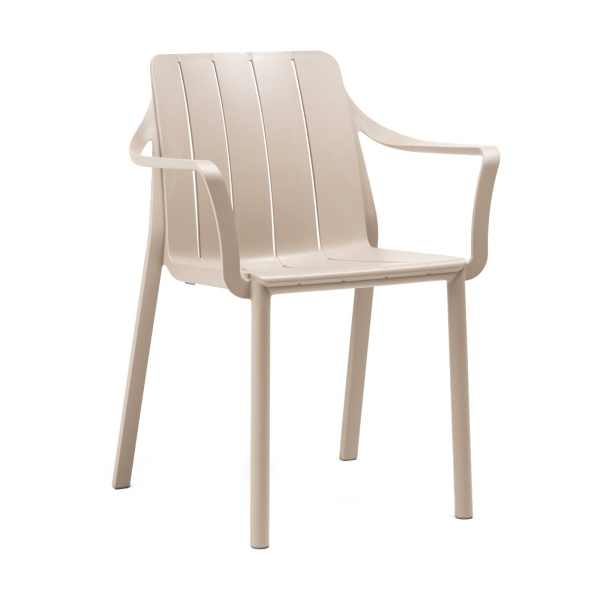
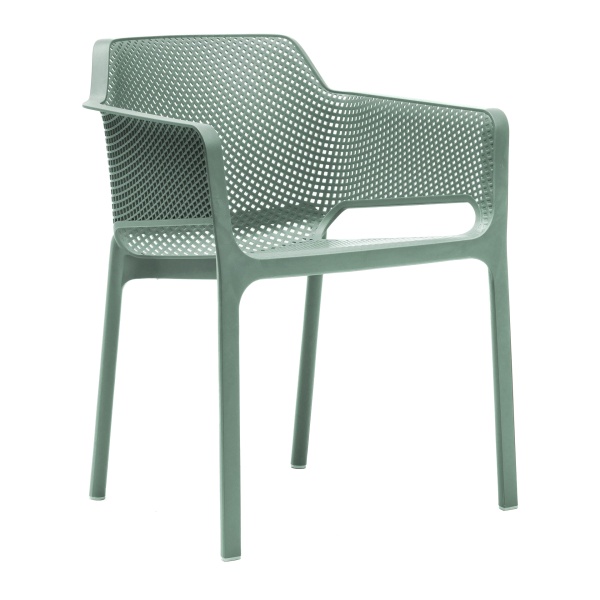
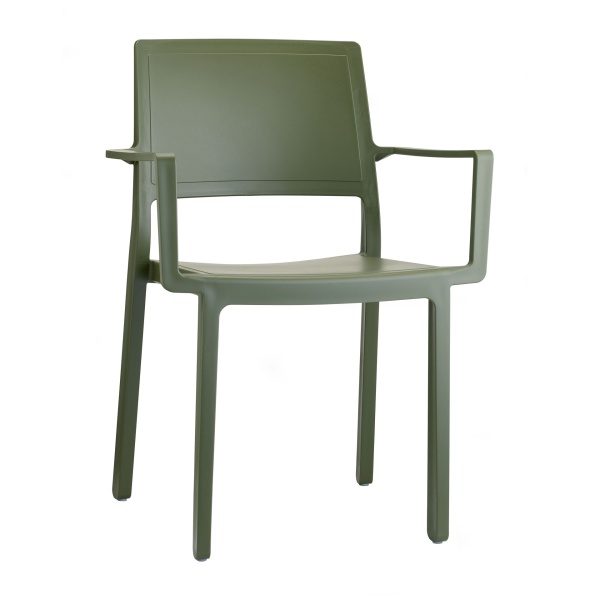
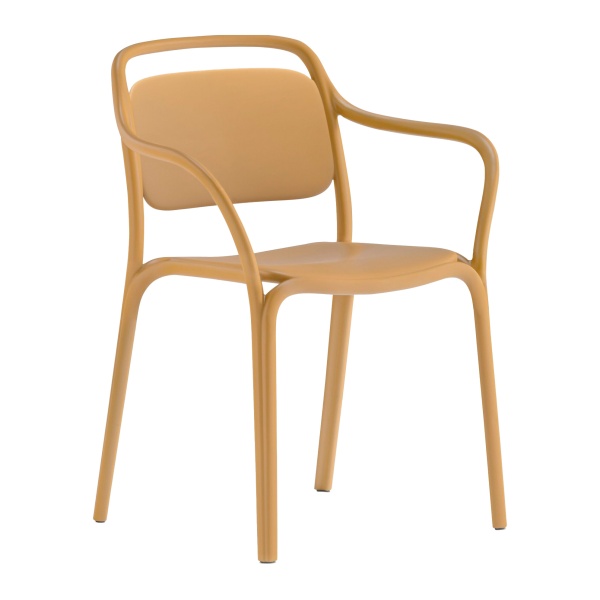
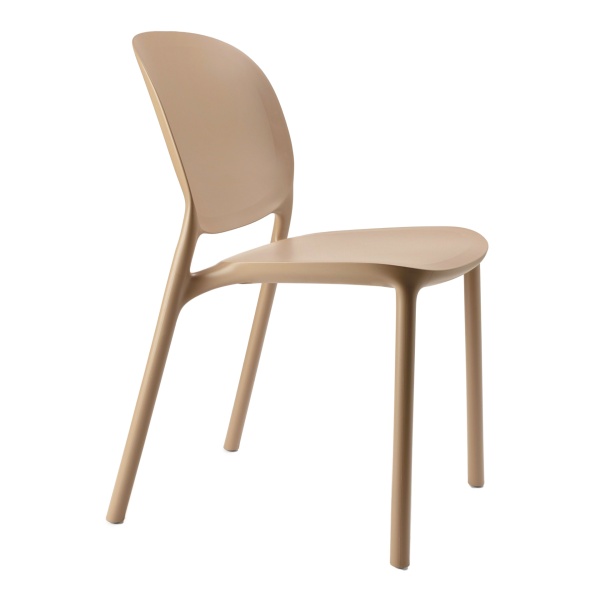
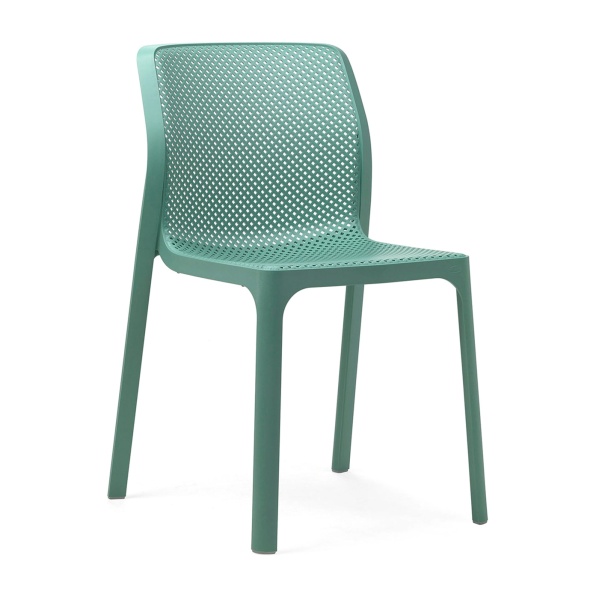
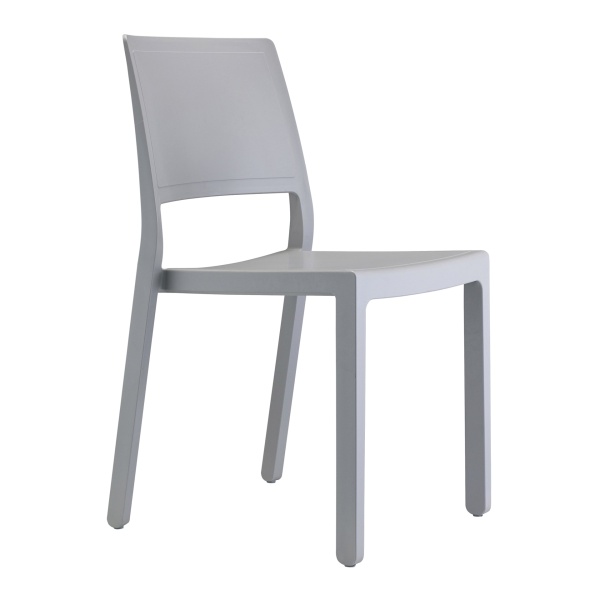
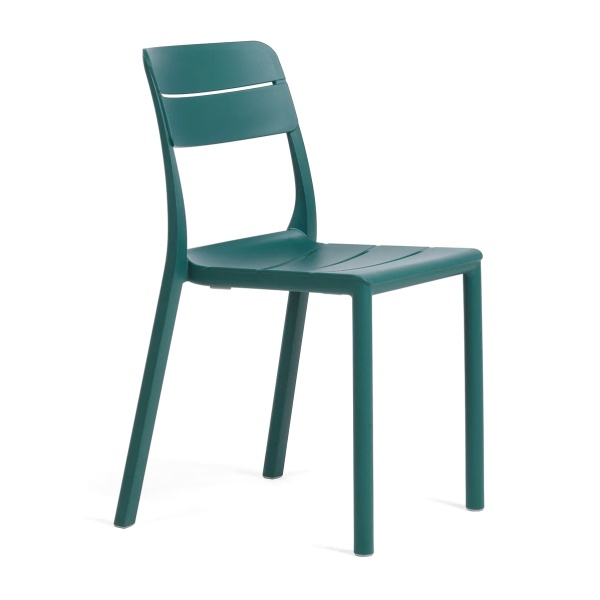
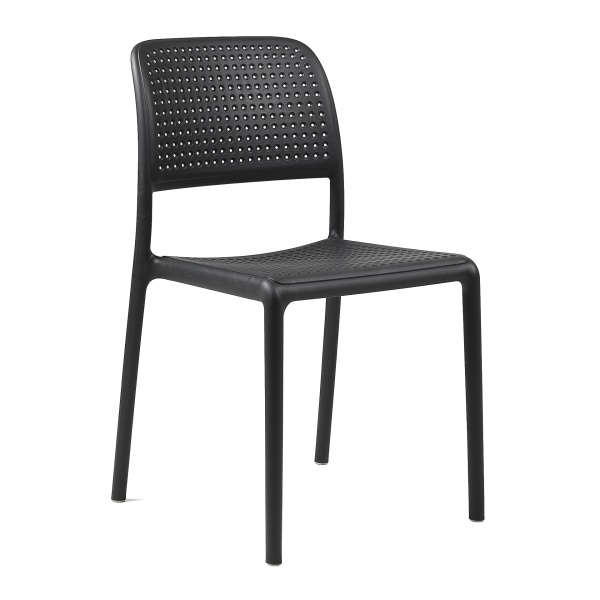
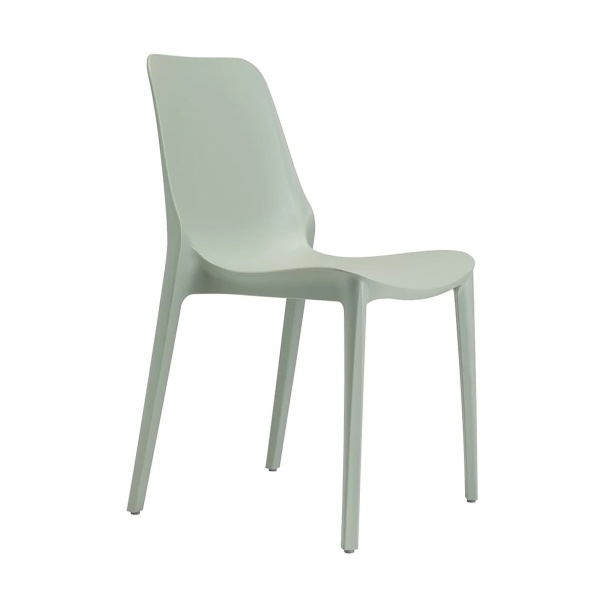
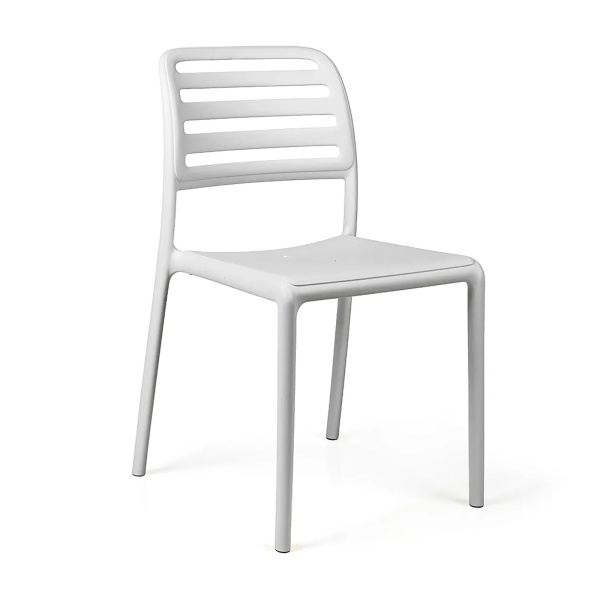
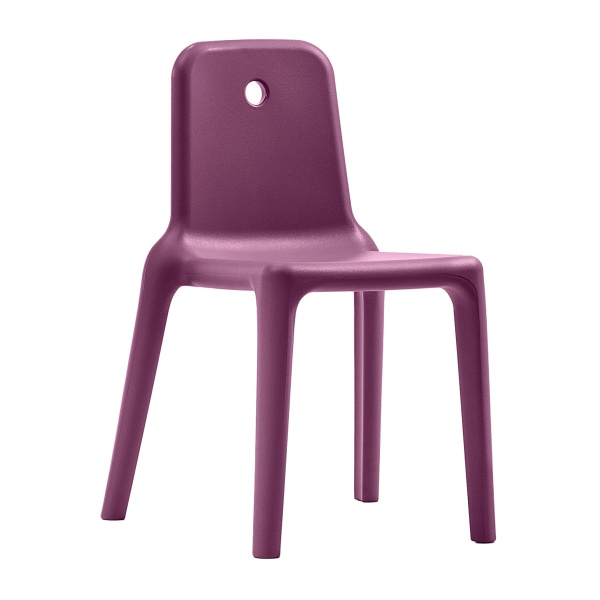
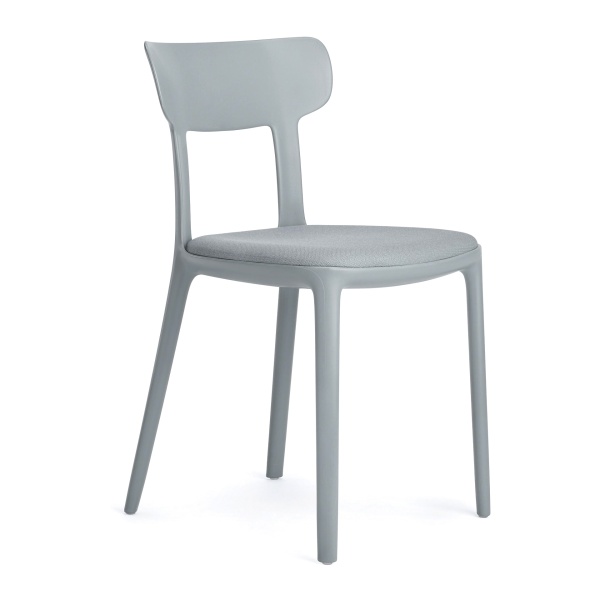
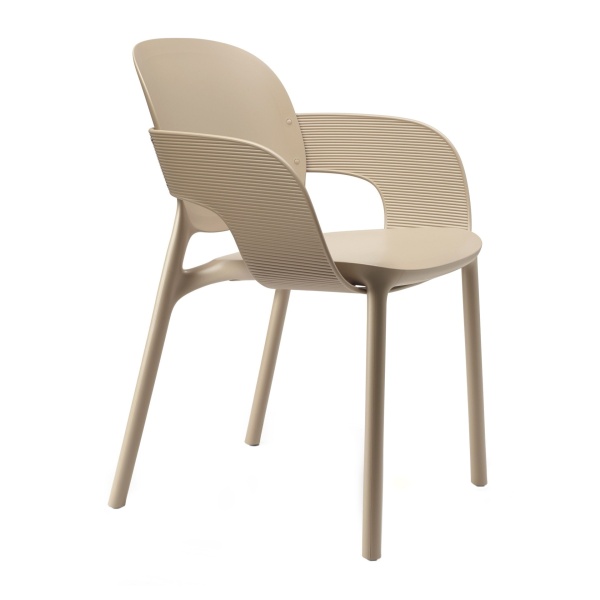
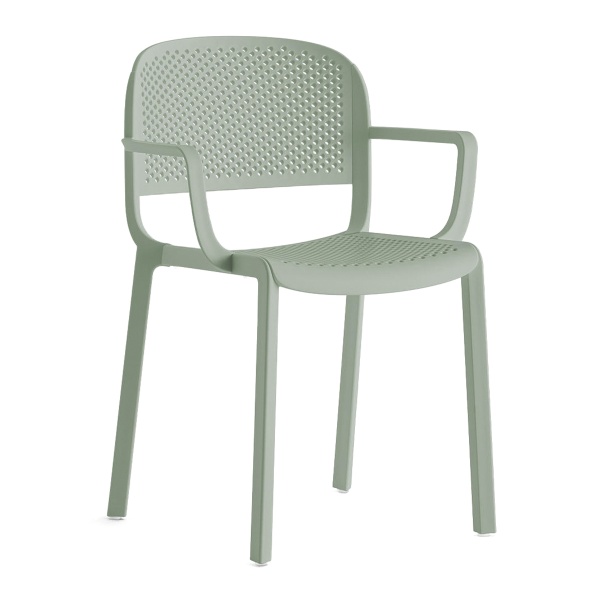
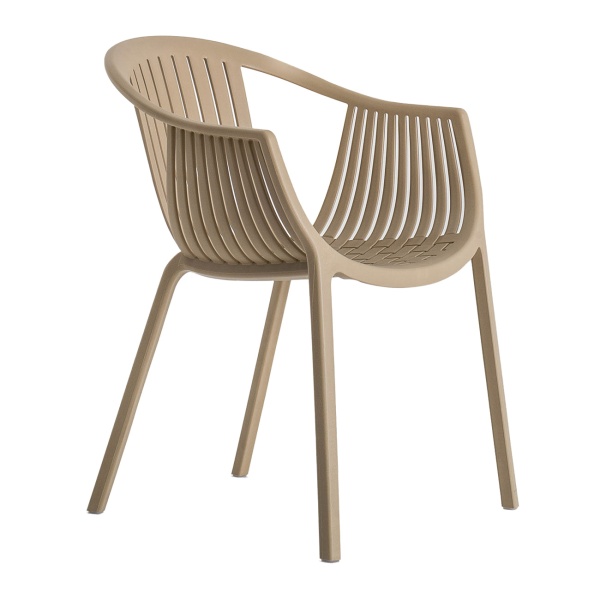
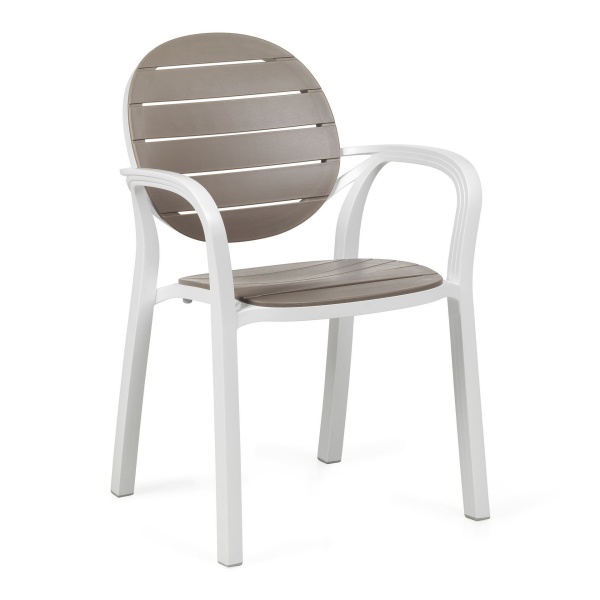
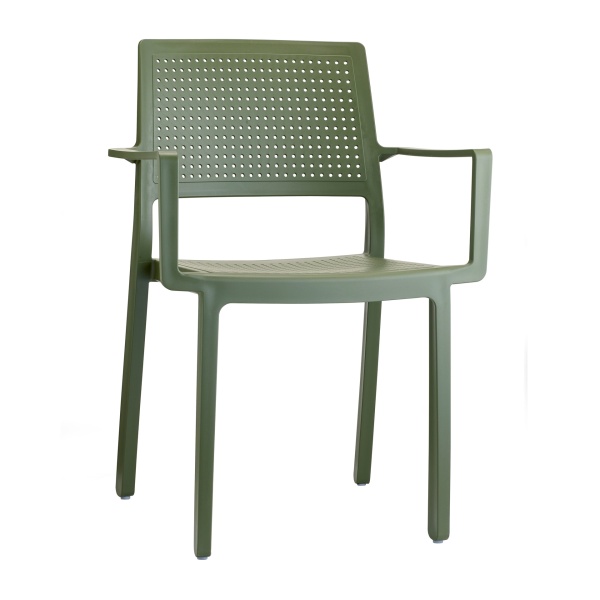
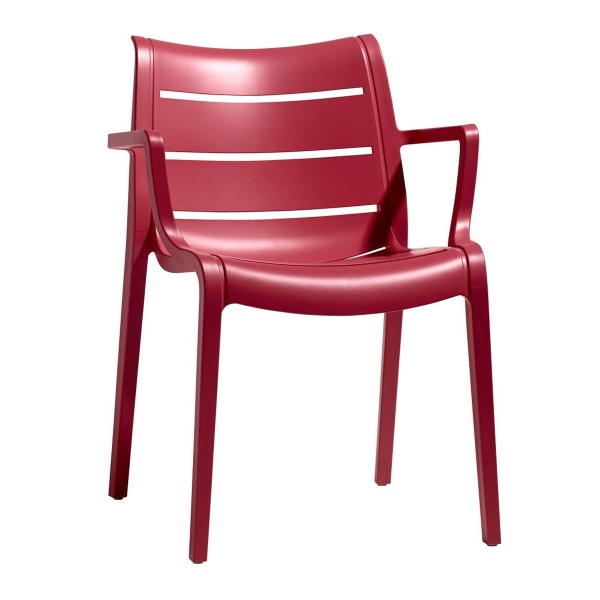
Plastic chairs for hospitality are a practical solution for venues with intensive daily use. They combine low weight, durability and easy maintenance, suit both indoor dining areas and terraces, stack easily and withstand everyday commercial use.
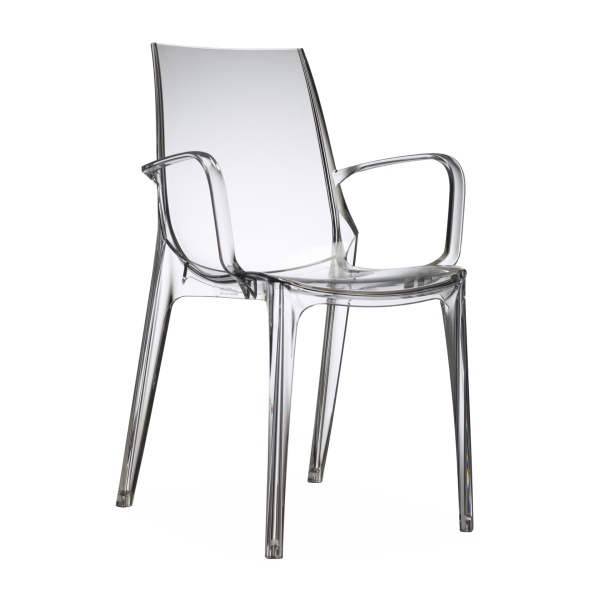
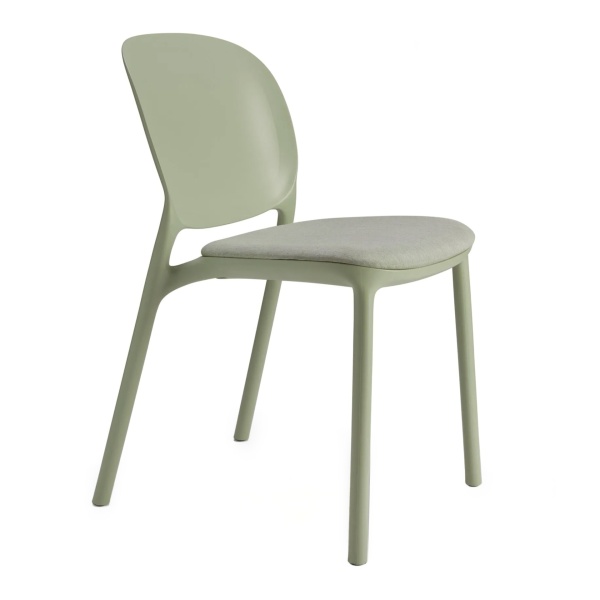
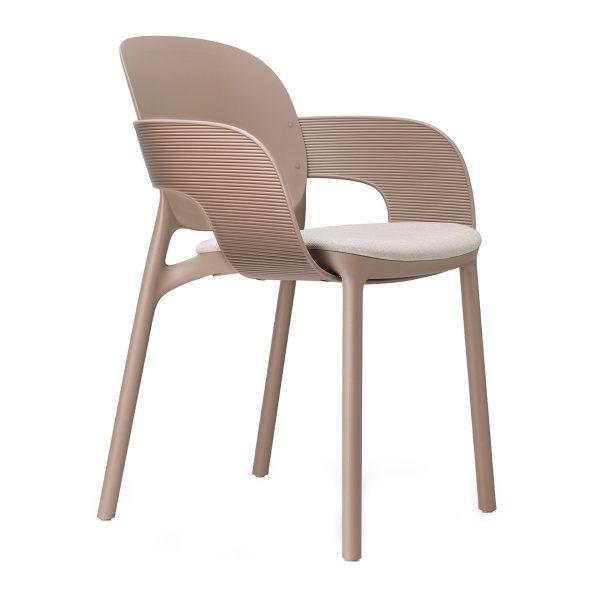
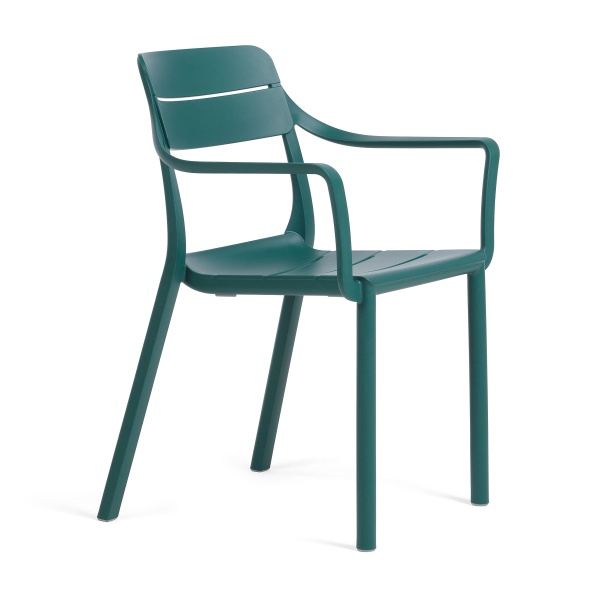
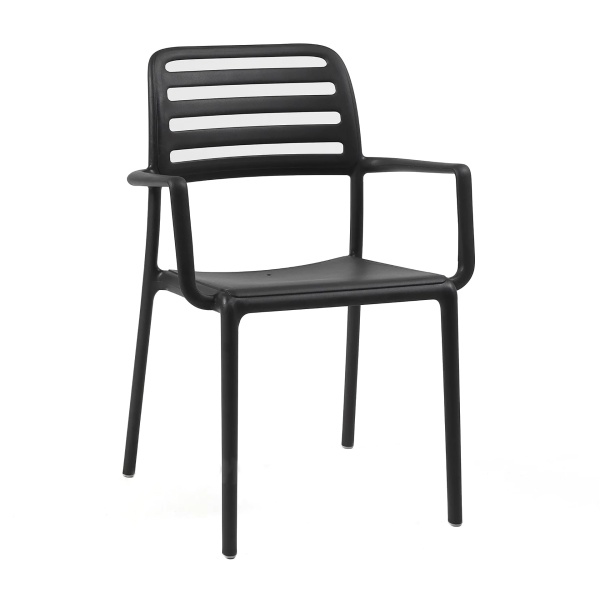
Plastic chairs for cafés and restaurants are contract-grade furniture for hospitality, designed for intensive daily use, terraces and high guest traffic. They resist moisture, are easy to clean, stack efficiently and withstand constant handling by staff. The catalogue includes models by S-CAB, Pedrali, Nardi, Plust, Lyxo and other European brands with delivery across the UK.

Within the category of restaurant chairs, plastic models have long stopped being a “cheap alternative”. Modern plastic is a technical material with UV stabilisation, fibreglass reinforcement and a service life designed for many years of commercial use. Unlike wood, plastic does not react to moisture or temperature changes, and compared with metal, it is lighter for staff to handle every day. That is why plastic chairs have become a standard choice for terraces, outdoor areas, beach clubs, food courts and venues with high seating turnover.
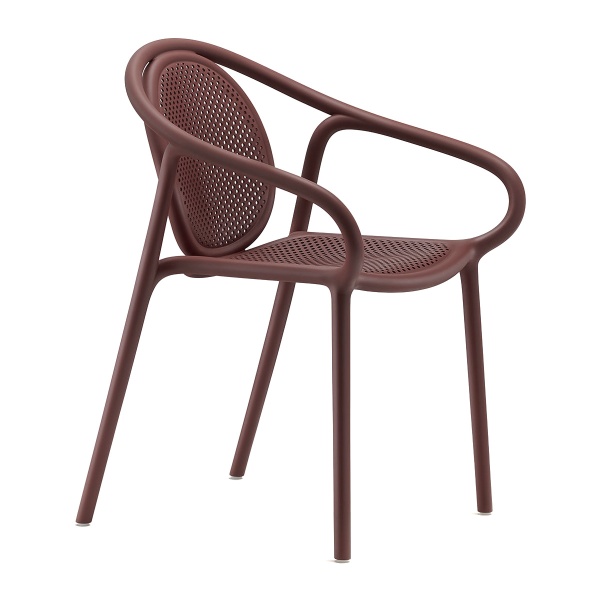
Where plastic chairs work best

A plastic chair is, first of all, an operationally efficient solution. In several hospitality formats, it has almost no competition:

  • Summer terraces of cafés and restaurants — plastic is not afraid of rain, direct sun or daily movement of furniture outdoors.
  • Beach clubs and pool areas — the material does not rust, does not overheat as critically as metal, and is easy to clean from sand, salt and moisture.
  • Coffee shops and fast casual venues — low weight allows staff to quickly change the seating layout without physical strain.
  • Food courts and high-traffic venues — plastic is easy to wash and does not require regular service maintenance.
  • Seasonal areas — stackable chairs take up minimal space in storage.
  • Outdoor concepts — especially when combined with terrace tables and terrace furniture in a unified style.

Why contract plastic is not “garden plastic”

The main mistake when choosing is to compare contract plastic chairs with cheap domestic models. The professional segment uses completely different production technologies and materials.

Most European factories use polypropylene reinforced with fibreglass. This reinforcement provides structural rigidity and stable geometry even under constant load. UV additives protect the colour from fading, while moulding technology makes it possible to create monolithic structures without weak points at the joints.

That is why modern plastic chairs for cafés can work for years on open terraces without losing their appearance. For most outdoor projects, this is no longer a compromise, but a fully developed design solution.

Plastic chairs for terraces and outdoor areas

For the outdoor segment, plastic has become one of the key materials today. The reason is simple: it combines environmental resistance, low weight and minimal maintenance costs.

Unlike metal chairs, plastic models are easier for staff to move. Compared with wooden chairs, they do not require periodic refinishing or moisture control. That is why, for summer areas, beach zones and seasonal terraces, plastic contract furniture is often the most economically justified solution.

Among the most popular brands in the contract plastic segment are S-CAB, Nardi and Pedrali. Their plastic chairs are used in restaurants, beach clubs, hotels and terraces worldwide thanks to their combination of low weight, UV resistance and commercial-grade durability for intensive use.

For a cohesive terrace or outdoor layout, plastic chairs are often combined with plastic tables in the same colour and style. This solution is especially popular for seaside cafés, pool areas, food courts and seasonal summer terraces, where low furniture weight, fast service and resistance to moisture and UV are important.

Stacking and fast space transformation

One of the main advantages of plastic chairs is stackability. Most contract models stack in piles of 4–8 units, while some outdoor models stack up to 10–12.

  • Less space required for seasonal furniture storage;
  • Fast transformation of the dining room for a banquet or event;
  • Less time spent cleaning and preparing the terrace;
  • Less physical strain on staff.

For restaurants with seasonal terraces or event-based formats, this directly affects operating costs and team efficiency.

Plastic chair design: what has changed in recent years

Ten years ago, a plastic chair was mostly associated with the budget outdoor segment. Today, the situation has changed completely. Contract plastic collections are designed by Antonio Citterio, Claudio Dondoli, Archirivolto and other designers whose models are used in restaurants, hotels and lounge spaces worldwide.

A modern plastic chair can be minimalist, soft-industrial, mid-century or even visually close to upholstered furniture. That is why such models are increasingly used not only on terraces, but also in the main dining rooms of restaurants and coffee shops.

Long-term economics of plastic chairs for hospitality

In hospitality, furniture is assessed through service life and operating costs. Contract plastic chairs provide several critical advantages:

  • minimal maintenance costs;
  • no corrosion;
  • resistance to moisture and UV;
  • low weight and fast internal logistics within the venue;
  • stackability;
  • long service life even with intensive outdoor use.

Completed projects with plastic chairs for cafés, restaurants and terraces are available in the portfolio section. For complete venue furnishing, explore the full restaurant furniture section.

Select plastic chairs for your project: tell us your venue format, number of seats, indoor or outdoor scenario and delivery city — we will prepare a commercial proposal and several options to match your budget and style.

Questions and answers

How can you tell whether a plastic chair is suitable for a restaurant, not just a terrace?

You need to assess not the material alone, but the design level, polypropylene quality, structural rigidity and seating comfort. Modern contract plastic chairs can look appropriate not only on a terrace but also in a restaurant dining room, provided the model fits the interior concept, has stable geometry and does not look like domestic garden furniture.

Which plastic chairs are best for a seaside terrace or pool area?

For areas near the sea, a pool or a beach club, it is worth choosing models made from UV-stabilised polypropylene, preferably reinforced with fibreglass. Such chairs do not rust, do not absorb moisture, are easy to clean from salt, sand and chlorine, and do not require seasonal maintenance. It is also important to check stackability, chair weight and stability against tipping in open spaces.

Can plastic chairs be combined with wooden or metal tables?

Yes, but the combination needs to be stylistically justified. Plastic chairs work well with metal, HPL and plastic tables in outdoor areas. With wooden tables, they should be used more carefully: it is better to choose models with a matt texture, complex colour or architectural silhouette so that the plastic does not look cheaper than the rest of the interior.

What matters more in hospitality: the weight of a plastic chair or its strength?

Balance is key. A chair that is too light is convenient for staff but may be unstable in wind or look insufficiently substantial. A chair that is too heavy loses the main advantage of contract plastic furniture — mobility. For cafés, terraces and seasonal areas, the best models are easy to carry with one hand while still having a rigid frame and stable seating.

What mistakes are most often made when choosing plastic chairs for cafés?

The most common mistakes are buying domestic models instead of contract-grade chairs, not checking UV resistance, ignoring stackability, choosing an overly bright colour without reference to the venue concept, and not considering compatibility with tables. In hospitality, a plastic chair should be assessed not only by price, but by service life, ease of cleaning, storage logistics and how it will look after several seasons of use.

Subscribe to our newsletter

Get the latest brand and product news in your e-mail