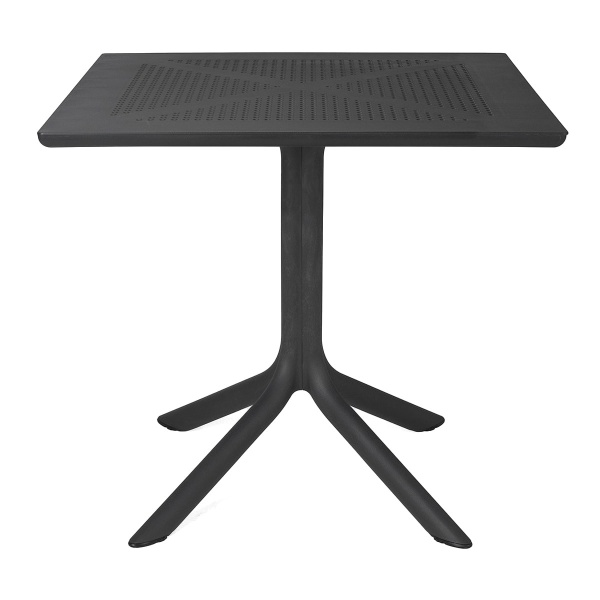
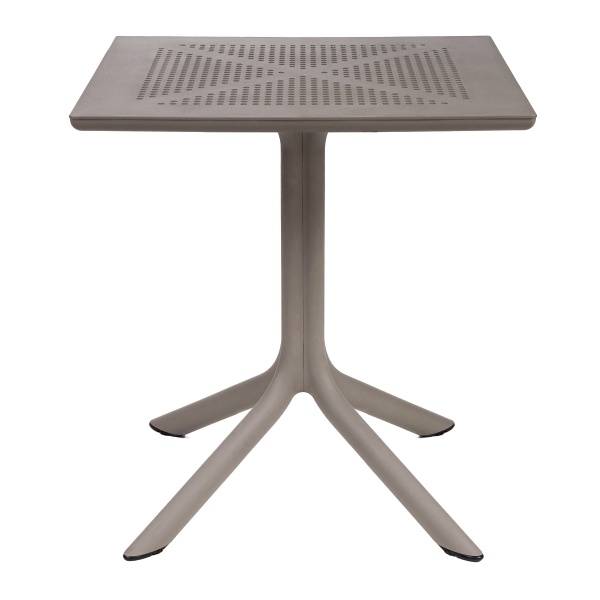
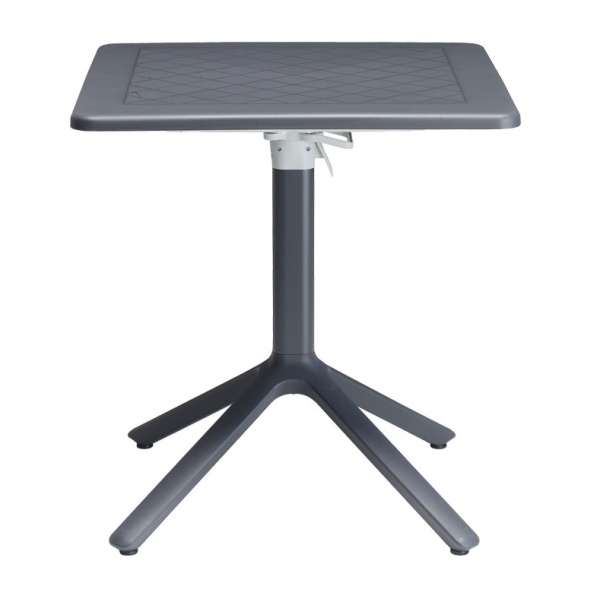
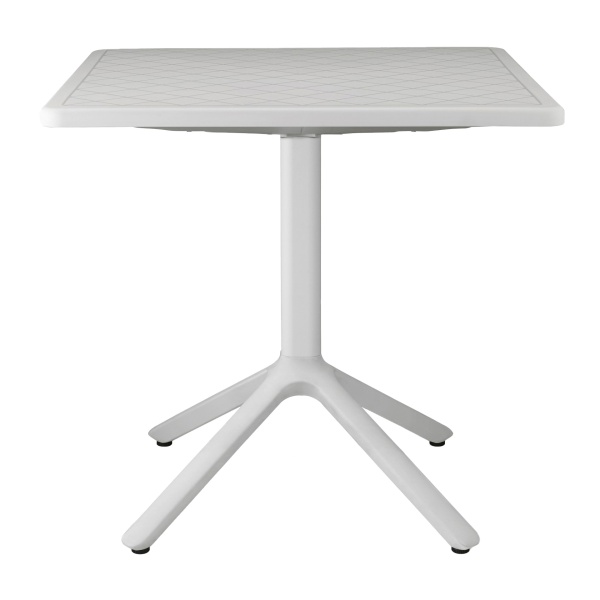
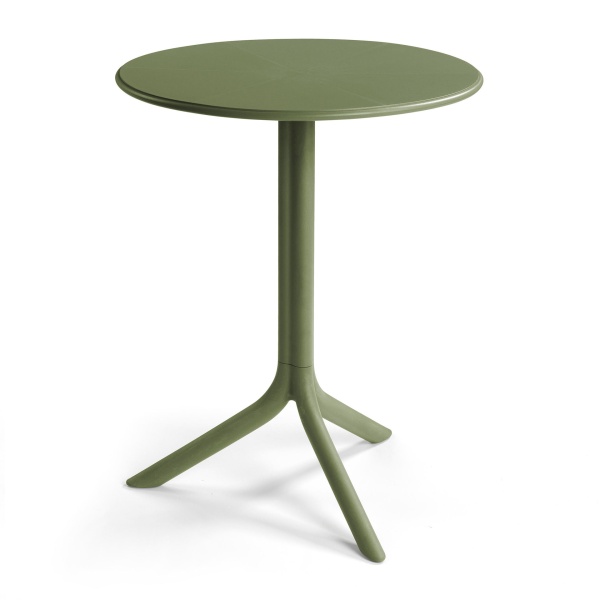
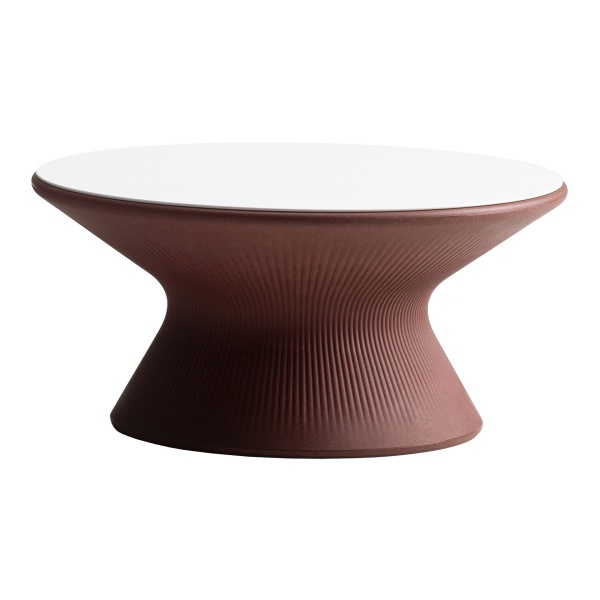
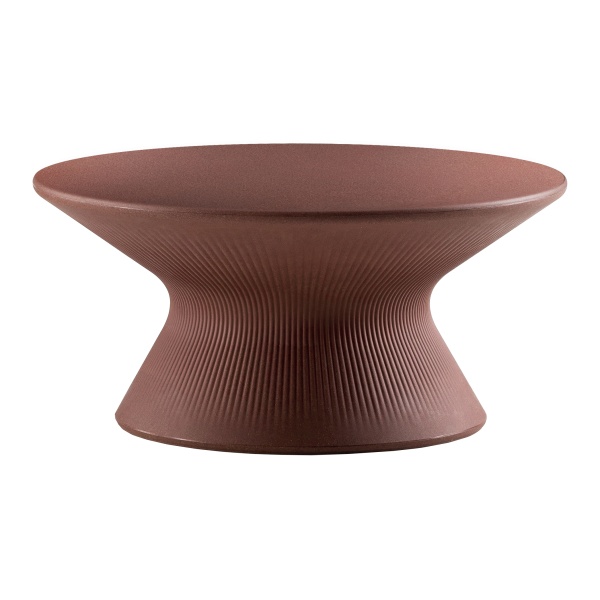
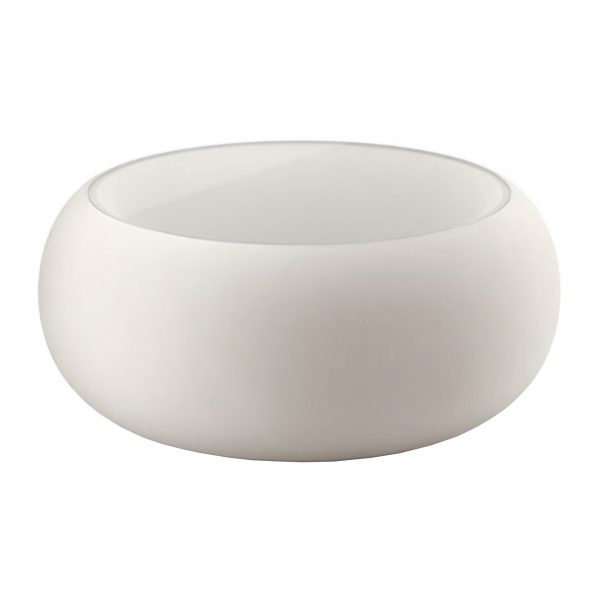
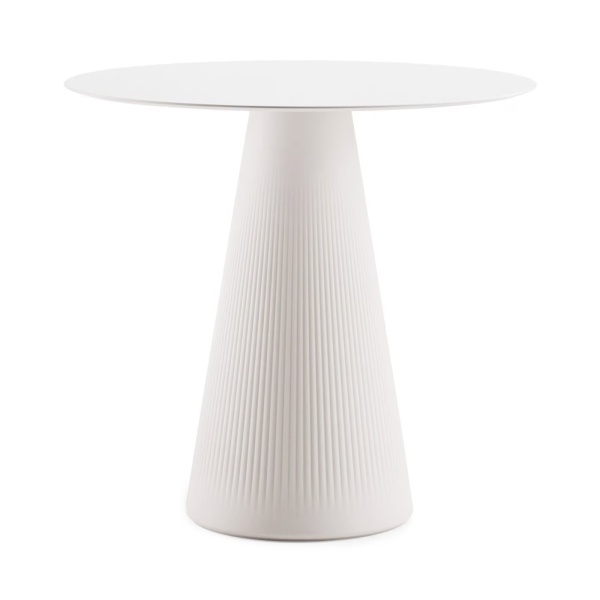
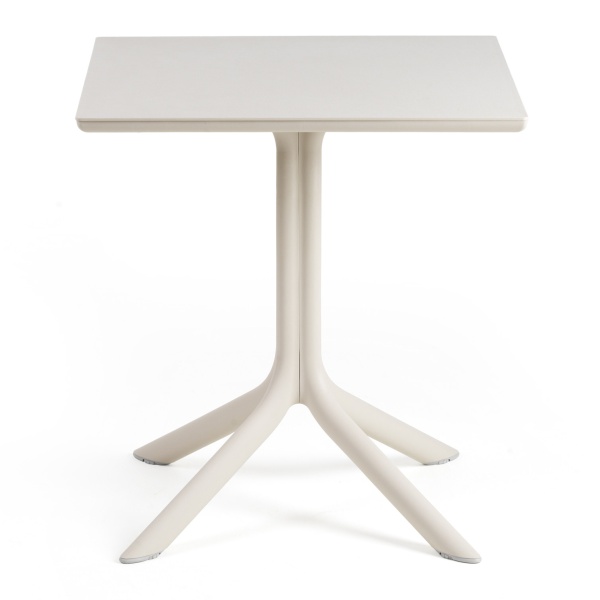
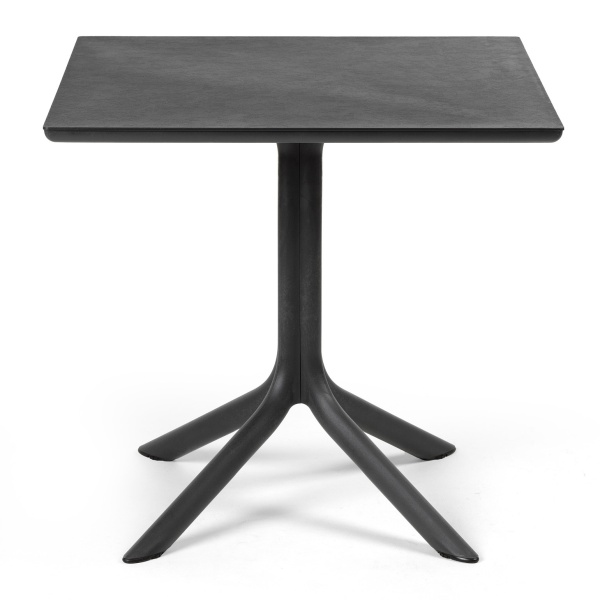
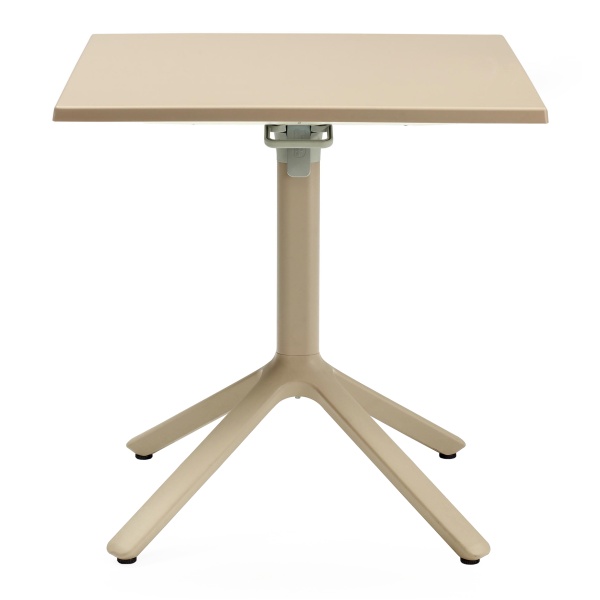
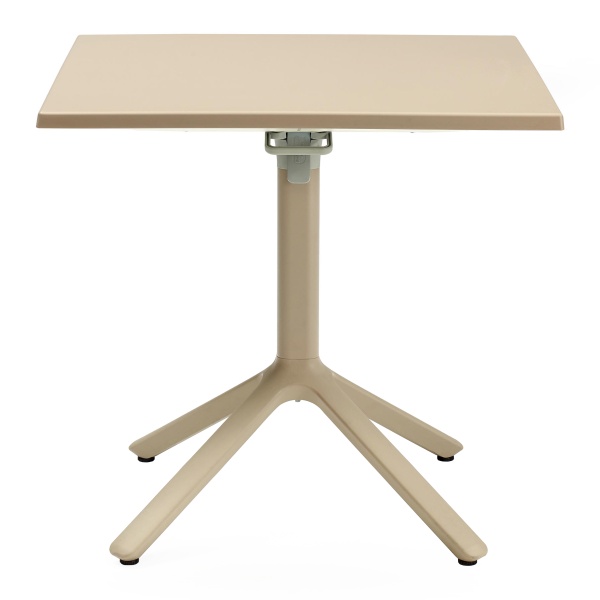
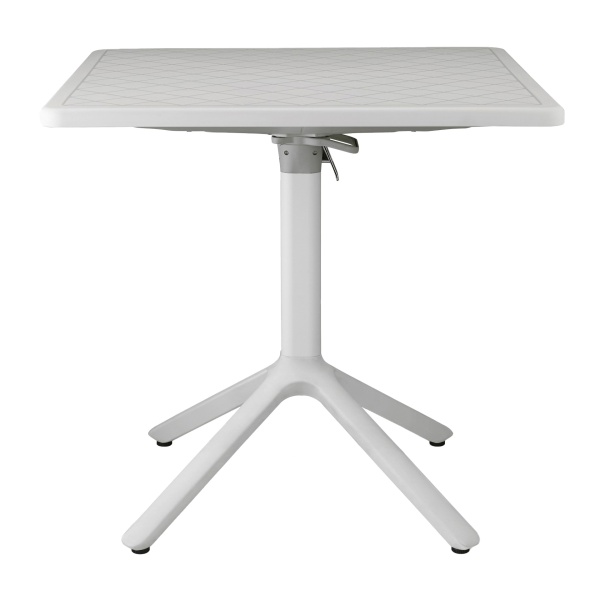
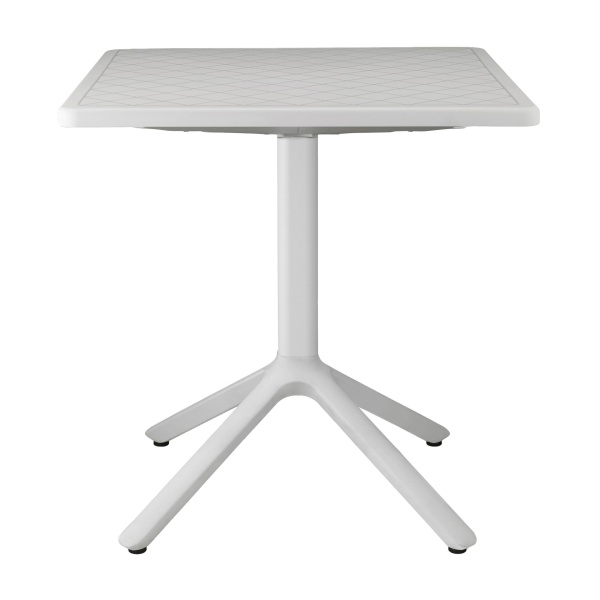
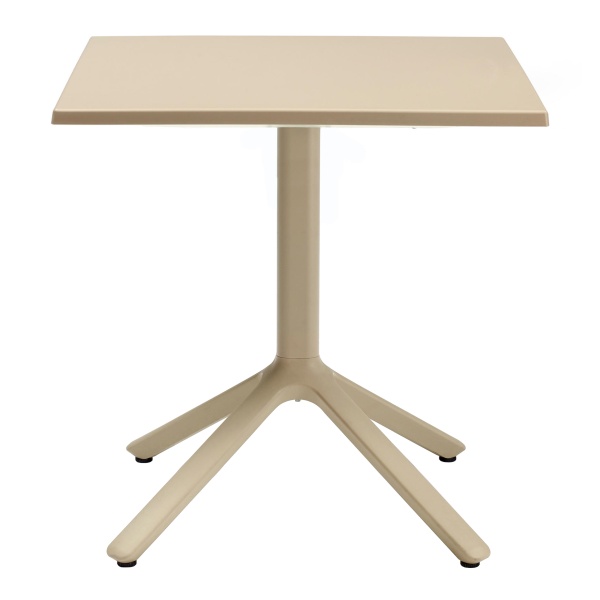
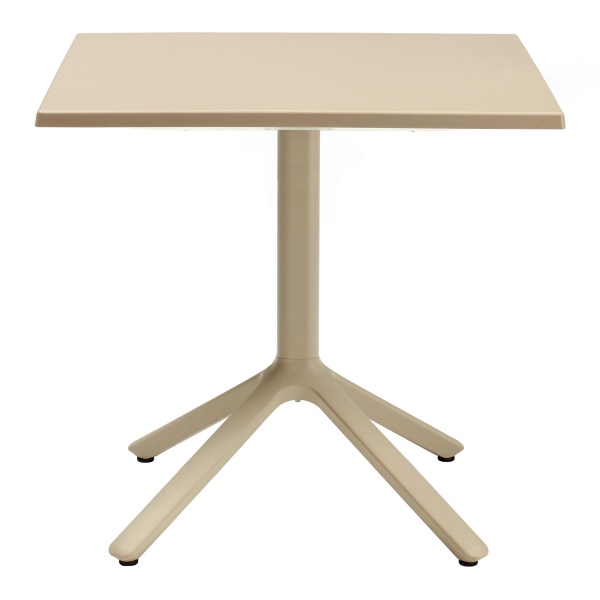
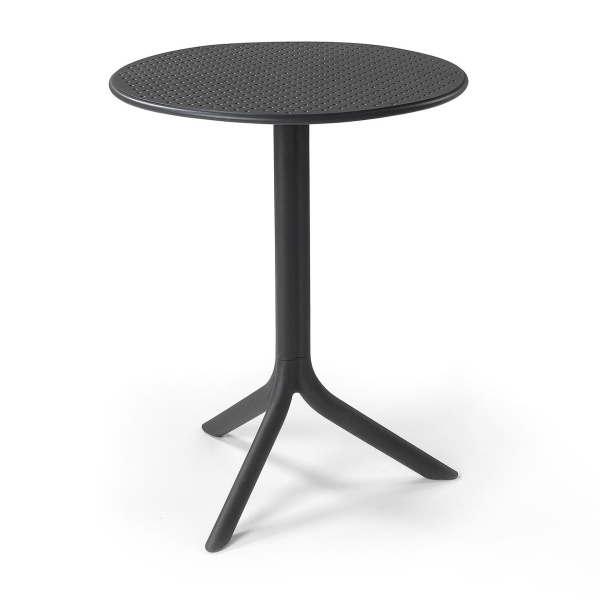
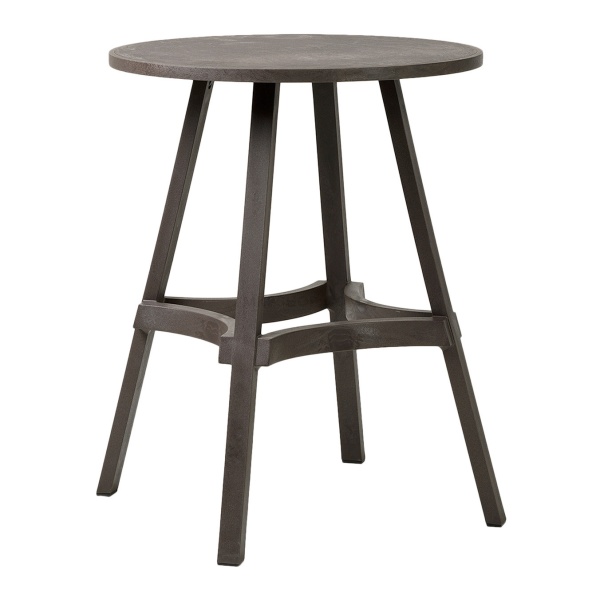
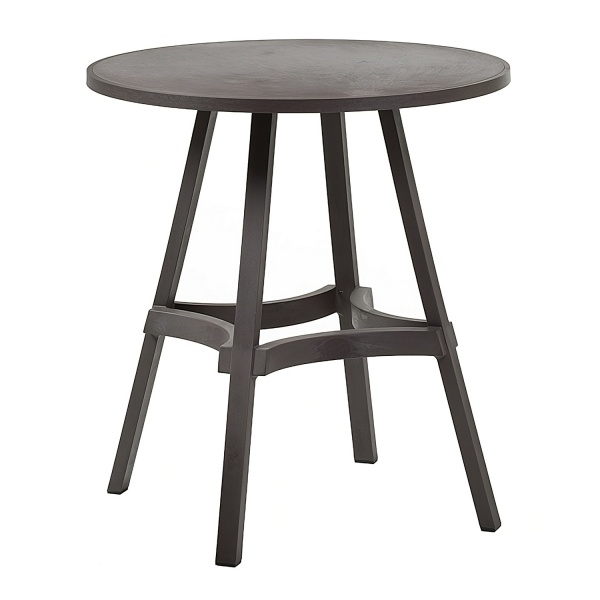
Plastic tables for cafés are practical hospitality solutions for dining rooms and seasonal outdoor areas where fast cleaning, moisture resistance and predictable day-to-day performance matter. In the contract sector, plastic is valued not for being “cheap”, but for its operational control: light weight, easy maintenance and a consistent appearance under regular service conditions.
This page focuses specifically on plastic tables for cafés as a practical hospitality solution centred on maintenance, mobility and daily use. If you need a broader comparison with other materials or want to select tables for a specific venue format, visit the tables and components section, where the main table types for restaurant and café interiors are gathered in one place.
Plastic tables for cafés are contract-grade hospitality tables made from polymer materials (PP/polycarbonate/composites), designed for fast service and easy maintenance. They suit intensive use, higher-moisture areas and seasonal formats where mobility and surface resistance to regular cleaning are essential.
Within seating planning, they most often work as a more utilitarian alternative to classic dining tables, where service speed, ease of maintenance and control of operating costs take priority.
When plastic tables are the right choice for a café
- Fast-paced formats — coffee shops, food courts and compact dining rooms with frequent layout changes;
- Seasonal outdoor areas — humidity, changes in temperature and sun exposure;
- Venues with frequent cleaning — where the surface must cope well with moisture and everyday cleaning products;
- Seasonal and event locations — where mobility, low weight and fast set-up matter.
Practical benchmark:
If your venue depends on frequent cleaning, regular rearrangement and continuous service flow, a plastic table will often outperform heavier alternatives in day-to-day logistics and maintenance — provided the material and construction are selected for contract hospitality use.
Which materials are used
Restaurant furniture uses different polymers and composite materials. It is important to look not only at the material name, but also at the table construction: thickness, rigidity, base type and the actual use scenario.
- Polypropylene (PP) — a lightweight and practical material widely used in hospitality for its ease of maintenance;
- Polycarbonate (PC) — a stronger and more design-led option, often used where appearance matters alongside durability;
- Composites — reinforced materials intended for higher loads and improved structural stability.
In hospitality, the key issue is not which plastic is cheaper, but whether the table can withstand daily service conditions: cleaning, repositioning, contact with moisture and a stable operational load.
Advantages of plastic tables in daily use
- Easy maintenance — quick cleaning without complex procedures or specialist products;
- Moisture resistance — especially useful for outdoor areas and venues with frequent washing down;
- Mobility — tables are easier to move, quicker to use for zoning and simpler to adapt to guest flow;
- Consistent appearance — when the right material and construction are specified;
- Budget control — a practical way to equip a venue without sacrificing usability.
What to check before buying:
1) whether the table remains stable on the floor; 2) how the surface performs under daily cleaning; 3) whether the material suits your intended use; 4) whether the same model can be reordered later.
What to look at when choosing a plastic café table
- Stability — base type, levelling and absence of wobble;
- Surface quality — resistance to scratches, everyday cleaning chemicals and ease of maintenance;
- Geometry and size — suitability for two- or four-seat layouts and staff circulation routes;
- Use scenario — indoor dining room, seasonal outdoor area or mixed operation;
- Logistics — weight, ease of movement, storage and assembly speed.
Who this category is for
- owners of cafés and coffee shops with a high turnover of covers;
- venues with seasonal outdoor seating and flexible trading formats;
- operations managers who prioritise cleaning efficiency, mobility and service consistency;
- designers and architects selecting practical solutions for a real operating scenario and defined budget.