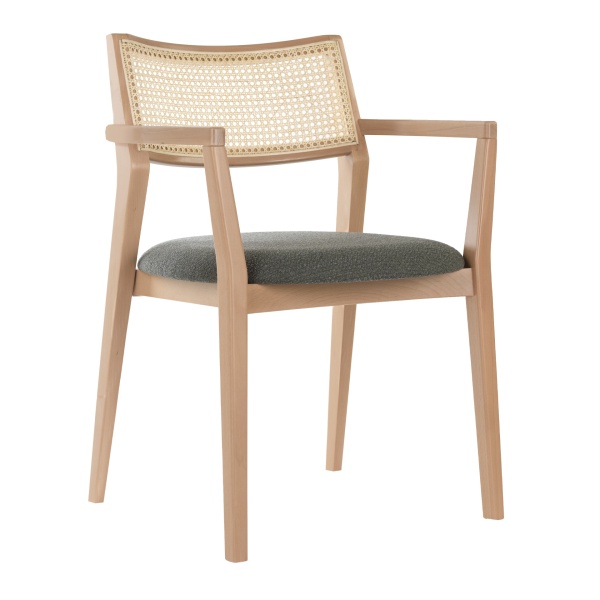
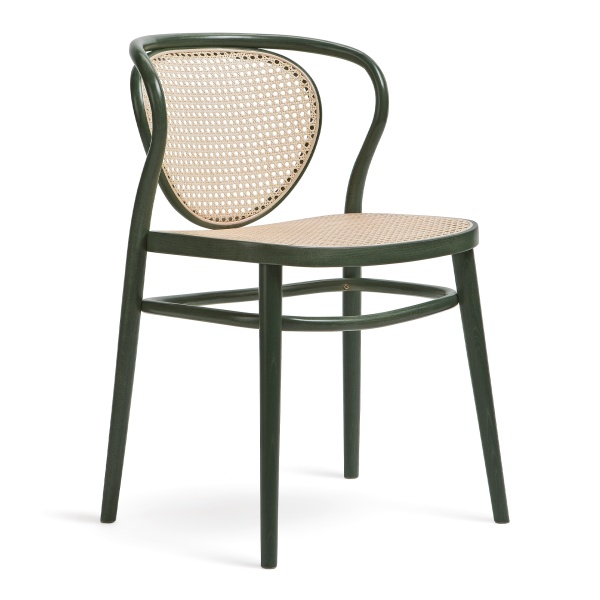
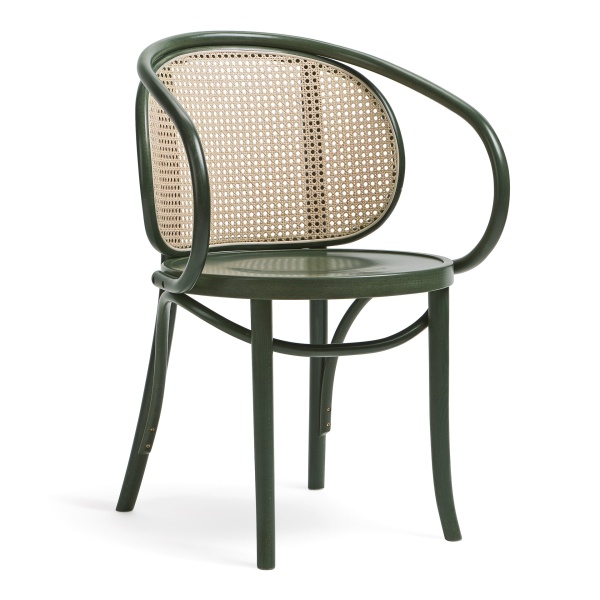
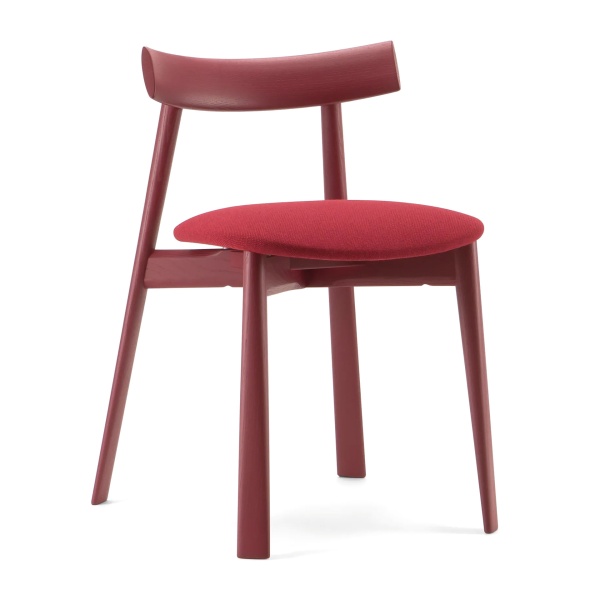
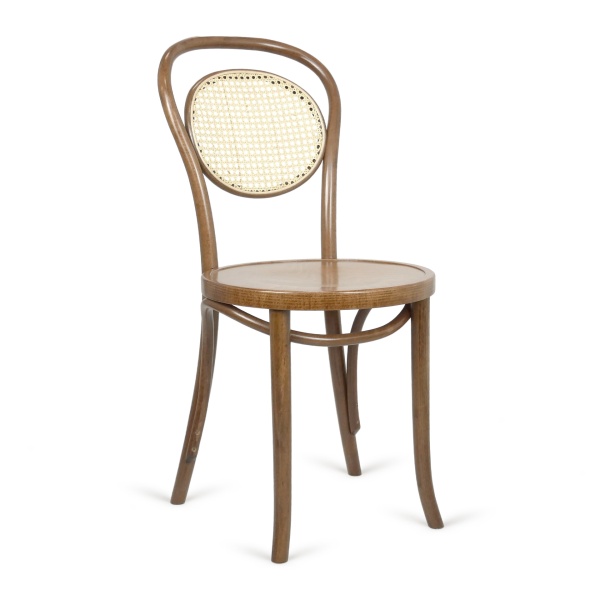
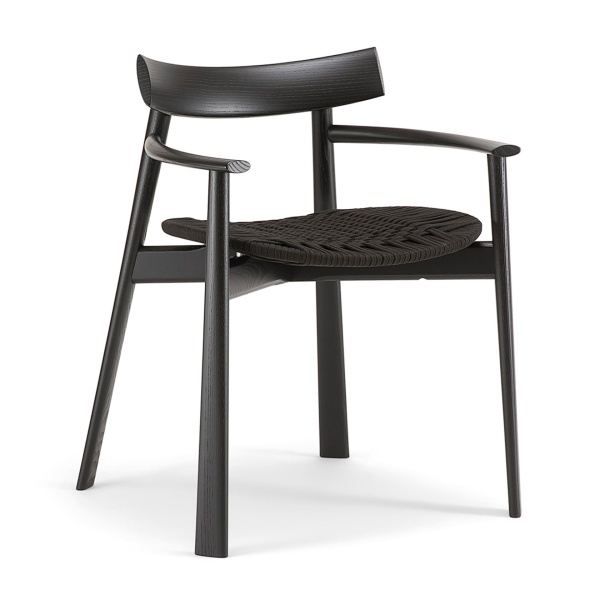
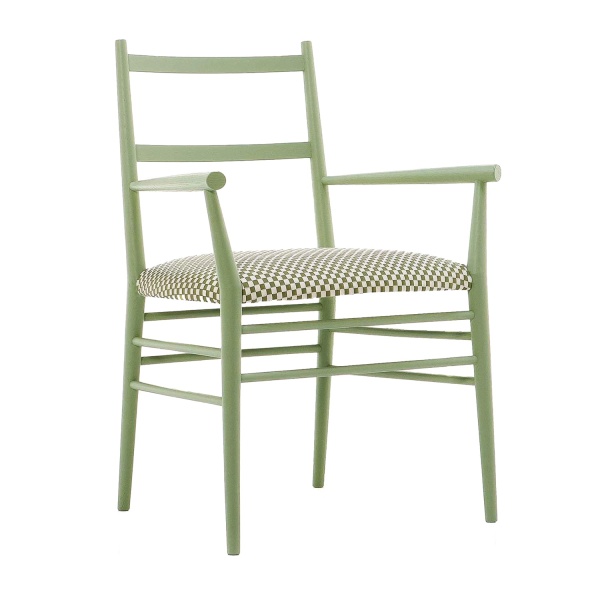
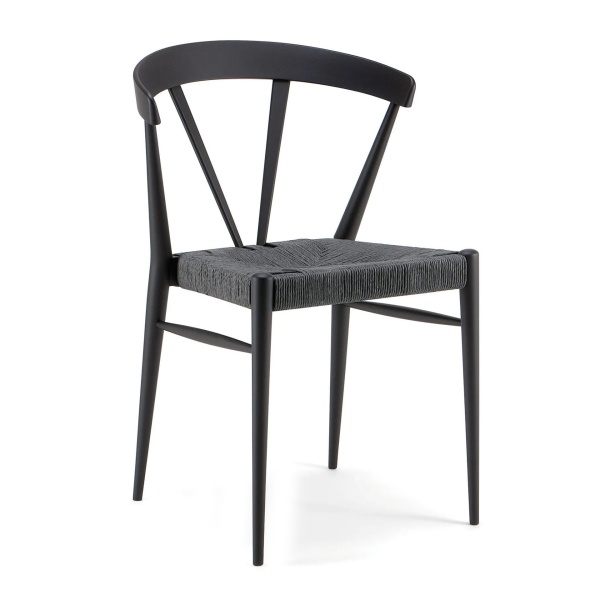
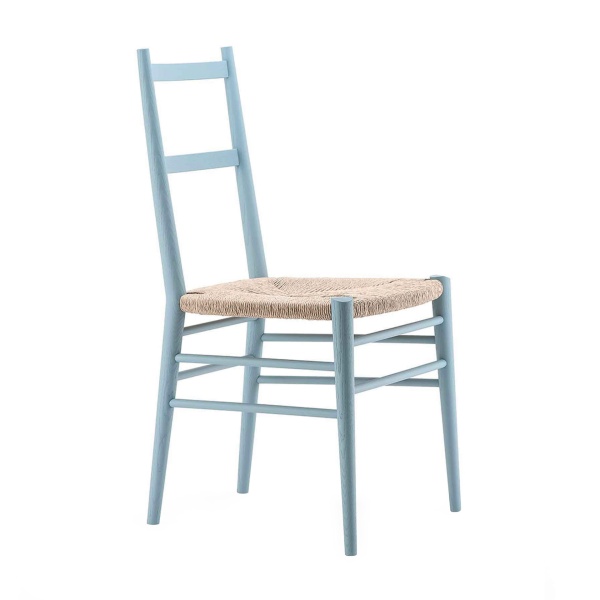
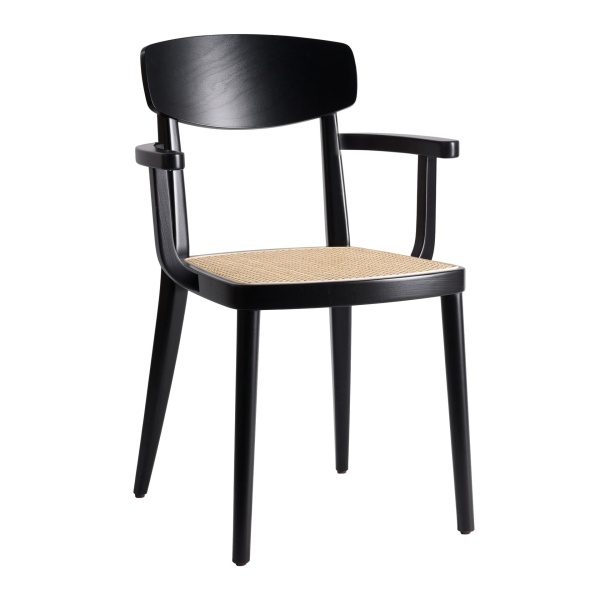
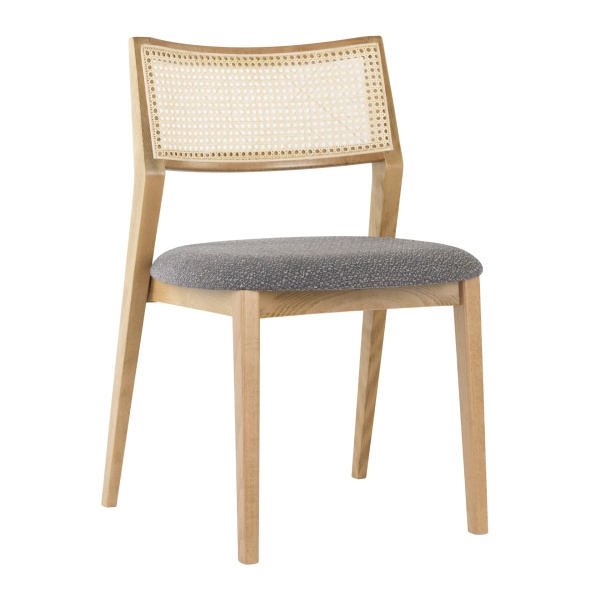
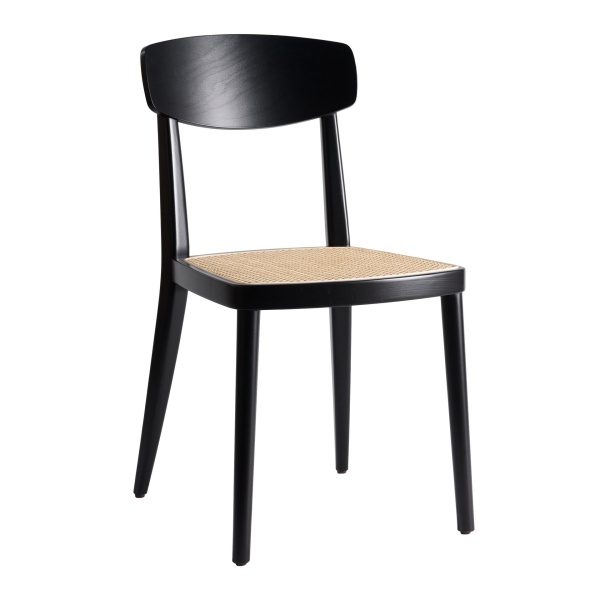
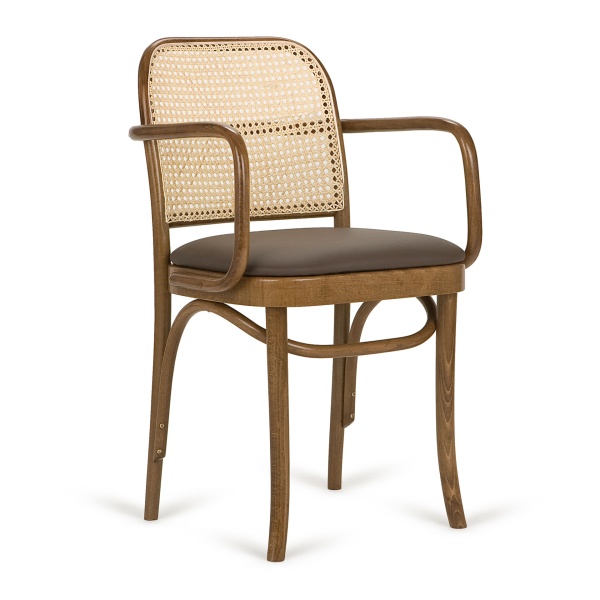
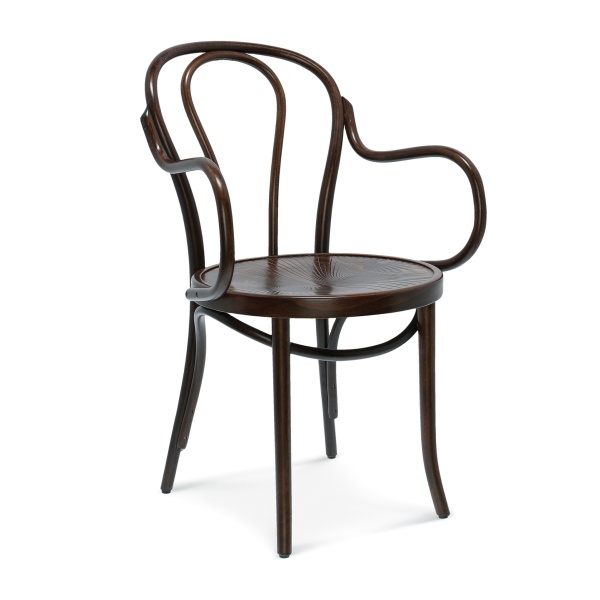
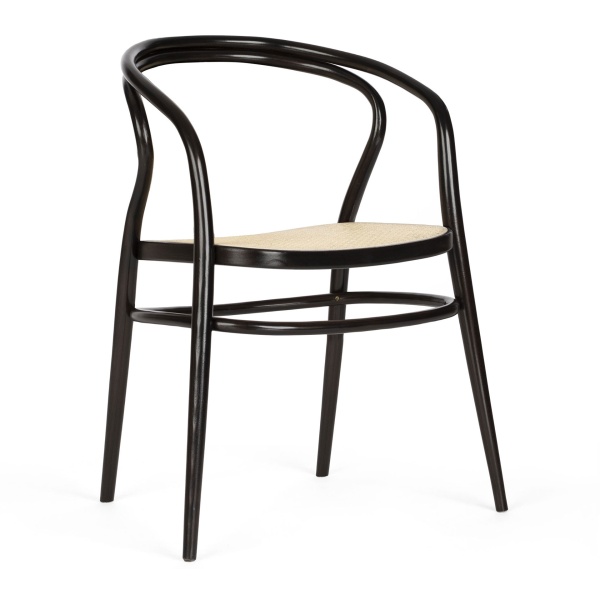
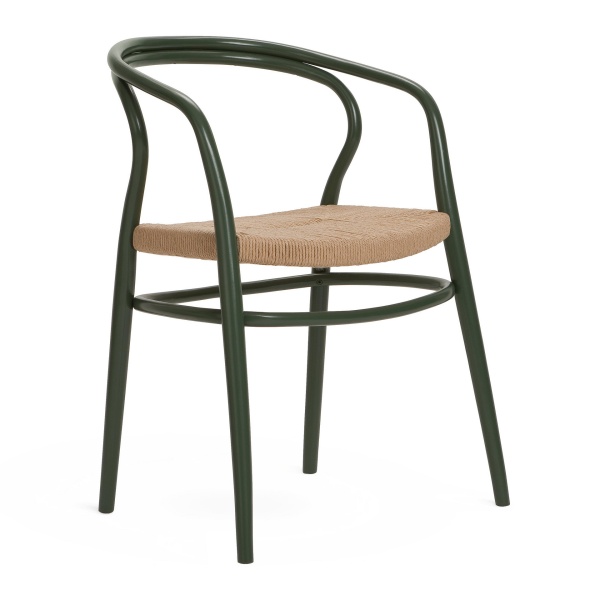
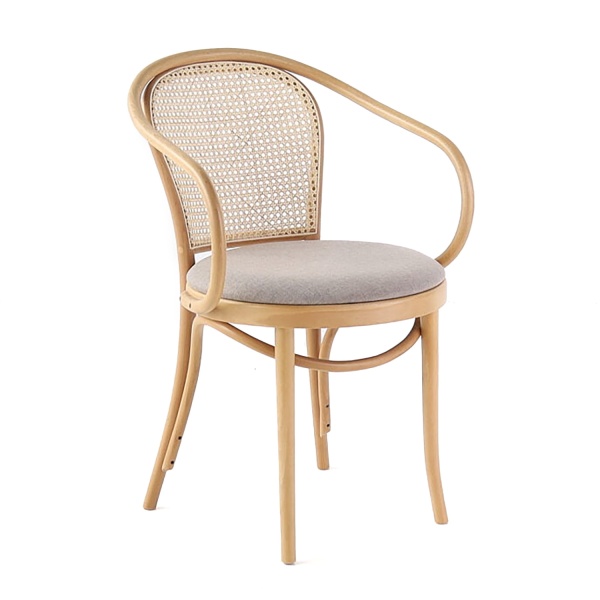
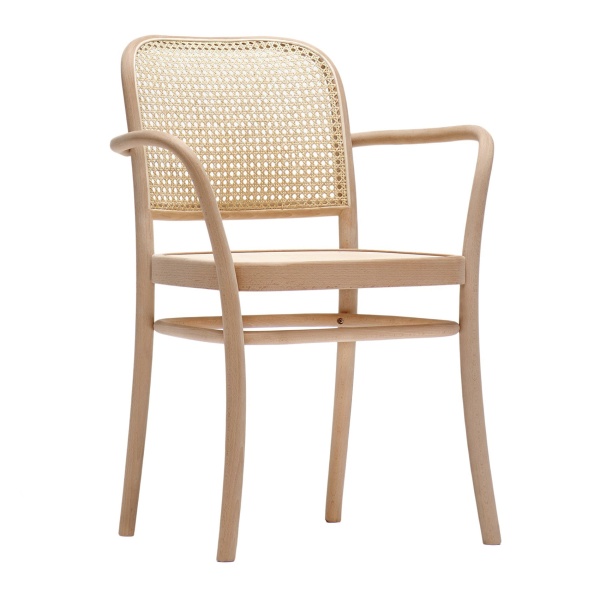
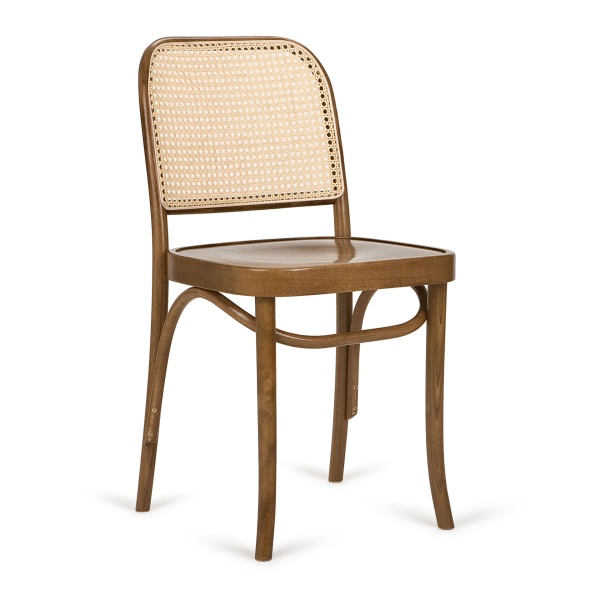
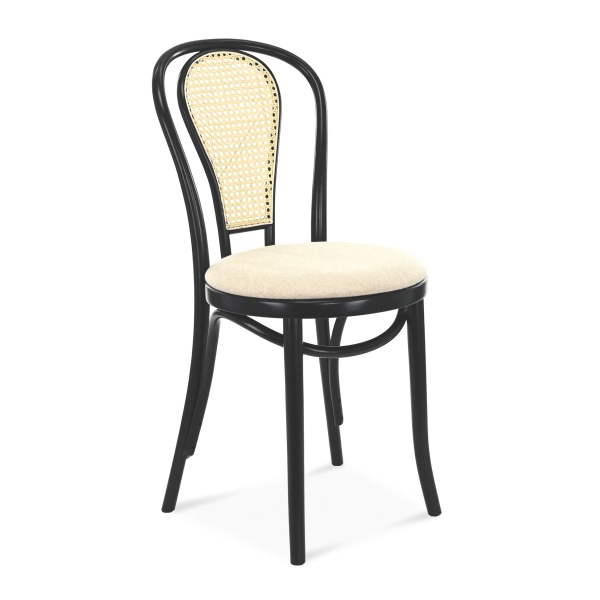
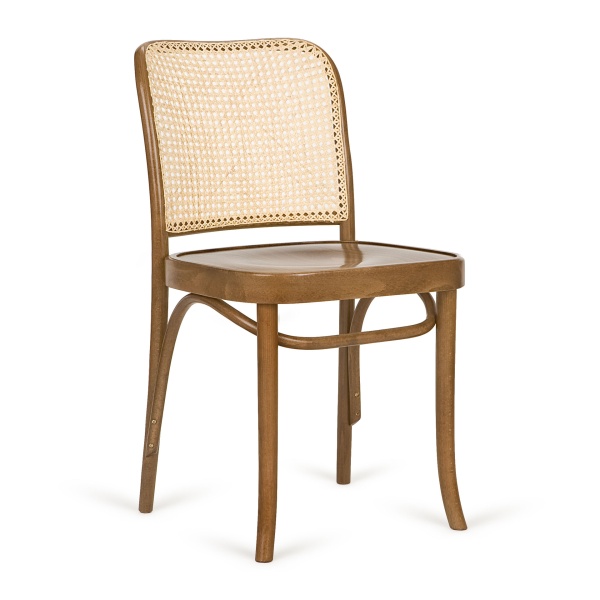
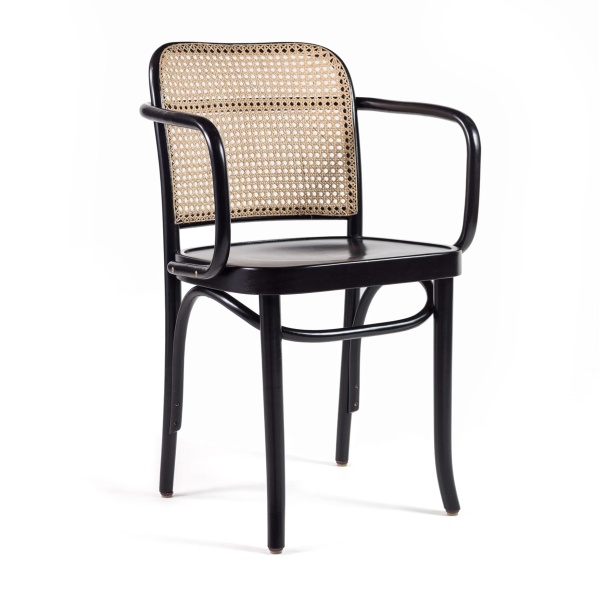
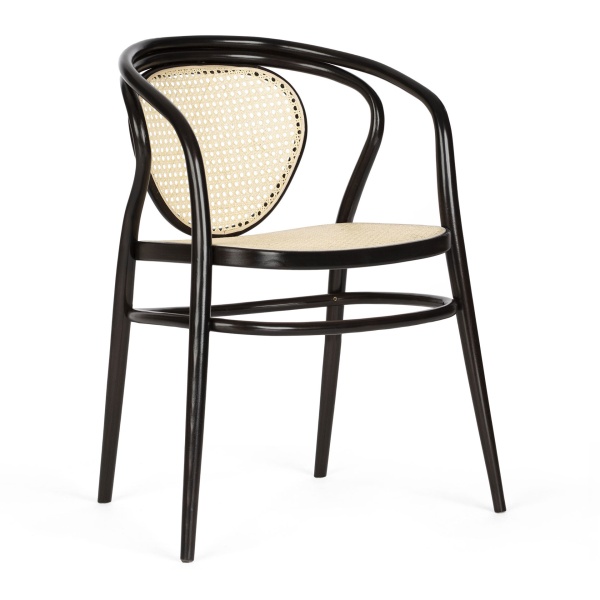
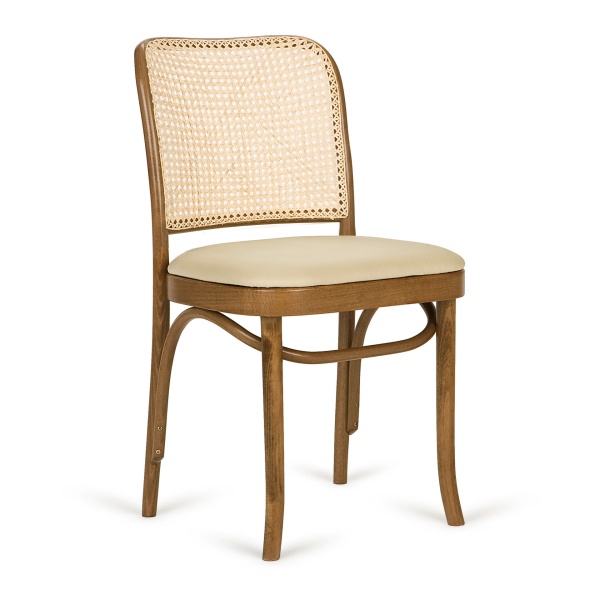
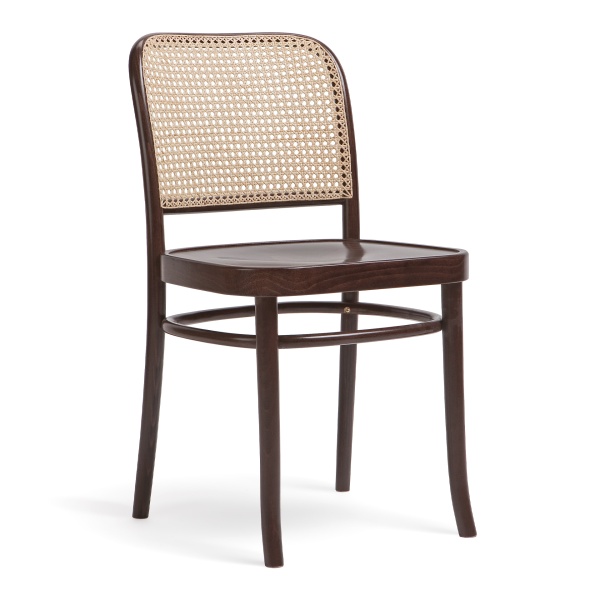
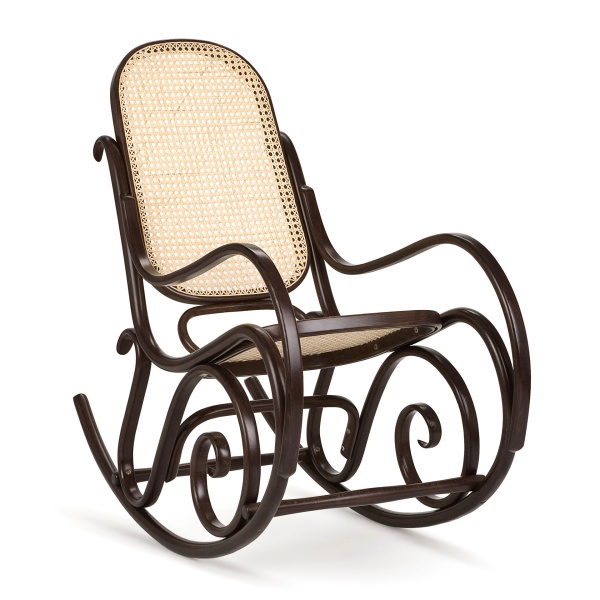
Cane chairs are contract hospitality models combining distinctive aesthetics, visual lightness and comfort for longer seating. Thanks to the woven insert, the backrest breathes better, while the interior gains a warmer, deeper and more premium visual expression. These chairs are most often specified for restaurants, wine bars, boutique cafés and spaces where furniture must contribute not only to function, but also to atmosphere.
Within the segment of restaurant chairs, cane models occupy a distinct niche between classic references and contemporary hospitality design. They do not read as incidental décor: in a well-composed project, such chairs define the character of the room, reinforce the concept and help distinguish the venue from more generic mid-market interiors.
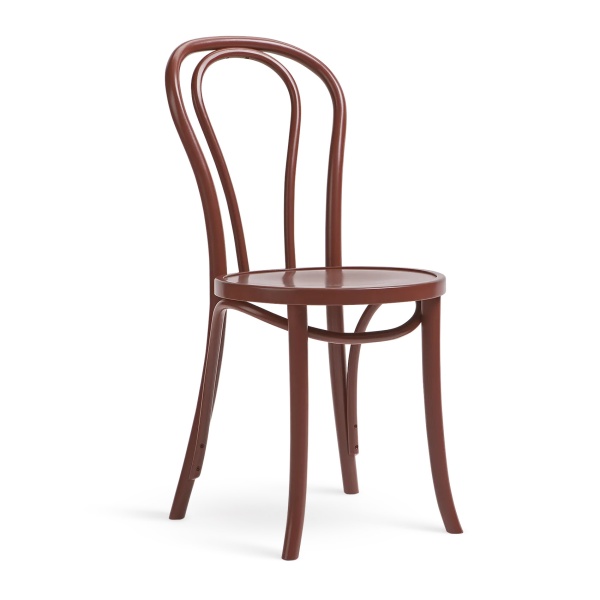
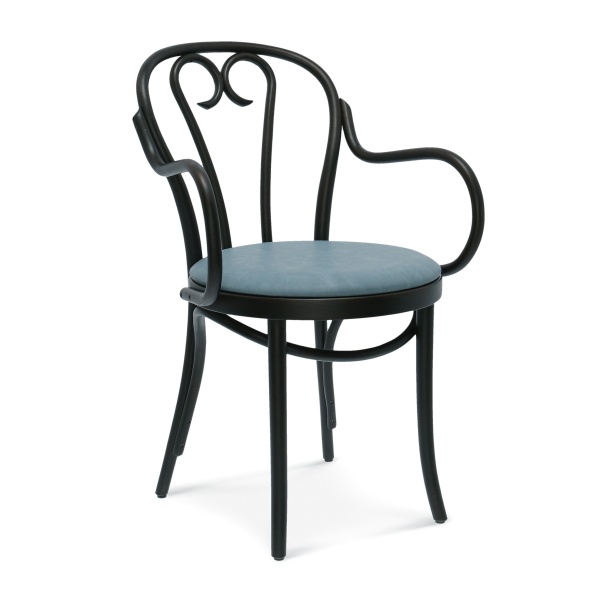
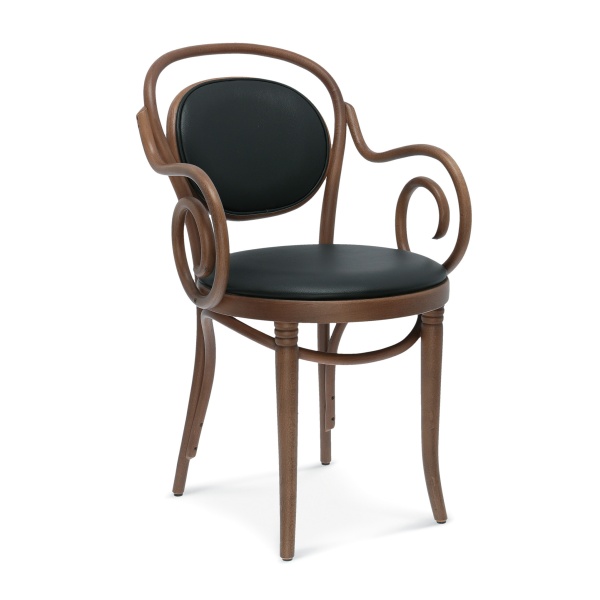
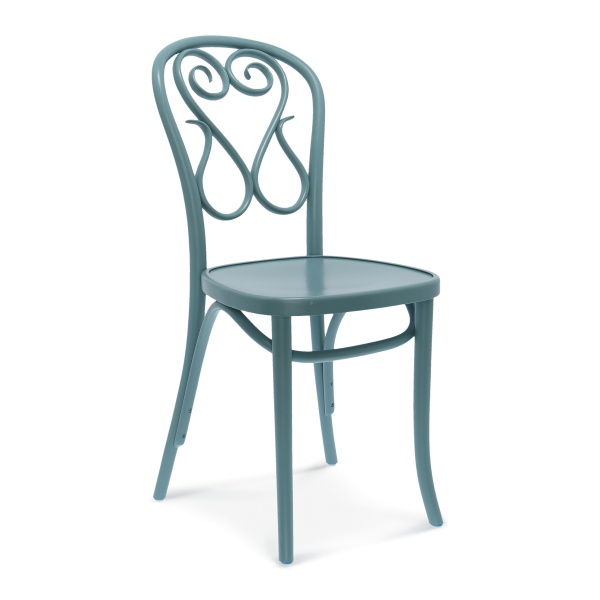
Stylistically, they pair naturally with Bentwood chairs, creating cohesive spaces in Paris café, brasserie, mid-century or contemporary European classic schemes. In projects with mixed seating formats, they can also be combined with bar stools, while preserving a consistent visual and material language across the entire space.
Why cane chairs perform better in hospitality than it might seem
Cane weaving delivers more than a decorative effect. In a restaurant interior, it works as a functional element: it lightens the perception of furniture in denser layouts, brings more air into the room and makes contact with the backrest more comfortable in warmer interiors or during extended stays. That is precisely why cane is often used in venues where atmosphere and tactility matter just as much as pure utility.
In hospitality, a cane chair is not simply a “nice accent”, but a positioning tool. It shapes the guest’s emotional response, the visual image of the interior and the perceived level of the venue before the menu is even opened.
How to choose cane chairs for a café or restaurant
When choosing, it is important to assess not only appearance, but also the real usage scenario. For a main dining room with active daily use, you need models with a rigid, stable frame and properly tensioned weaving that does not lose geometry under load. If the venue operates around longer evening visits, it is worth paying close attention to backrest ergonomics, seat width and overall comfort beyond 60 minutes.
The type of seating also matters. For restaurants with a longer dwell time and higher average spend, models with armrests or upholstered seats are usually more appropriate, as they reinforce the sense of comfort. For cafés with faster table turnover, lighter and more mobile solutions are generally the better fit.
Where these chairs look and perform best
Cane chairs reveal their full value in venues where the interior forms part of the product: concept restaurants, wine bars, boutique cafés, brasseries and hotel dining spaces. In such interiors, they add depth, warmth and an editorial quality of design that is difficult to achieve through standard chairs with a solid back.
In mixed seating projects, they work well as accent models in the main room, near window zones, in more private table groupings or in areas where the aim is to underline the character of the space without overloading it with décor. In that sense, they form part of a wider system of restaurant furniture, where each item is selected not in isolation, but as part of a coherent spatial concept.
What is worth checking before ordering
- Frame — structural rigidity, joint quality and daily stability in use;
- Weaving — even tension, material quality and neat edge finishing;
- Seating scenario — short café visits or longer restaurant stays;
- Seat materials — hard, upholstered or hybrid solutions depending on average dwell time;
- Interior compatibility — whether the model genuinely supports the overall style of the room rather than sitting apart from it.
Practical benchmark:
If a venue is selling not only food, but also atmosphere, cane chairs often create a stronger effect than more expensive wall finishes or complex decorative accents. In the right project, they contribute to comfort, photographability and spatial memorability all at once.
Why this choice is worthwhile in the long term
In professional projects, furniture is judged not only by its entry price, but by how it shapes the perception of the venue over time. A cane chair is not a casual decorative choice, but a decision for interiors with a recognisable identity. It helps create a space that guests remember, photograph and associate with a certain level of service. That is why such models tend to remain relevant for longer than short-lived trend-driven solutions.