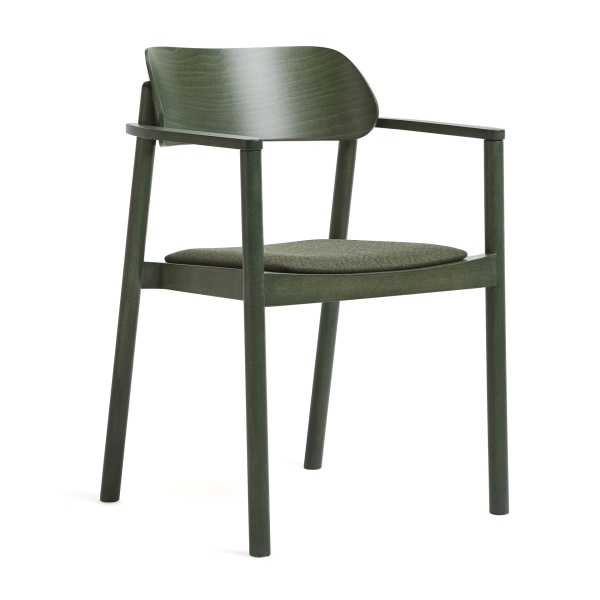
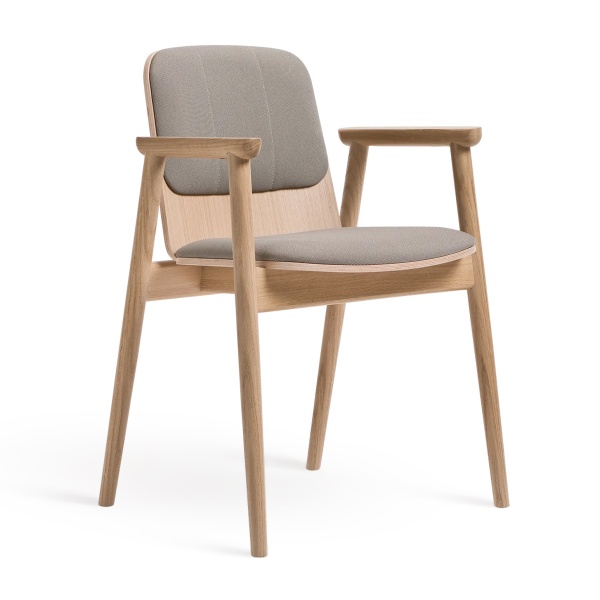
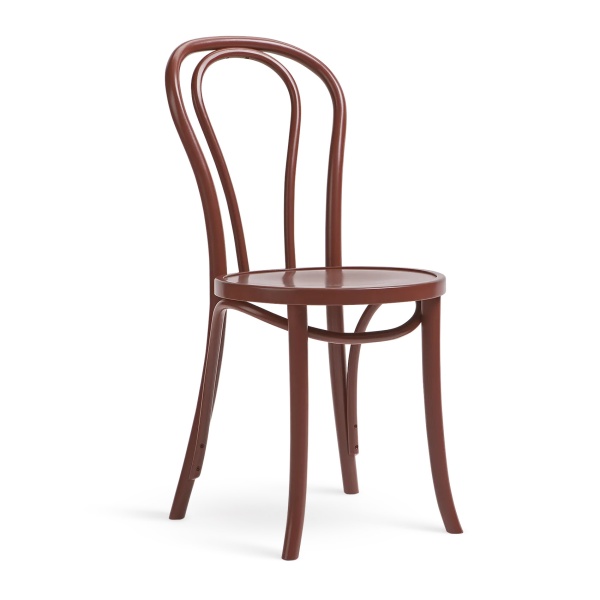
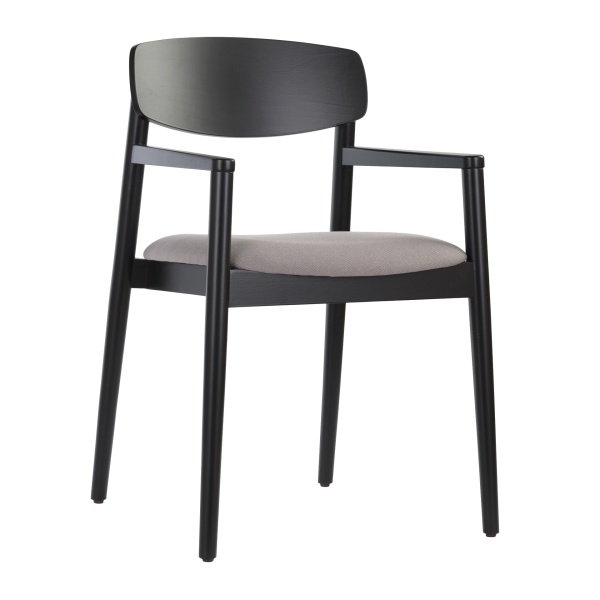
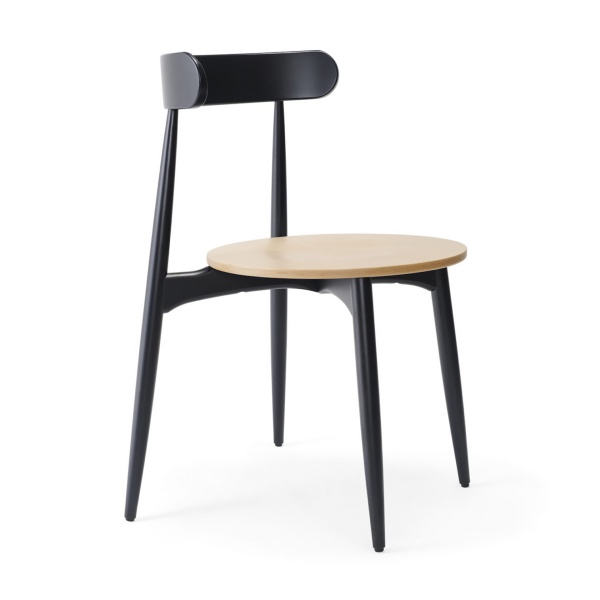
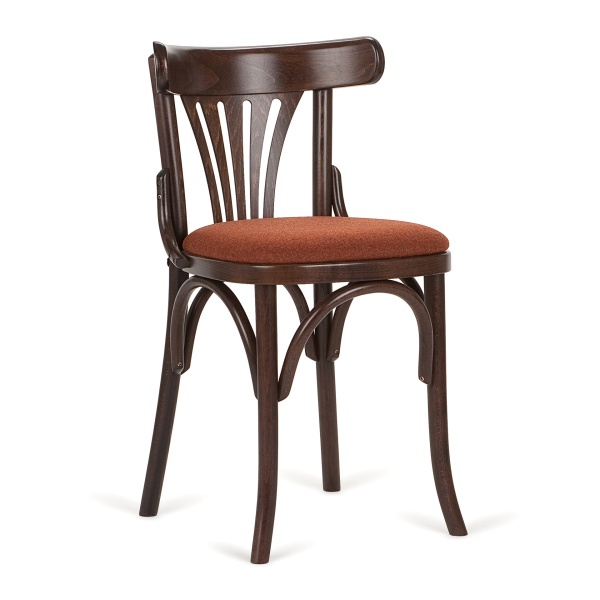
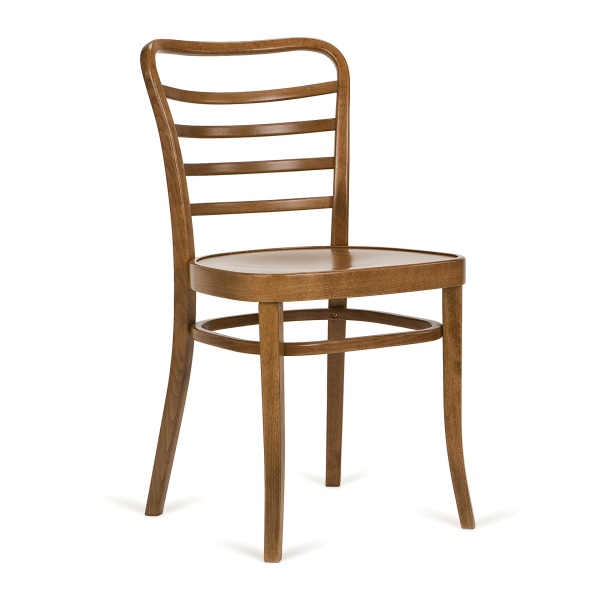
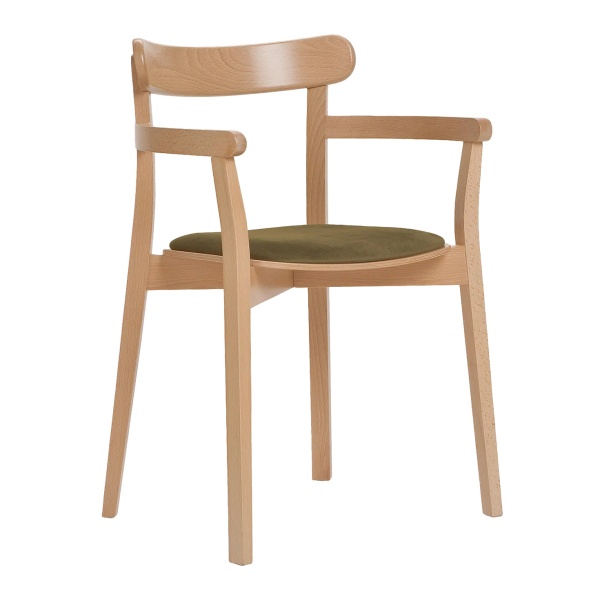
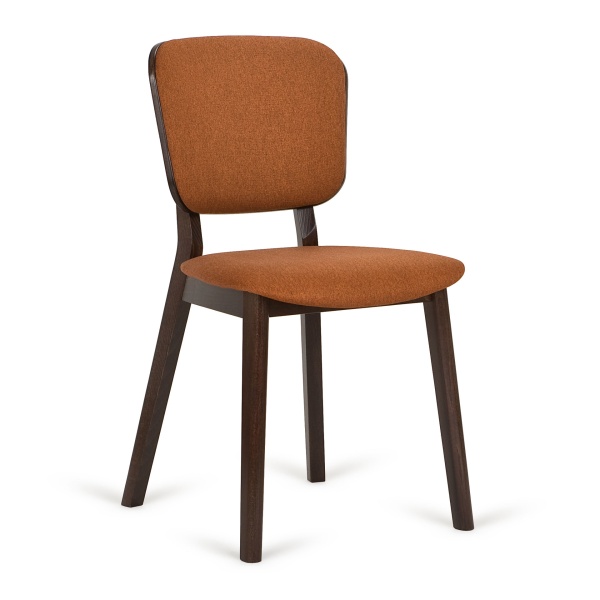
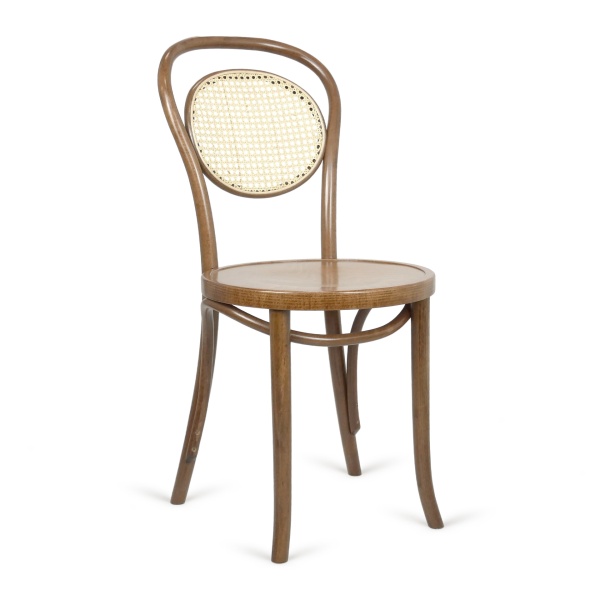
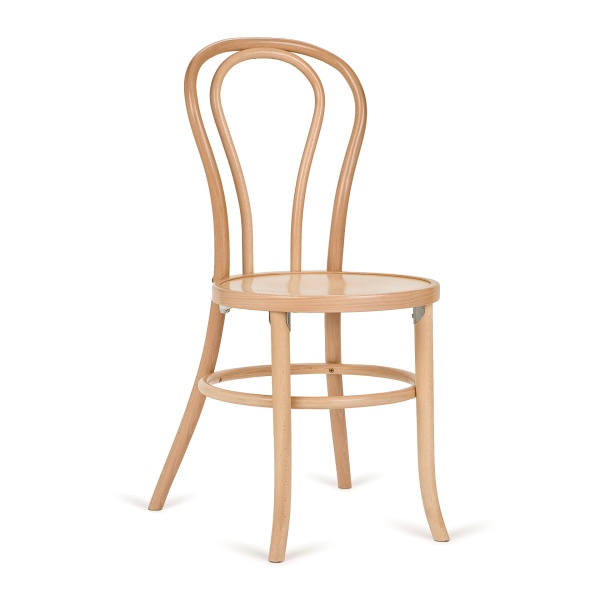
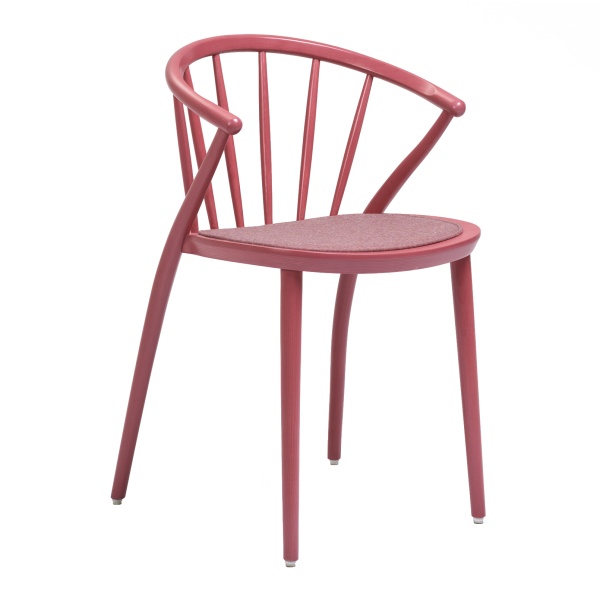
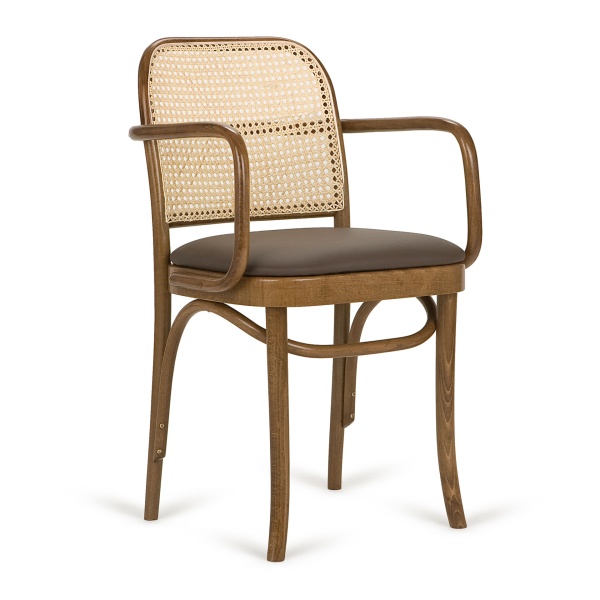
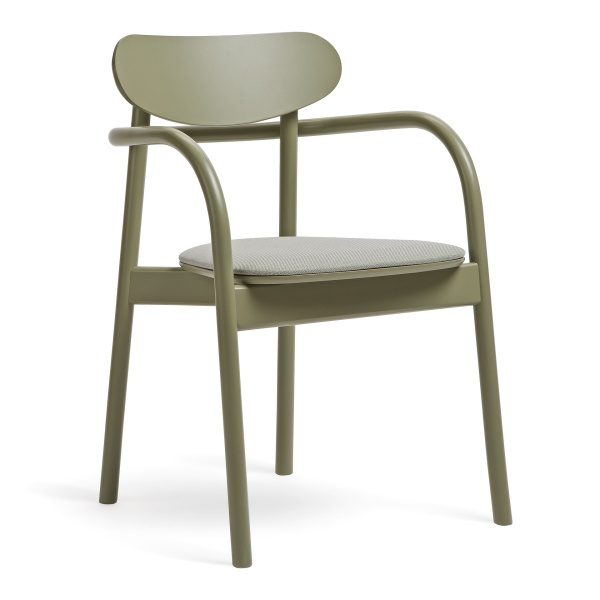
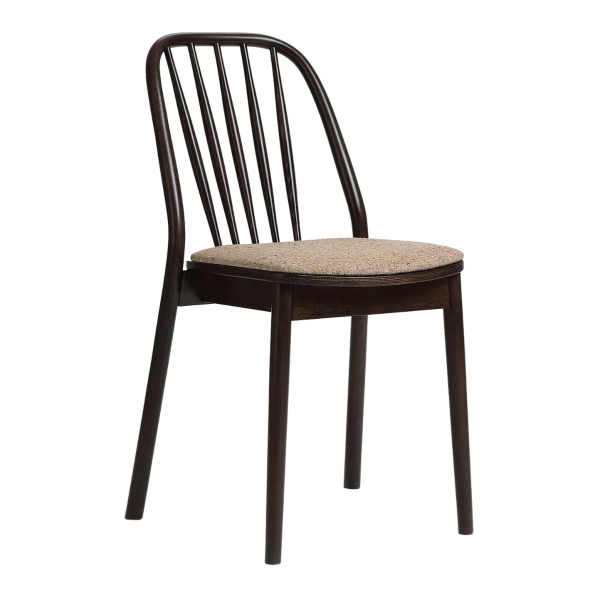
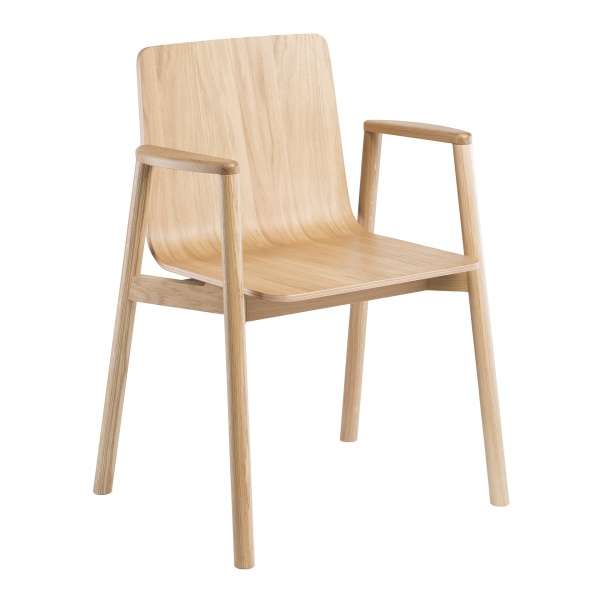
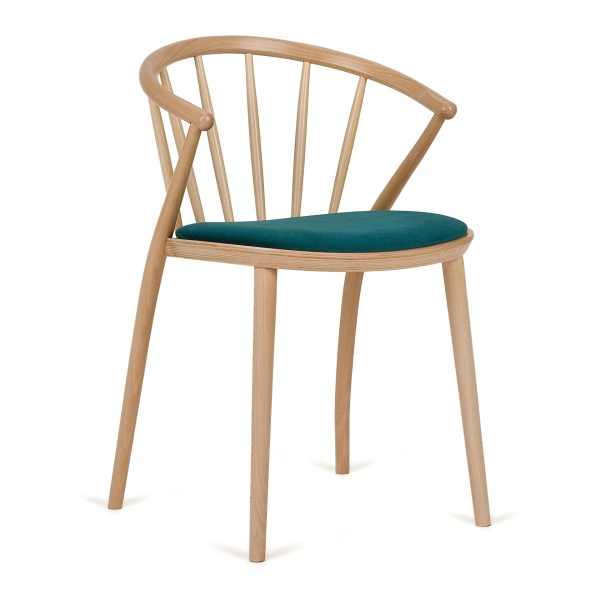
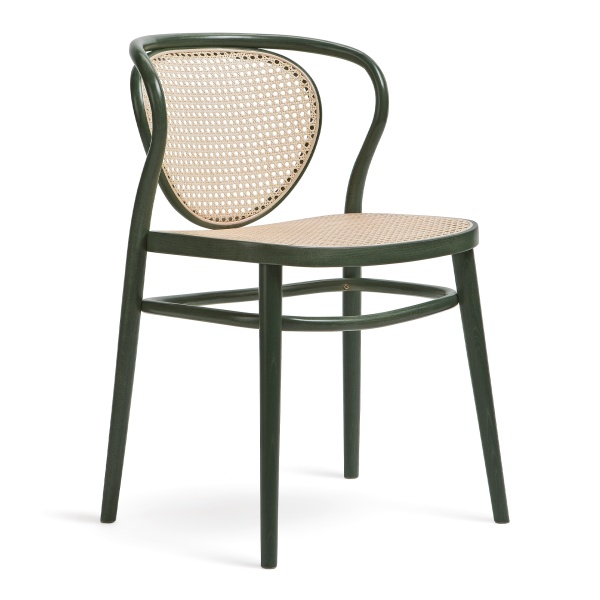
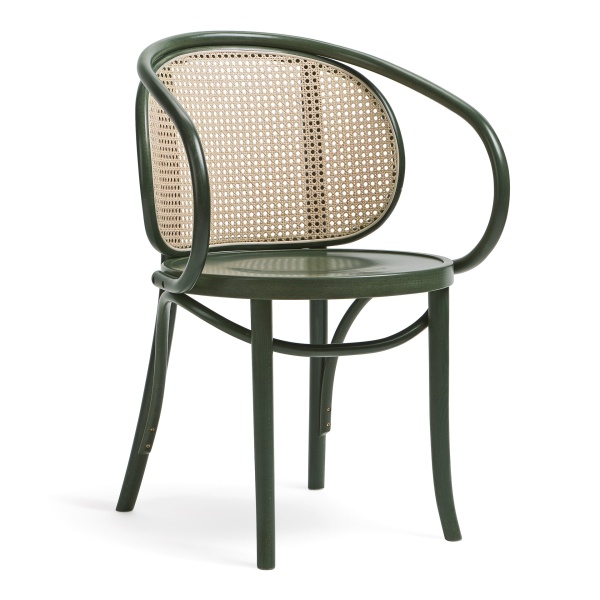
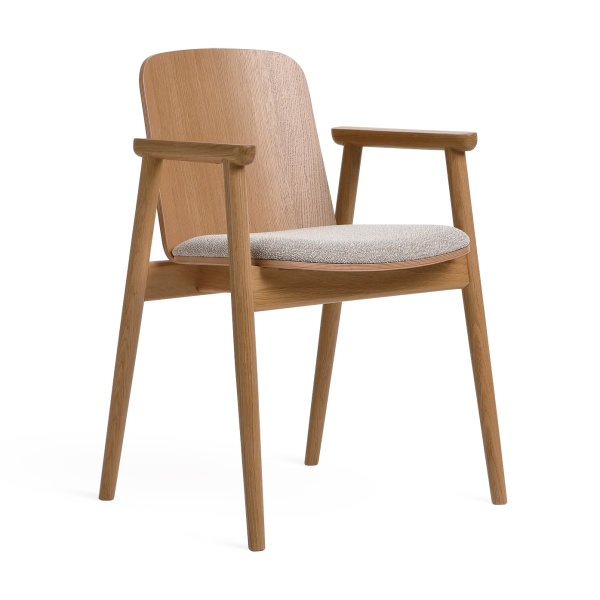
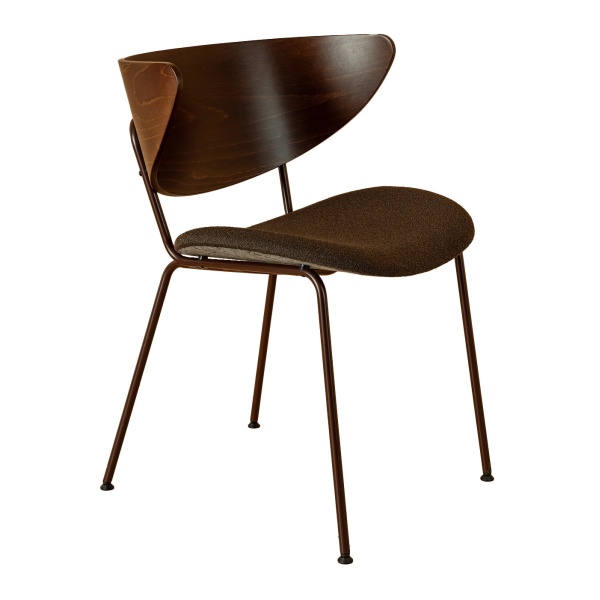
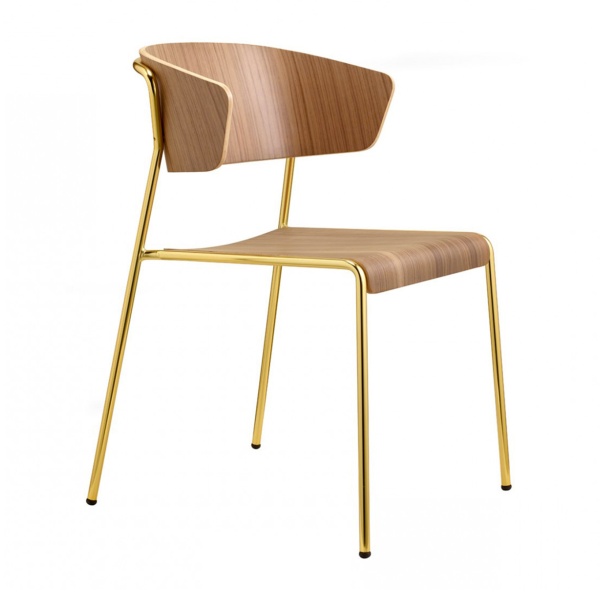
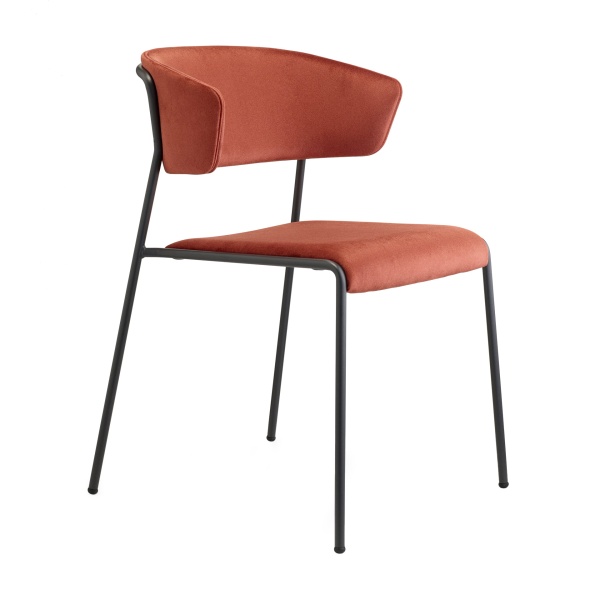
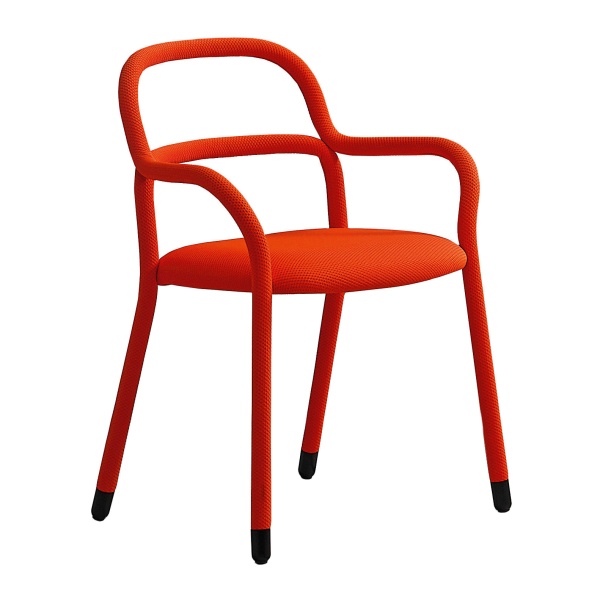
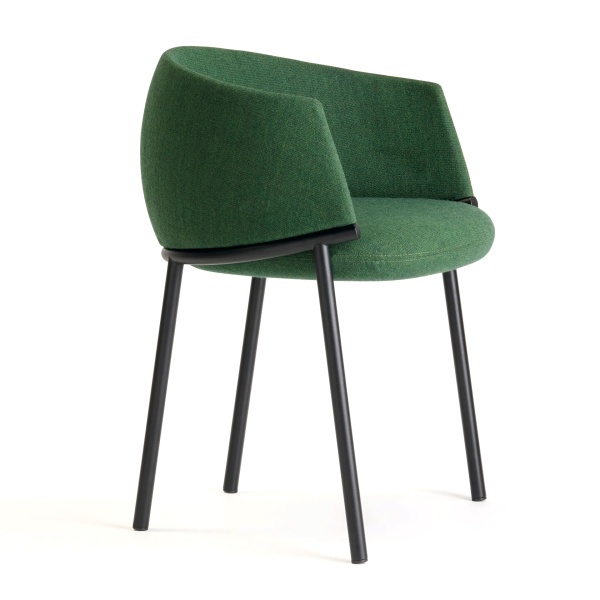
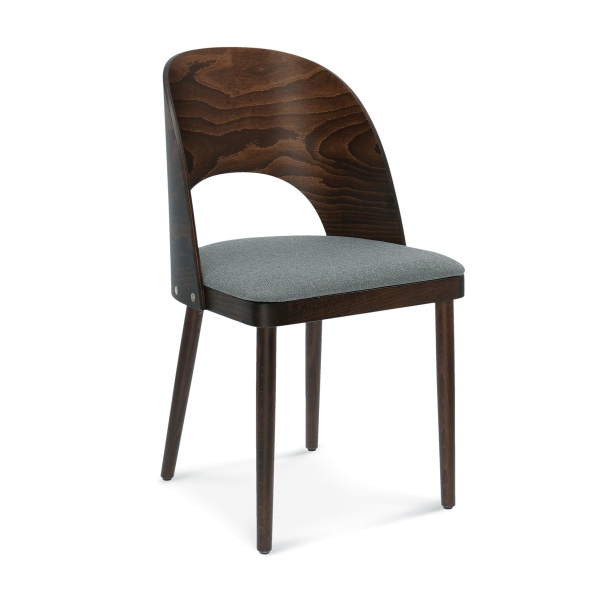
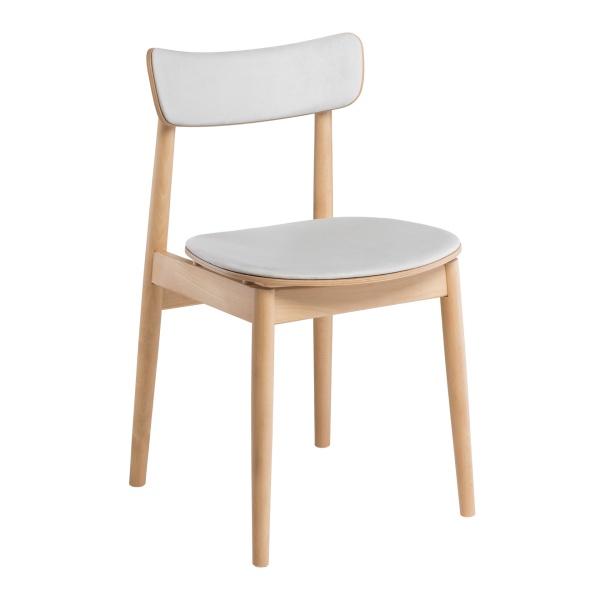
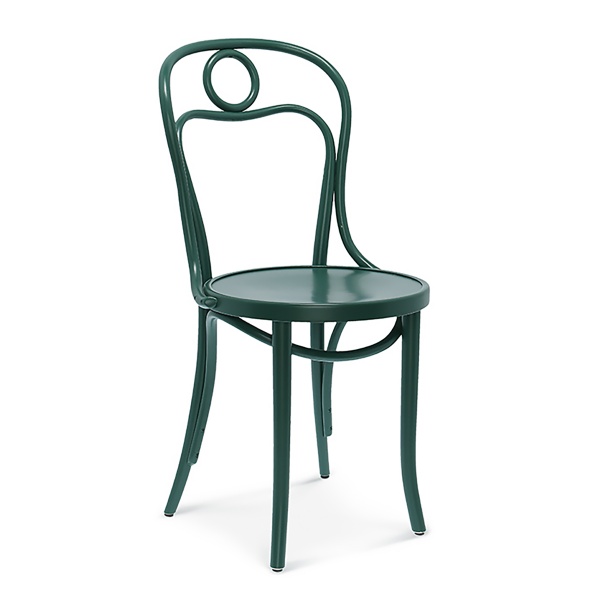
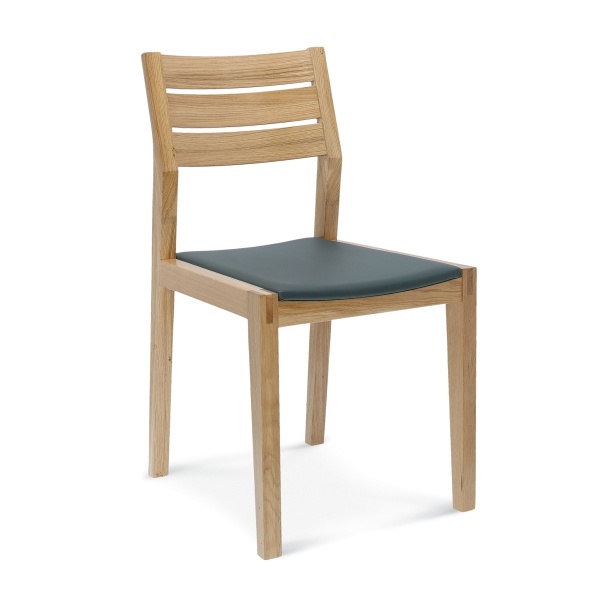
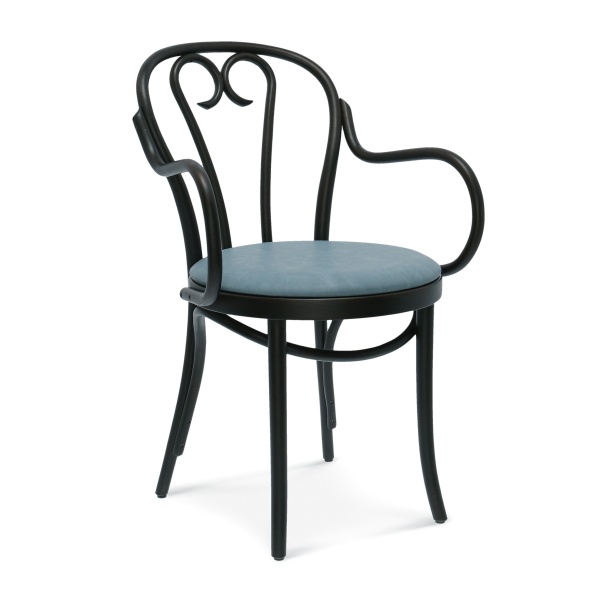
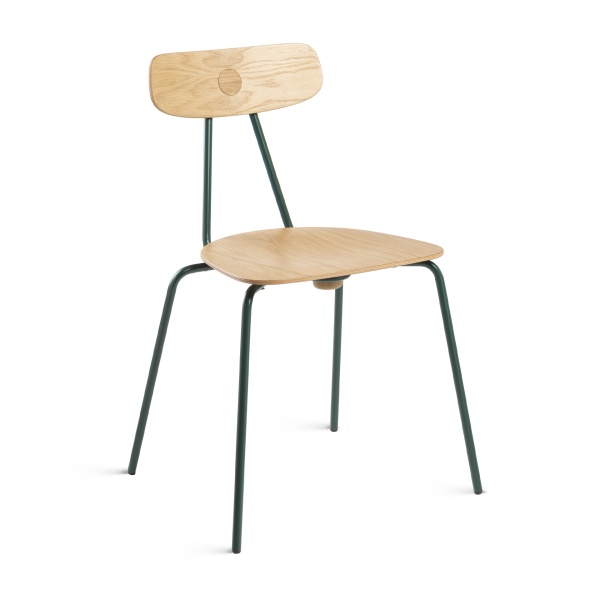
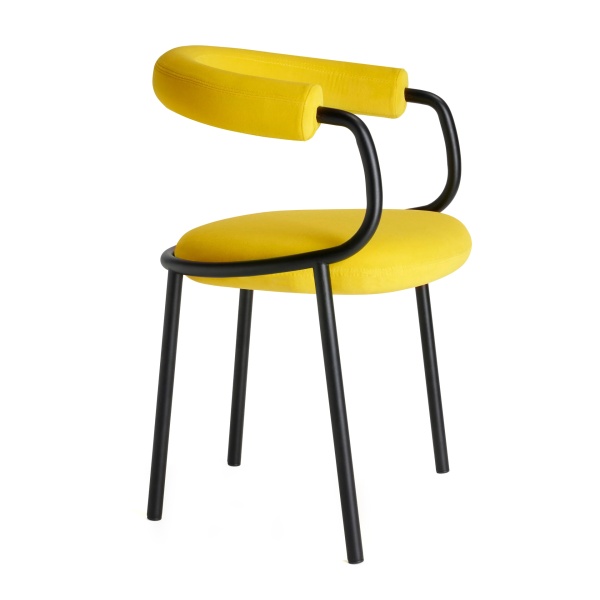
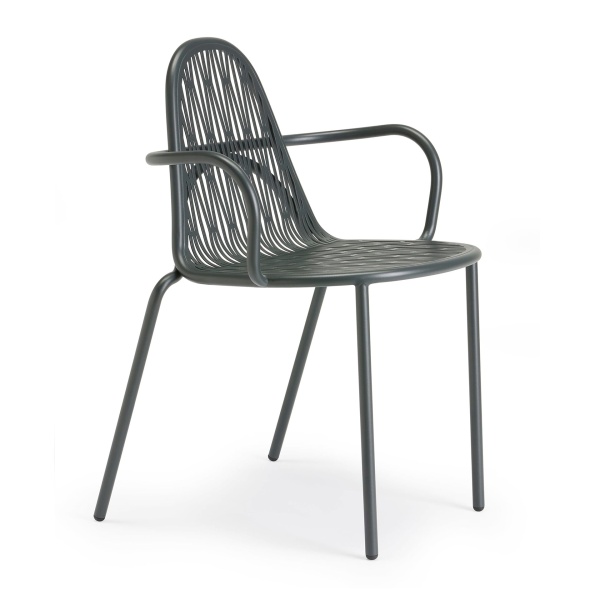
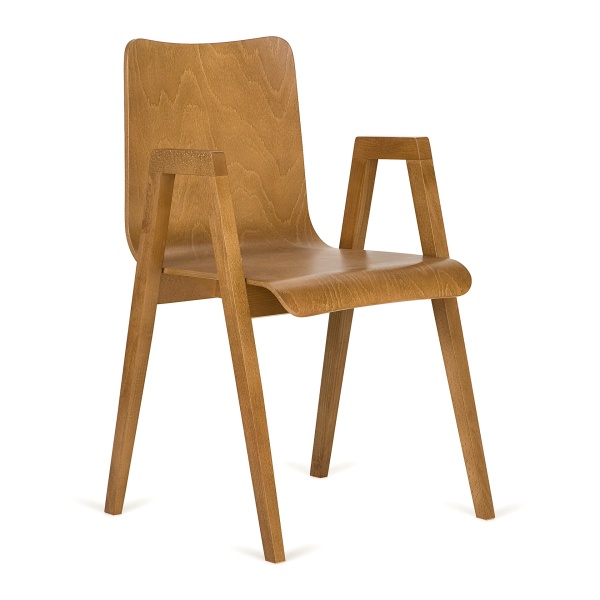
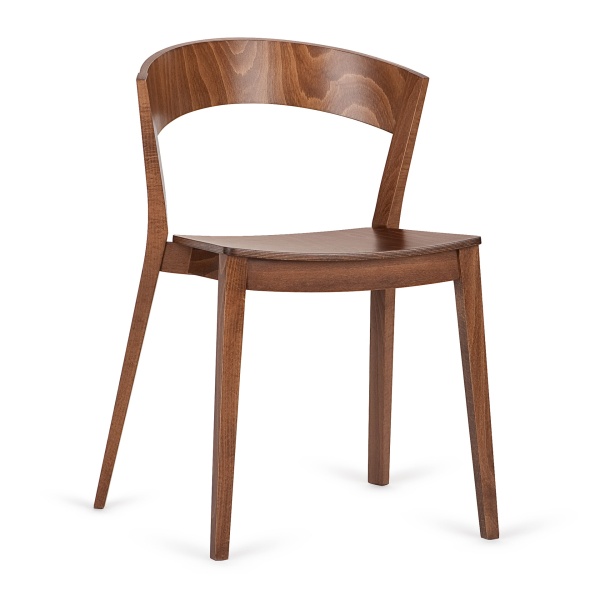
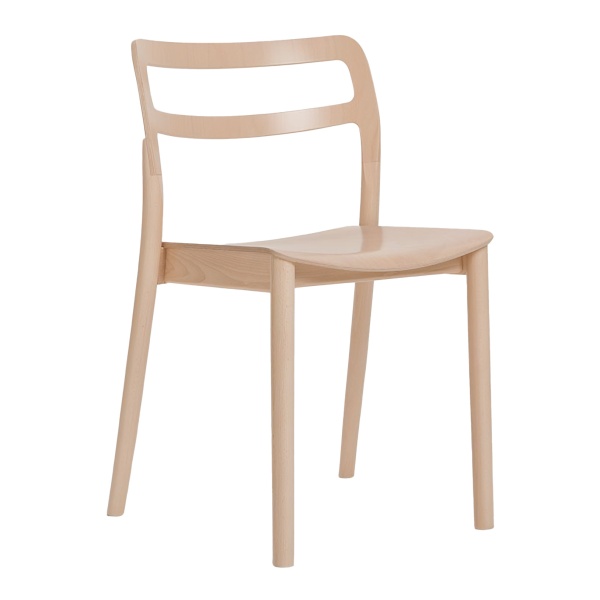
Restaurant and café chairs — contract hospitality seating designed for daily intensive use in high-traffic dining rooms. Where domestic models fall short, contract chairs offer stronger frames, reinforced joints, wear-resistant upholstery and a predictable service life. The right chair affects not only guest comfort, but table turnover, service efficiency and the long-term cost of keeping the room looking as it should.
Restaurant and café chairs — contract seating for UK hospitality
Dining chairs are the foundation of any seating scheme and directly shape how guests experience the room — its comfort, its atmosphere and its staying power through years of daily use. This category sits within the broader range of restaurant and hospitality furniture and covers solutions for dining rooms, coffee shops, lounge areas, banqueting halls and terraces. The catalogue includes models for every format, from a fast-paced urban café to a restaurant where the average cover lasts two hours and the chair is part of the proposition.
Getting chair selection wrong at the specification stage almost always costs more than it appears to save. When the frame, seat or upholstery does not match the actual use load, furniture starts to look tired within 12 to 18 months — and replacing chairs mid-trading is disruptive and expensive. That means evaluating not only aesthetics, but frame material, seat construction, finish durability, repairability and the ability to reorder the same collection when individual pieces need replacing.
In a commercial dining room, a chair is not a decorative object — it is a working tool. It must withstand daily load, clean quickly between covers, pair correctly with the table heights in use and hold its geometry across multiple seasons of active service.
Types of restaurant chair and when to use them
The right chair type is determined by venue format, average dwell time and service level. Within the full hospitality seating range, dining chairs cover the mainstream of the floor — the models that carry day-to-day service from breakfast through late evening. What works well for a fast turnaround lunch trade is a different specification entirely from a chair designed for a long tasting menu evening.
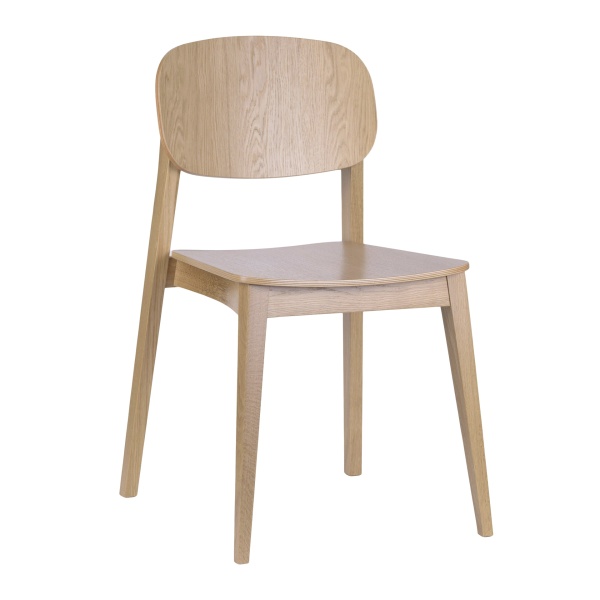
- Hard-seat chairs — a practical choice for fast casual, food halls and venues with high guest turnover. They wipe clean between covers, require no upholstery maintenance and keep daily servicing costs low over time.
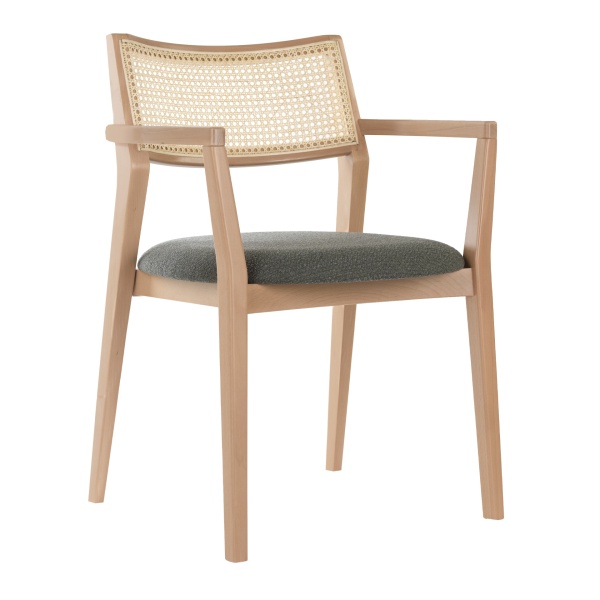
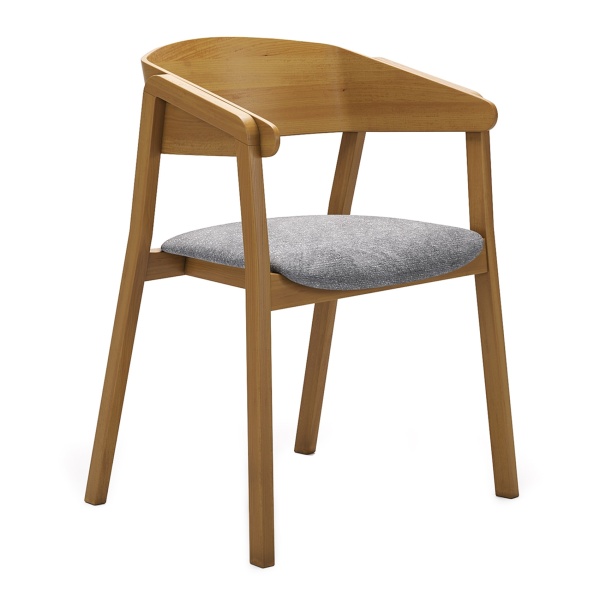
- Upholstered and semi-upholstered chairs — suited to restaurants, coffee shops and spaces where comfort over one to two hours matters. These models raise the perceived quality of service and tend to have a measurable positive effect on spend per head.
- Bar stools — for counters, island tables and high-table zones. The critical factors are correct seat height relative to the counter surface, a footrest at the right level and a base stable enough to handle the lateral load of guests leaning and turning.
- Stackable chairs — essential for banqueting rooms, event spaces and venues with a variable seating layout. They simplify staff logistics, reduce storage footprint and allow the room to be turned around quickly between different uses.
- Lounge and soft-seating chairs — for waiting areas, lobbies, cocktail spaces and any zone where dwell time is long and the pace is unhurried. For venues that need this format alongside the main dining floor, the dedicated lounge chairs range covers deeper-comfort models for extended stays.
Frame and seat materials
Material choice directly determines a chair's service life, weight, ease of cleaning and how it reads within the interior. The right material is not about aesthetics alone — it is about matching the construction to the intensity of use and the practicalities of daily maintenance.
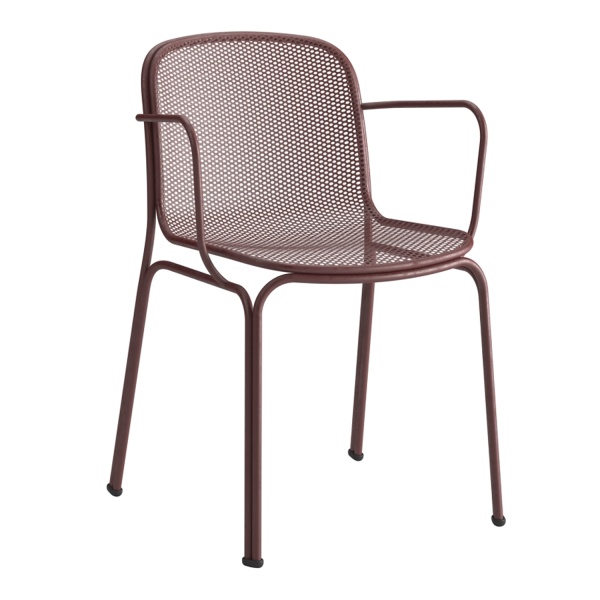
- Steel frame — the most versatile choice for intensive use. Steel provides structural rigidity, resistance to deformation and a long service life under daily load. Powder-coat finishing reduces the risk of scratches and corrosion under standard cleaning regimes. The frame of choice for fast casual, pub dining and any venue with high daily footfall.
- Solid timber — for venues where the warmth of natural material, tactility and a distinctive aesthetic are part of the concept. Solid beech and ash perform well under cyclical load and are the standard specification for traditional pub dining rooms, gastropubs and classic restaurant schemes. Requires annual treatment with protective oil or lacquer.
- Combined steel and timber — the structural rigidity of a metal frame with the visual quality of a timber seat or backrest. Widely used in loft, bistro and industrial interiors where the brief calls for both durability and character.
- Polypropylene — lightweight, moisture-resistant and suited to terraces, food courts and zones requiring frequent washing down. For fully outdoor specifications, the outdoor terrace chairs range covers models rated for year-round exterior use in UK conditions.
In contract-grade models, what matters beyond the raw material is the quality of the joints, the consistency of the finish and resistance to the kind of daily mechanical load that a domestic chair never experiences. These factors determine how the furniture performs after one, two or five years of service — and whether it meets BS EN 16139, the European standard for contract seating strength and durability that most UK operators and procurement teams now expect as a baseline.
Ergonomics: what determines guest comfort
Seating comfort is not a matter of general shape — it comes down to specific dimensions: seat height, seat depth, backrest angle and whether armrests are included. In a restaurant dining room, even a small error in height or backrest rake is felt by the guest within the first few minutes and accumulates over the length of a meal.
- Standard seat height — 45–48 cm, designed to pair with dining tables at 72–76 cm. A mismatch of even 3–4 cm is enough to compromise posture and comfort.
- Bar-height seating — 65–75 cm for high tables and bar counters. A footrest is non-negotiable at this height; without one, guest comfort deteriorates within ten to fifteen minutes.
- Seat depth — typically 420–450 mm for a standard, comfortable dining position that supports the upper leg without restricting circulation.
- Seat width — from 400 mm upward, depending on the venue format and table spacing. Premium formats typically specify wider seats; high-density layouts work from the minimum.
For high-turnover cafés, a compact upright position is entirely appropriate — it supports fast service and a natural end to the meal. For restaurants with longer visits, models with a softer seat, a more reclined backrest and better lumbar support make a measurable difference over a two-hour cover. For venues that need deeper comfort alongside standard dining chairs, chairs with armrests offer an effective intermediate step between a dining chair and full lounge seating.
How chair choice affects the performance of the room
In hospitality practice, the chair is part of the business model. For fast casual, the priorities are seating speed, zero upholstery maintenance and frames that clean in seconds between covers. For casual dining, the specification shifts toward comfort and durability in roughly equal measure: the chair needs to feel right for an hour without demanding careful daily care. For fine dining, seat depth, the sense of enclosure a higher backrest creates and the visual coherence of the chair within the wider furniture scheme all become deciding factors — because at that level, guests notice the furniture before they notice the menu.
Frame strength also has a direct operational impact that is easy to underestimate at specification stage. A chair that begins to loosen at the joints after eighteen months adds ongoing repair labour, reduces the visual consistency of the room and typically requires full replacement sooner than a properly specified contract model would — with all the disruption and cost that entails mid-trading.
What to consider before ordering
- Venue format and average dwell time — the primary filter. Everything else follows from how long guests sit and how quickly the room turns.
- Table height compatibility — confirm seat height against actual table height. For new builds, specify table and chair together from the outset.
- Daily use intensity and cleaning regime — match the finish and upholstery to what the team will realistically maintain every service.
- Stackability — if the layout changes between services or the room doubles as an event space, stackable models reduce handling time and storage significantly.
- Upholstery grade — specify fabrics rated at Martindale 50,000+ for wet cleaning without deformation. Faux leather and genuine leather require non-alcohol cleaning products.
- Reorder availability — confirm the collection remains in production and that finish references are fixed before committing to a first order at volume.