Types of bar stool: matching the right model to your venue
In hospitality projects, bar stools are selected by bar zone format and the expected guest dwell time — not by appearance. The stool type determines seating density along the counter, comfort for extended stays, and operational ease for staff. If you are planning to zone the floor using different table heights, see also bar tables as a complement to bar seating.
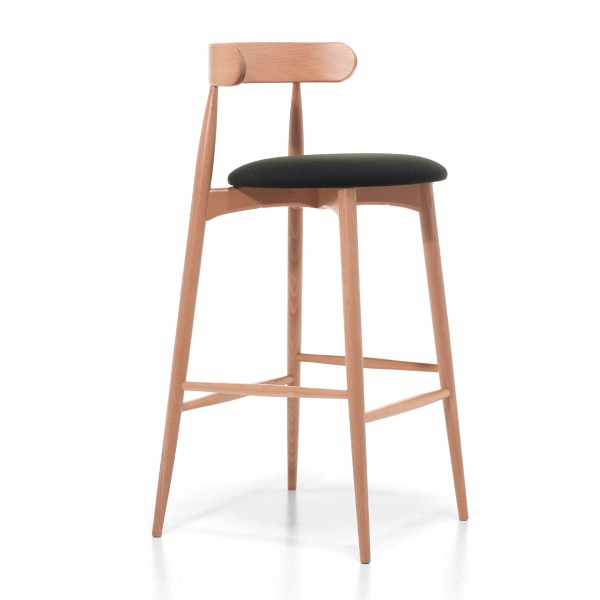
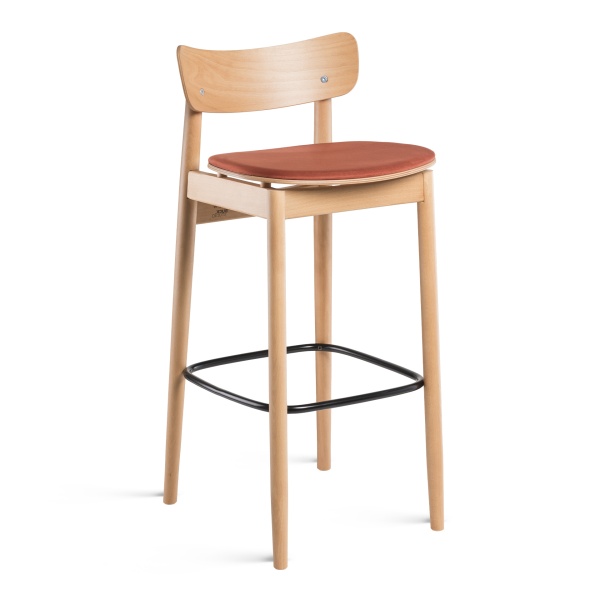
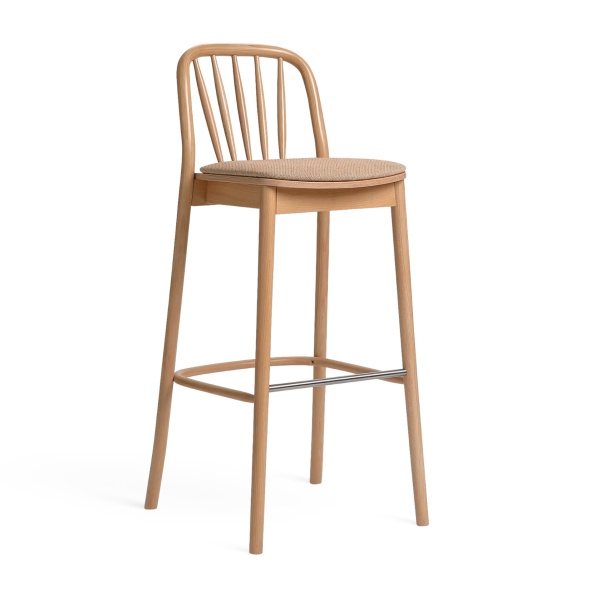
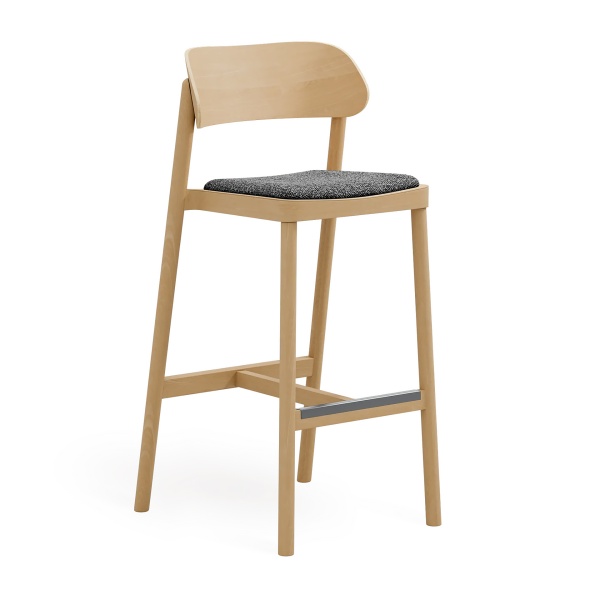
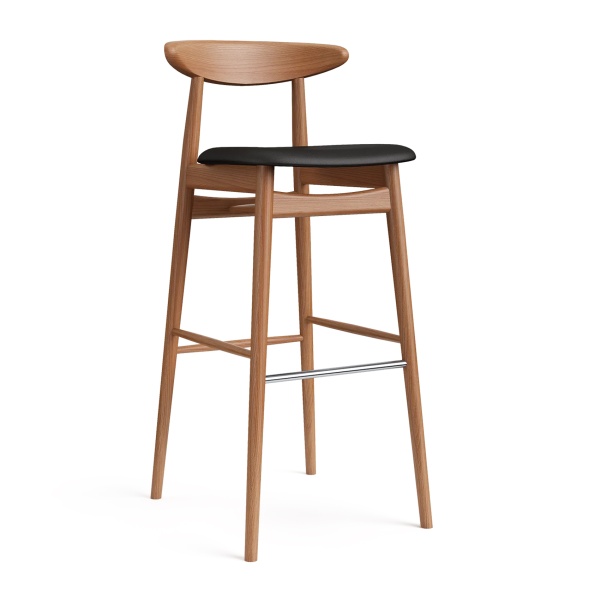
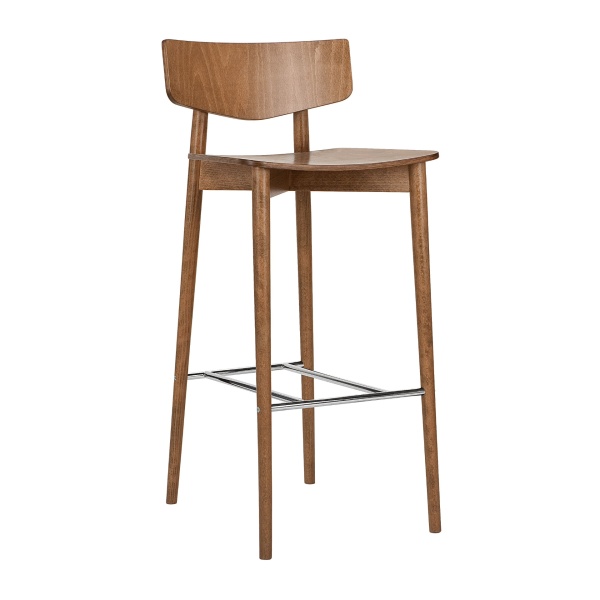
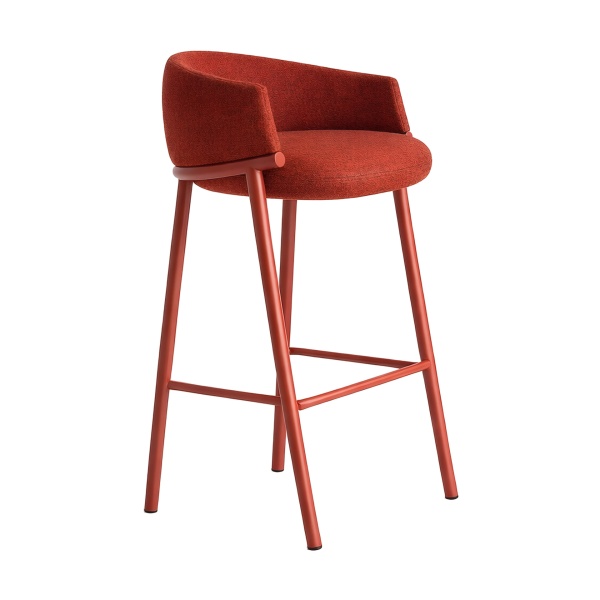
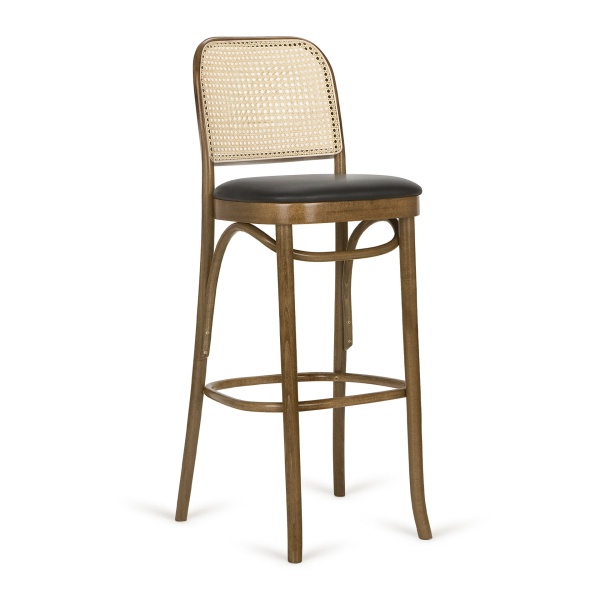
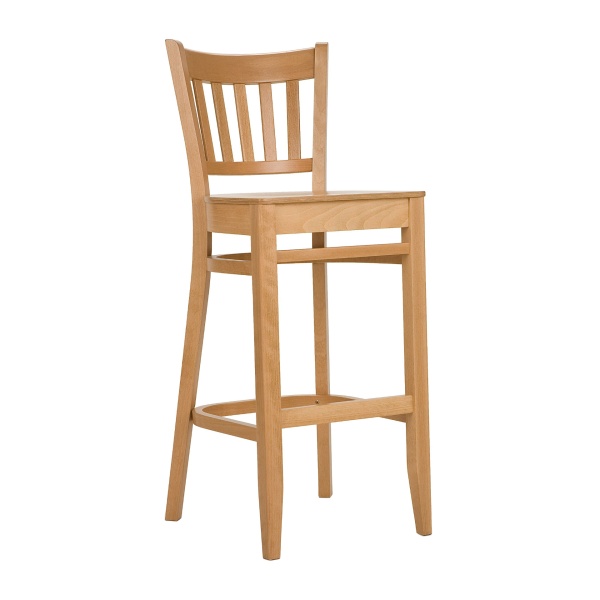
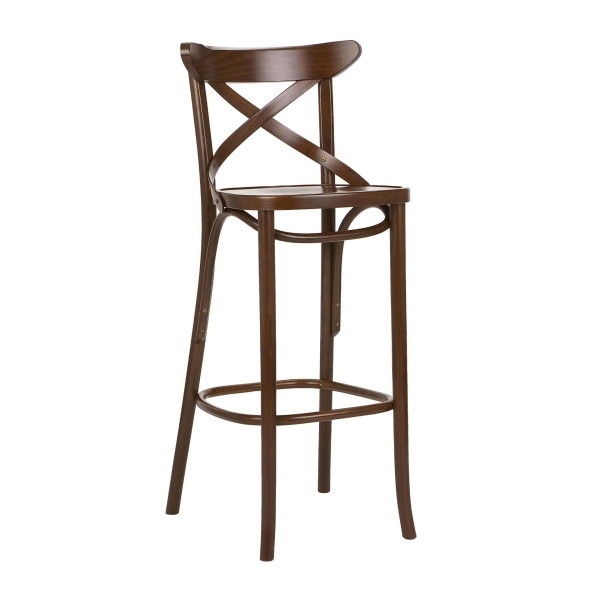
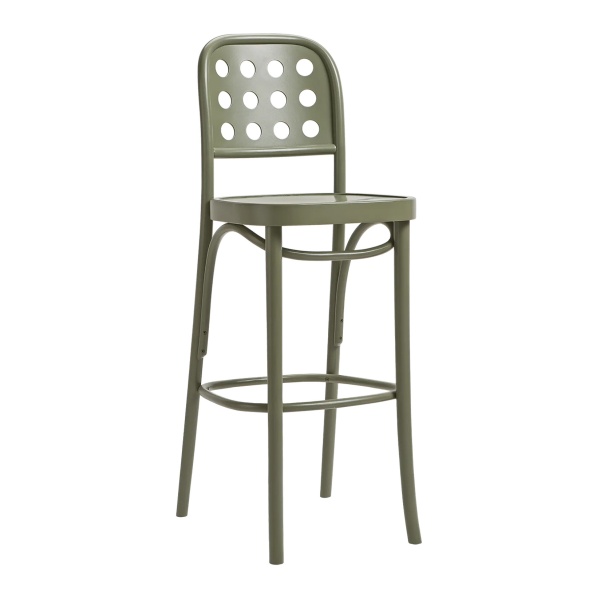
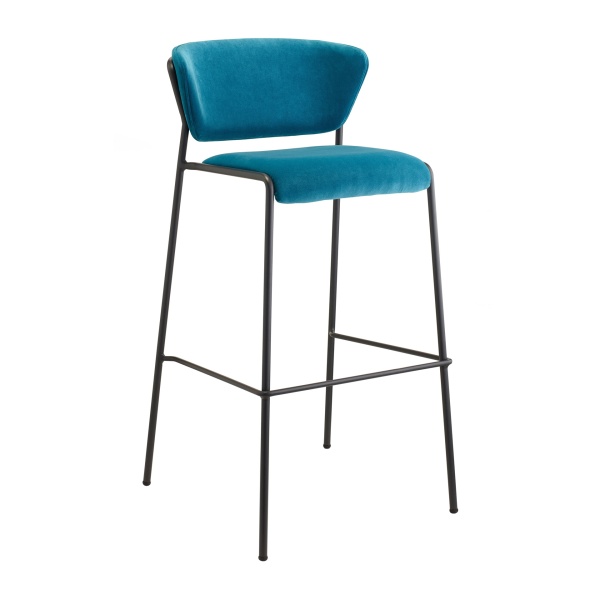
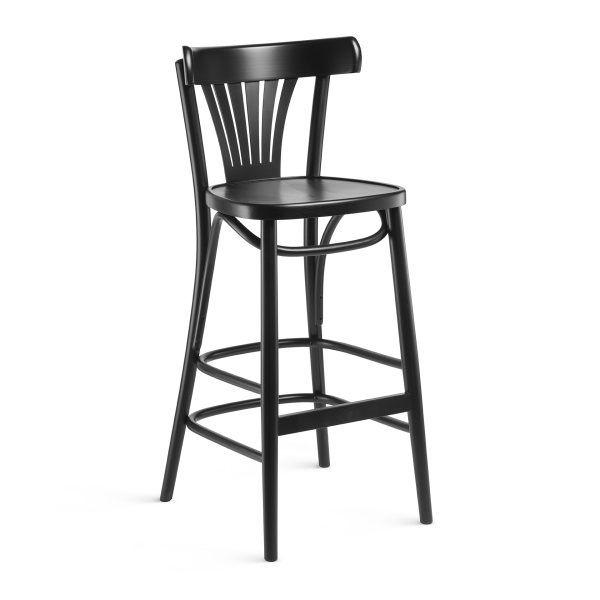
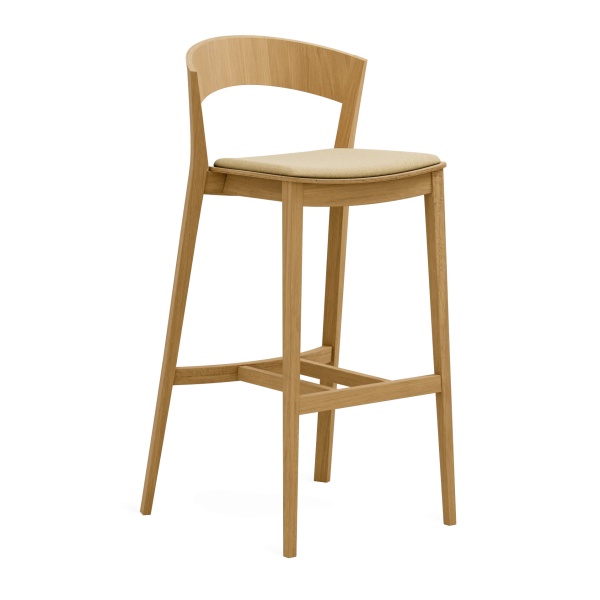
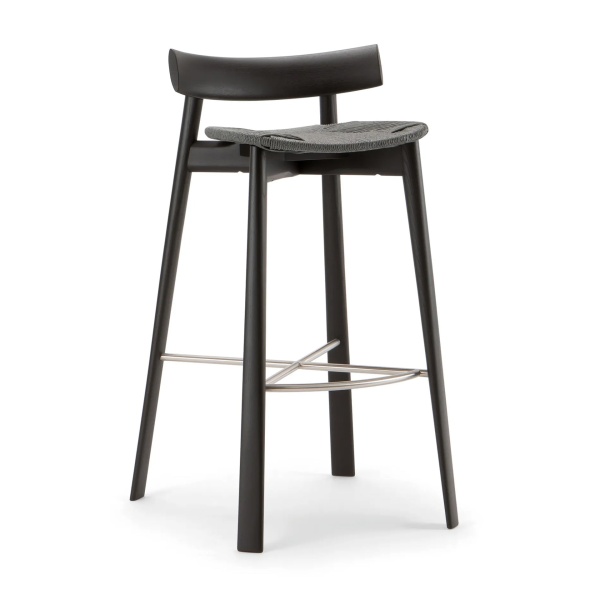
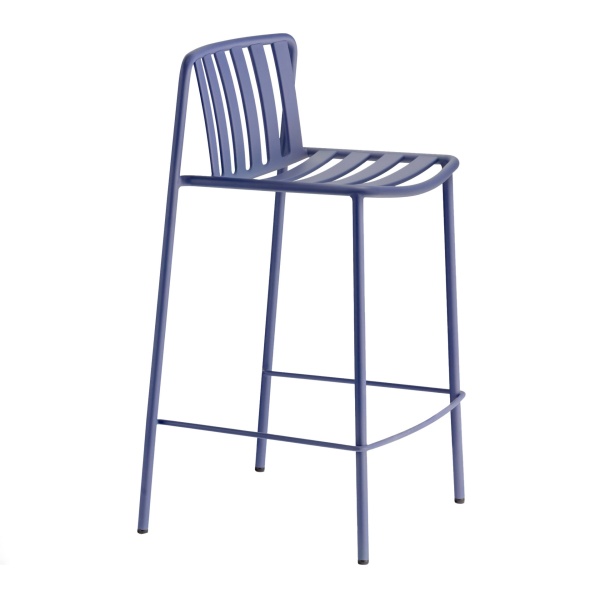
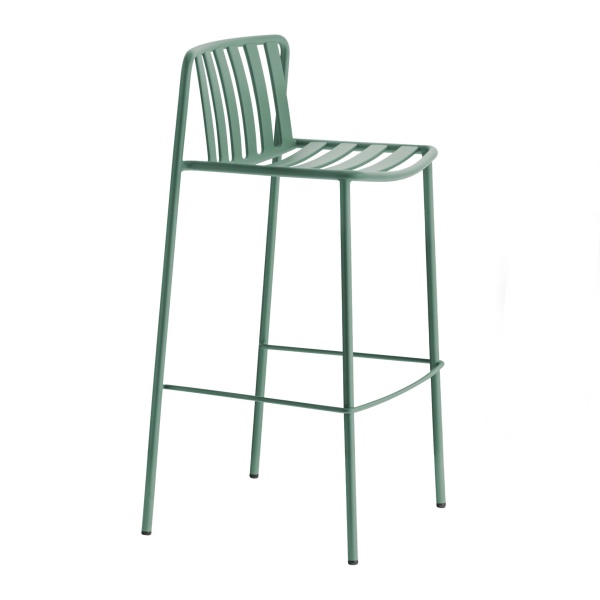
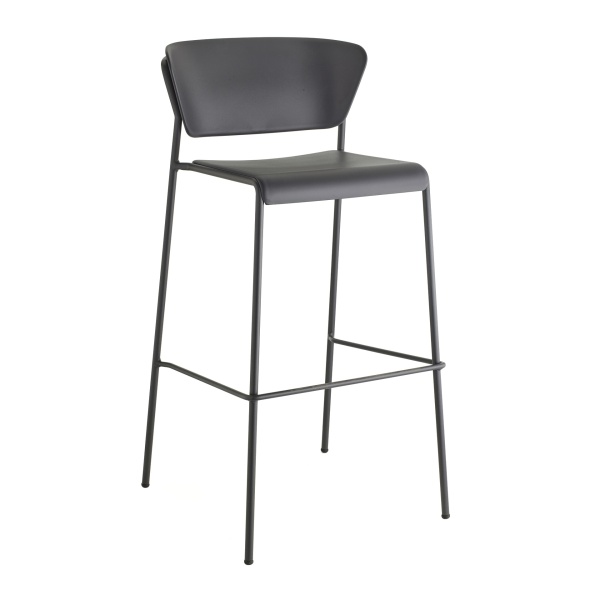
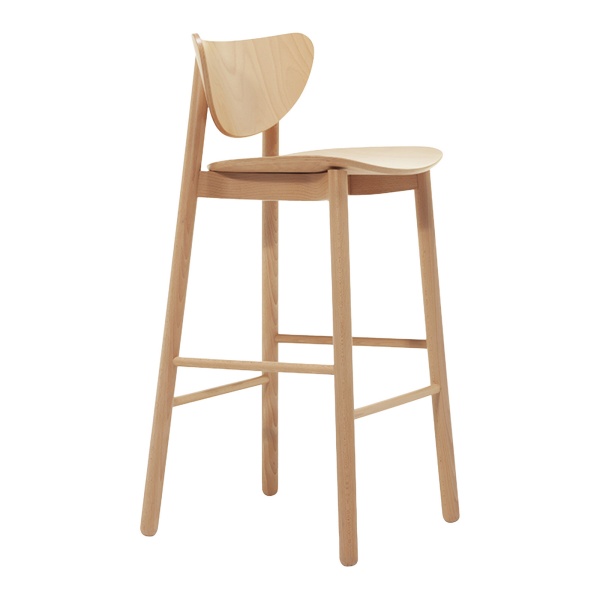
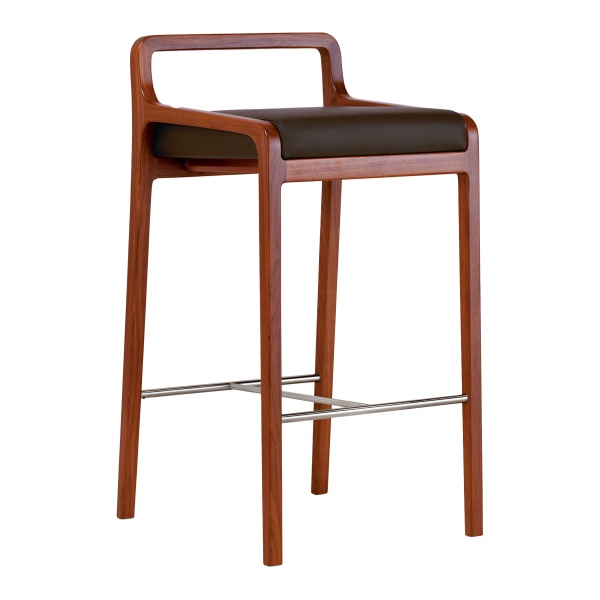
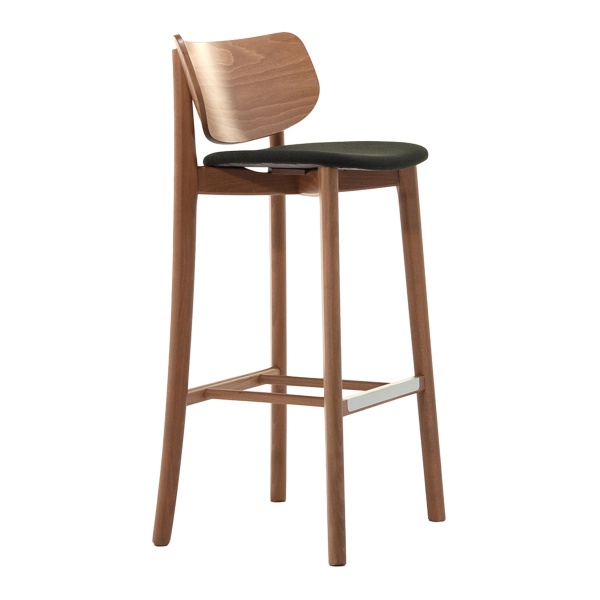
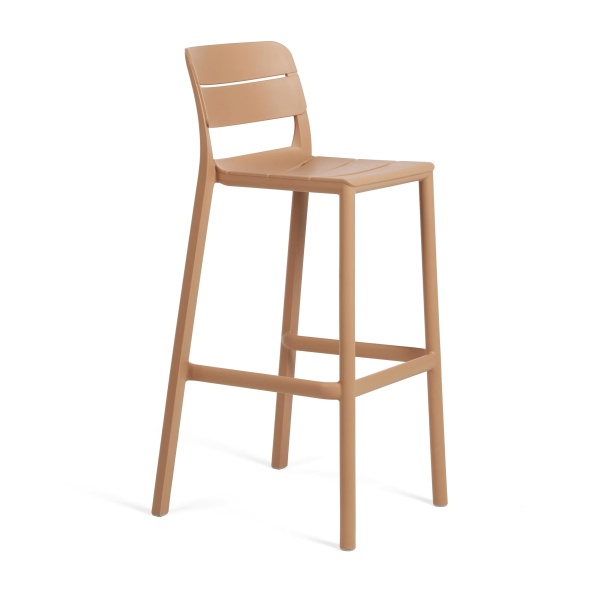
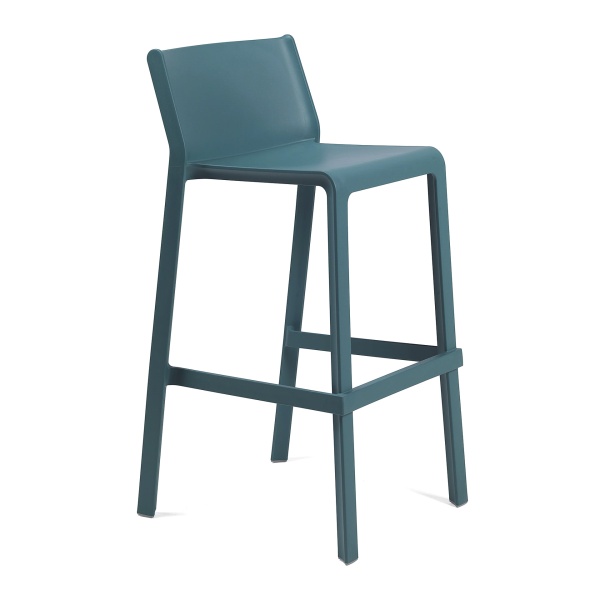
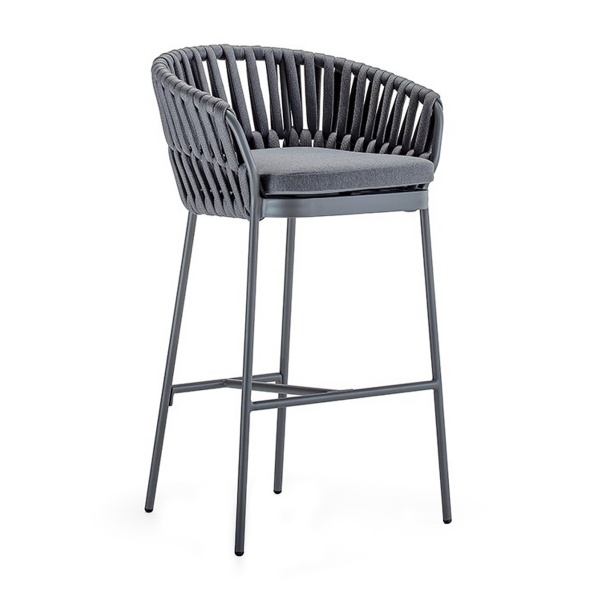
Bar stools with a backrest — the primary choice for most restaurants and cafés. The backrest gives guests support during extended visits, reduces fatigue, and improves overall comfort. When the height is correctly matched, guests can lean back naturally without reaching toward the counter. Recommended for cocktail bars, coffee shops, and restaurants where guests typically spend 30 minutes or more at the bar.
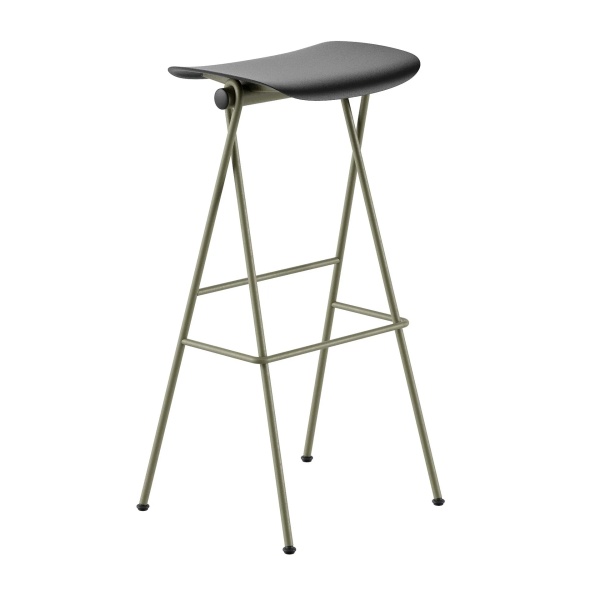
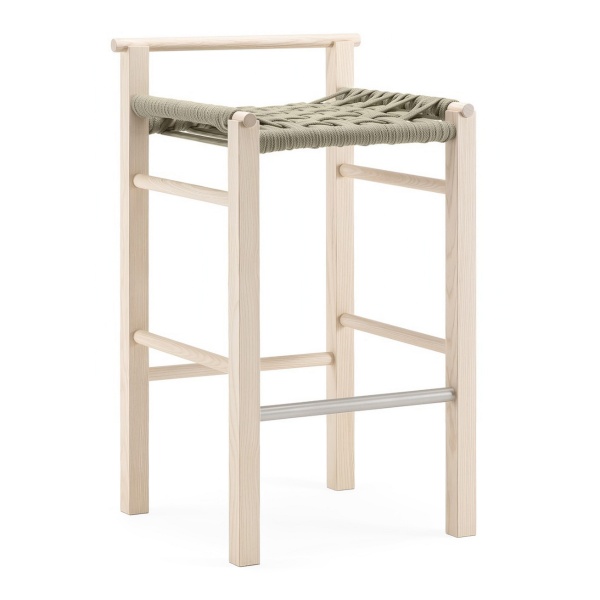
Bar stools without a backrest — a classic choice for high-traffic bars with fast turnover. They take up less space along the counter, allow more covers per linear metre, and do not obstruct staff movement. If you need a backrest-free solution with the smallest possible footprint, consider also backless bar stools: they are more compact and turn tables faster.
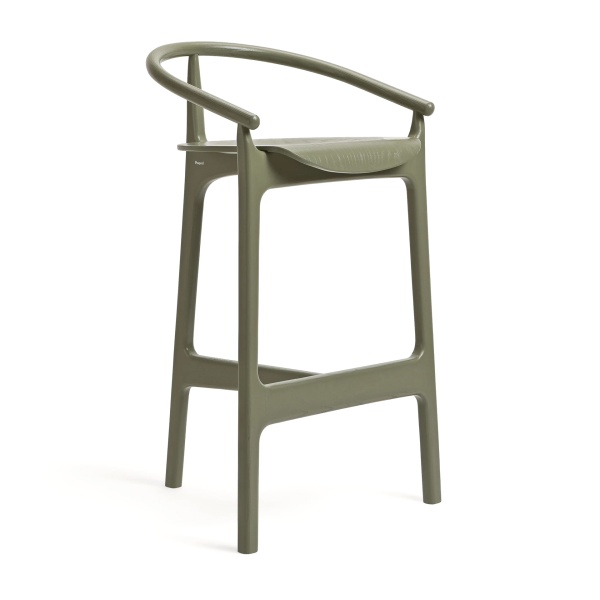
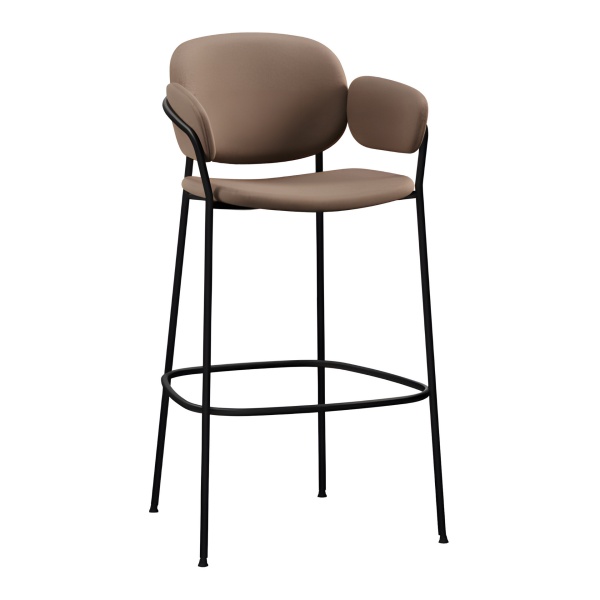
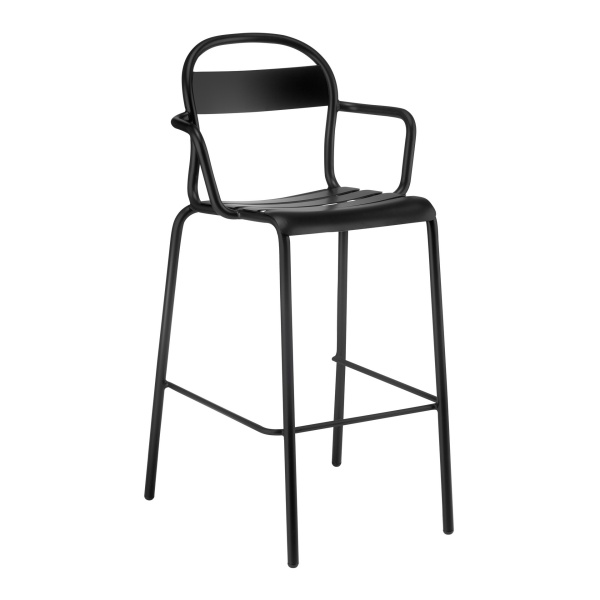
Bar stools with armrests — a lounge format suited to cocktail bars and zones designed for extended guest stays. Armrests increase comfort significantly, but require more space along the counter: allow 60–65 cm per seat rather than the standard 50–55 cm. Best suited to venues where guests order several rounds and are not in a hurry.
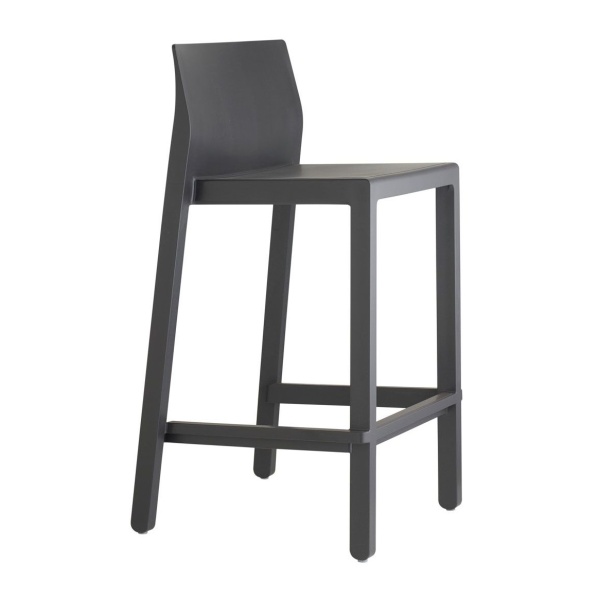
Counter-height stools — for counters and tables at 85–95 cm. Seat height 60–65 cm sits between standard dining and full bar height. Common in coffee shops with window counters and in restaurants where floor zoning is achieved through varying furniture heights. The full range of seating solutions for zoning is in the chairs and stools for hospitality section.
Height-adjustable bar stools — with a gas-lift mechanism. They adapt to different counter heights or guest preferences. Practical for multi-use spaces and café-coworking venues where the same furniture serves different functions throughout the day. Adjustment range: 58–82 cm.
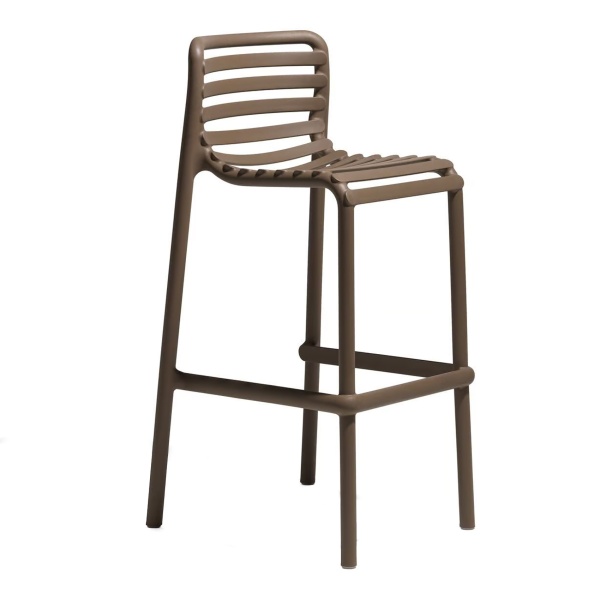
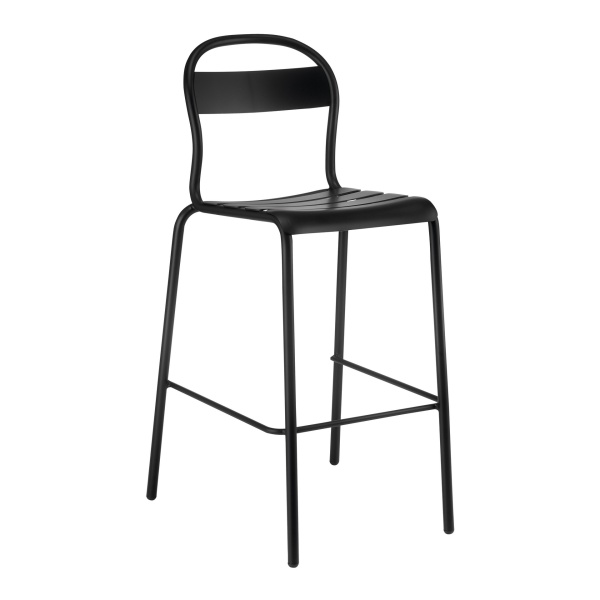
Stackable bar stools — solve an operational problem: clearing or setting up a bar zone quickly. A standard stack holds 4–6 stools in the footprint of one. For venues with variable footfall or private hire events, this is critical: staff can clear an entire bar zone in three to four minutes. Manufactured predominantly from steel frames or technopolymer — materials that withstand the stresses of stacking without joint deformation. Seat height is limited to 72–78 cm: taller, bulkier frames lose stability in a stack beyond the fourth tier.
Materials: what holds up to commercial use in a bar zone
A bar area is one of the most heavily used spaces in any venue. Guests arrive, place bags on stools, lean against the counter, spin around. The frame material must withstand daily lateral and vertical loads without joint deformation.
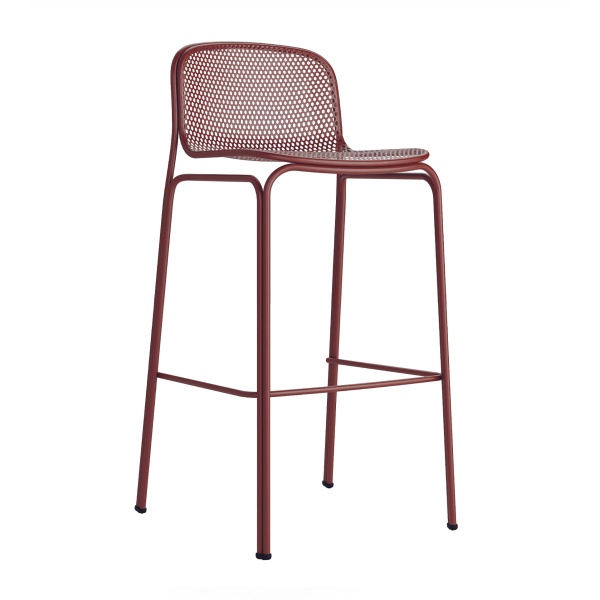
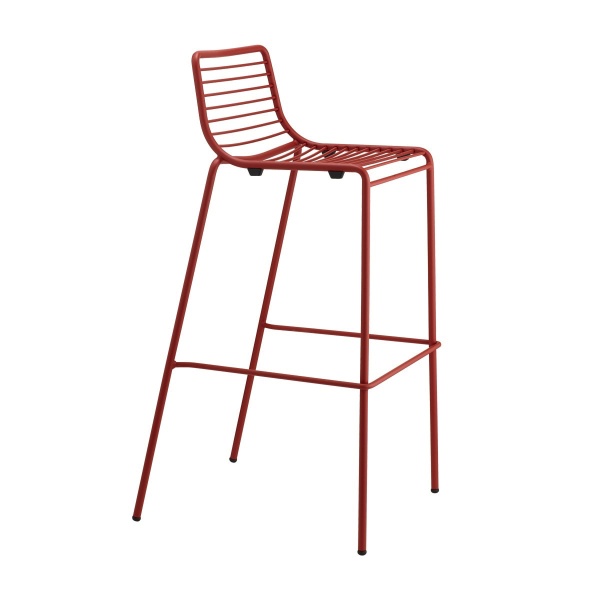
Powder-coated steel — the most common material for contract bar stools. It handles lateral loads better than timber, does not loosen with frequent use, and is resistant to moisture and cleaning agents. Weight is typically 4–7 kg: stable enough not to tip, light enough to move. Avoid abrasive pads — they scratch the coating and initiate corrosion.
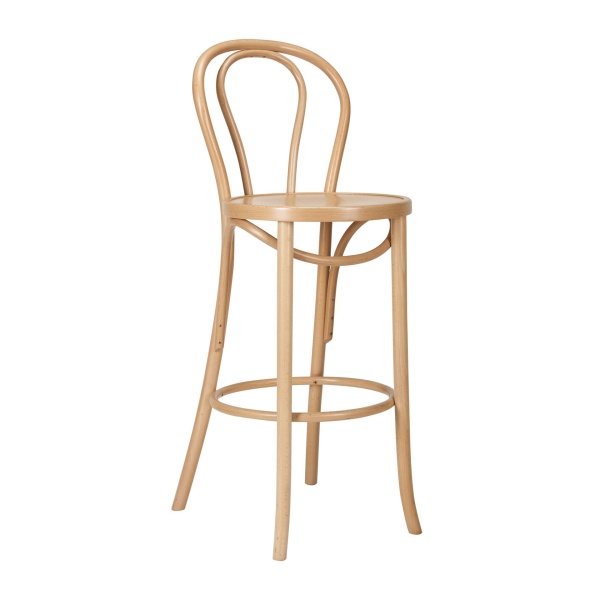
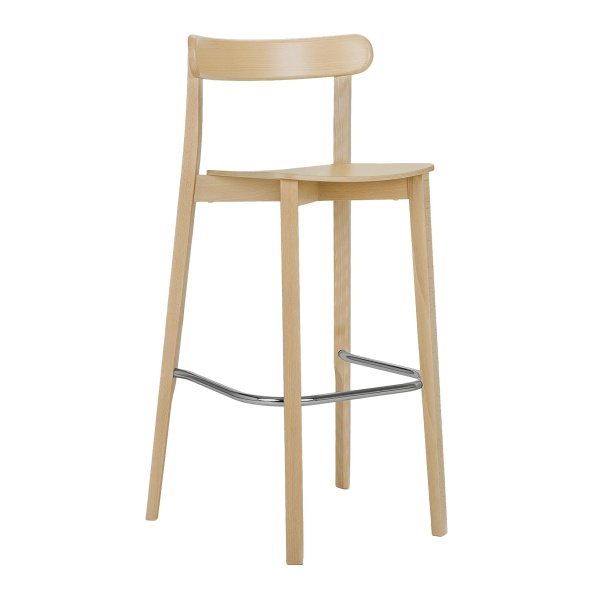
Solid timber (beech, ash) — for venues with a classic, Irish pub or vintage aesthetic. Beech and ash withstand cyclical loads better than softwood and have a lower rate of joint loosening over time. The surface requires treatment with protective oil or lacquer once a year.
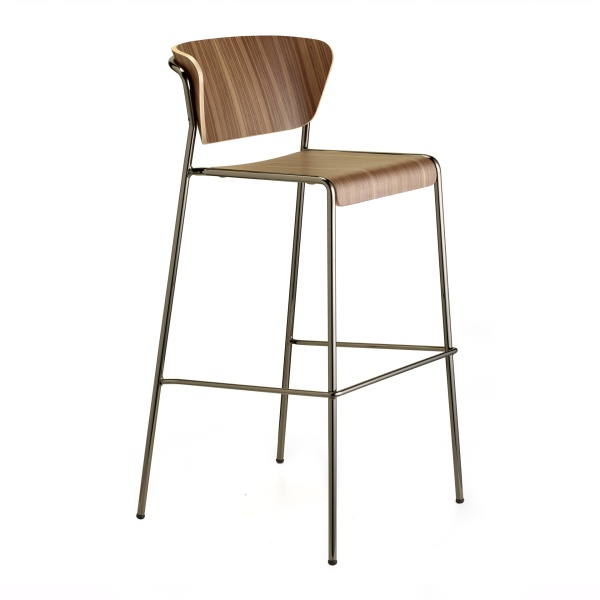
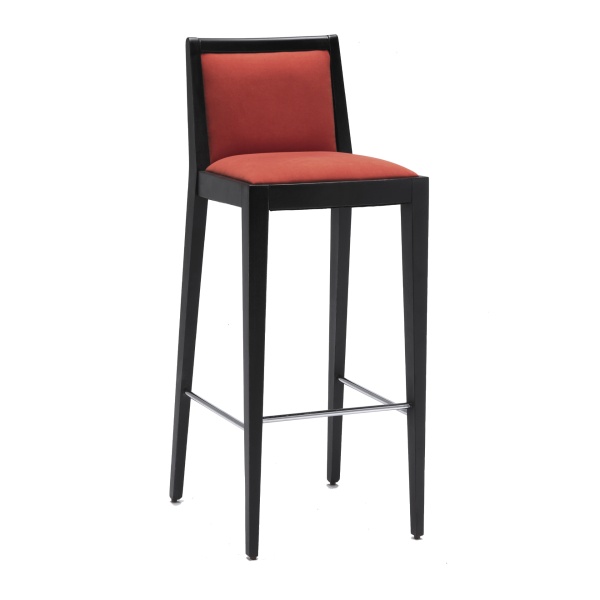
Combined solutions (steel + timber, steel + upholstery) — combine the structural strength of a metal frame with the warmth of natural materials or the comfort of padded seating. A popular choice for restaurants in industrial loft or contemporary styles. Upholstery fabrics rated at Martindale 50,000+ withstand wet cleaning without deformation; faux leather and genuine leather should be wiped with non-alcohol-based products.
Aluminium — for bar zones on terraces and outdoor areas. It does not rust, is lightweight, and withstands moisture and temperature fluctuations. Less common indoors due to lower structural rigidity compared to steel. The full range of outdoor solutions is in the outdoor bar stools section.
| Bar stool type | Seat height | Counter height | Venue format |
|---|
| With backrest | 72–80 cm | 100–110 cm | Cocktail bar, restaurant, coffee shop |
| Counter-height | 60–65 cm | 85–95 cm | Coffee shop, bistro, window counter |
| Without backrest | 72–80 cm | 100–110 cm | Pub, pizzeria, quick service, self-service counter |
| Height-adjustable | 58–82 cm | Any | Café-coworking, multi-use space |
| Stackable | 72–78 cm | 100–110 cm | Venues with private hire, variable footfall |
The footrest: a detail that defines a commercial model
The footrest on a bar stool is not decorative. At a seat height of 75 cm, a guest physically cannot rest their feet on the floor. Without a footrest, legs dangle — uncomfortable within ten to fifteen minutes, and a direct factor in reducing dwell time at the bar. Beyond ergonomics, the footrest takes the primary wear from shoe contact, protecting the legs and seat base.
On quality contract models, the footrest is made from steel tube or chrome-plated metal — materials that withstand daily contact without deforming. When evaluating any model, check: is a footrest included in the design, at what height is it positioned relative to the seat, and what material is it made from. The absence of a footrest, or a plastic substitute, is a reliable indicator of a domestic rather than commercial model.
How many bar stools do you need for your counter: a practical guide
The standard calculation: 50–55 cm of counter length per stool without armrests. For a 3-metre bar counter — 5 to 6 stools; for 4 metres — 7 to 8. Stools with armrests require more space — allow 60–65 cm per seat. Leave 15–20 cm clearance at each end of the counter for comfortable guest access and staff movement. If you are designing a bar zone from scratch, standard counter dimensions are detailed in the bar tables section, with typical heights and lengths for different venue formats.
Bar stools by style: from Irish pub to contemporary design
The style of a bar stool sends a signal to guests about the venue's concept before they have even seen the menu. A solid beech Irish bar stool with a shaped backrest reads as a traditional pub. A minimal steel frame with a plywood seat reads as a modern urban café. A vintage model with Viennese cane reads as a coffee shop with character. All of these solutions are part of a broader range of hospitality seating, where bar and dining options complement one another depending on the zone and format of the venue.
The catalogue features bar stools from manufacturers specialising in specific styles and applications:
Paged — a Polish manufacturer with 70 years of tradition. Bar stools in solid beech: Irish pub style, vintage forms, high repairability. Demountable joints with standard fixings — a significant advantage in high-use environments. A separate line covers Viennese chairs with characteristic cane seating: for coffee shops and bistros with a classic or vintage concept.
TON — a Czech manufacturer and successor to the Thonet tradition. Classic bentwood forms, solid beech, minimalist geometry. Well suited to coffee shops and restaurants with a Central European or Scandinavian aesthetic.
Mayer Collection — a dedicated line for Irish pubs and traditional bars: solid beech, shaped backrests, chrome tube footrests. For venues where stylistic authenticity is central to the concept.
Scab Design — technopolymer and steel, a wide colour palette, moisture resistance. Well suited to cafés with adjacent terrace zones and contemporary-style venues.
Pedrali — premium segment, extensive finish options, designer silhouettes. For restaurants where furniture is integral to a bespoke interior scheme.
Midj — premium bar solutions from Italy. Bespoke upholstery and finish configurations, a wide choice of heights and layouts. For venues built around a unique design project.
Buy contract bar stools for your café, bar or restaurant with delivery across the UK — available from stock and to order. We will help you match the right model to your counter height, venue format and project budget. For full venue fit-out, browse café and restaurant furniture in one catalogue.