


Wooden Bar Stools
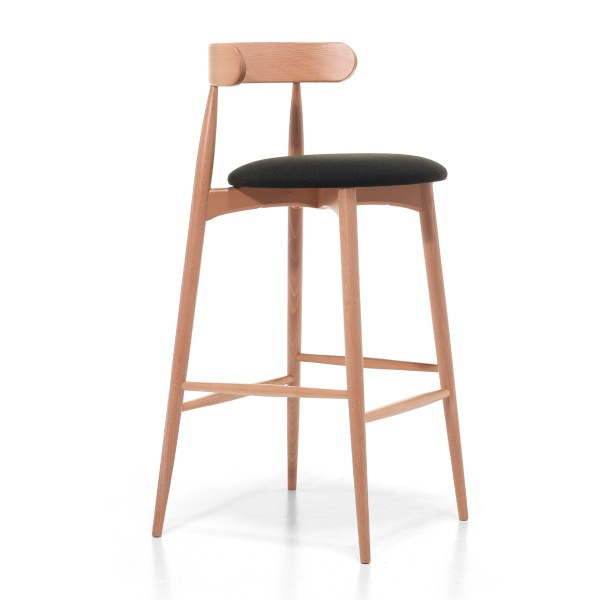
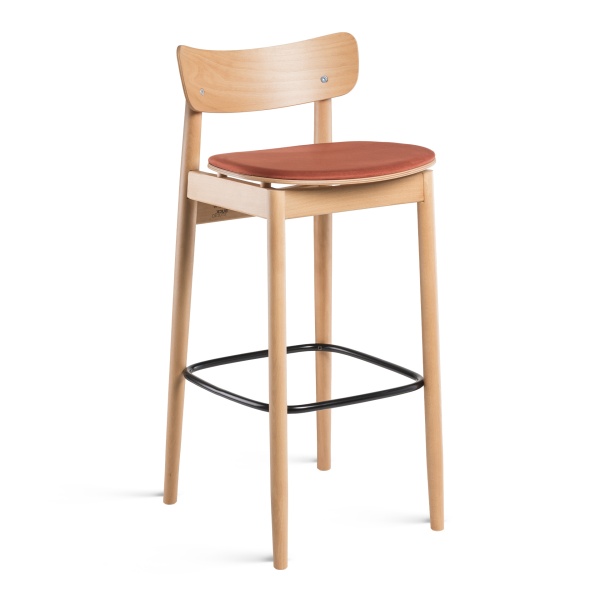
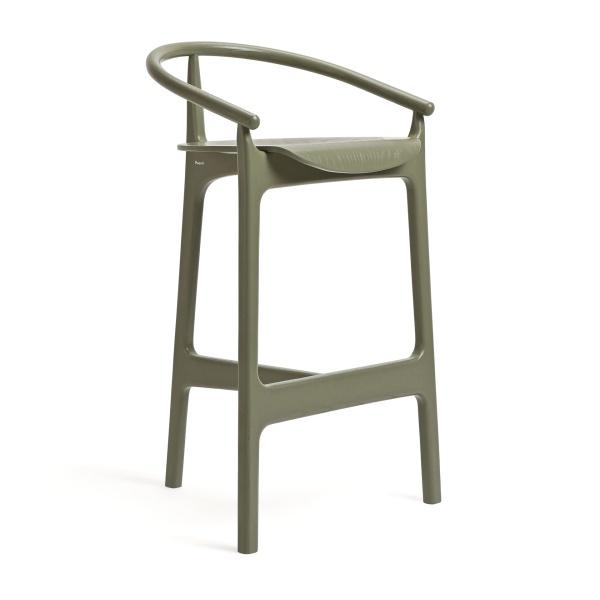
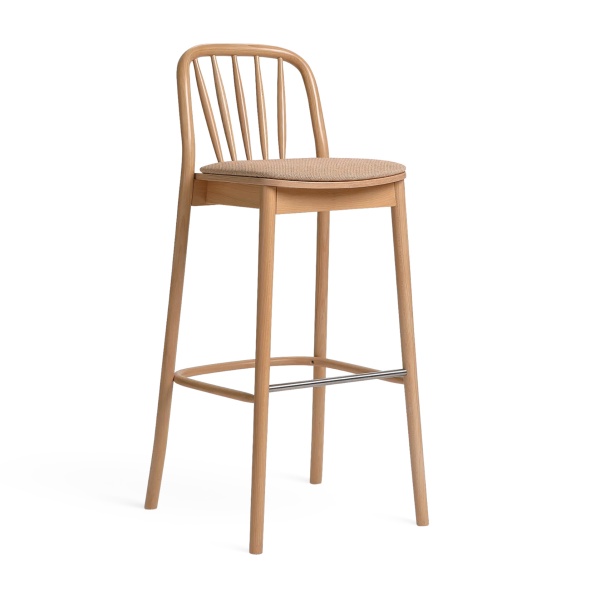
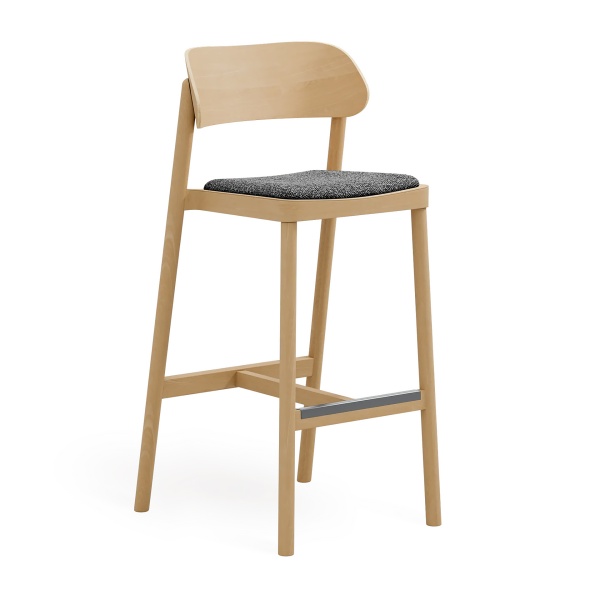
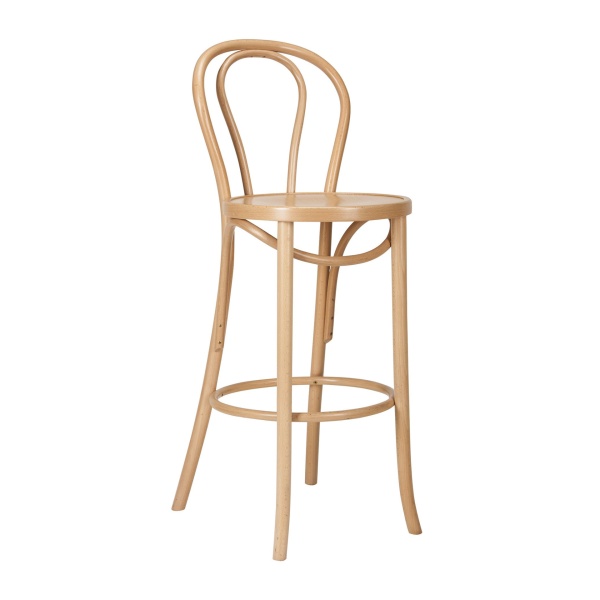
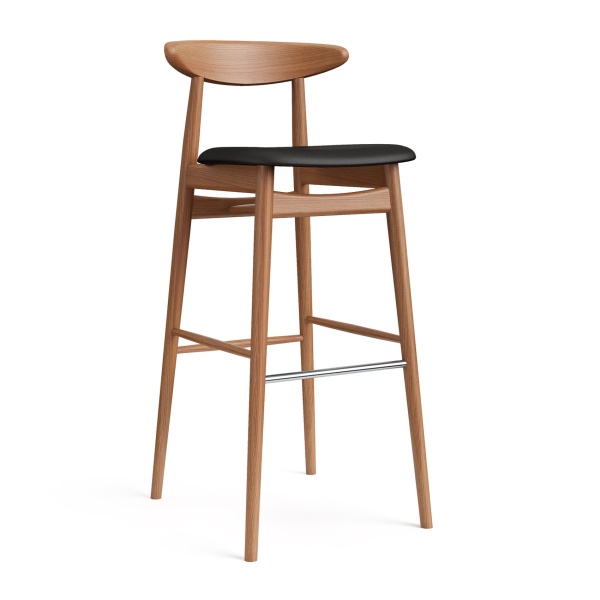
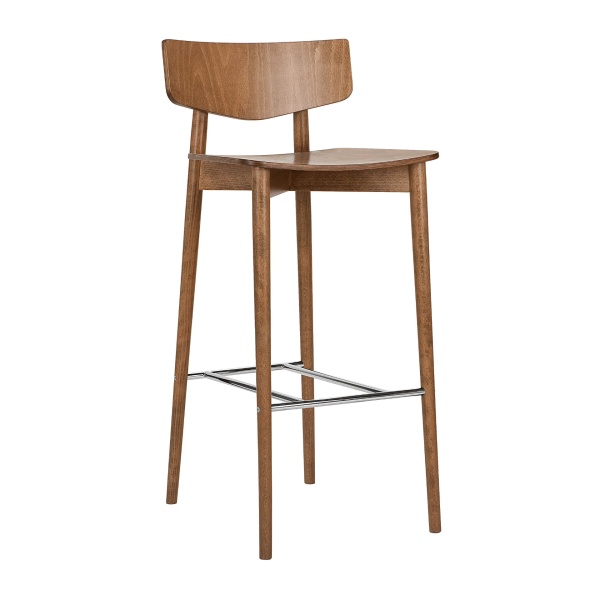
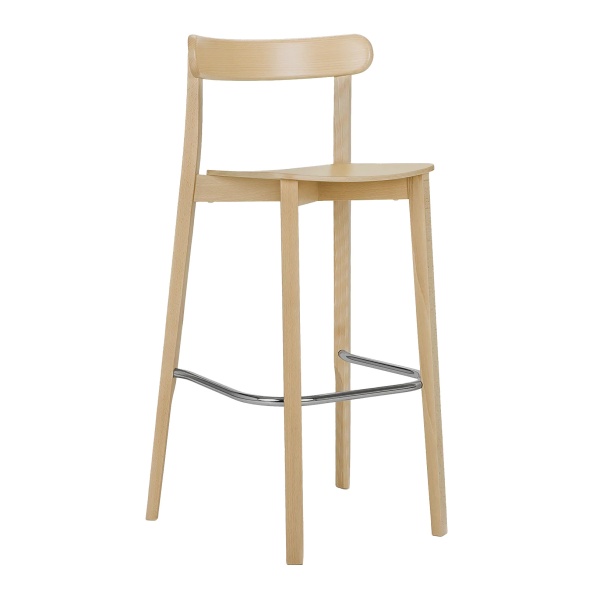
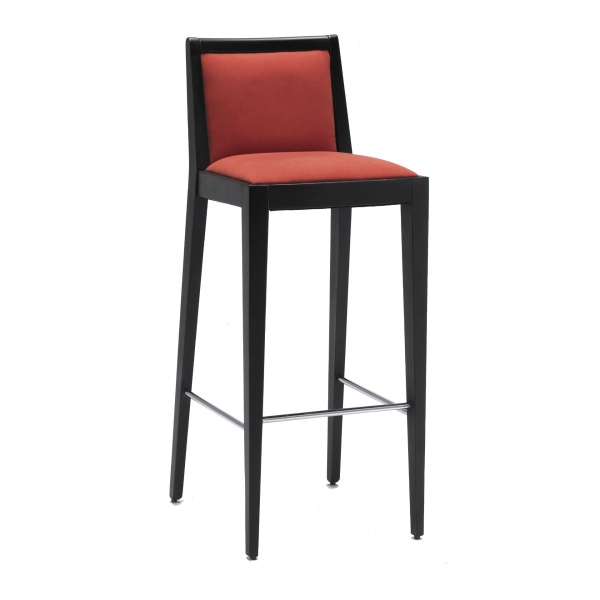
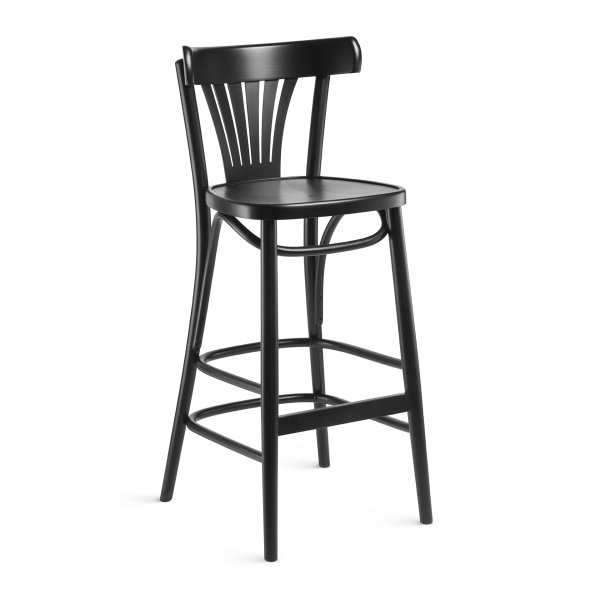
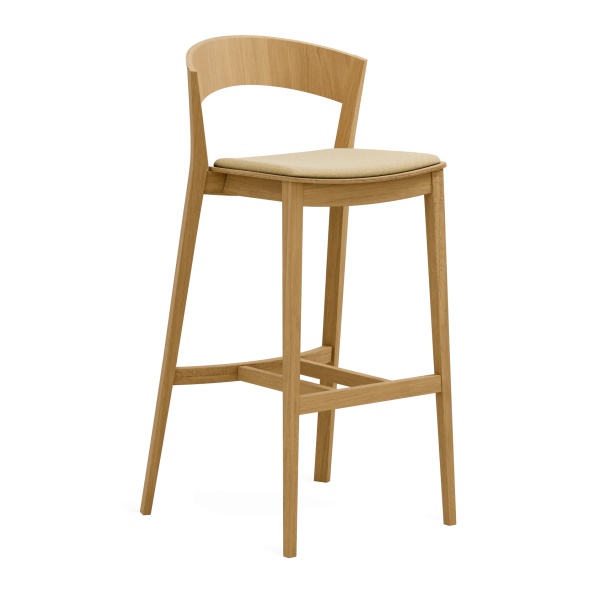
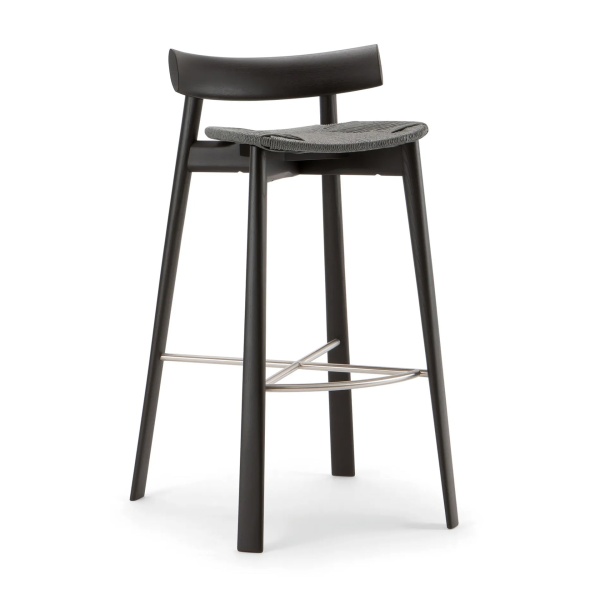
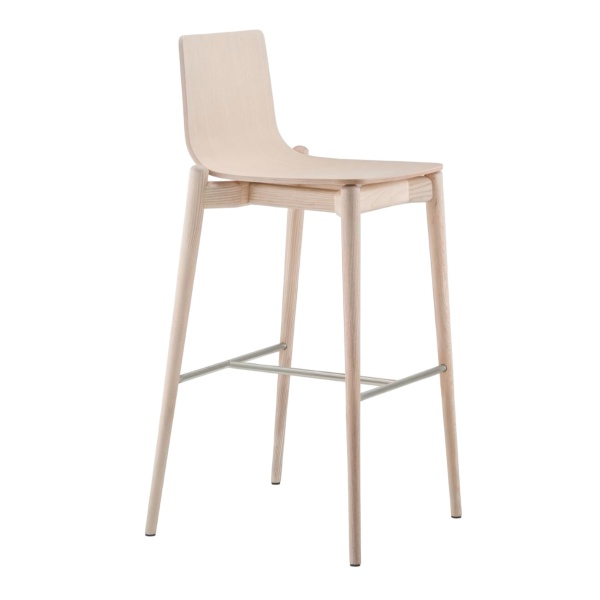
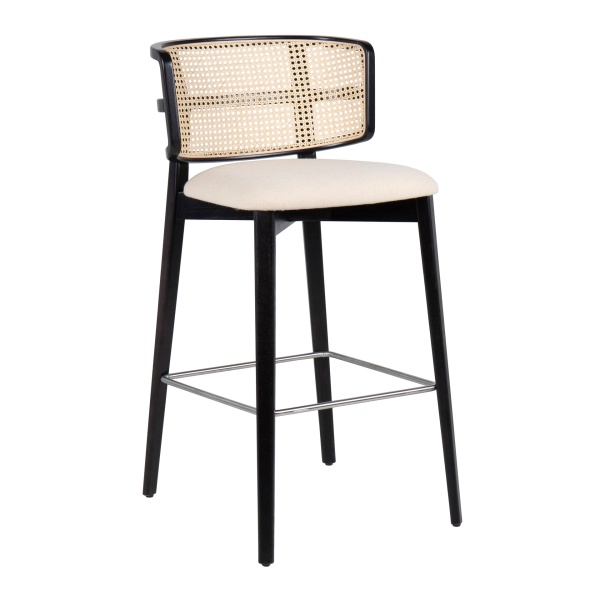
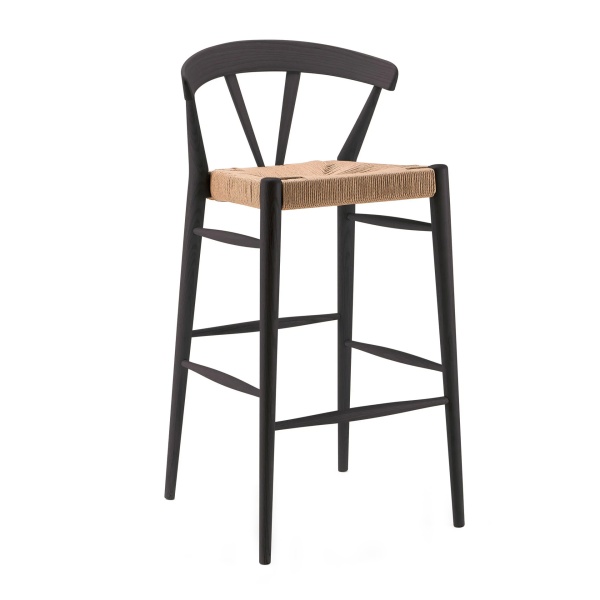
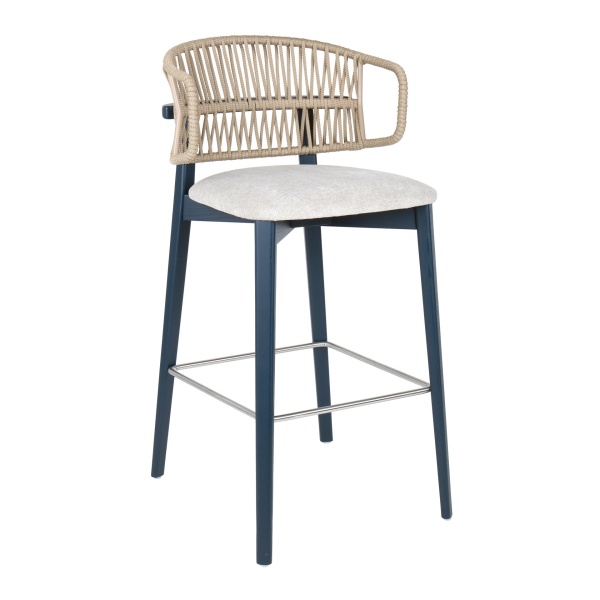
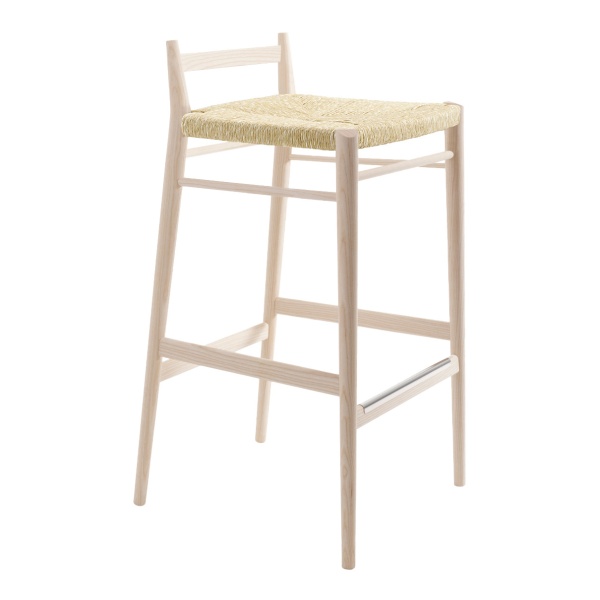
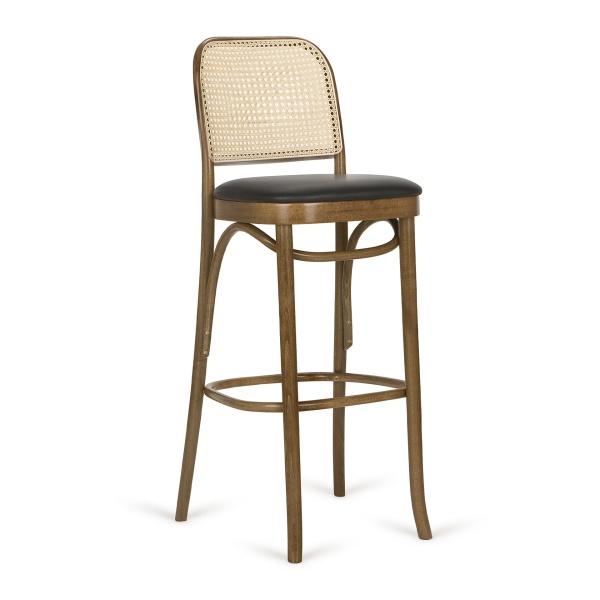
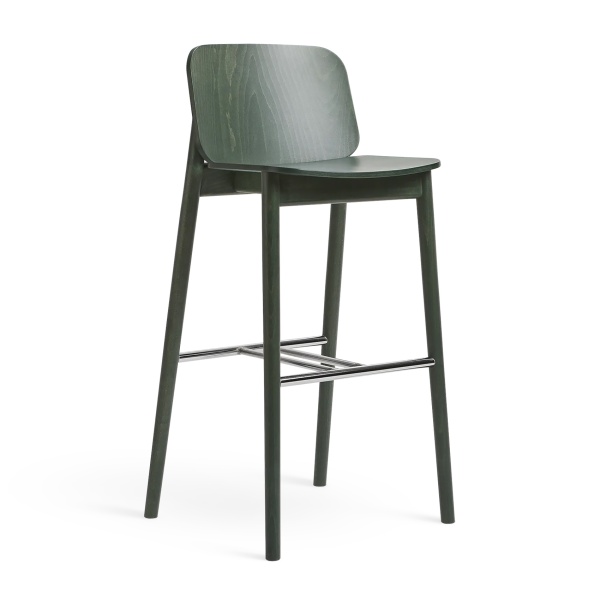
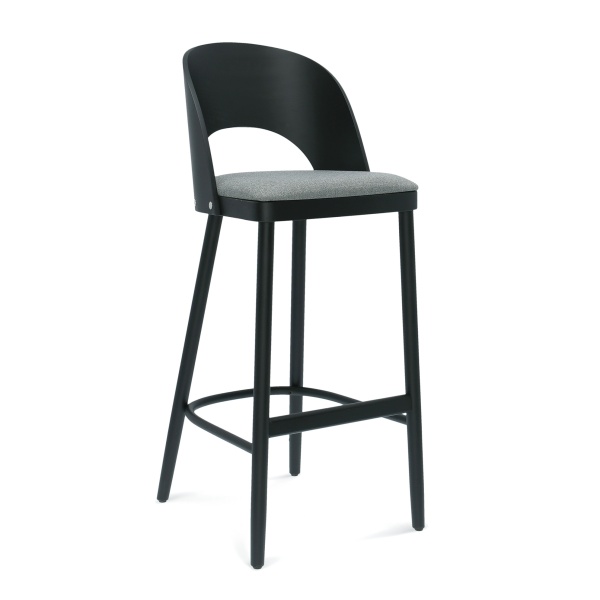
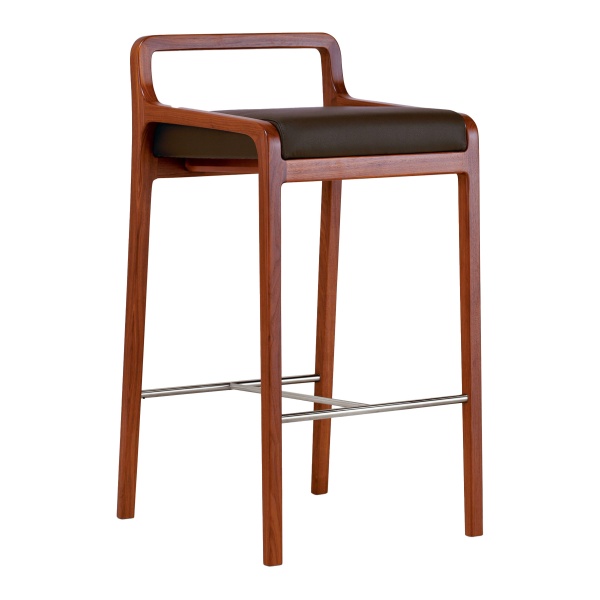
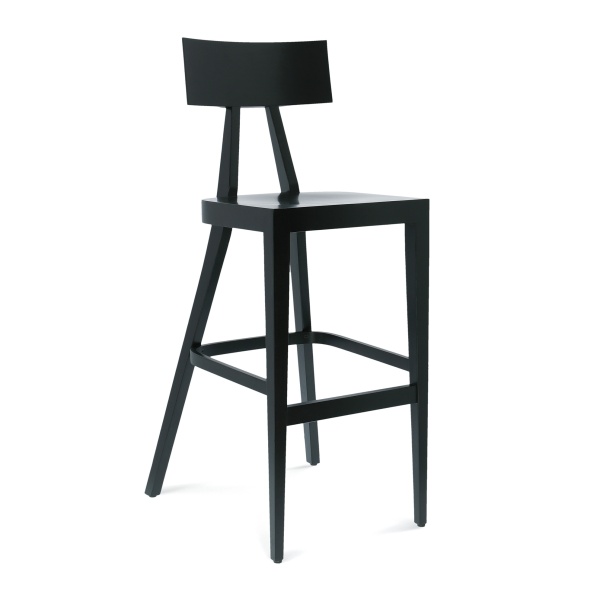
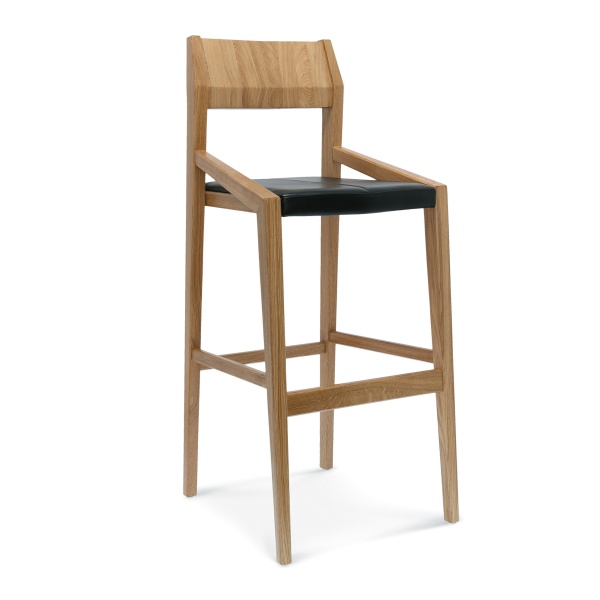
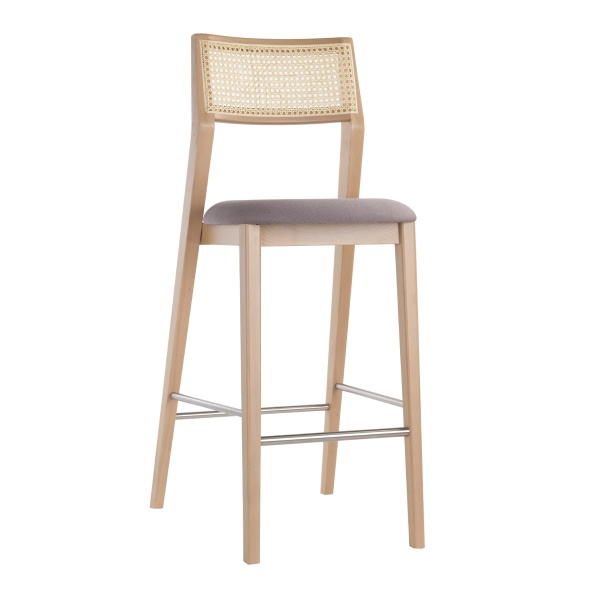
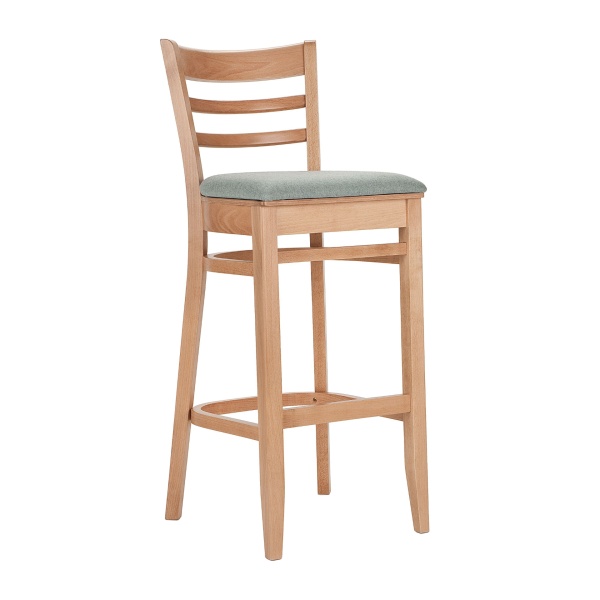
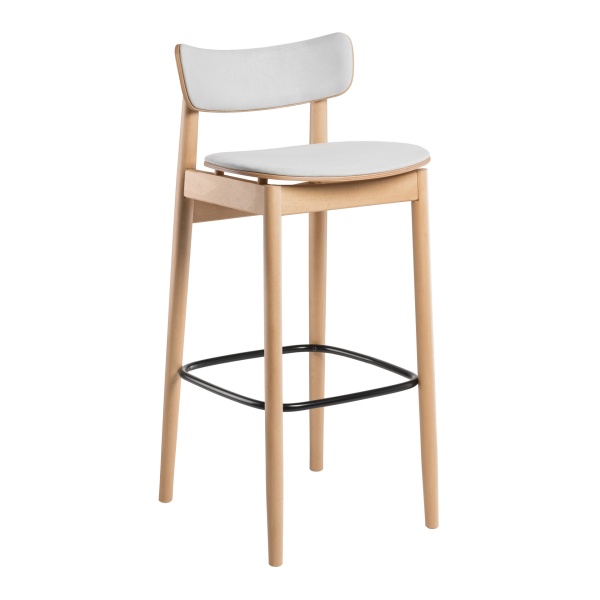
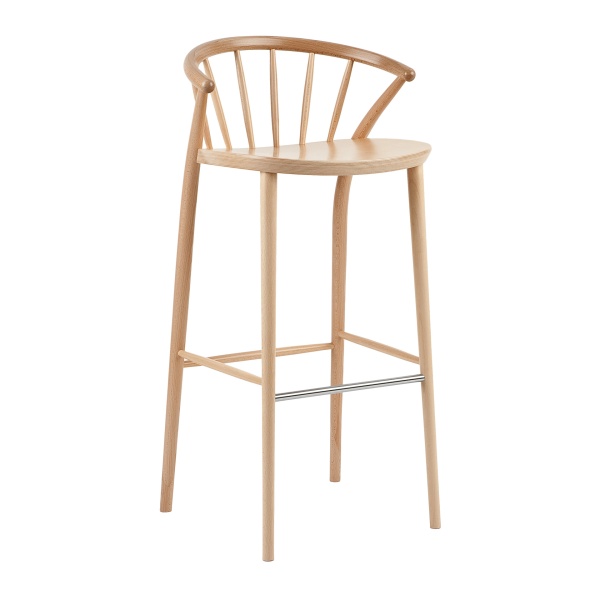
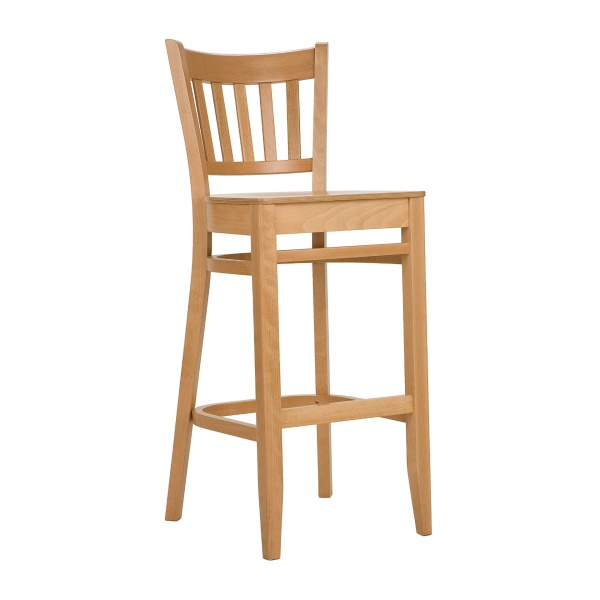
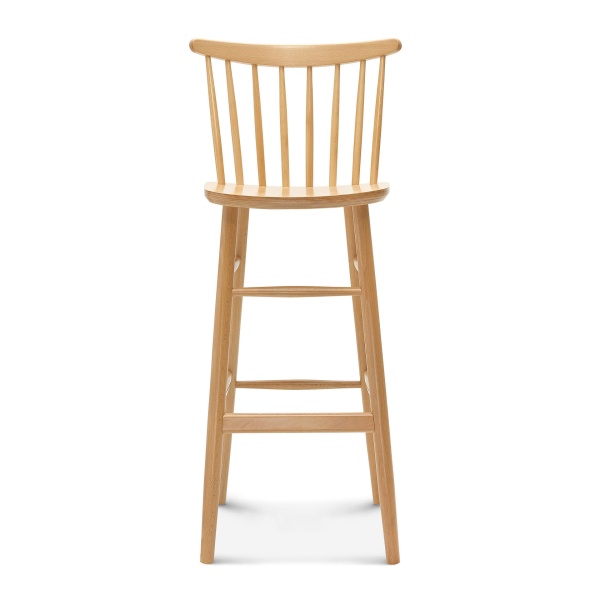
Wooden bar stools are professional bar seating made from solid or engineered wood, used in bars, restaurants and hotels as part of both interior concept and service logic. Unlike generic bar stools, wooden models are chosen when tactile quality, visual warmth and long-term durability in public spaces are key priorities.
Wooden bar stools are contract-grade solutions for bars and restaurants where natural materials, structural stability and comfortable long-term seating matter. They are commonly used in classic bars, wine bars and hospitality interiors focused on atmosphere and durability.
When wooden bar stools are the right choice
- restaurant bar areas with a strong focus on materials and ambience;
- wine bars, gastro bars and classic cocktail bars;
- hotels and lobby bars with a warm brand identity;
- projects where wood is a key interior material;
- venues designed for longer guest seating time.
In professional projects, wooden bar stools are often combined with other solutions from the bar furniture category to maintain a consistent material and visual language throughout the space.
Material, construction and service life
The main difference between domestic and contract-grade wooden bar stools lies in construction and material engineering. For HoReCa use, the following factors are critical:
- wood species (beech, oak, ash) with predictable geometry;
- glued and mortise joints instead of basic screw assembly;
- crossbars as structural reinforcement rather than decoration;
- resistance to loosening under intensive daily use;
- contract finishes protecting wood from moisture and abrasion.
In HoReCa projects, wooden bar stools are evaluated not by appearance alone but by construction quality: joint integrity, geometric stability and the ability to withstand daily use without play or noise.
Seating height and ergonomics
Wooden bar stools typically feature a fixed seat height, making correct matching with the bar surface especially important. In professional interiors, they are usually paired with high bar tables, where seat height, footrest position and seat depth function as one integrated seating scenario.
- fixed height ensures stability and durability;
- footrest as a functional structural element;
- solid or semi-upholstered seats for longer sitting periods;
- backrest selection depending on use: bar, restaurant or tasting area.
Advantages of wooden bar stools in HoReCa
- warm, premium visual perception;
- high stability with proper construction;
- excellent compatibility with natural interiors;
- long service life in contract applications;
- possibility of refinishing and surface renewal.
Common selection mistakes
- confusing domestic furniture with contract-grade seating;
- choosing design without assessing structural rigidity;
- ignoring humidity and climate conditions;
- incorrect matching with bar counter height;
- saving on protective finishes and coatings.
FAQ: Wooden Bar Stools
How are wooden bar stools different from standard bar stools?
They focus on natural materials and atmosphere. Contract versions feature reinforced construction and durable finishes suitable for HoReCa use.
Which wood species are best for bars and restaurants?
Beech, oak and ash are most commonly used due to their stability and durability in public environments.
Are wooden bar stools suitable for intensive use?
Yes, provided they are contract-grade with proper joints, reinforcements and protective finishes.
Can wooden bar stools be used in humid environments?
Yes, if they are treated with professional finishes designed for hospitality use.