


Central Pole Parasols for Restaurant Terraces
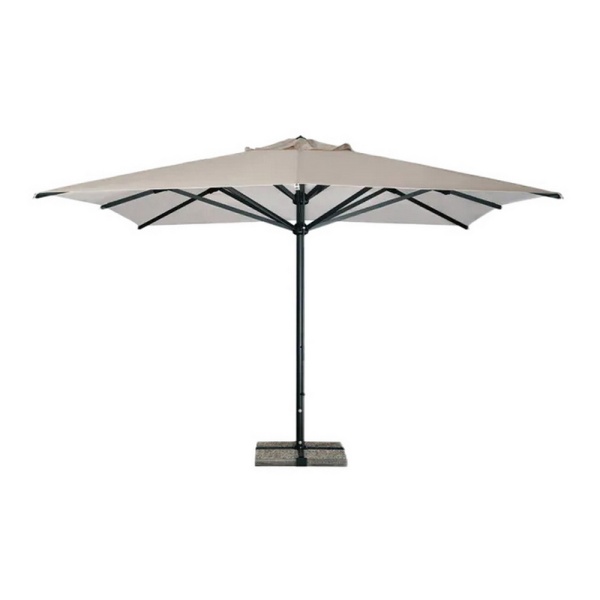
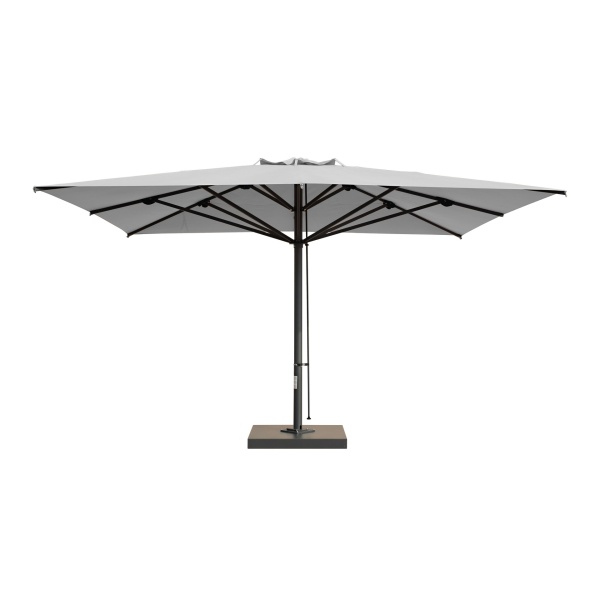
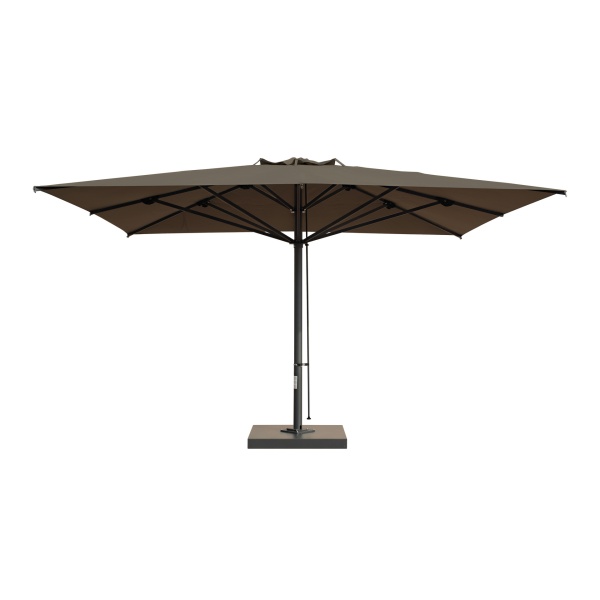
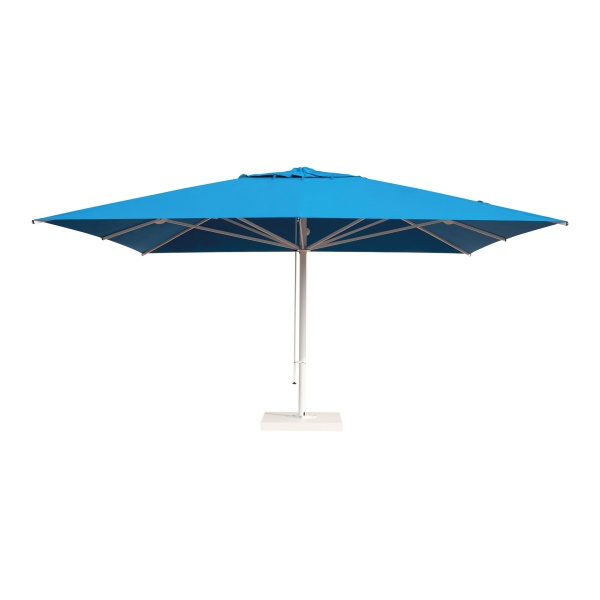
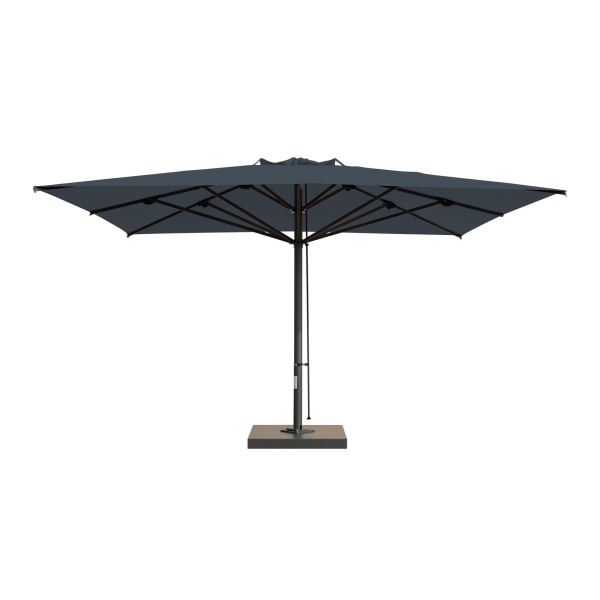
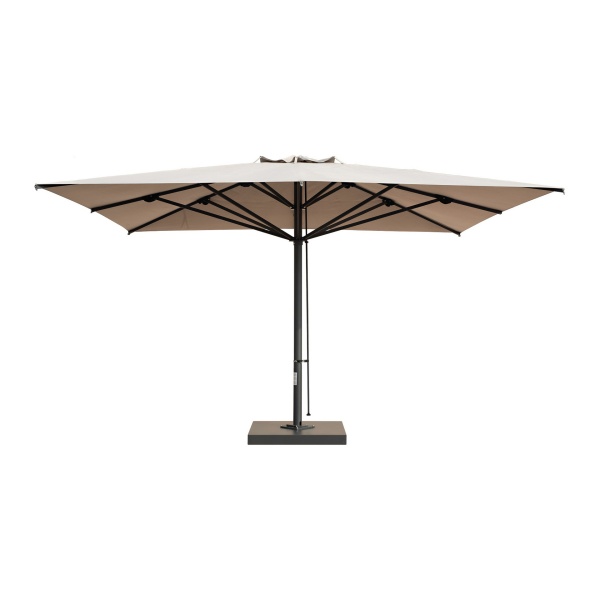
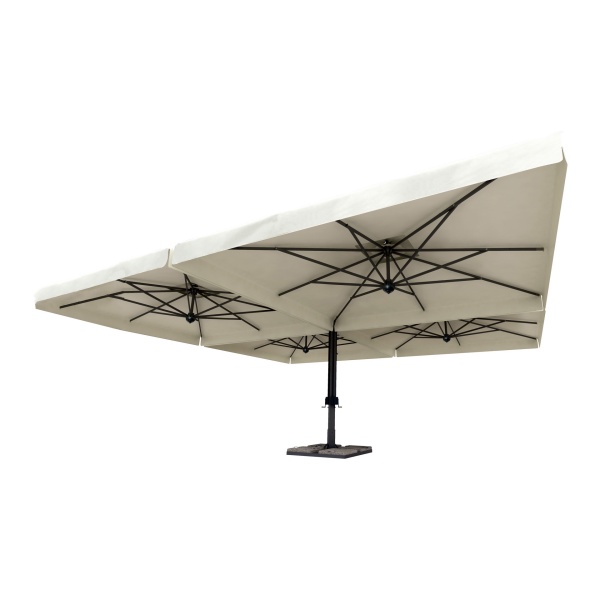
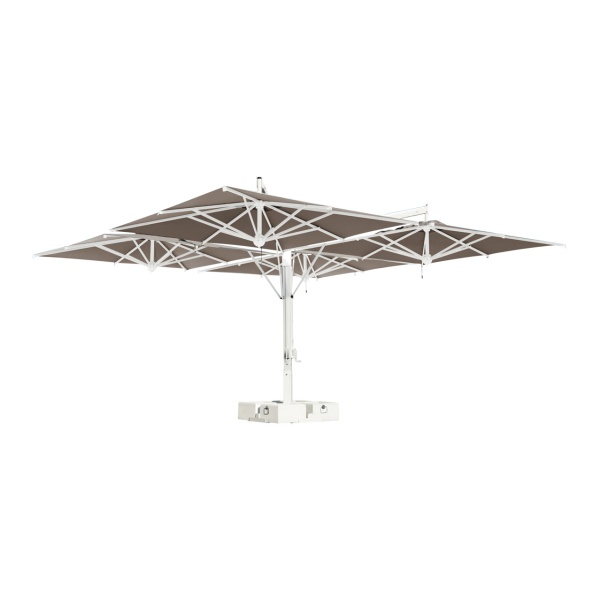
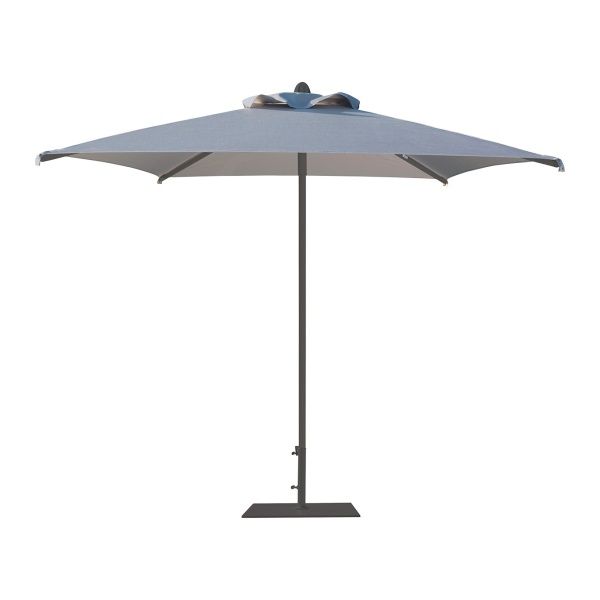
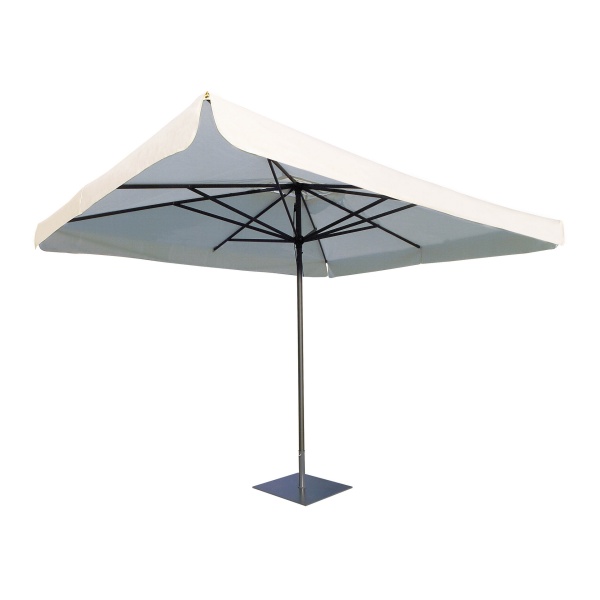
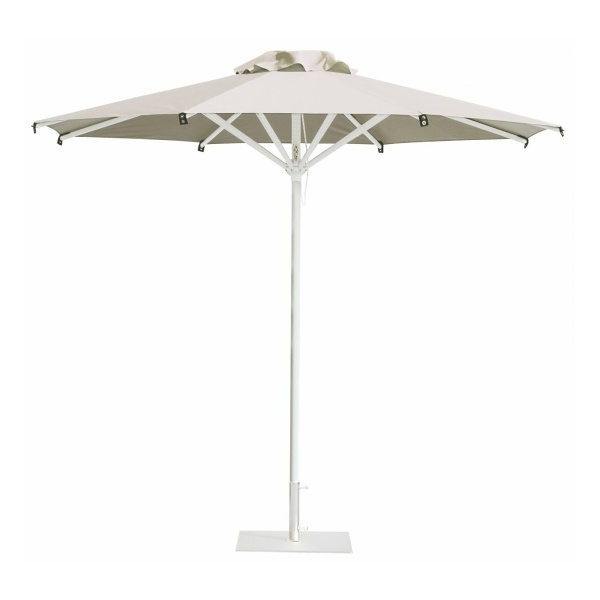
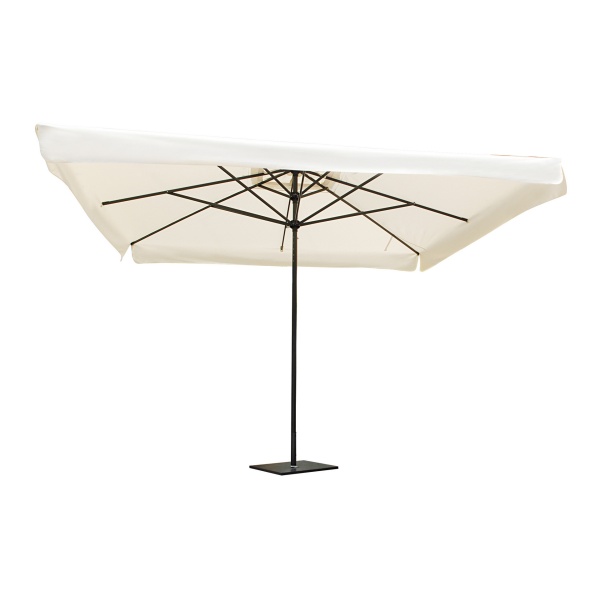
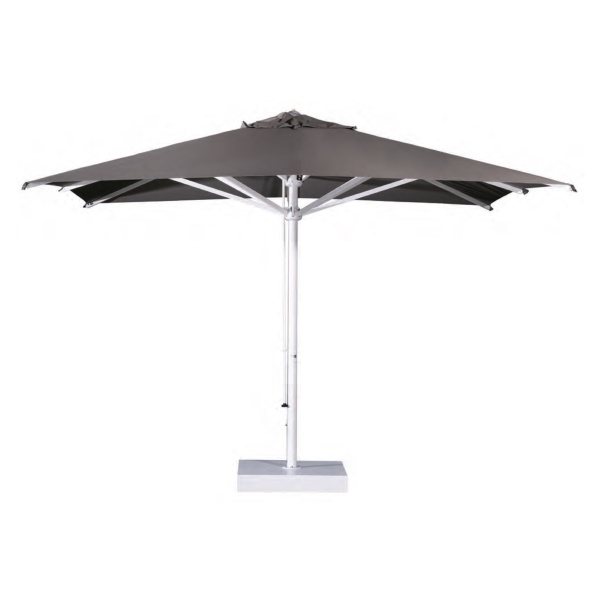
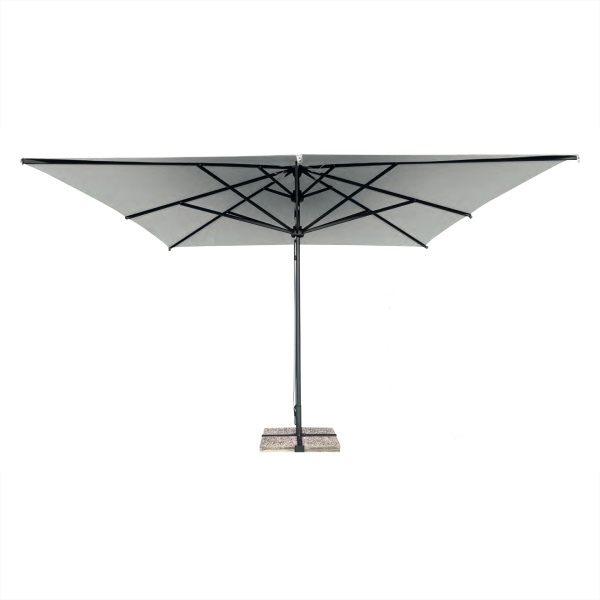
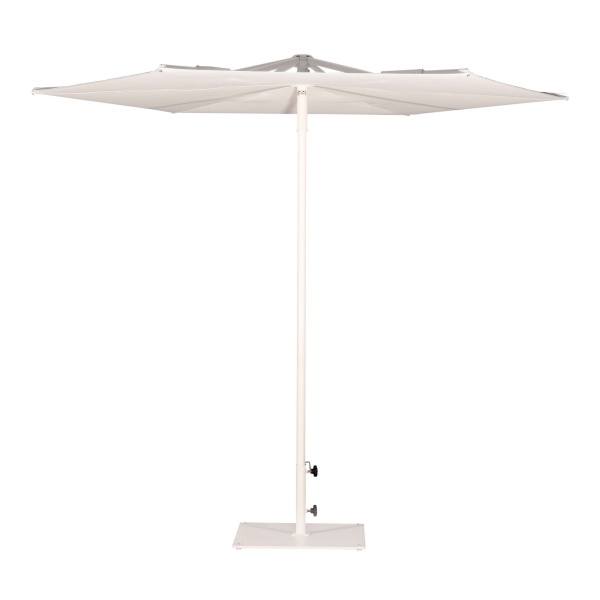
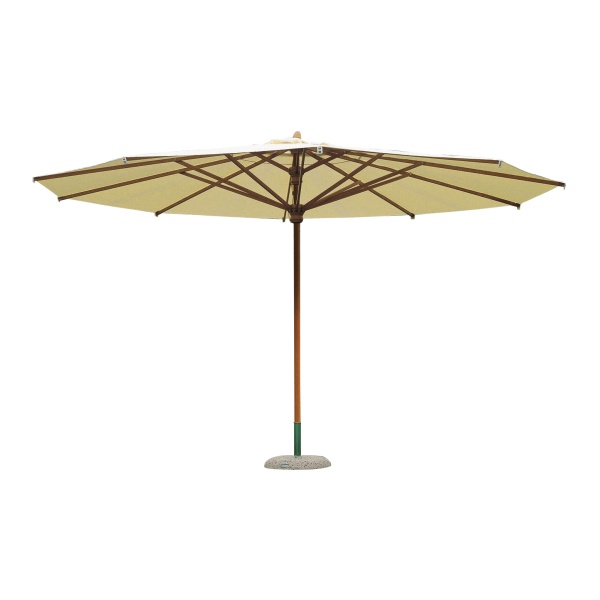
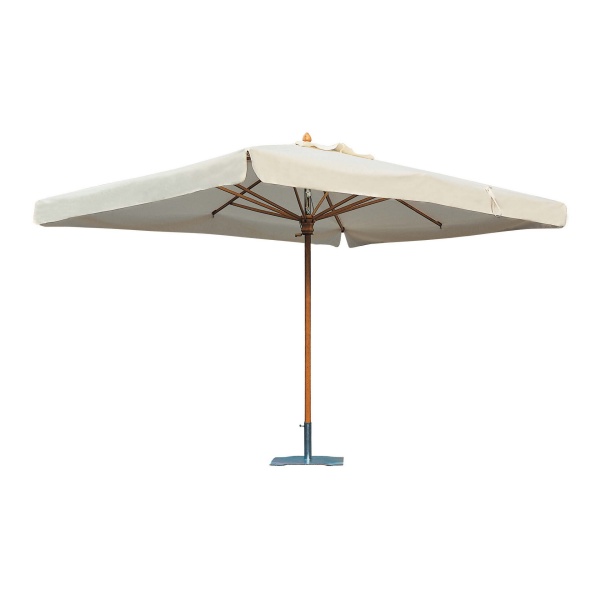
Central pole parasols are the industry standard for restaurant terraces, hotel patios and commercial outdoor dining areas where seating density, wind stability and predictable staff operation are essential. A centrally positioned mast creates a clear shading geometry, simplifies table layouts and reduces overall servicing costs compared to more complex systems.
Central pole parasols are the optimal solution for high-density HoReCa terraces and wind-exposed locations. They deliver reliable stability, faster daily operation and lower maintenance costs than cantilever systems.
When a central pole outperforms cantilever systems
- High seating density: maximum use of available floor space.
- Wind-exposed façades: predictable and stable structural behaviour.
- Operational efficiency: quick opening and closing without moving furniture.
- Lower total cost of ownership: simpler servicing and standardised components.
For leisure scenarios near water, where flexibility and sun loungers take priority, it is more appropriate to use beach umbrellas. All other solutions for restaurant terraces, outdoor dining areas and hospitality spaces should be considered within professional sun shading solutions for HoReCa, where central pole systems remain the most stable and operationally predictable format.
How to choose the right parasol type for a HoReCa terrace
| Criteria | Central pole | Cantilever | Beach |
|---|---|---|---|
| Wind resistance | High | Medium | Lower |
| Seating density | High | Medium | Low |
| Staff efficiency | High | Medium | Medium |
| Total cost of ownership | Lower | Higher | Medium |
| Visual impact | Classic / versatile | Premium accent | Resort / leisure |
| Typical application | Restaurant terraces | Lounge / pool areas | Beach / resort |
For restaurants with high table turnover, central pole parasols remain the most rational choice in terms of stability, operational simplicity and long-term cost efficiency.
Key engineering considerations
Frame and mast
In commercial use, durability depends on joint rigidity, structural geometry and corrosion protection. Connections and mechanisms define service life far more than canopy appearance.
Canopy and fabric
HoReCa environments require outdoor-rated fabrics resistant to UV exposure, moisture and frequent cleaning. Ventilation features reduce wind pressure and improve stability.
Base system
Real-world stability is determined by correctly specified base weight. Undersized bases are the primary cause of failures and damage on commercial terraces.
Common selection mistakes
- Insufficient base weight.
- Non-commercial fabrics.
- Weak joints and mechanisms.
- Poor corrosion protection.
Most failures are caused not by the canopy, but by the base and mechanical components: inadequate ballast, domestic fabrics and weak joints lead to instability and high maintenance costs.
Operational economics (TCO)
- Less complex mechanics.
- Standardised bases and components.
- Faster daily staff operations.
- Higher seating capacity per square metre.
For these reasons, central pole parasols remain the most practical and cost-efficient solution for professional restaurant terraces and hospitality outdoor spaces.
FAQ: Central pole parasols
What is a central pole parasol?
A professional outdoor parasol with a centrally positioned mast, designed for intensive HoReCa use.
When is a central pole parasol the best choice?
When wind stability, seating density and low operating costs are key priorities.
What determines real-world stability?
Correctly specified base weight and high-quality joints and mechanisms.
Why are domestic parasols unsuitable for HoReCa?
They wear out faster, perform poorly in wind and require frequent repairs.
When should a cantilever parasol be used?
When removing the central support is critical and higher servicing complexity is acceptable.