


Chairs with folding writing tablet
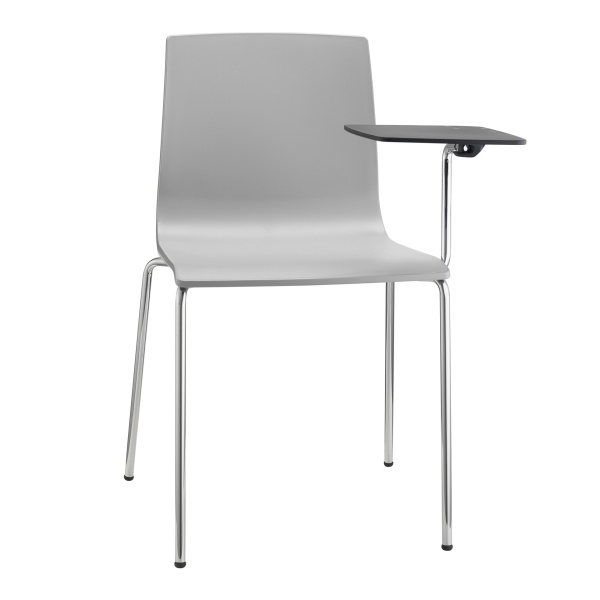
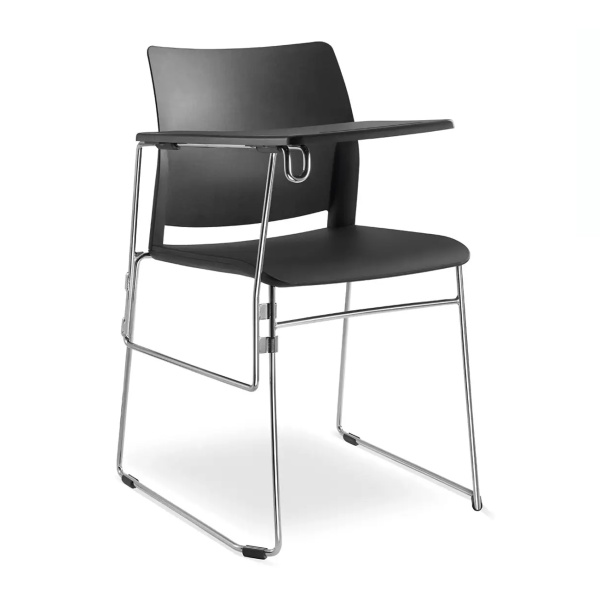
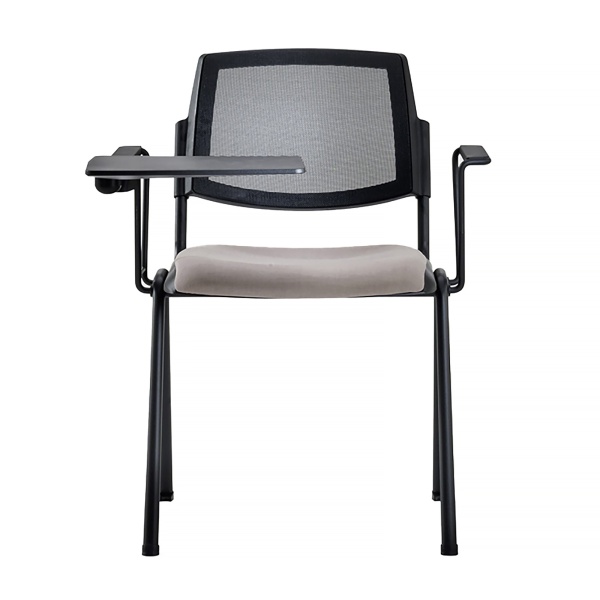
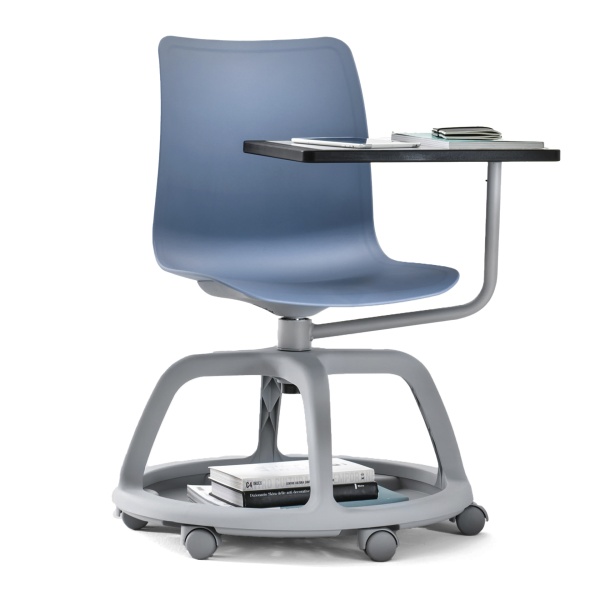
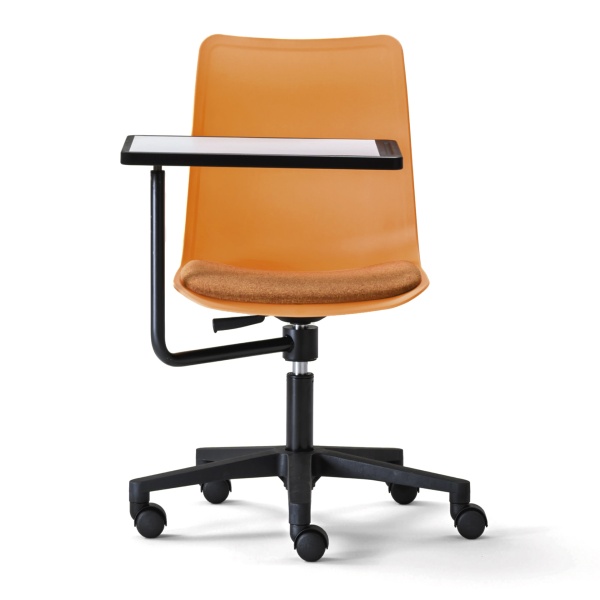
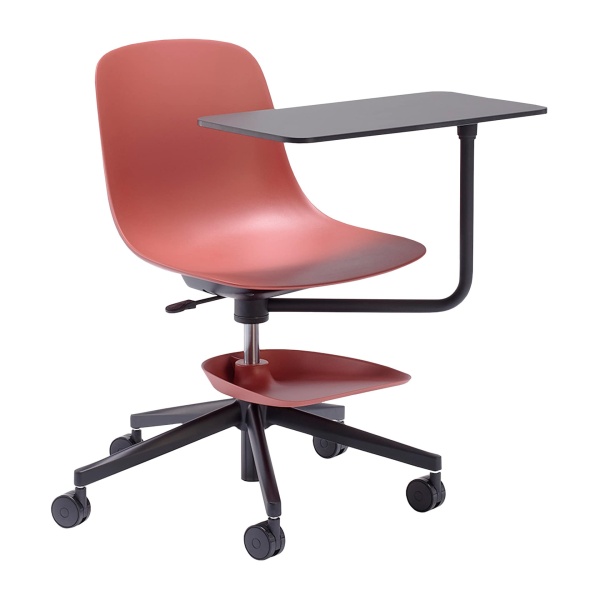
Chairs with folding writing tablet are professional conference and education seating solutions where the chair is combined with an individual work surface: a folding tablet or writing tablet (lectern). These chairs are widely used in conference rooms, lecture halls, training centres, classrooms and meeting rooms where individual workspaces are required without installing separate tables.
Chairs with folding tablet are an efficient solution for education and conference spaces. They provide individual workstations without fixed tables, increase seating capacity and maintain comfort during long sessions such as lectures, training courses and seminars.
Where folding tablet chairs are used
- conference rooms and meeting spaces;
- training centres and corporate learning facilities;
- lecture halls, universities and business schools;
- seminars and courses requiring note-taking or laptop use;
- high-density layouts where fast reconfiguration is essential.
Why folding tablet chairs outperform traditional tables
In education and conference projects, performance matters more than appearance. Key metrics are capacity, circulation and setup speed. Folding tablet chairs allow you to:
- increase seating capacity without enlarging the room;
- provide an individual work surface for each participant;
- switch quickly between lecture, group work and Q&A formats;
- reduce dead space created by fixed tables;
- control participant flow for exams, tests and registered events.
Design types: folding tablet, writing tablet, mobile solutions
The term “conference chair with tablet” covers several structural solutions. Choosing the right one depends on how the space is used:
- Folding tablet chairs — compact, easy access, ideal for frequent reconfiguration.
- Writing tablet chairs — rigid surfaces for note-taking and examinations.
- Swivel chairs on castors — flexible layouts and collaborative learning.
- Fixed-leg chairs — stable row geometry and long-term durability.
Materials and durability: what really matters
In commercial use, the weakest point is not the seat but the tablet mechanism. For daily operation, focus on:
- frame rigidity (steel or aluminium);
- tablet mechanism: smooth movement, secure locking, no play;
- work surface: scratch resistance and easy cleaning;
- ergonomics for 1–3 hours of seated work;
- serviceability and replaceable components.
For education and conference environments, the key factors are tablet mechanism quality, frame rigidity and ergonomics. A professional chair with writing tablet functions as a reliable individual workstation throughout long sessions.
Common specification mistakes
- choosing residential-grade products;
- ignoring tablet joint quality;
- not matching the chair type to usage scenarios;
- prioritising design over capacity planning;
- no requirements for cleaning and maintenance.
FAQ: Chairs with folding tablet
How do folding tablet chairs differ from office chairs?
They are engineered for intensive use, with reinforced tablet mechanisms, stable row geometry and durable materials.
Folding tablet or writing tablet — which is better?
Folding tablets suit training and flexible formats; writing tablets are better for lectures and exams.
Are they suitable for long sessions?
Yes, provided the chair offers proper ergonomics and a stable tablet mechanism.
What should be evaluated first?
The tablet joint, frame rigidity and work surface durability.